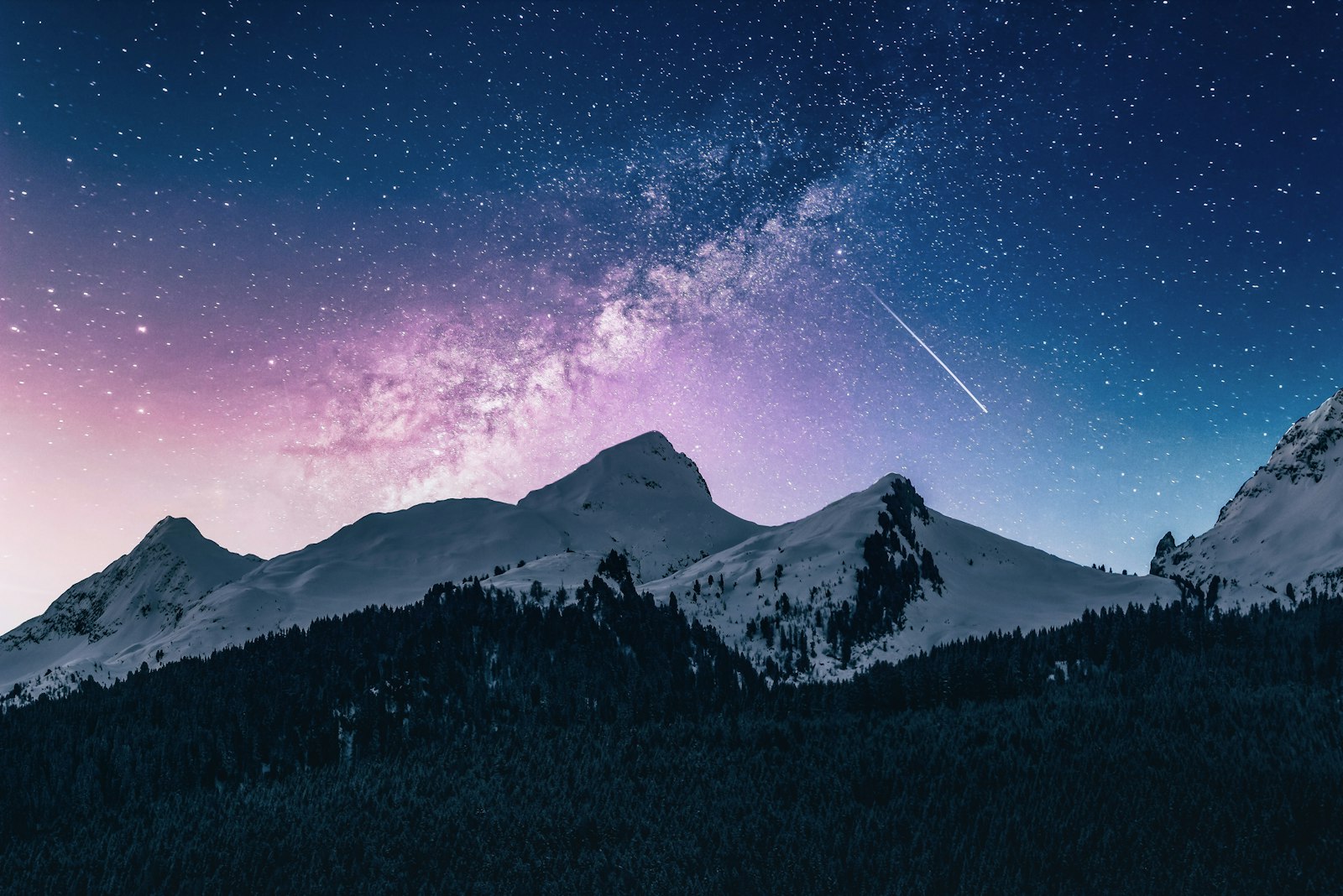
Stargazing in the Negev
Bortle 2-3 class skies — the Milky Way with the naked eye, planets, nebulae, and billions of stars above the desert silence.
Why the Negev Is World-Class for Astronomy
The Negev Desert is one of the best places in the Middle East — and among the best accessible sites worldwide — for stargazing. The combination of factors is rare: extremely low light pollution (the nearest major city, Beer Sheva, is 80 km away), minimal cloud cover (250+ clear nights per year), low humidity, and high elevation (Mitzpe Ramon sits at 860m). The vast, flat desert horizon gives you an unobstructed view from horizon to horizon.
On a clear moonless night, you can see the Milky Way's galactic core blazing overhead with the naked eye. With binoculars, you'll spot the Andromeda Galaxy, the Orion Nebula, and individual stars in globular clusters. With a telescope, the rings of Saturn, Jupiter's moons, and distant nebulae come alive in vivid detail.
The Bortle Dark-Sky Scale
The Bortle scale measures night sky darkness from 1 (pristine) to 9 (inner-city). The Negev Desert near Mitzpe Ramon rates Bortle 2-3.
Pristine / Typical Dark Site
Zodiacal light visible, Milky Way casts shadows. Parts of the deep Negev.
Dark Site
Milky Way clearly visible, thousands of stars with naked eye. Mitzpe Ramon crater area.
Rural/Suburban Transition
Milky Way visible but light domes on horizon. Northern Negev near Beer Sheva.
Suburban to Urban
Only bright stars visible. Tel Aviv, Jerusalem, and other cities.
Best Viewing Spots
Ramon Crater Rim (Mitzpe Ramon)
The most accessible dark-sky spot. The crater rim viewpoints just south of town offer 360-degree unobstructed views. Park at the visitor center after dark and walk to the cliff edge. The crater below is completely unlit — pure darkness. Bortle 2-3.
Best for: Easiest access, guided tours available
Inside the Crater (Route 40)
Drive into Makhtesh Ramon via Route 40 and pull over at any of the marked parking areas. The crater walls block any distant light pollution. Some of the darkest readings in all of Israel — touching Bortle 1-2 on the best nights.
Best for: Darkest skies, more remote
Mitzpe Ramon Observatory
The town has a small public observatory that offers occasional programs. Check locally for schedules. The Ramon Crater Astronomy Center runs regular evening viewing sessions with professional equipment.
Best for: Guided sessions, educational programs
South of Mitzpe Ramon (Route 40 toward Eilat)
The further south you drive from Mitzpe Ramon, the darker it gets. Areas around Shaharut and the Arava Valley approach Bortle 1-2 on moonless nights. Extremely remote — bring supplies.
Best for: Absolute darkest skies, photography
What You Can See
The Milky Way
The galactic core arches across the sky. Best in summer months when it rises higher. A new moon and clear night are essential.
Planets
Jupiter and Saturn are frequently visible. With a telescope, see Jupiter's bands and four Galilean moons, Saturn's rings, and Mars' red disc.
Andromeda Galaxy (M31)
The nearest major galaxy, 2.5 million light-years away. Visible as a faint fuzzy patch with the naked eye in Bortle 2-3 skies. Stunning through binoculars.
Orion Nebula (M42)
The great nebula in Orion's sword. Visible as a faint smudge with the naked eye. Through a telescope, you'll see the glowing gas cloud and the Trapezium star cluster.
Meteor Showers
Perseids (Aug 11-13), Geminids (Dec 13-14), and others. The dark Negev skies make even minor showers spectacular. No telescope needed.
Zodiacal Light
A faint triangular glow along the ecliptic, caused by sunlight reflecting off interplanetary dust. Only visible in very dark skies — the Negev is one of few places in Israel where you can see it.
Best Months for Stargazing
March - May
Milky Way core begins rising. Pleasant desert temperatures (15-25C at night). Minimal clouds. Zodiacal light visible in evening.
June - August
Milky Way core directly overhead. Longest dark hours. Best for the galactic center. However, daytime heat is extreme (40C+). Plan activities for evening only.
September - November
Milky Way still visible (setting earlier). Cooler nights. Geminid meteor shower in December. Zodiacal light in morning sky.
December - February
Longest nights mean more viewing time. Orion and winter constellations at their best. Coldest months (5-10C at night) — bring warm layers. Occasional clouds.
Astrophotography Tips
DSLR or mirrorless camera with manual mode. Wide-angle lens (14-24mm, f/2.8 or faster). Sturdy tripod is essential. Remote shutter release or timer to avoid vibration.
ISO 3200-6400, aperture wide open (f/2.8 or lower), shutter 15-25 seconds (use the 500 rule: 500 / focal length = max seconds before star trails). Shoot RAW for maximum post-processing flexibility.
Manual focus to infinity. Use live view zoomed to 10x on a bright star, then fine-tune until the star is a sharp point. Tape the focus ring in place.
Include the crater rim, a dead tree, or a tent for scale and composition. Light painting with a dim red headlamp can add interest to foreground elements.
Arrive 30 minutes before astronomical twilight ends. Allow 20-30 minutes for your eyes to dark-adapt. Check moon phase — new moon +/- 5 days is ideal.
Book a Stargazing Tour
Expert astronomers, professional telescopes, and the darkest skies in the Middle East.
Ramon Crater Astronomy Night Tour
Professional-grade telescopes on the crater rim with an expert astronomer. Identify constellations, observe planets, nebulae, and galaxies. Includes hot drinks and desert snacks.
Milky Way Photography Workshop
Learn astrophotography in pristine dark skies. A professional photographer guides you through camera settings, composition, and post-processing. Bring your own DSLR or mirrorless camera.
Stargazing & Bedouin Dinner Combo
Traditional Bedouin dinner under the stars followed by a guided astronomy session. The perfect evening: desert cuisine, campfire, then telescope viewing in total darkness.
Practical Stargazing Tips
- * Red headlamp only: White light destroys night vision for 20-30 minutes. Use a red-filtered headlamp or cover your phone with red cellophane.
- * Dress warm: Desert nights drop to 5-10C even in spring. Bring a down jacket, hat, and gloves. A sleeping bag or blanket for lying down is ideal.
- * Apps: Download Stellarium, Star Walk, or Sky Map before you go. They work offline and help identify what you're seeing.
- * Moon check: New moon +/- 5 days is best. A full moon washes out all but the brightest stars. Check timeanddate.com.
- * Drive carefully: Desert roads at night can have wildlife (ibex, foxes). Drive slowly and watch for animals.
Stay Under the Stars
Transparent dome glamping and crater-rim hotels — fall asleep watching the Milky Way.
View Desert Accommodation →