First Time in Israel
The complete 2026 beginner's guide — everything you need to know before booking your first trip.
Read the guideIsrael is one of the most layered destinations on the planet — 22,072 km² packed with 4,000 years of history, three world religions, Mediterranean beaches, the lowest point on Earth, Red Sea coral reefs, and a food scene ranked among the world's best. It's also one of the most misunderstood. This guide answers everything a first-time visitor needs to know in 2026: is it safe? (mostly yes, with caveats), how much does it cost? ($70–400/day depending on style), when should you go? (March–May or September–November), do you need a visa? (no, for 90+ countries), and what's Shabbat? (the Friday-to-Saturday closure that catches every first-timer off-guard). Israel rewards prepared travelers more than almost any other destination.
By Sebastian · Travel Writer
📍 Based in Tel Aviv, Israel · Last updated

🛡️ Is Israel safe to visit?
The honest answer: Israel's main tourist areas — Tel Aviv, Jerusalem, the Dead Sea, Eilat, Haifa, and the Galilee — are generally safe for tourists. Millions of people visit annually without incident. The country has one of the most advanced security infrastructures in the world, and security visibility (bag checks at malls, metal detectors at restaurants) is part of daily life.
That said: The security situation in Israel can change. Always check your government's current travel advisory before booking and again before flying. The areas to avoid are the Gaza border, parts of the West Bank outside major cities (Bethlehem and Jericho with proper guides are fine), and any active demonstration. Stick to established tourist areas and use common sense — the same advice as for any major city.
Practical security tips:
- Ben Gurion Airport security is extremely thorough — arrive 3 hours early for departures
- Bag checks at malls, restaurants, and tourist sites are standard — don't be alarmed
- Tap water is safe to drink everywhere
- Pickpocketing is rare but possible at busy markets — basic precautions apply
- Emergency numbers: 100 (police), 101 (ambulance Magen David Adom), 102 (fire), 110 (tourist police)
📅 Best time to visit Israel
The sweet spots: March–May (spring) and September–November (fall). Weather is perfect (20–28°C), beaches are usable, the desert is pleasant, and crowds are smaller than peak summer or Christmas. Spring brings wildflowers in the Negev. Fall has Jewish holidays (Rosh Hashana, Sukkot) which add cultural color but can crowd Jerusalem.
Avoid (or prepare for):
- July–August: Brutally hot (35–45°C in the desert and Eilat). Tel Aviv beach is pleasant but humid. Avoid Masada and Ein Gedi midday.
- Yom Kippur (early Oct): The country literally stops. No flights in or out. No traffic. Most things closed. Beautiful for some, frustrating for others — plan around it.
- Passover (Mar–Apr): Major Jewish holiday — restaurants get strict about kosher rules, prices peak, Jerusalem is packed.
- Christmas in Jerusalem: Beautiful but very crowded. Book far ahead.
Don't forget Shabbat: Every single week, from Friday sunset to Saturday sunset, public transport stops and Jerusalem largely shuts down. It's not a holiday — it's the weekly rest day. We have a complete Shabbat guide covering what stays open and how to navigate it.
💵 How much does Israel cost?
Israel is expensive by global standards — comparable to Western Europe. Don't expect Asia or Latin America prices. The good news: street food is cheap, museums are reasonable, and Eilat is duty-free (17% cheaper than the rest of Israel).
Daily budget breakdown
Per person, per day. Excludes international flights.
| Category | 💰 Backpacker budget conscious | 💰💰 Mid-range comfortable | 💰💰💰 Luxury premium |
|---|---|---|---|
| 💵 Daily budget (per person) Excluding flights | $70–100 | $150–250 | $400+ |
| 🏨 Accommodation | $25–50 hostel | $120–200 hotel | $300–700+ luxury |
| 🍽️ Food (3 meals/day) | $25–35 | $50–80 | $100–200+ |
| 🚌 Transport (per day) | $5–10 buses | $20–40 mix | $80+ private |
| 🎫 Activities (per day) | $10–20 | $30–60 | $100+ |
Updated April 2026 · prices in USD
Want a detailed breakdown by category? Check our complete Israel cost calculator.
✈️ How to get to Israel
Ben Gurion Airport (TLV) near Tel Aviv is the main international gateway, with direct flights from 60+ cities worldwide on El Al, Lufthansa, Air France, British Airways, Ryanair, Wizz Air, Turkish Airlines, United, Delta, and more. From Europe: 4 hours. From New York: 11 hours. From Bangkok: 11 hours.
Ramon Airport (ETM) near Eilat handles seasonal European flights with Wizz Air and Ryanair (Berlin, Vienna, Budapest, Warsaw, Bucharest). It's VAT-free, so flights tend to be cheap. Use it if Eilat or the Negev is your starting point.
Visa-free entry for 90 days for citizens of 90+ countries including the USA, Canada, all EU/EEA, UK, Australia, Japan, South Korea, Brazil, Argentina, Mexico, and many more. Israel no longer stamps passports — you receive a small blue entry card. Keep it for hotel check-ins and duty-free shops.
Border crossings from Jordan: Three options (Allenby/King Hussein near Jerusalem, Sheikh Hussein/Jordan River near Beit She'an, Wadi Araba/Yitzhak Rabin near Eilat). Each has different rules and costs. See our transportation guide.
🤝 Cultural tips & etiquette
💬 Communication
Israelis are direct, even blunt — it's not rude, it's cultural. Don't take it personally. They argue with everyone, including their best friends. Hebrew is the official language but English is widely spoken in tourist areas, hotels, and restaurants.
👔 Dress code
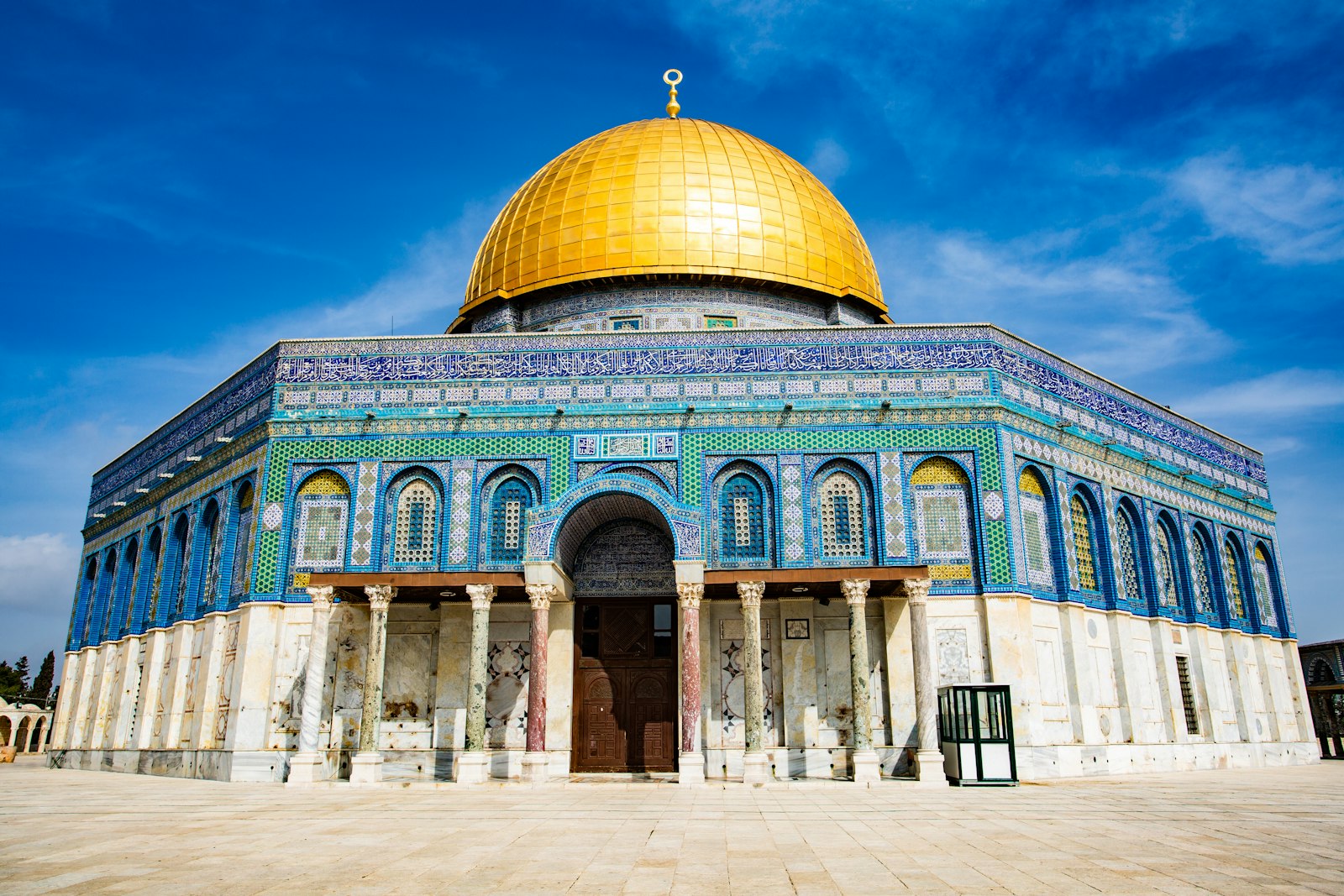
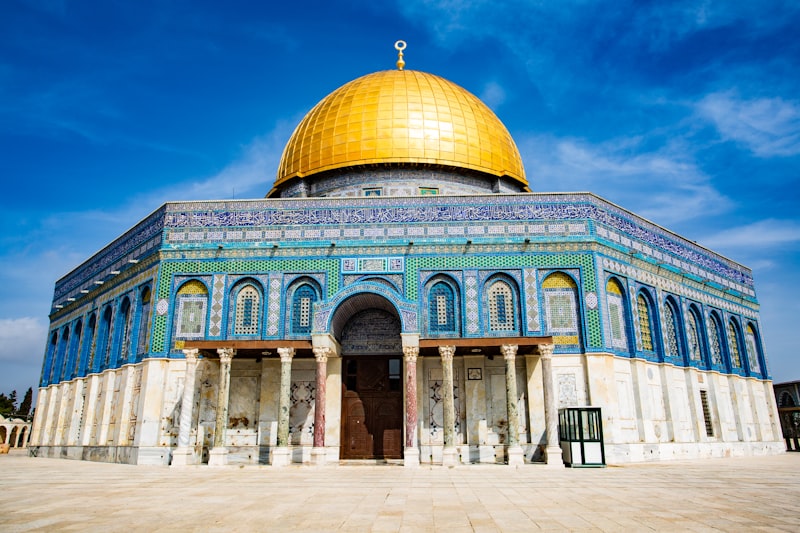
Tel Aviv is casual and beach-y. Jerusalem is more conservative — cover shoulders and knees at religious sites (Western Wall, churches, Temple Mount). Bring a scarf or shawl. The Old City has uneven stone — wear comfortable shoes.
💵 Tipping
Restaurants: 10–15% (service charge usually NOT included). Taxis: round up. Hotels: $1–2 per bag for porters. Tour guides: $5–15 per day. Always check your bill before tipping.
🍷 Religion & food
Most restaurants in Tel Aviv are not strictly kosher and stay open on Shabbat. In Jerusalem most are kosher and close Friday afternoon to Saturday evening. Pork is rare but available. Arab restaurants serve halal and stay open all week.
📱 Mobile & internet
Buy an Israeli SIM at the airport (Pelephone, Cellcom, Partner — ~$15 for 30 days unlimited) or use an eSIM (Airalo). 4G/5G is excellent everywhere. Free WiFi in cafés, hotels, malls.
🌈 LGBTQ+ travel
Tel Aviv is one of the most LGBTQ+-friendly cities in the world (Pride is huge in June). Jerusalem and other religious areas are more conservative — be discreet. Same-sex couples are welcome in hotels everywhere.
🗓️ Suggested itineraries
First-timers usually have 5–10 days. Here's what we recommend by trip length.
Essential Israel
Tel Aviv + Jerusalem
Day 1–2 Tel Aviv (Jaffa, beaches, food). Day 3 day-trip to Jerusalem. Day 4 Old City Jerusalem deep dive. Day 5 Mahane Yehuda + Yad Vashem.
Classic Israel
+ Dead Sea & Masada
Add Day 5: Masada sunrise + Ein Gedi + Dead Sea floating. Day 6: Bethlehem half-day from Jerusalem. Day 7: free.
Israel Discovery
+ Eilat & Negev
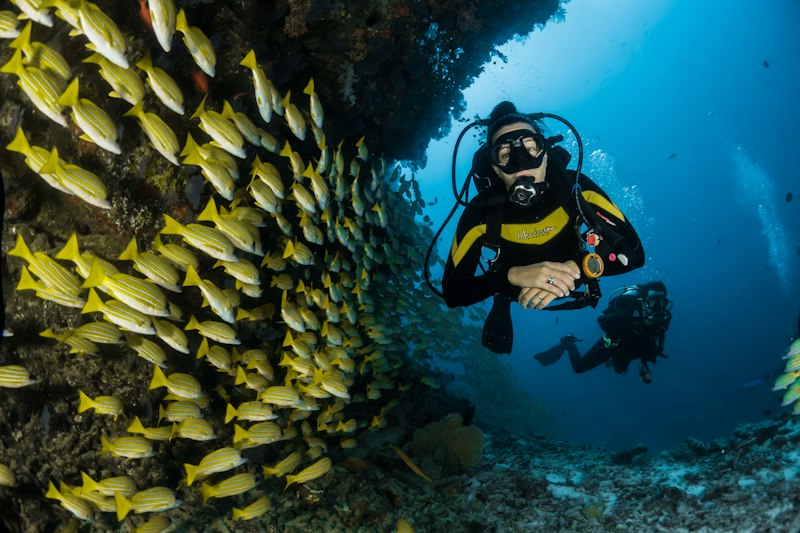
Add 2 days in Eilat (diving, Petra day trip) + 1 day in Mitzpe Ramon (crater + stargazing).
Complete Israel
+ Galilee & Haifa
Add Galilee (Sea of Galilee, Nazareth, wineries) and Haifa (Bahá'í Gardens) to the 10-day route.
🎁 Free 7-Day Israel Itinerary PDF
Get our complete 7-day Israel itinerary delivered to your inbox — plus monthly insider tips, hidden gems, and seasonal travel deals.
No spam. Unsubscribe anytime. We never share your email.