The Israeli food guide
Hummus, sabich, shakshuka, markets, wineries, and where to eat in each city. A complete guide for hungry travelers.
Start eatingIsraeli food is a melting pot of Jewish immigrant traditions — Yemenite, Iraqi, Moroccan, Persian, Ethiopian, Russian — layered over Palestinian Arab cooking and a vibrant modern Mediterranean scene. In one country you can eat legendary hummus in a Jaffa hole-in-the-wall, sabich from a Tel Aviv street cart, Yemenite soup at a Mahane Yehuda family spot, a vegan fine-dining tasting menu (Tel Aviv is the world\'s most vegan-friendly city), and end the night with Golan Heights wine on a Galilee hillside. This guide tells you what to order, where to order it, how much to pay, and which markets and tours are worth it.
By Sebastian · Travel Writer
📍 Based in Tel Aviv, Israel · Last updated
The breakfast that defines Israeli mornings
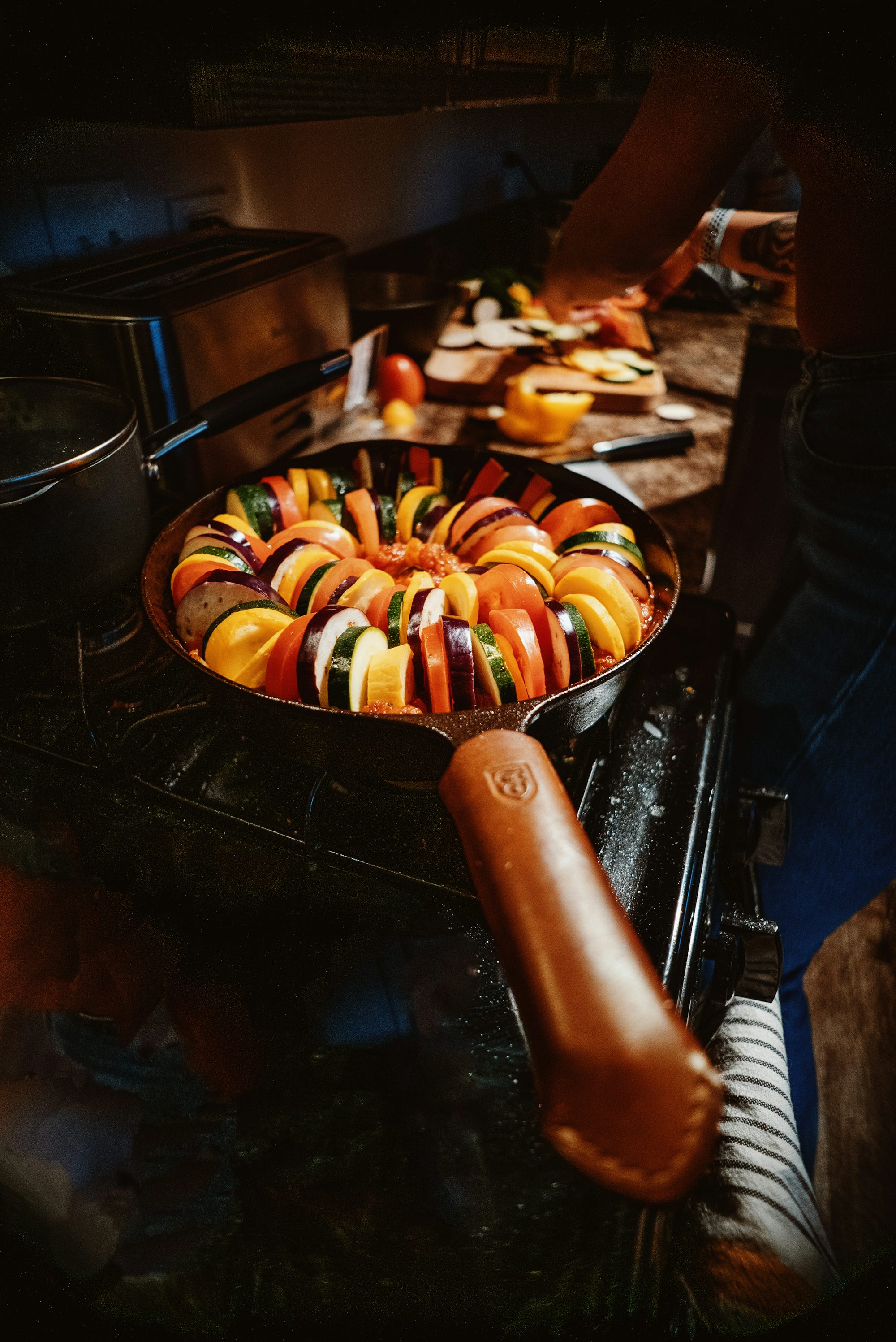
Shakshuka is the Israeli breakfast that travelers go home dreaming about — eggs cracked into a bubbling pan of spiced tomato, peppers, garlic, cumin, and paprika, served straight from the cast iron with warm challah or pita to mop it up. North African Jewish in origin, it became Israel's national breakfast in the 1950s when immigrants from Tunisia and Libya brought it home. Get the original at Dr. Shakshuka in Jaffa, the trendy version at Benedict across Tel Aviv, or a Yemenite-style red one at any Mahane Yehuda café in Jerusalem. $10–18, never more.
The 10 dishes you must try
1. Hummus (חומוס)
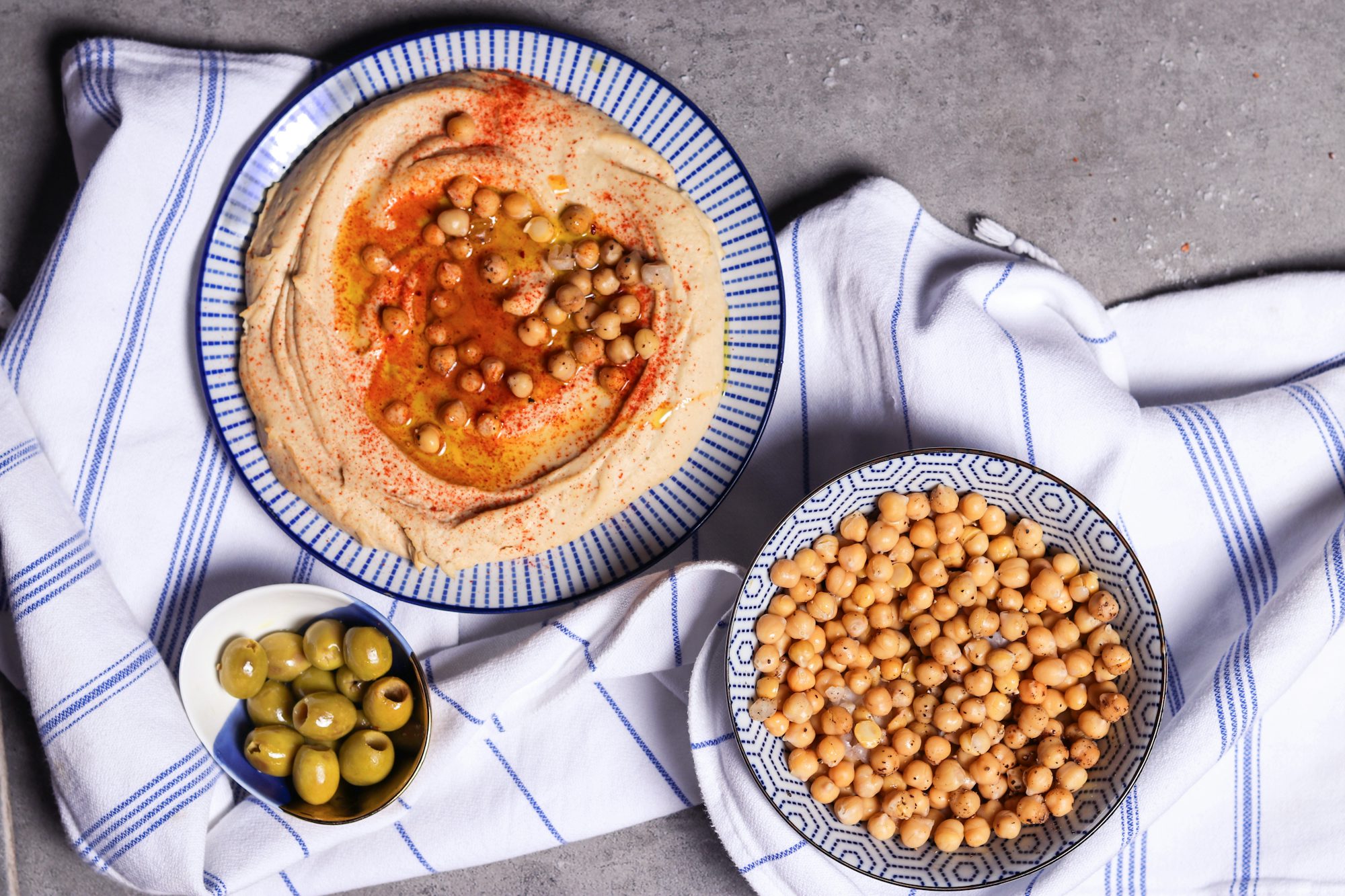
Not the supermarket stuff. Order hummus masabacha at a dedicated hummusia — warm chickpeas, tahini, olive oil, za\'atar, scooped with warm pita. Best: Abu Hassan (Jaffa), Hummus Pinati (Jerusalem), Hummus Eliyahu (Tel Aviv). $8–12.
2. Sabich (סביח)
Iraqi Jewish street food: fried eggplant, boiled egg, hummus, tahini, amba (mango pickle), Israeli salad, potato — all in pita. Best: Sabich Tchernihovsky (Tel Aviv). $6–8.
3. Shakshuka (שקשוקה)
Eggs poached in spiced tomato and pepper sauce, served bubbling in a cast iron pan with challah or pita. Originally North African Jewish. Order at any café for breakfast. $10–18.
4. Falafel (פלאפל)
Deep-fried chickpea balls in pita with tahini, Israeli salad, pickles, fries. The default cheap lunch. Best: Falafel HaKosem (Tel Aviv), Falafel Gabay (Jerusalem). $5–8.
5. Shawarma (שווארמה)
Slow-roasted spiced meat (usually turkey or lamb in Israel) shaved from a vertical spit, served in laffa bread or pita with tahini, salads, pickles, and fries. $8–12.
6. Israeli breakfast (ארוחת בוקר ישראלית)
Eggs + dozens of small plates: Israeli salad, labneh, tahini, olives, cheese, bread, jam, tuna salad, avocado. Kibbutz origin, now a café institution. Benedict (Tel Aviv) is famous for it. $16–26.
7. Kubbeh (קובה)
Iraqi/Kurdish stuffed meat dumplings in a tangy beetroot or tomato soup. Deep, warming, traditional. Find at Mahane Yehuda — Azura is legendary. $15–22.
8. Malawach (מלוואח)
Flaky Yemenite fried bread — pastry-like, layered, greasy, served with grated tomato, hardboiled egg, and zhug (hot sauce). $8–14.
9. Knafeh (כנאפה)
Palestinian dessert: sweet cheese topped with shredded phyllo, baked, drenched in rose syrup, crowned with pistachios. Best: Akko (Acre) Old City — stalls make it fresh all day. $5–9.
10. Jachnun (ג\'חנון)
Yemenite slow-baked bread log (12+ hours) traditionally eaten Shabbat morning with grated tomato, hardboiled egg, zhug. Trek to a Yemenite bakery Friday night or Saturday morning. $7–12.
Food prices reference
Real prices verified April 2026 — street food to fine dining.
| Category | 💰 Backpacker budget conscious | 💰💰 Mid-range comfortable | 💰💰💰 Luxury premium |
|---|---|---|---|
| 🥙 Hummus bowl + pita + salads | $7–9 | $11–15 | $15–22 |
| 🧆 Falafel pita (street) | $5–7 | $7–9 | — |
| 🥖 Sabich (street) | $6–8 | $8–10 | — |
| 🌯 Shawarma pita / plate | $6–10 / $14 | $10–14 / $18 | $20+ |
| 🍳 Shakshuka (café breakfast) | $10–14 | $14–20 | $22+ |
| ☕ Israeli breakfast (cafés) | $14–20 | $22–32 | $35+ |
| 🍽️ Dinner for 2 (mid-range) | $30–45 | $50–90 | $150–300+ |
| 🍷 Wine by the glass | $6–9 | $9–14 | $18+ |
| 🧃 Fresh squeezed juice (street) | $3–5 | $4–6 | — |
| ☕ Espresso / cappuccino | $3 / $4 | $4 / $5 | $5–7 |
Updated April 2026 · prices in USD
Where to eat city by city
🏖️ Tel Aviv — Israel\'s food capital
Everything is here. Carmel Market + Levinsky Market for street food. Neve Tzedek + Florentin for trendy restaurants. Jaffa for traditional hummusim and the best seafood. Fine dining spots like OCD, Port Sa\'id, Claro, and the original Dr. Shakshuka. Tel Aviv is almost entirely non-kosher and the most vegan-friendly city in the world.
🕍 Jerusalem — tradition and immigrant food
Mahane Yehuda market is the cultural soul of Jerusalem food: Iraqi, Kurdish, Moroccan, Yemenite, Georgian, Uzbek — all the Jewish diaspora traditions in small family spots. Machneyuda restaurant (right next to the market) is the famous modern take. Machneyuda by day, Azura for kubbeh, Pinati for hummus, Marzipan bakery for rugelach.
🌷 Haifa — Arab food heaven
Wadi Nisnas is Haifa\'s Arab Christian neighborhood and a food pilgrimage site. Falafel Michel, Abu Yousef hummus, and dozens of small spots serving the best Palestinian cooking in Israel. The German Colony has more upscale options. Open Saturdays (unlike most of Jewish Israel).
🌊 Galilee + Golan — wine country + farm-to-table
30+ boutique wineries (Bravdo, Pelter, Golan Heights Winery, Tishbi) with tastings + tours. Farm-to-table spots like Shamka\'s at Pelter and cheese farms in the Golan. Stop in Nazareth for Palestinian home cooking — Diana and Al Reda are legendary.
🤿 Eilat — resort food + Red Sea seafood
Mostly hotel dining and tourist restaurants, but some gems: Pastory for Italian, The Last Refuge for fresh fish, Giraffe for pan-Asian with harbor views. Stays open through Shabbat. Budget to splurge depending on hotel zone.
Food tours and experiences
Handpicked food tours verified April 2026.
Tel Aviv Carmel Market Food Tour
Walk through Israel's most famous market with a local foodie guide. 8+ tastings — hummus, halva, rugelach, olives, sabich, cheeses, spices. 3 hours, small group, includes market history and cooking tips.
Jerusalem Mahane Yehuda Market Tour
Jerusalem's sprawling food market with a local chef. Taste Iraqi kubbeh, Kurdish sambusak, Yemenite malawach, Georgian khachapuri — the immigrant food traditions that built Israeli cuisine. 3 hours.
Galilee + Golan Wine Tour
Full-day tour through 3 boutique wineries in Galilee/Golan Heights wine country. Includes guided tastings, cheese pairings, vineyard tour, and a farm-to-table lunch. Transport from Tel Aviv or Tiberias.
🎁 Free 7-Day Israel Itinerary PDF
Get our complete 7-day Israel itinerary delivered to your inbox — plus monthly insider tips, hidden gems, and seasonal travel deals.
No spam. Unsubscribe anytime. We never share your email.