Jerusalem rewards a structured first visit. Three days is the right length to walk through every Old City quarter, anchor a serious West Jerusalem day around Yad Vashem and a panorama from the Mount of Olives, and still pull off one major day trip — Dead Sea and Masada at sunrise, Bethlehem for the Church of the Nativity, or a Mediterranean swim in Tel Aviv. This itinerary covers each of those choices in turn, with the practical decisions a first visit needs: where to start each morning, where the affiliate-driven tours pay for themselves, and where independent walking is fine.
The pacing assumes a Sunday-to-Tuesday or Monday-to-Wednesday arrival; Friday-to-Sunday works but you swap day two and day three around Shabbat closures. Local opening hours, especially around the Jewish, Christian and Muslim festival calendars, drive most of the timing decisions, so the prep section comes first.
Before You Go: Practical Tips for Three Days in Jerusalem
Where to stay. Five practical neighbourhoods cover every budget. Mamilla and the city centre sits just outside Jaffa Gate, walking distance to both the Old City and the West Jerusalem nightlife — the default for first visits. Inside the Old City walls is atmospheric (stone-arched alleys, dawn calls to prayer) but the Quarters shut after dark and dinner options are thin. German Colony and Baka are leafy residential streets fifteen minutes by light rail south of the centre; boutique guesthouses in restored Templer houses. Mahane Yehuda area puts you a block from the food market — a draw for food-focused trips. East Jerusalem around Damascus Gate is the most international option, cheaper, walkable to the Old City.
How to get to Jerusalem. International flights land at Ben Gurion Airport (TLV) near Tel Aviv, forty-five kilometres west of Jerusalem. Eilat’s Ramon airport handles a few European seasonal flights only. From TLV, the Yitzhak Navon high-speed train is the fastest option at thirty minutes door-to-door; it runs every thirty minutes during the week and pauses from Friday afternoon to Saturday evening for Shabbat. Sherut shared taxis run 24/7 including Shabbat for a slightly higher fare. A private taxi takes fifty to seventy minutes.
Travel insurance is worth carrying for any Israel trip. Hospital costs are reasonable but not negligible, and most travel cards cover only a partial spectrum. Cash and cards. ATMs are everywhere; most restaurants and shops accept Visa and Mastercard; small market stalls and shared taxis are cash-only. Dress code. Cover shoulders and knees at every religious site; men need a head covering at the Western Wall (paper kippot provided); women should bring a scarf or pashmina for churches, mosques and the plaza.
Day 1 — The Old City: All Four Quarters in One Day
Day one is the long-walk day. Plan to be inside the walls by eight in the morning and stay until dinner, breaking only for a long lunch.
Morning — Western Wall and the Holy Sepulchre
Start at the Western Wall plaza, fifteen minutes from any city-centre hotel via Jaffa Gate. The plaza is open 24 hours; the morning light on the Herodian stones is the best photograph of the day. Men collect a paper kippah at the entrance; women cover shoulders and knees. Spend forty-five minutes here — touch the stones, watch the worshippers, slip a folded prayer into a crack if you want.
From the Western Wall, walk five minutes north through the Jewish Quarter and into the Christian Quarter to the Church of the Holy Sepulchre. The basilica opens at 04:00 most days; arrive by 09:00 and you beat the morning queues at the Aedicule. Six denominations share the building under the Status Quo agreement of 1852 — you will see Greek Orthodox, Roman Catholic, Armenian Apostolic, Coptic, Syriac and Ethiopian sections each maintaining their own clergy. Modest dress, no photography during services.
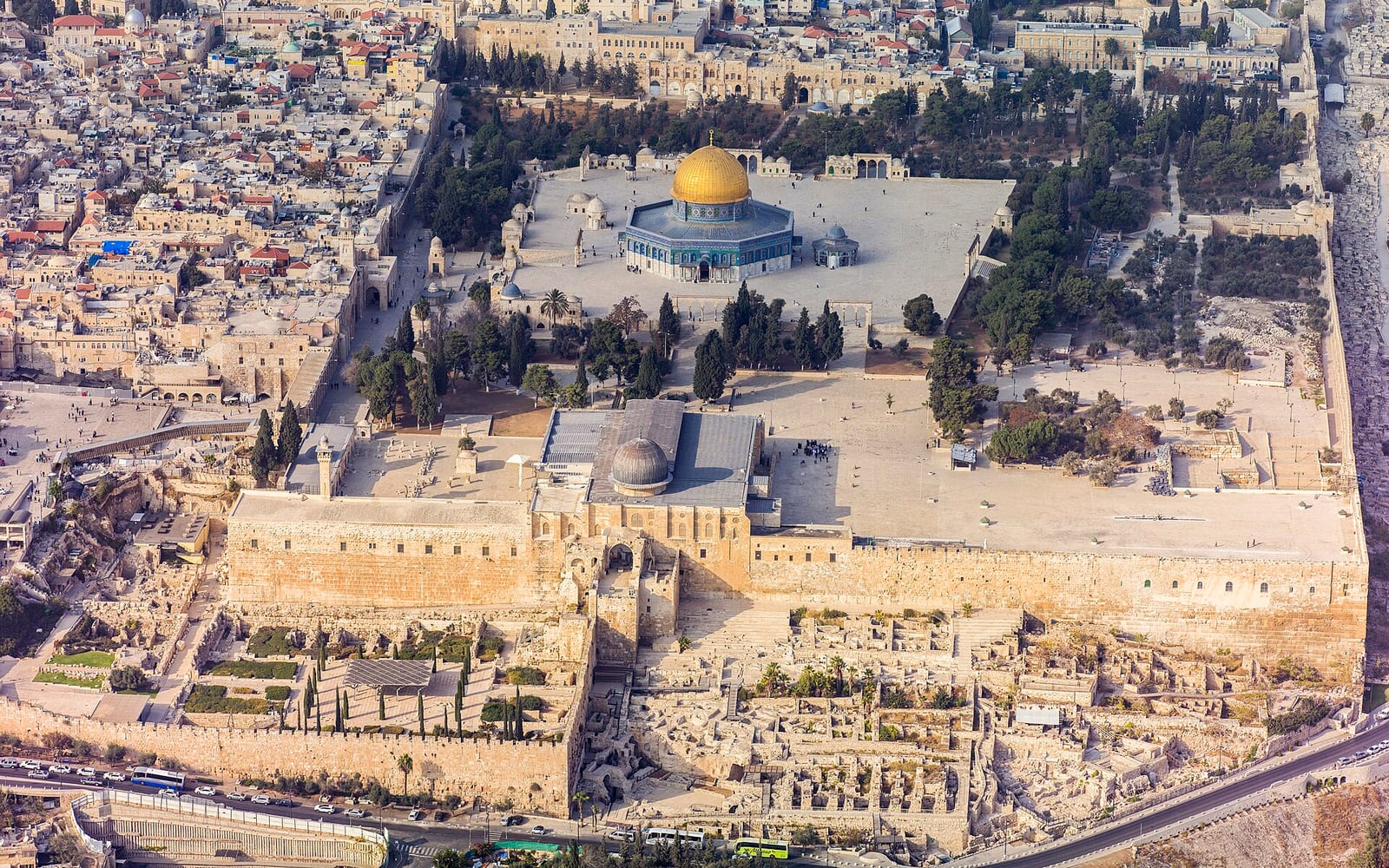
If your dates align, the Temple Mount / Haram al-Sharif non-Muslim entry windows are typically Sunday to Thursday from 07:30 to 10:30 and again from 12:30 to 13:30. Entry to the Dome of the Rock and Al-Aqsa Mosque is currently limited to Muslim worshippers; non-Muslim visitors walk the platform. The Mughrabi Bridge from the Western Wall plaza is the only non-Muslim entry.
Afternoon — Old City Quarters Walking Tour
After lunch in the Muslim Quarter (falafel from a Souk Khan al-Zeit stand or Armenian boureks from Sandrouni’s bakery near Jaffa Gate), join a guided walk through the Old City Quarters. The pacing and context — Status Quo politics, Roman Cardo excavations, rooftop viewpoints — are the single best investment for a first Old City visit.
Evening — Mahane Yehuda for Dinner
End day one in Mahane Yehuda — usually called “the shuk.” From Thursday night onwards, the daytime market alleys transform into the city’s best bar street, packed until two in the morning. Eat your way through slowly: Marzipan Bakery for rugelach if it is still open, then dinner at Machneyuda or Hatch, or a casual flight of natural wines at Beer Bazaar. The market exit on Agripas Street is ten minutes from the city centre on foot.
Day 2 — West Jerusalem and the Mount of Olives
Day two trades the dense Old City for the open, modern half of the city.
Morning — Yad Vashem
Start at Yad Vashem, Israel’s central Holocaust memorial, on the western edge of the city. Plan three full hours for the Holocaust History Museum alone; the campus also includes the Children’s Memorial and the Hall of Names. Entry is free; closed on Saturdays and Jewish holidays. Photography is restricted inside the buildings. The museum is emotionally heavy — leave time for a quiet coffee afterwards at the on-site café.
If you want a half-day guided visit that handles transport from your hotel and includes a structured walk through the exhibits with a survivor or scholar guide, an organised tour saves logistical friction.
Afternoon — Israel Museum and Mount of Olives Panorama
After Yad Vashem, the Israel Museum is a fifteen-minute taxi north; the Shrine of the Book houses the Dead Sea Scrolls, the outdoor Second Temple Model maps Jerusalem at the year 66 CE, and the archaeology wing is one of the world’s strongest collections of Levantine antiquity. Allow at least two hours.
Late afternoon, taxi to the Mount of Olives ridge for the sunset panorama over the Old City and the Temple Mount. The Mount of Olives view is the iconic Jerusalem photograph — silver-grey domes against gold stone, with the Mount of Olives Jewish cemetery sloping down toward the Kidron Valley. Walk down the ridge into the Garden of Gethsemane and the Church of All Nations if you have an hour.
Evening — Mahane Yehuda Food Tour or Slow Dinner
Back to Mahane Yehuda for a second evening — a Thursday-night food tour walks through the market and into the bar alleys, with stops at four to six vendors for halva, hummus, baklava and wine. If you went to Mahane Yehuda last night, try Emek Refaim in the German Colony instead — Caffit and Tmol Shilshom anchor the street.
Day 3 — Day Trip from Jerusalem
Three options work as a day trip from Jerusalem. Pick one; all three are full-day commitments.
Option A — Dead Sea and Masada (Recommended)
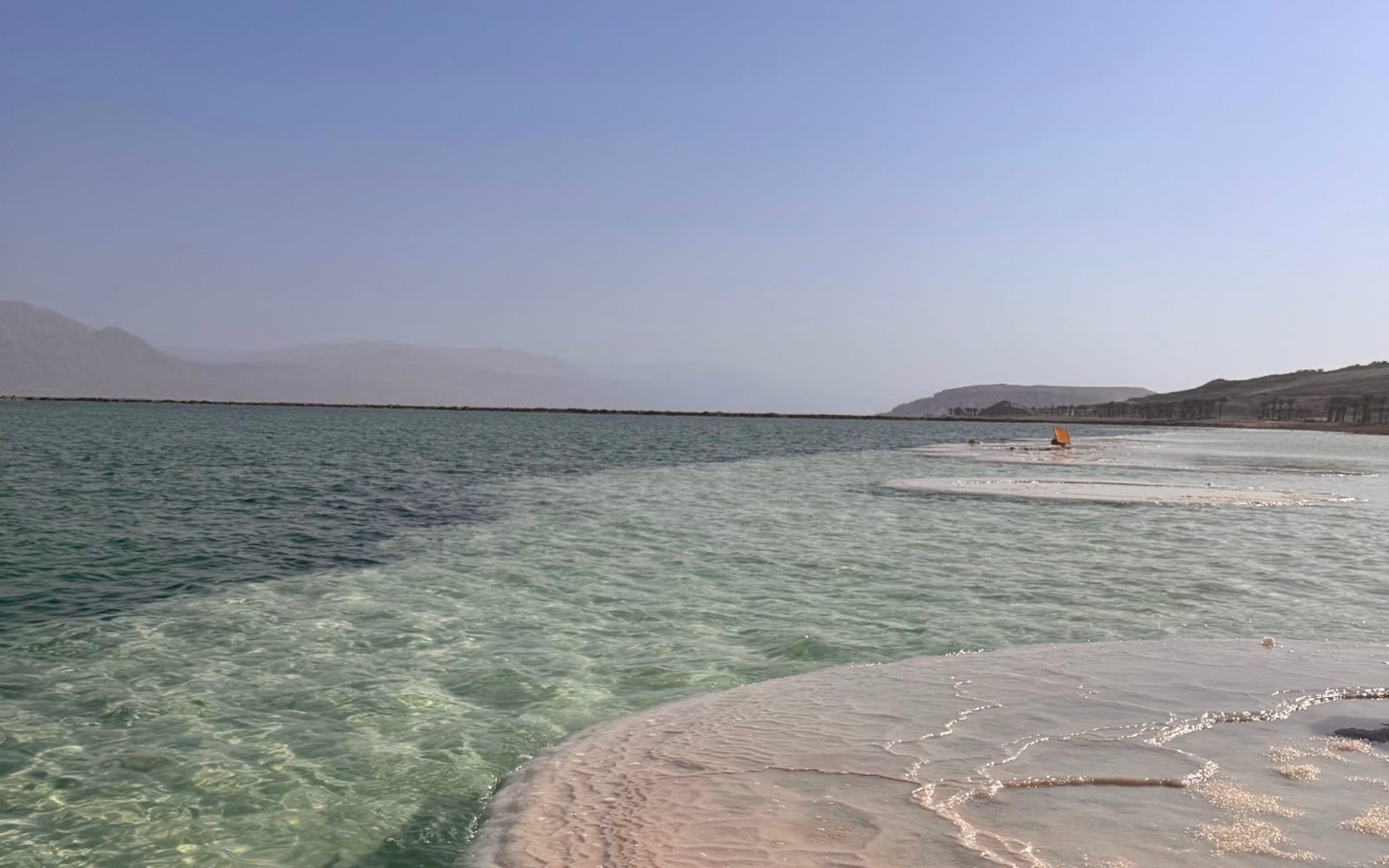
The classic Jerusalem day trip. Pre-dawn pickup, sunrise climb of Masada (the Snake Path takes about an hour each way, or the cable car runs from 08:00), breakfast on the summit, descent to Ein Gedi for a short waterfall hike, and a float in the Dead Sea before lunch. The whole trip lands you back in Jerusalem by mid-afternoon. The mineral mud is the photograph; the float is the experience. Bring sandals — Dead Sea beach pebbles are sharp — and rinse thoroughly afterwards.
Option B — Bethlehem
Bethlehem sits eight kilometres south of Jerusalem. The city is in the West Bank under Palestinian Authority administration; travel involves the Gilo crossing where you carry your passport. Guided tours from Jerusalem cover the Church of the Nativity, the Milk Grotto and the Banksy-painted separation wall, and they handle the crossing logistics in both directions. Independent travel is possible by Arab bus 21 from the East Jerusalem central bus station, though tours are smoother. There is no canonical guide page on this site for Bethlehem in 2026 — the administrative situation is in flux and we prefer to point readers to a tour operator who handles current conditions rather than publish a guide we cannot keep current.
Option C — Tel Aviv and Jaffa
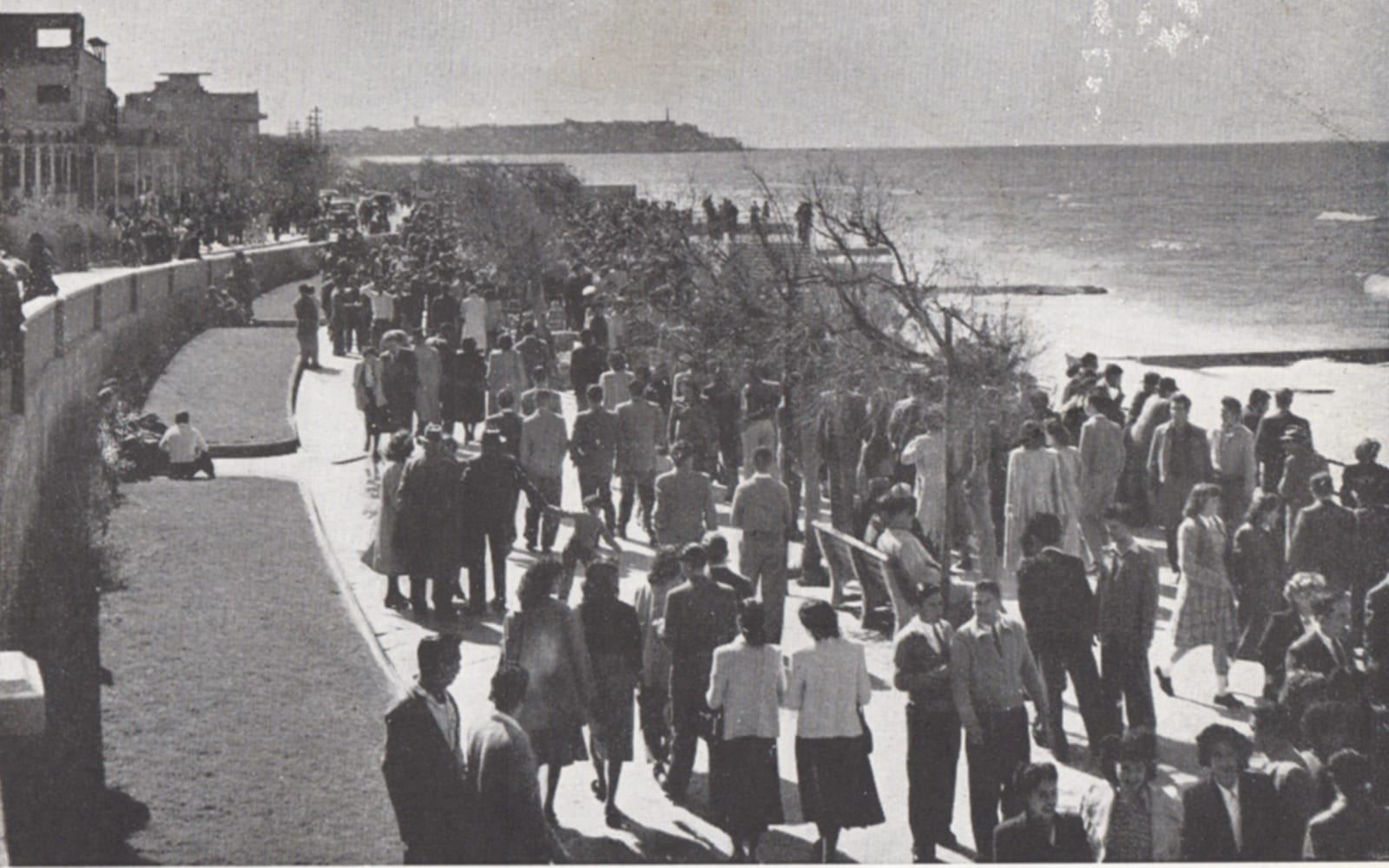
Tel Aviv is an hour west of Jerusalem by train. Most visitors save Tel Aviv for a dedicated two- or three-day side trip rather than a Jerusalem day trip, but the train link is fast enough that a day visit is realistic if you want one Mediterranean swim. Walk the Tel Aviv promenade, eat lunch in Jaffa’s flea market, climb to the Old Jaffa lookout for the city panorama, and train back to Jerusalem by sunset. Skip this if it is your first Israel trip — Tel Aviv deserves more than a day.
Bonus Option — Add City of David if You Have an Extra Half-Day
If your three days stretch to three-and-a-half, the City of David archaeological park sits just outside Dung Gate from the Western Wall plaza. Hezekiah’s Tunnel is the headline experience — a Bronze-Age water-channel walk in ankle-deep water with a torch. The City of David / Silwan area carries administrative-status complexity worth reading about before you visit; the park itself is operated by an Israeli NGO and the surrounding neighbourhood is a working Palestinian residential area.
What to Skip on a Three-Day Trip
Honest editorial: if you only have three days, skip the Tower of David Sound and Light show in favour of a longer evening at Mahane Yehuda — the show is well-produced but takes ninety minutes you can spend better. Skip Mount Zion (Cenacle, Dormition Abbey, David’s Tomb) on a first visit; the sites are evocative but historical claims are layered and a guide is essential, which a tighter day-two does not afford. Skip the Garden Tomb if you have already done the Church of the Holy Sepulchre — the alternative crucifixion site is a serene garden but devotional rather than archaeological.
When to Visit Jerusalem for a Three-Day Trip
The two windows worth flying for are March to May and September to November. Spring delivers wildflowers in the Judean Hills and the Easter / Passover convergence. Autumn brings the High Holidays. Both shoulder seasons keep daytime highs in the low 20s Celsius and evening lows around 10 to 13 — perfect for the inevitable hours on your feet. Summer is hot and crowded; winter is cool and occasionally snowy. Full guidance on timing windows and the holiday calendar is in our Jerusalem main guide.
Frequently Asked Questions
The FAQ entries above answer the most common questions about visiting Jerusalem on a tight three-day trip — from whether three days is enough, through how to handle Shabbat and where to stay, to whether you need to pre-book tours. The schema-driven FAQPage rendered at the bottom of this page surfaces these to search engines so travellers find them directly from a Google result.