
Compare All Car Rental Companies
Search every major rental company in Israel at once and book the best price, with free cancellation on most cars.
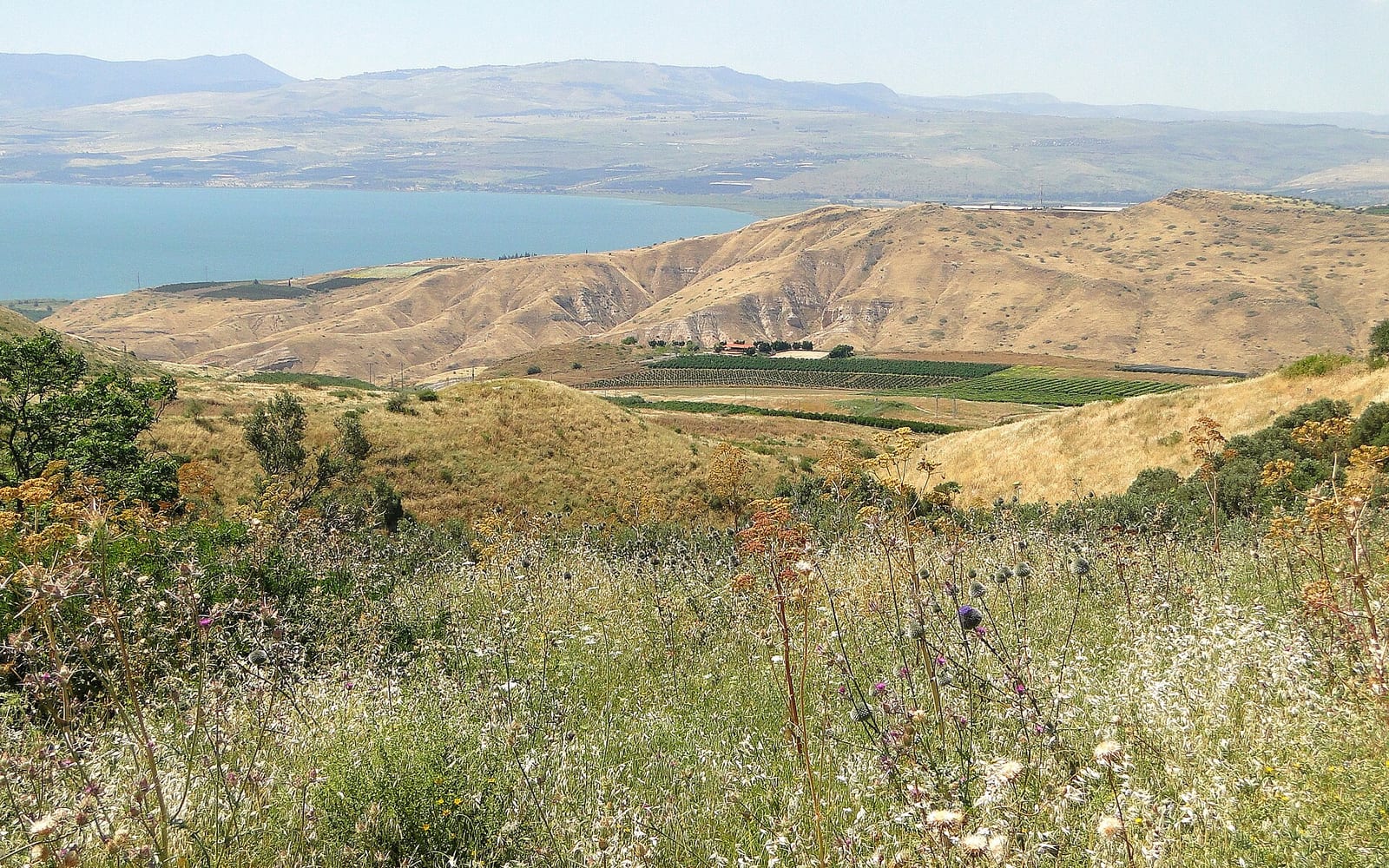
Photo: Godot13 · Wikimedia Commons · CC BY-SA 4.0
By The Visit Israel Editorial Team · Last updated
Affiliate disclosure:some links below are affiliate links. If you book through them we may earn a small commission at no extra cost to you. It helps keep this guide free.
Search every major rental company in Israel at once and book the best price, with free cancellation on most cars.
Pick up at Ben Gurion Airport and drop off in the city — wide choice and flexible terms.
Israel is small and the trains are excellent between the main cities — so you do not always need a car. But for the spread-out north and the desert south, a rental transforms the trip. Here is when to rent, what to know, and where to book.
Skip the car for the Tel Aviv–Jerusalem–Haifa corridor — trains and buses are faster and cheaper once you factor in city parking.
Rent a car for the Galilee, Golan Heights and Negev, where sights like wineries, viewpoints and the Makhtesh Ramon crater are scattered and transit is sparse. A common strategy: do the cities by train, then rent for two or three days in the north or south.
Not sure if your specific itinerary needs one? Try the Should I rent a car in Israel? quiz — answer six questions about your cities, nature sites and Shabbat plans and get a personalised recommendation. Once you know you need a car, see the Israel car rental company comparison to choose between Eldan, Hertz, Avis, Sixt and the aggregators.
Choose a category based on your itinerary. All rates are indicative ranges only — always compare live prices, as availability and season move them significantly.
| Category | Best for | Typical daily rate | Notes |
|---|---|---|---|
| Economy (e.g. Hyundai i10) | Solo / couple, city touring, easy budget | ~$25–45 off-peak; $45–70 peak | Tight for luggage; fine for 2 people |
| Compact / hatchback (e.g. Hyundai i30, VW Golf) | Couples or small families, most itineraries | ~$35–60 off-peak; $55–90 peak | Most popular choice; good mix of economy and comfort |
| Sedan / mid-size (e.g. Toyota Corolla, Mazda 3) | Families of 3–4, longer journeys | ~$45–75 off-peak; $70–110 peak | Better highway comfort; more boot space |
| SUV / crossover (e.g. Mazda CX-5, Mitsubishi Outlander) | Galilee and Negev mountain roads, families with luggage | ~$65–110 off-peak; $100–160 peak | Recommended for Golan dirt roads or desert tracks; not required for paved Negev routes |
| 7-seater / minivan | Groups of 5–7 | ~$90–150 off-peak; $140–200 peak | Book well in advance; availability limited |
Peak season runs roughly July–August and the Jewish high-holiday period (September–October). Spring (March–May) and autumn (November) offer a middle ground of good weather and lower rates.
Rates vary by season and demand; booking ahead and comparing companies saves the most. Use the comparison tools above to see every supplier at Ben Gurion Airport and city depots at once.
Common extras to budget for:
Sort your eSIM for navigation data and travel insurance before you go, and if you would rather not drive from the airport, see Ben Gurion airport transfers. If you want a full day-by-day self-drive plan, the Israel road trip itinerary maps a 7-day clockwise loop from Tel Aviv through the north, Golan, Jordan Valley, Dead Sea and Negev. Short on time? The Northern Israel road trip covers the 3–4 day Galilee + Golan circuit as a standalone guide. For the most scenic routes in the country — from the Negev Highway 40 to the Golan border road and the Dead Sea shore — see the best scenic drives in Israel guide. For road conditions, fuel and city-by-city parking tips, see the driving in Israel guide. Planning a seasonal farm-picking trip? The Israel agritourism guide maps the strawberry, cherry and date harvest seasons — all require a car to reach.
Not for the main cities — fast trains and buses link Tel Aviv, Jerusalem, Haifa and the coast. A car is worth it for the Galilee, Golan Heights and Negev, where attractions are spread out and public transport is limited. Many travellers rent for just those days.
Yes — a rental car is one of the best ways to stay mobile on Shabbat, when trains and most buses stop. Note that many rental offices close from Friday afternoon to Saturday evening, so collect and return the car around those hours.
Most Israeli rental contracts do not permit taking the car into Jordan or, often, parts of the West Bank — and insurance may be void there. Always check the terms, and for Petra use an organised tour rather than your rental.
A valid driving licence (an International Driving Permit alongside your home licence is recommended), a credit card in the main driver name, and usually a minimum age of 21 to 24. Drive on the right; roads and signage are good and largely in English too.
The common add-ons are: collision damage waiver (CDW) excess reduction or waiver, theft protection, young-driver fee (typically under 25), one-way/cross-depot drop-off surcharge, and GPS navigation. Some credit cards include rental CDW internationally — check before you buy the rental company version.
Automatics are widely available and recommended, especially in cities like Jerusalem and Tel Aviv where traffic and hills make manual driving more demanding. Automatics also cost slightly more but are worth it for most visitors. Manuals are available at a lower rate if you are comfortable with them.