Jerusalem Old City: Guided Walking Tour
Walk the four quarters with a local guide — the Western Wall, the Holy Sepulchre and the Via Dolorosa in half a day.
An independent guide to 7 regions — from Jerusalem to the Red Sea — with itineraries, hotel guides and trusted booking links.
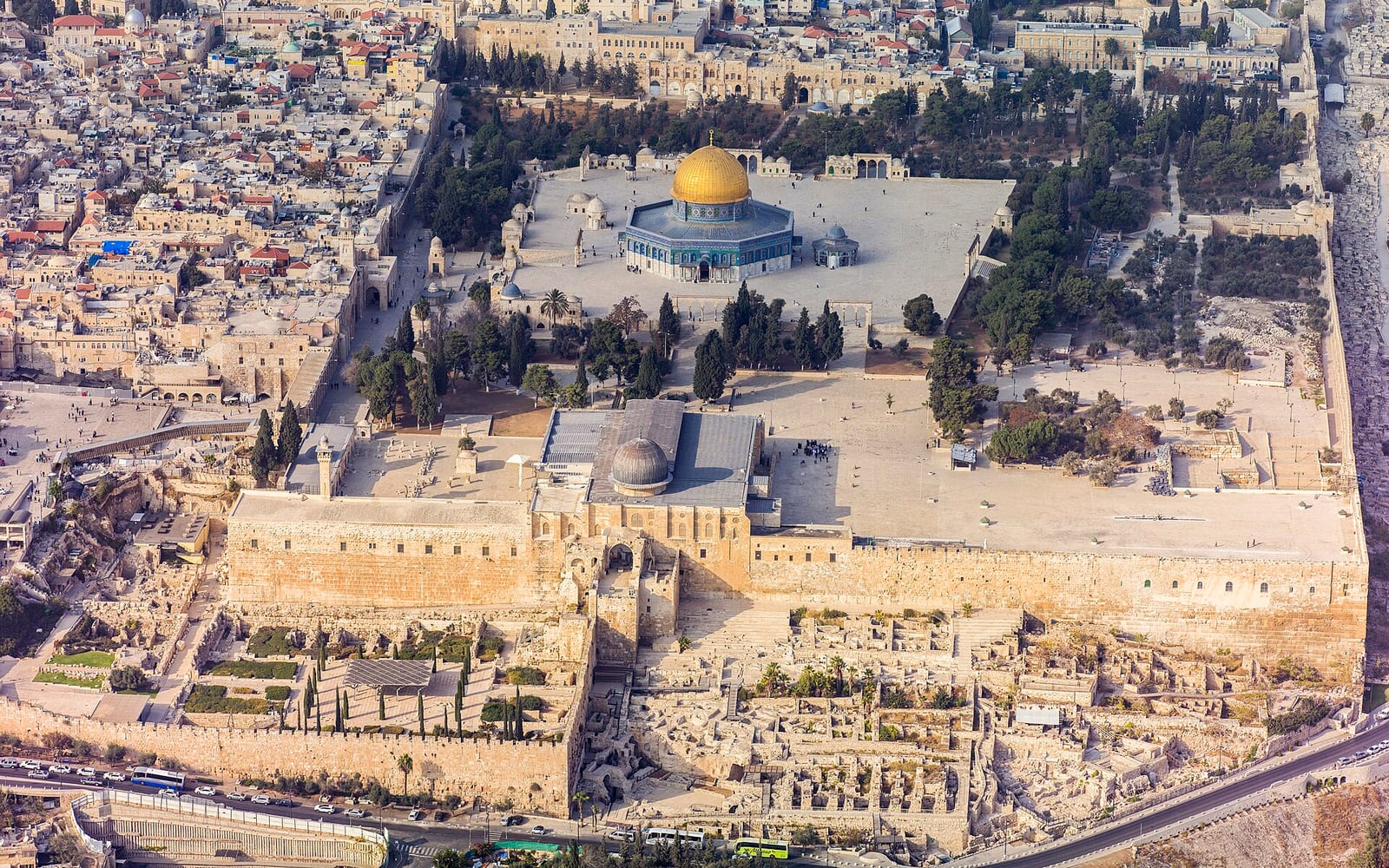
Plan your itineraryPhoto: Godot13 · Wikimedia Commons · CC BY-SA 4.0
Israel packs four millennia of history, three major faiths and an astonishing range of landscapes into a country roughly the size of New Jersey. In a single week you can stand at the Western Wall in Jerusalem, swim off the Mediterranean beaches of Tel Aviv, float in the Dead Sea — the lowest point on Earth at 430 m below sea level — and dive Red Sea coral reefs in Eilat. Most visitors arrive at Ben Gurion Airport (TLV) near Tel Aviv; from there trains and buses reach most of the country. The best times to visit are spring (March–May) and autumn (September–November), when the weather is mild. This guide covers 7 regions — Jerusalem, Tel Aviv, the Dead Sea, the Galilee, Eilat, the Negev and Haifa — with itineraries of 7 and 10 days, the best hotels and tours compared, and practical advice on visas, safety and car rental.
Where to go
Israel's spiritual heart
Old City quarters, the Western Wall and the Church of the Holy Sepulchre, with day trips to the Dead Sea.
Explore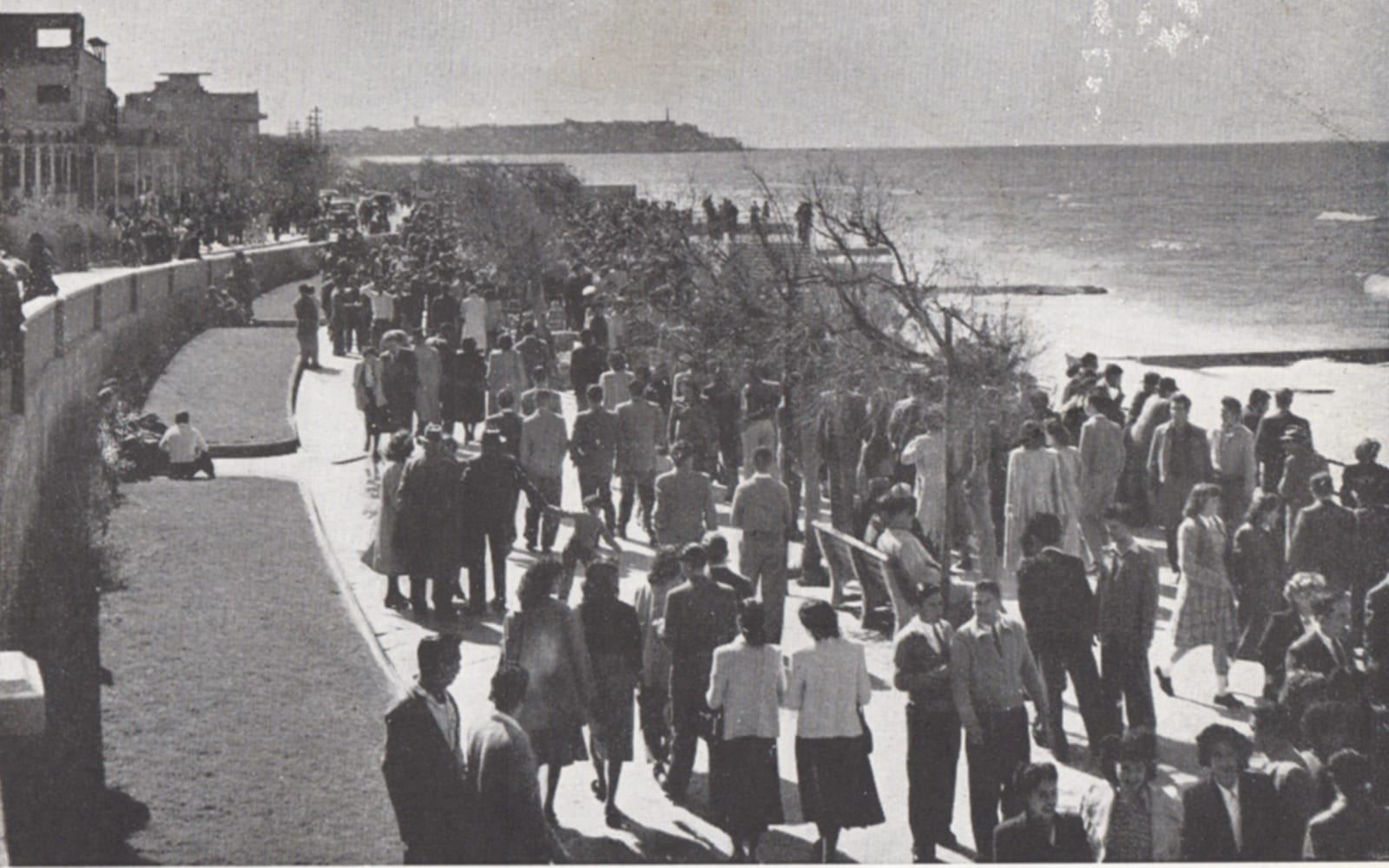
Mediterranean cool
Golden beaches, Bauhaus architecture and a 24-hour food, art and nightlife scene.
Explore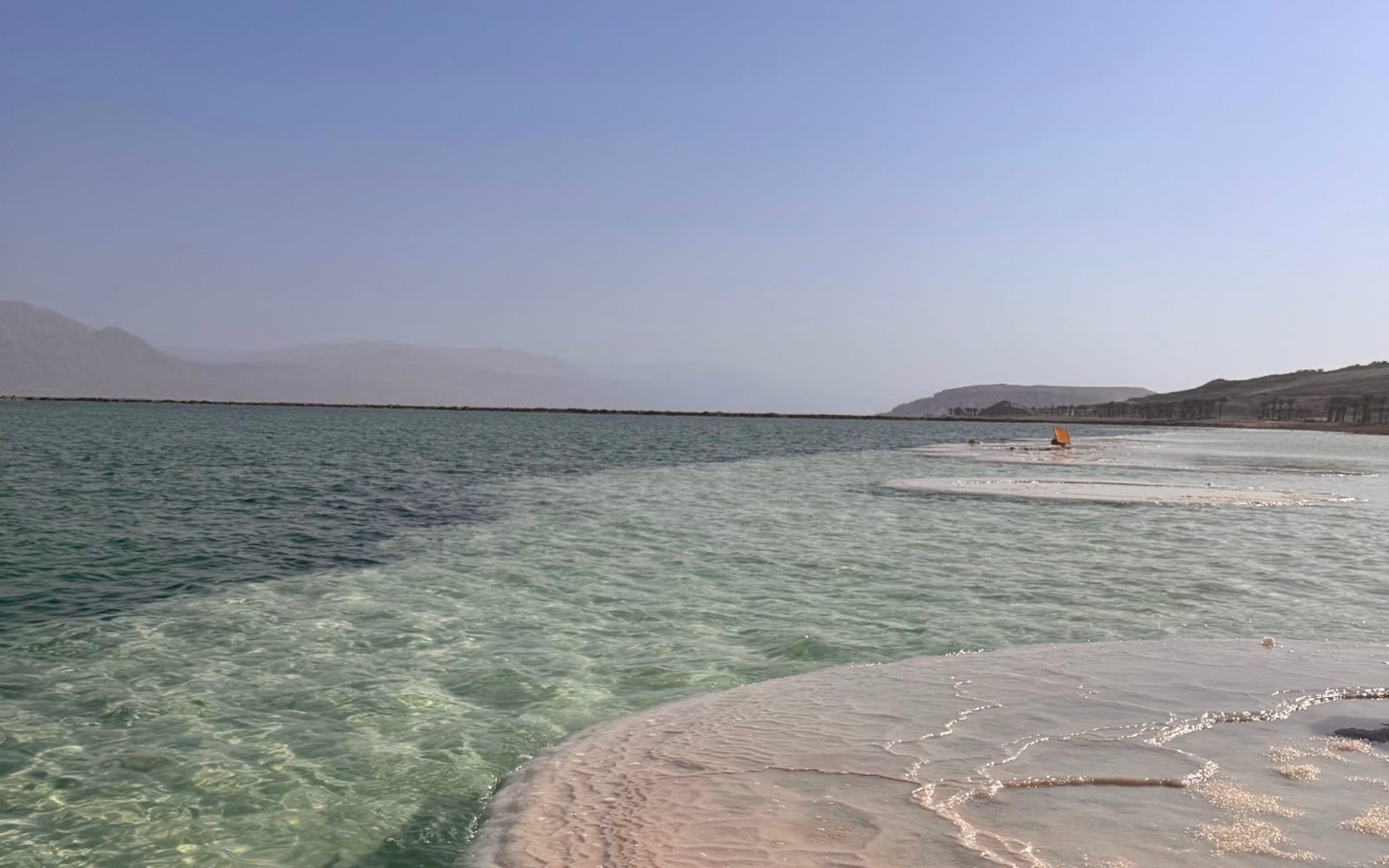
The lowest place on Earth
Float on mineral-rich water, climb Masada at sunrise and hike the Ein Gedi oasis.
Explore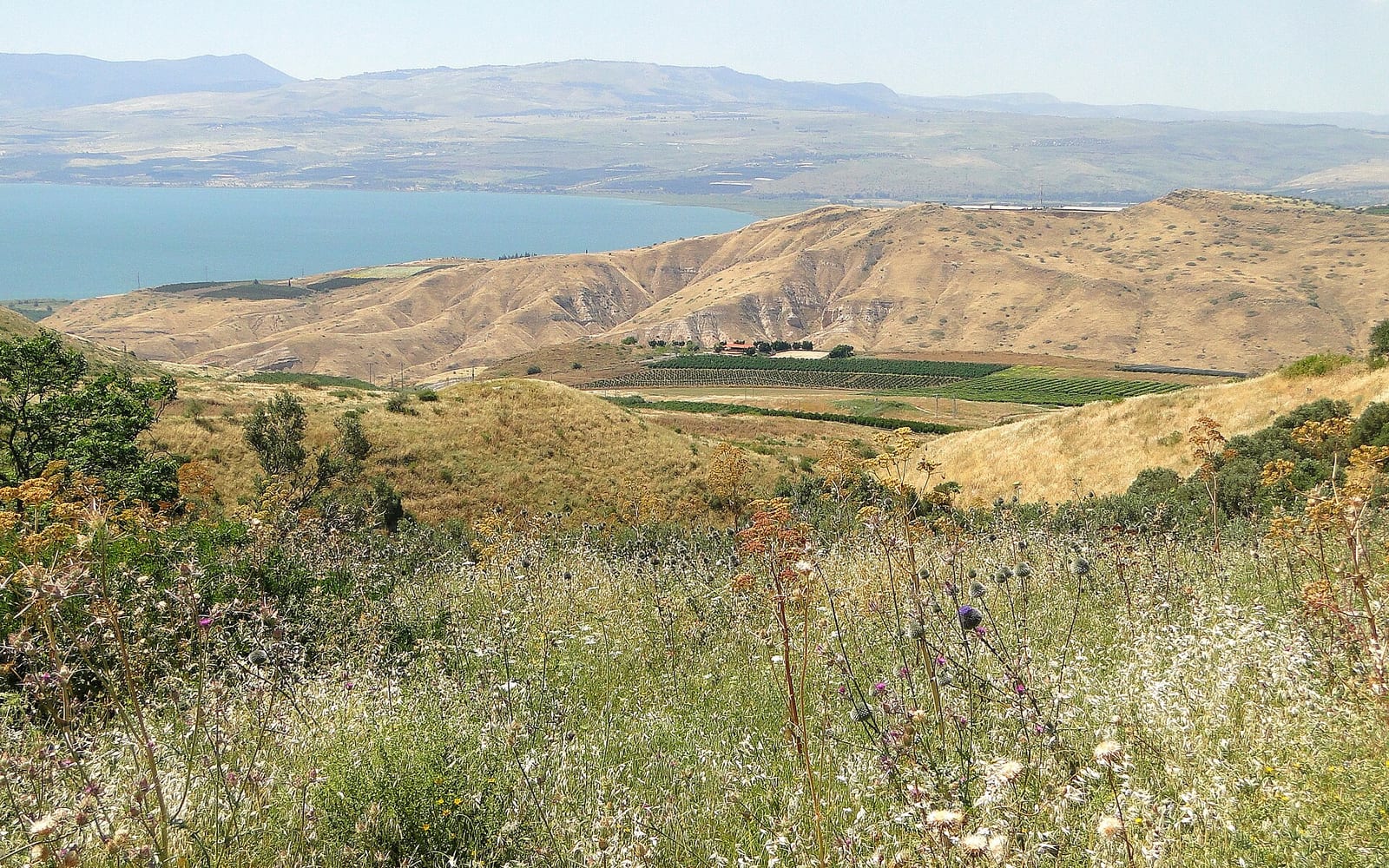
Green hills and holy water
The Sea of Galilee, Christian pilgrimage routes, hilltop Tzfat and boutique wineries.
Explore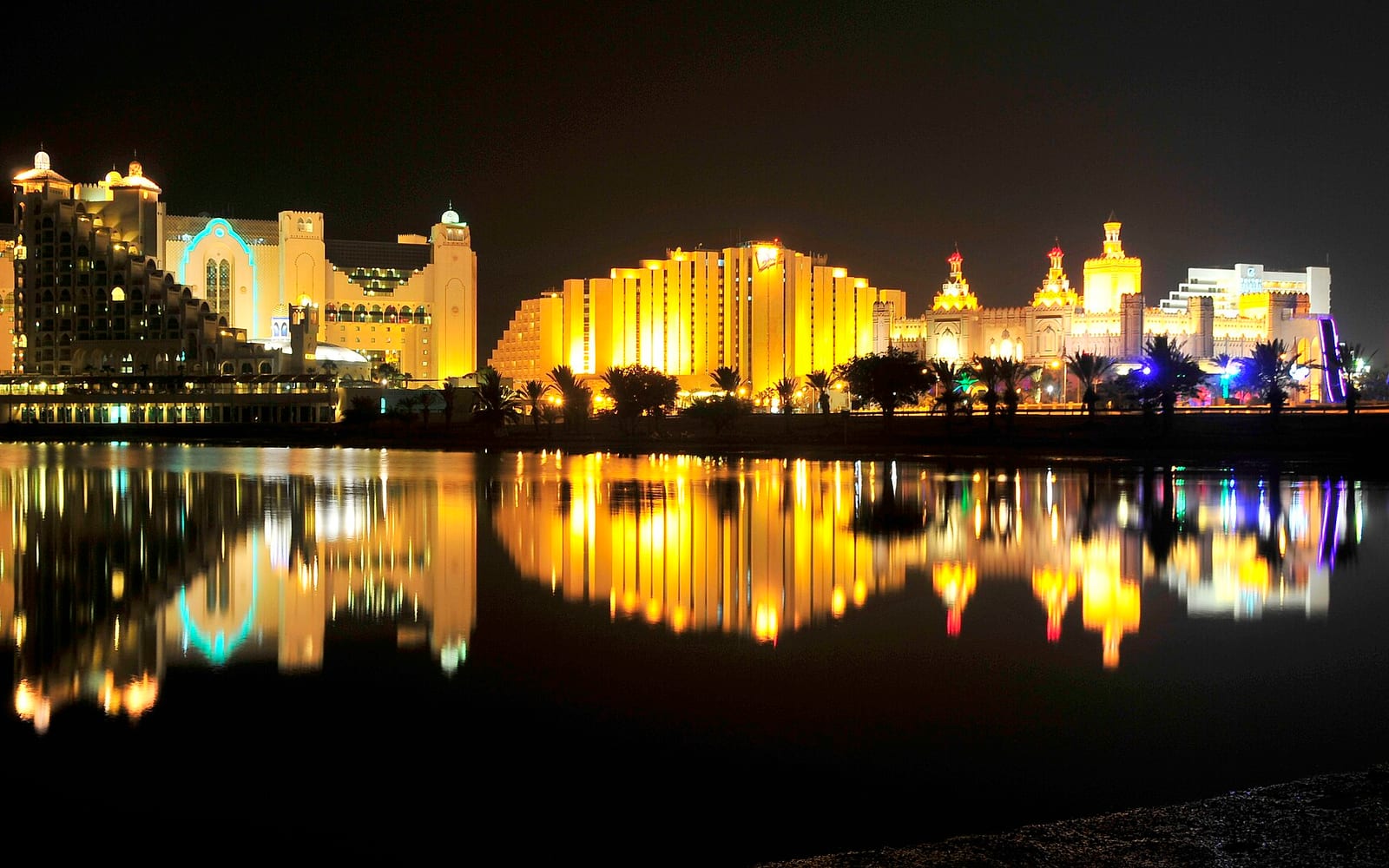
Red Sea sunshine
Coral-reef diving, year-round sun and a launchpad for day trips to Petra.
Explore
Desert and stars
The Makhtesh Ramon crater, Bedouin hospitality and ancient Nabatean trade routes.
Explore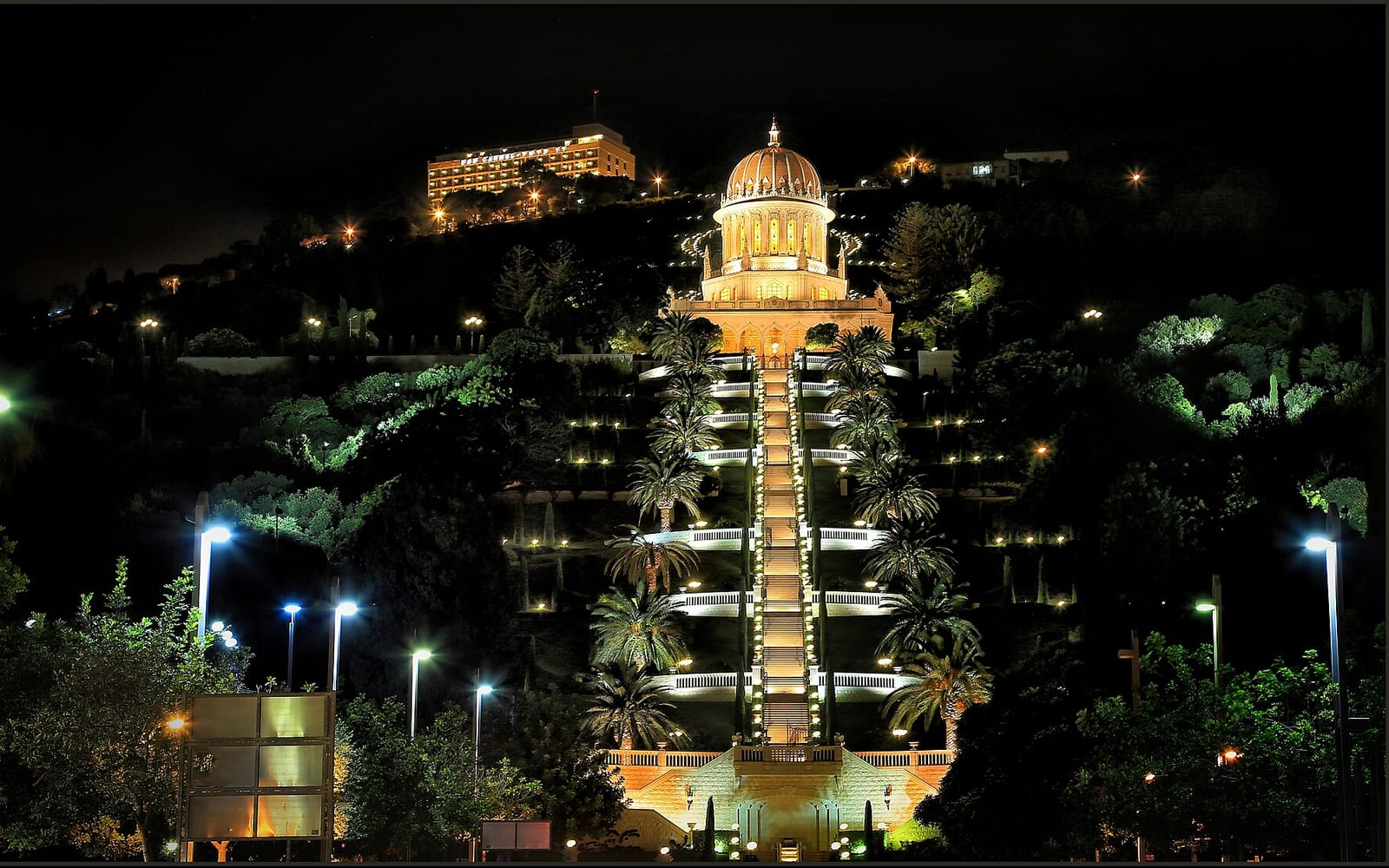
Gardens on the sea
The terraced Bahá’í Gardens, the German Colony and the green slopes of Mount Carmel.
ExploreHand-picked experiences
Affiliate disclosure:some links below are affiliate links. If you book through them we may earn a small commission at no extra cost to you. It helps keep this guide free.
Walk the four quarters with a local guide — the Western Wall, the Holy Sepulchre and the Via Dolorosa in half a day.
Climb Masada for sunrise, then float in the Dead Sea — a classic day trip from Jerusalem or Tel Aviv.
Taste your way through Carmel Market and the lanes of Old Jaffa with a local foodie guide.
Cross into Jordan for a full day at the rose-red city of Petra, returning to Eilat by evening.
Compare before you book
Before you book
The six questions every first-time visitor asks, answered in a paragraph each. The linked guides carry the detail, and are updated as the rules change.
Spring (March to May) and autumn (September to November) are the two windows that work everywhere in the country: warm, dry days in Jerusalem and the Galilee, sea warm enough to swim in Tel Aviv, and bearable heat at the Dead Sea and in the Negev. Summer is very hot in the south and the Judean Desert but fine on the coast; winter is mild and rainy in the north and pleasant in Eilat. Both shoulder seasons also hold the major Jewish holidays, when hotels fill and prices rise, so check the calendar before you fix dates.
Best time to visit Israel →Citizens of most Western countries do not need a visa for a tourist stay of up to 90 days, but visa-exempt travellers are now required to obtain an ETA-IL electronic travel authorisation online before flying; apply a few days ahead, not at the airport. On arrival you receive a small entry slip instead of a passport stamp; keep it, as hotels and the Bethlehem crossing ask for it. Passports should be valid for at least six months beyond your stay. Requirements change, so confirm your nationality on the official portal before booking.
Israel visa and ETA-IL guide →Israel is small: trains link Ben Gurion Airport to Tel Aviv in about 20 minutes and to Jerusalem in about 30, and intercity buses reach almost every town. One contactless card or app covers trains, buses and the Jerusalem light rail. The catch is Shabbat: from Friday afternoon to Saturday night public transport stops nationwide, and only shared taxis (sheruts) and private taxis run. A rental car pays off for the Galilee, the Golan and the Negev, where sights are spread out; it is a burden in Tel Aviv and Jerusalem, where parking is scarce.
Car rental in Israel: when it pays off →The currency is the new Israeli shekel (ILS, written ₪). Cards and contactless payment are accepted almost everywhere, including market stalls and taxis, so you need little cash; ATMs are plentiful in the cities. Expect prices in line with Western Europe: accommodation and eating out are the big items, while public transport, hummus lunches and the free sites of the Old City keep a day cheap if you let them. Tipping in restaurants is customary, usually added in cash or on the card at your request. Guided day trips and hotel breakfasts are the easiest places to overspend.
First time in Israel: the basics →Israel receives millions of visitors a year, and the tourist circuit (Jerusalem, Tel Aviv, the Dead Sea, the Galilee, Eilat) functions with routine security screening at stations, malls and holy sites. The everyday risks are the ordinary ones: pickpockets in crowded markets, sunstroke in the desert, and Shabbat closures catching you out. The regional situation can change quickly, so read your government’s current travel advisory before booking, check it again the week you fly, and keep your travel insurance in date. Our safety guide tracks the advisories and what they mean in practice.
Is Israel safe to visit? →A first trip needs a week. Seven days covers the core without rushing: three nights in Jerusalem with a Dead Sea and Masada day, three in Tel Aviv with a day trip north to Caesarea, Haifa or the Galilee, and the train between them. Ten days adds the north properly (Nazareth, the Sea of Galilee, the Golan) and the far south, with Eilat and an optional day across the border to Petra. Less than five days means choosing between Jerusalem and Tel Aviv; both together in four days is possible but leaves the Dead Sea out.
7- and 10-day itineraries →Most visitors from North America, Europe, Australia and many other countries enter visa-free for up to 90 days, but since the ETA-IL system was introduced, visa-exempt travellers must obtain an electronic travel authorisation online before their flight. Apply a few days ahead and check the official portal for your nationality, because the list of exempt countries and the rules change.
April, May, October and November give the most reliable weather across the whole country: warm and dry in Jerusalem and the Galilee, swimmable in Tel Aviv, and not yet or no longer extreme at the Dead Sea and in the Negev. March and September are nearly as good. Avoid planning around Passover and the autumn High Holidays unless you want the atmosphere, because hotels fill and much of the country closes for several days.
Seven days is the realistic minimum for a first trip that includes Jerusalem, Tel Aviv and the Dead Sea. Ten days adds the Galilee, the Golan and Eilat, with time for a Petra day trip from Eilat. With only three or four days, base yourself in one city (Jerusalem for history, Tel Aviv for the beach and food) and take a single day trip.
Tourism continues across the main circuit and the destinations in this guide see visitors year-round, with visible security at stations, malls and holy sites. Conditions can change, so the honest answer depends on the date you read this: check your government’s travel advisory before booking and again before flying, buy insurance that covers changes, and read our safety guide for what the advisories mean on the ground.
From about an hour before sunset on Friday until an hour after sunset on Saturday, public transport stops, most Jewish-owned shops and restaurants close, and Jerusalem in particular goes quiet. Tel Aviv keeps its beaches, cafés and restaurants going; the Old City of Jerusalem’s Christian and Muslim Quarters stay open; the Dead Sea, Eilat and Arab towns are unaffected. Plan your Saturday as a beach, desert or Old City day, and take the train on Friday morning or Saturday night.