Multi-Day Israel Tours from Tel Aviv and Jerusalem
Two to seven day packages with hotels, transport and a licensed guide bundled: Jerusalem, Bethlehem, Masada and the Dead Sea, the Galilee and the north coast in one booking.
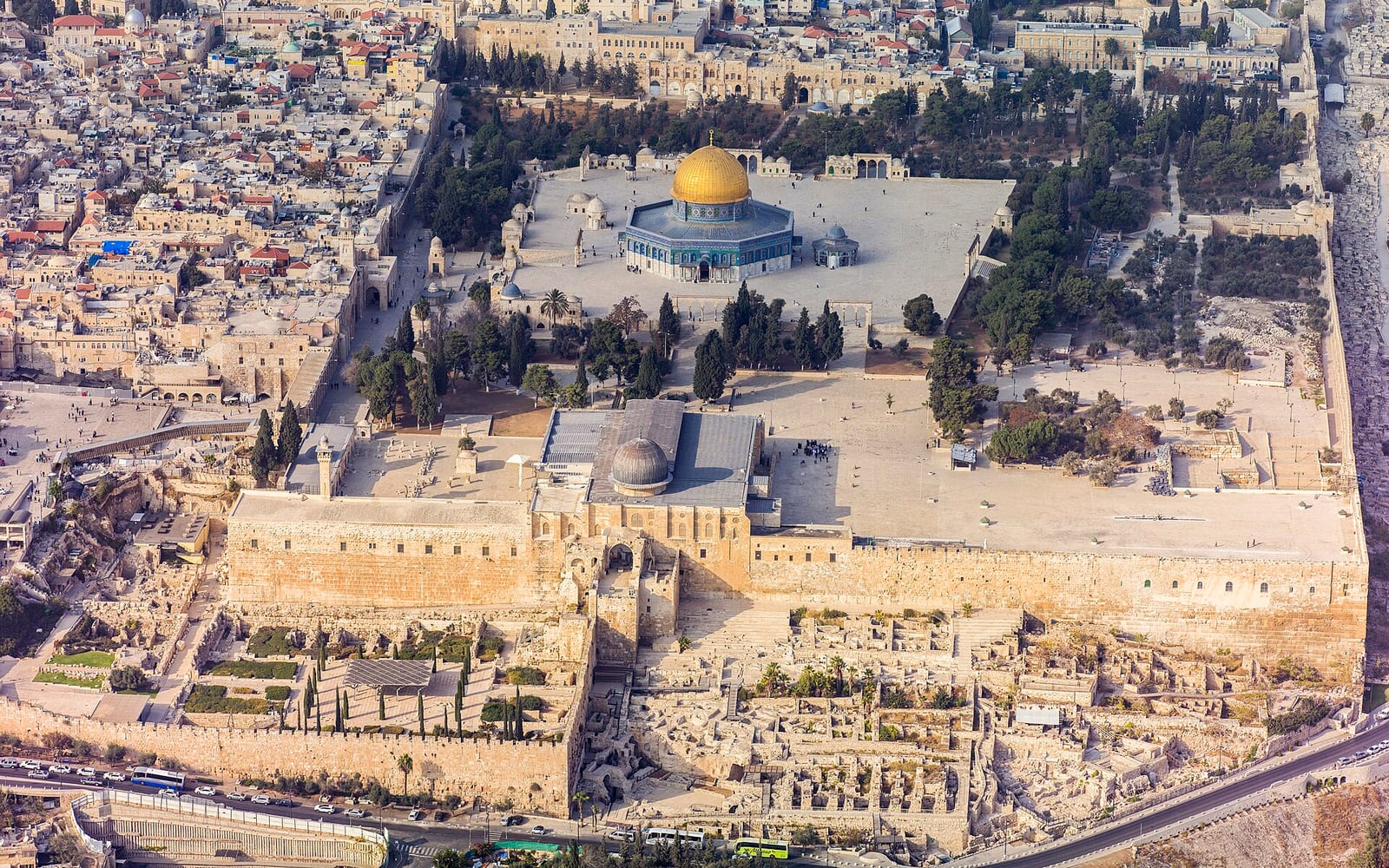
Photo: Godot13 · Wikimedia Commons · CC BY-SA 4.0
By The Visit Israel Editorial Team · Last updated
Affiliate disclosure:some links below are affiliate links. If you book through them we may earn a small commission at no extra cost to you. It helps keep this guide free.
Two to seven day packages with hotels, transport and a licensed guide bundled: Jerusalem, Bethlehem, Masada and the Dead Sea, the Galilee and the north coast in one booking.
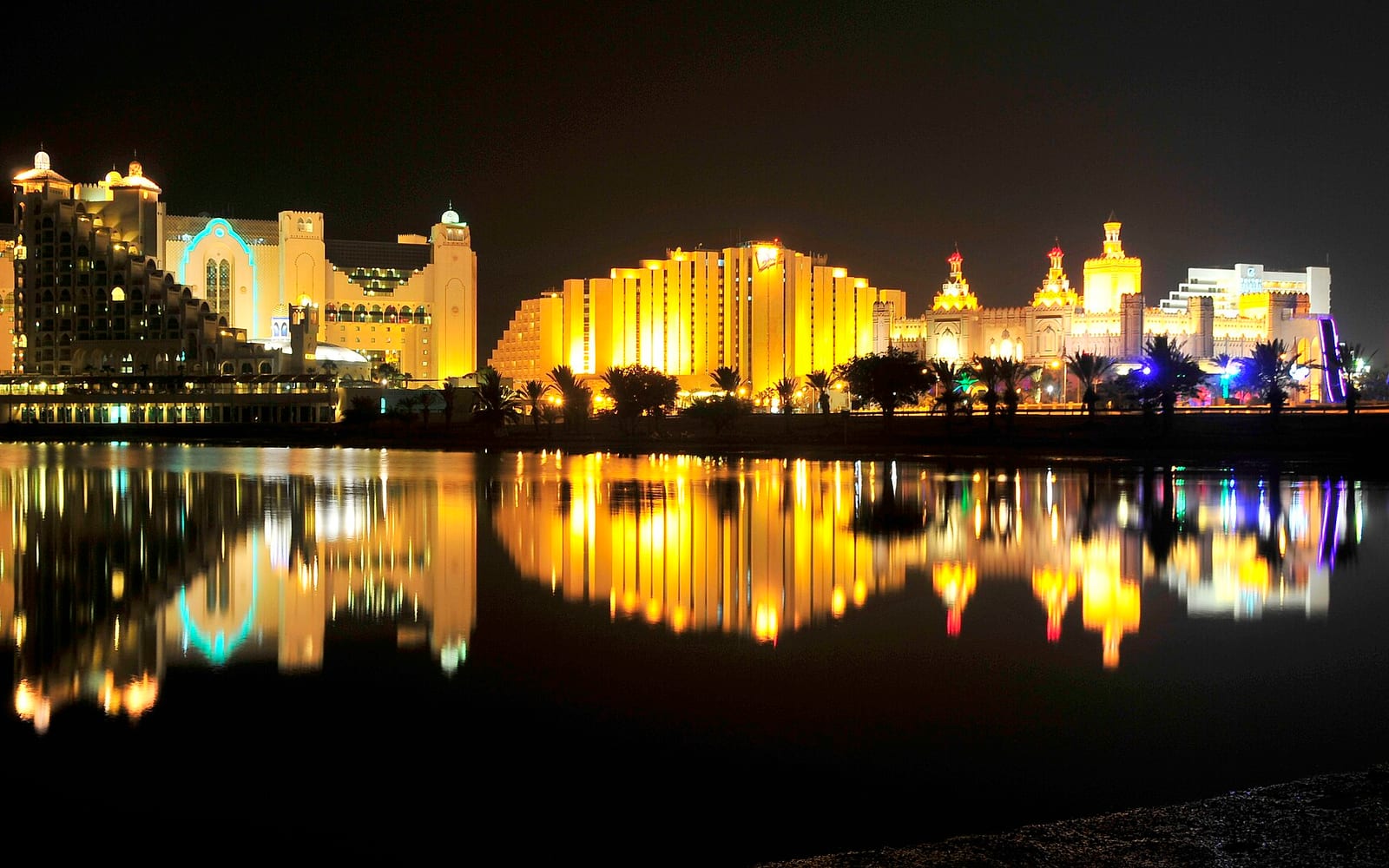
Eight to twelve day itineraries that pair the Israel classics with Petra, Wadi Rum and Amman, with the border crossing handled by the operator on both sides.
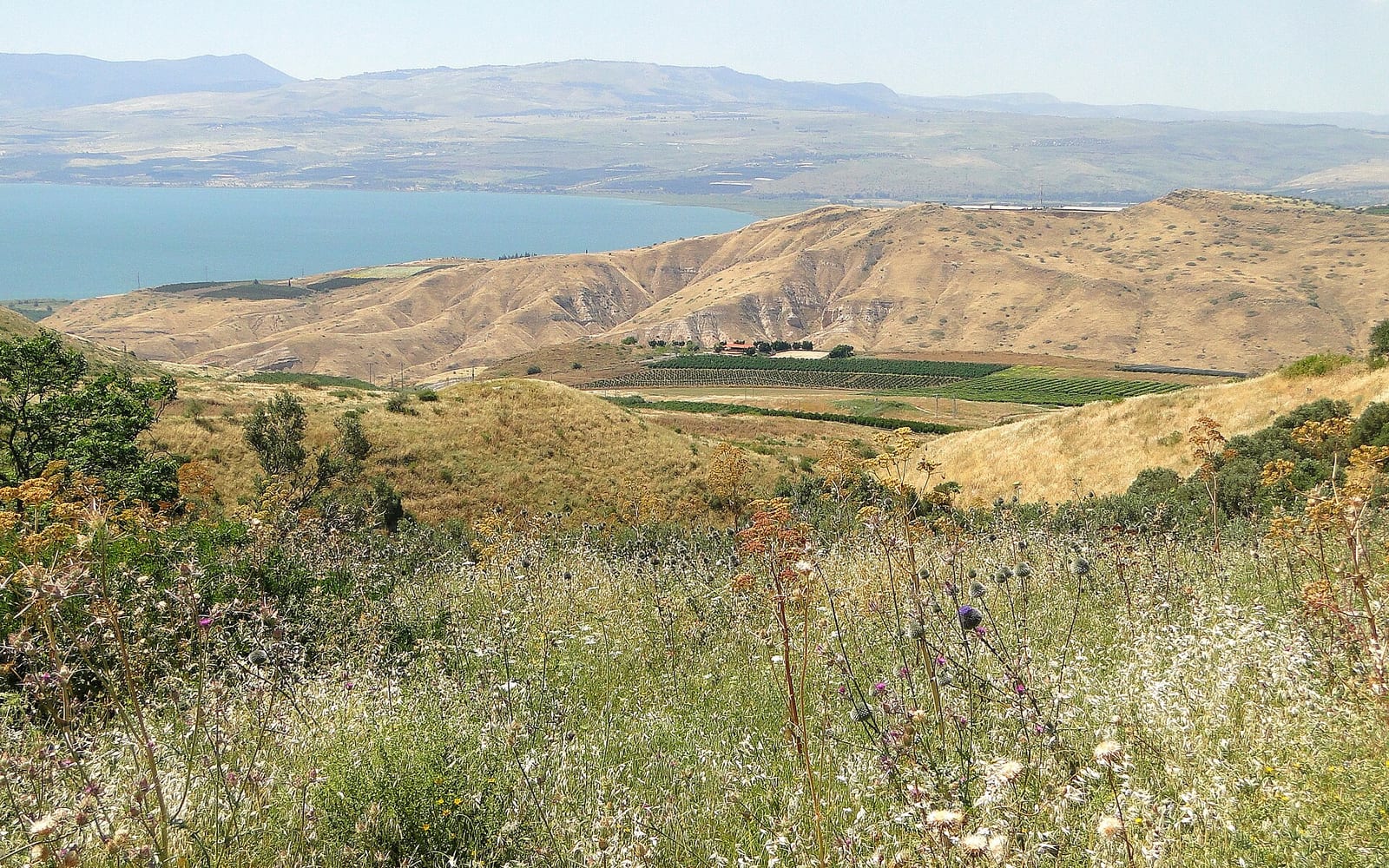
Civitatis lists multi-day Israel circuits led in Spanish, with departures on set dates from Tel Aviv and Jerusalem. Check the listing for other languages and current dates.
A multi-day package bundles the parts of an Israel trip that take the most planning: hotels, a licensed guide, transport between cities and the headline sights, in one booking with a fixed itinerary. It is the format most first-time visitors and most pilgrimage groups choose, and it removes the two things that complicate independent travel here, driving and Shabbat. This guide explains the standard package lengths, what they include, how small-group, private and coach formats compare, what to expect to pay, and how to decide whether a package suits you at all.
Packages suit independent travellers less well: the pace is set, evenings are often in hotels chosen for group capacity rather than character, and Tel Aviv, which rewards wandering, tends to get a single afternoon. If that describes you, our 7-day and 10-day itineraries are built for doing the same circuit on your own, with day tours booked where they add value.
| Length | Typical route | Best for |
|---|---|---|
| 2–4 days | Jerusalem Old City, Bethlehem, Masada and the Dead Sea | Add-on to a Tel Aviv stay or a cruise stop |
| 5–6 days | The above plus Tel Aviv and Jaffa, and a Galilee day | A short first visit |
| 7–8 days | Jerusalem, Bethlehem, Dead Sea, Caesarea and Haifa, Nazareth and Galilee, Tel Aviv | The classic circuit; most operators’ flagship |
| 10–12 days | The classic circuit plus Eilat and the Negev, or Petra and Wadi Rum | Longer trips; Jordan combinations |
| 13+ days | Israel, Jordan and sometimes Egypt | Regional grand tours |
Short packages are usually based in Jerusalem and are sold either to travellers already in Tel Aviv or to cruise passengers arriving at Haifa or Ashdod. A standard three-day version gives a full day in the Old City, a Bethlehem half day with the afternoon at Yad Vashem or the Mount of Olives, and the Masada and Dead Sea day. They are efficient and reasonably priced, and they can be assembled almost identically from three separate day tours if you prefer to choose your own hotel.
The classic. Most operators have refined this circuit over years, and it runs roughly: arrival and an orientation walk in Tel Aviv; two days in Jerusalem covering the Old City, Yad Vashem and the Mount of Olives; Bethlehem; Masada and the Dead Sea; the drive north with stops at Caesarea and Haifa’s Bahá’í Gardens; a full Galilee day from Tiberias with Nazareth, Capernaum and the Mount of Beatitudes; and a return to Tel Aviv. It sees everything a first visit should, wastes little time on the road, and is the format that pilgrimage operators and general-interest operators both sell, with different emphasis.
The longer packages add one of two extensions. The southern one continues from the Dead Sea into the Negev, with the Ramon Crater and often a night in a desert lodge or Bedouin camp, and finishes in Eilat for the reef. The Jordan one crosses from Eilat for Petra, Wadi Rum and sometimes Amman and Jerash, with the operator managing the border, the Jordanian guide and the return. If Petra is on your list, the combined package is the least stressful way to get there.
| Format | Group size | Character | Price band (per person, 7–8 days) |
|---|---|---|---|
| Coach tour | 30–50 | Fixed itinerary; pilgrimage standard | Lowest |
| Small-group tour | 8–16 | Licensed guide, minibus, some free time | Middle |
| Private tour | 1–8 | Your own guide, vehicle and pace | Highest per person, competitive for four or more |
Coach tours are how most church groups travel, and they are the cheapest way to see the circuit with a guide. The compromise is time: 40 people take a long while to get through the Church of the Holy Sepulchre or onto a Galilee boat.
Small-group tours cap at somewhere between 8 and 16, though some operators stretch the term to 20; ask for the confirmed maximum. They fit into the Western Wall tunnels and Akko’s underground, leave evenings free, and are the natural choice for couples and solo travellers. The international small-group brands run Israel and Israel-plus-Jordan departures on set dates, and there are faith-focused and scholar-led versions with a Christian, Jewish-heritage or archaeological emphasis.
Private tours are priced per vehicle and guide rather than per person, so a family of four or a group of six often pays little more per head than a small-group departure, with complete control of the route and pace. They are also the only format that adapts to a specific denominational focus or a special interest such as wine or archaeology.
Two packages with similar headline prices can differ by a dozen meals and several entrance fees. Compare the inclusions before comparing the price.
As of 2026, two to three day packages generally cost between US$600 and US$1,100 per person; seven to eight day guided circuits with three or four star hotels between US$1,800 and US$4,000, with the range driven mainly by hotel category and group size; and ten to twelve day Israel and Jordan combinations from around US$3,000 upward. Solo travellers pay a single supplement unless the operator matches roommates. Prices peak at Easter, in October and at Christmas.
Published package prices are not comparable as they stand, and almost no operator says so. Reading the pilgrimage catalogues on 23 September 2026, we found headline prices that included the international flight, headline prices that began at Ben Gurion Airport, and headline prices that excluded every flight, including the one from the operator’s own departure city. Two “eight-day Holy Land” packages can differ by the cost of a long-haul ticket before you have compared a single hotel.
Work out which of these four formats a price belongs to before you compare anything else.
| Price format | Where your trip starts | What the headline price normally covers | What you still have to buy | Chaplain and daily mass |
|---|---|---|---|---|
| Air-inclusive, European departure | Madrid, Barcelona, Valencia or Málaga | Return flight, hotels, most meals, guide, ground transport | Tips, single supplement, some lunches | Yes on the parish-linked programmes; no on the general-tourism ones |
| Air-inclusive, American departure | A New York or home-city gateway; Mexico City or Bogotá for Latin American operators | Return flight, hotels, half board, guide, ground transport | Tips in most cases, lunches, single supplement | No on the large Protestant programmes; yes on the Mexican and Colombian Catholic ones |
| Land only | Ben Gurion Airport, where the group assembles | Hotels, ground transport, guide, half or full board | The entire international flight, plus tips unless stated otherwise | Yes on the Franciscan programmes, which also prepay tips; no on the Protestant ones |
| Ground only, flights sold separately | Your own home airport, on your own booking | Hotels, ground transport, guide | Every flight, including the home-country leg that some operators leave out | Only from a minimum group size on at least one Spanish operator: 20 pilgrims |
What the ranges looked like in September 2026. Air-inclusive eight-day departures from Spain published starting prices roughly between 1,500 and 2,800 euros per person. Air-inclusive departures from North America for the nine or ten day standard clustered around US$3,000 to US$4,000, while Latin American operators ran from about US$1,400 for a short circuit to over US$5,000 for a two-week one. Land-only programmes of seven to eleven days, which begin at the airport in Israel, ran from about US$1,400 to US$3,700. Those are published “from” prices read on 23 September 2026, not quotes; the operator’s own page is the only current number.
Tips are the line that catches people out. They are expected for the guide and the driver on every itinerary, and operators handle them in three different ways: built into the price, charged as a fixed prepaid amount, or left entirely to you. One American pilgrimage operator publishes the figure openly — Pilgrim Tours declares prepaid tips of US$110 to US$140 per person for the trip, as a separate line (pilgrimtours.com, consulted 23 September 2026). Franciscan Pilgrimage Programs and 206 Tours include tips in the package price; Educational Opportunities includes only the hotel staff. A package that looks US$100 cheaper may simply have moved that line off the headline.
The other separated lines. Italian operators are the most explicit about this: Brevivet lists a registration fee of €39, airport taxes of €230 and a single-room supplement of €360 as separate items alongside the tour price (brevivet.it, consulted 23 September 2026). Operators whose itineraries cross into Jordan or Egypt usually declare the border fees the same way. None of it is hidden in the dishonest sense; it is simply not in the number on the brochure cover, which is why the comparison has to be done on the inclusions.
Whether a priest travels with the group, and whether mass is celebrated every day, is the biggest single difference between two packages of the same length and price — and it is not always on the product page. Of the catalogues read on 23 September 2026:
The itinerary gives it away faster than the sales copy does. If daily mass is the point of your trip, ask for it in writing before you pay a deposit, and ask who books the slots at the shrines: in Jerusalem those are allocated centrally rather than arranged by the guide on the morning. Our Christian sites in Israel guide sets out which sites the pilgrimage itineraries actually visit and how the traditions differ as a matter of routing.
Book early for spring and autumn departures, which sell out six to twelve months ahead on the well-known small-group brands; summer and mid-winter have more availability.
Visas. Every traveller applies individually; there is no group visa for Israel. Most visitors need an ETA-IL before flying. See visa information.
Shabbat. Ask how the itinerary handles Friday afternoon to Saturday evening. Well-designed packages put the Dead Sea, the Galilee or an Arab-majority city such as Nazareth or Akko on Saturday, where everything is open.
Hotels. Group hotels in Jerusalem are often outside the Old City walls and in Tiberias rather than by the lake. If a particular neighbourhood matters, check the hotel list before booking.
Insurance and phone. Packages cover transport but not insurance or connectivity; arrange both before you fly. Our first time in Israel guide covers the basics.
Pace. Expect early starts, most days on the road by 8 am, and a great deal of history in a short time. Build a free day into your trip before or after the package if you can.
Take the package if you want the guide, the pilgrimage structure, or the Jordan crossing handled. Go independent, with day tours where they earn their place, if you want to choose your own hotels, linger in Tel Aviv and set your own pace; Israel is a small country with good roads and trains, and our car rental guide covers the driving side. A common compromise is a three-day Jerusalem package plus independent days in Tel Aviv and the north, which gets the guided context where it matters most.
Two to four days covers Jerusalem, Bethlehem and a Masada and Dead Sea day. Six to eight days adds Tel Aviv, the north coast and the Galilee, which is the classic first-visit circuit. Ten to twelve days adds either Eilat and the Negev or a Petra and Jordan extension. If you have a week, take the seven or eight day format; it is the one most operators have refined over years and it wastes the least time on the road.
As of 2026, short two to three day packages from Jerusalem or Tel Aviv generally cost between US$600 and US$1,100 per person; seven to eight day guided circuits with hotels and breakfast between US$1,800 and US$4,000 depending on hotel category and group size; and ten to twelve day Israel and Jordan combinations from around US$3,000 upward. Single travellers usually pay a supplement unless the operator offers room sharing. Always compare what is included, because two packages at similar prices can differ by a dozen meals and entrance fees.
Coach tours of 30 to 50 people are the cheapest and are the format most church pilgrimages use. Small-group tours, usually capped at 12 to 16, cost more but reach places a coach cannot and leave time for questions. Private tours give you your own guide and vehicle and are priced per group, so they become competitive for a family of four or more. Check the stated maximum group size, not the typical one, before booking.
Almost all packages include hotels and breakfast, transport and a licensed guide. Lunches are usually not included; dinners vary, and pilgrimage tours often include them because groups eat together. Entrance fees are sometimes bundled and sometimes listed as an extra with an estimate. Tips for the guide and driver are expected and are occasionally added as a fixed charge at booking.
Each traveller applies individually; there is no group visa. Visitors from visa-exempt countries need an ETA-IL electronic travel authorisation before flying, applied for online at least a few days ahead. Tours that cross into Jordan arrange the Jordanian group visa at the border. See our visa information guide for current rules by nationality.
From Friday afternoon to Saturday evening, public transport stops, most shops and many restaurants in Jewish areas close, and some sites have shorter hours. Good operators build this in, typically by scheduling the Dead Sea, the Galilee or Arab-run cities such as Nazareth and Akko on Saturday, where everything is open. Ask how the itinerary handles Shabbat before booking a departure that includes one.
Six to twelve months ahead for Easter, the spring shoulder from March to May, and October to November, when the best-known small-group departures sell out. Two to three months is usually enough for summer, when the heat keeps demand lower, and for January and February. Christmas departures that include Bethlehem on 24 December fill earliest of all.