Bauhaus White City Walking Tour
Walking tour · ~2–3 h
Decode Tel Aviv's UNESCO Bauhaus heritage with an architecture guide.
Mediterranean cool
April–June & September–October · 2–3 days
Photo: K · Pexels · Pexels License
By The Visit Israel Editorial Team · Last updated
Tel Aviv is Israel's Mediterranean metropolis — a sun-soaked, secular, around-the-clock city of beaches, Bauhaus architecture and world-class food just 20 minutes by train from Ben Gurion Airport. Its UNESCO-listed White City holds the largest concentration of 1930s International-Style buildings on Earth, while 14 km of golden beachfront, the ancient port of Jaffa, the Carmel Market and the bar-lined lanes of Florentin and Rothschild Boulevard give the city its restless energy. Sitting at sea level on the coast, Tel Aviv is warm year-round and never really sleeps; two to three days lets you balance beach time, gallery-hopping and a serious eating itinerary, with easy day trips to Jerusalem, Caesarea and the north.
With our booking partners
Affiliate disclosure:some links below are affiliate links. If you book through them we may earn a small commission at no extra cost to you. It helps keep this guide free.
Walking tour · ~2–3 h
Decode Tel Aviv's UNESCO Bauhaus heritage with an architecture guide.
Food tour · ~3–4 h
Graze through Carmel Market and Old Jaffa with a local foodie guide.
Half day · ~4 h
From the ancient port of Jaffa to the beaches and boulevards of the new city.
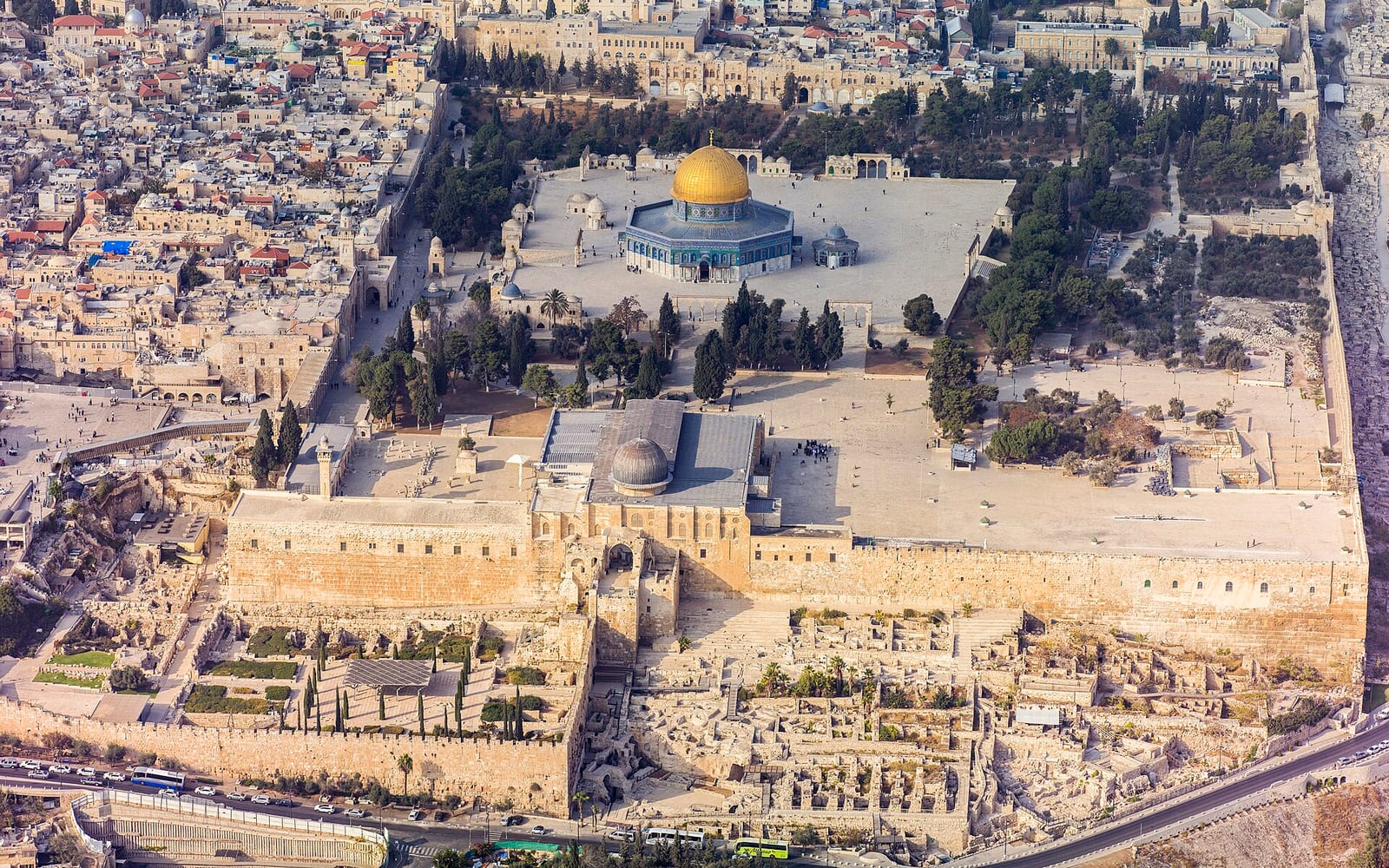
Full day · ~10 h
Full-day guided trip to the Old City and the Western Wall.
Where to stay
Affiliate disclosure:some links below are affiliate links. If you book through them we may earn a small commission at no extra cost to you. It helps keep this guide free.
Full guide: best hotels in Tel Aviv →
White City
Restored 1920s Bauhaus icon with a rooftop pool and Michelin-level dining.
Check rates & availabilityvia Booking.com
Jaffa
A 19th-century compound reimagined by John Pawson beside Old Jaffa.
Check rates & availabilityvia Booking.com
Lev Ha’ir
Intimate 12-room boutique above one of the city’s best brasseries.
Check rates & availabilityvia Booking.com
Rothschild
Style-forward boutique steps from Rothschild Boulevard with a rooftop deck.
Check rates & availabilityvia Booking.com
| Season | Verdict | What to expect |
|---|---|---|
| Spring (Apr–Jun) | Best | Warm, low humidity, perfect beach weather before the summer crush. |
| Summer (Jul–Aug) | Hot | Hot and humid 30°C+; lively beaches and rooftop nights. |
| Autumn (Sep–Oct) | Best | Sea still warm, fewer crowds, ideal walking weather. |
| Winter (Nov–Mar) | Mild | Mild 15–18°C with rain spells; cafés and museums shine. |
Tel Aviv-Jaffa rewards travellers who treat it as two cities stitched together by a fourteen-kilometre beachfront. The northern half is the modern Israeli metropolis — Bauhaus White City blocks, museums, Rothschild Boulevard cafés, and a nightlife corridor that runs from Allenby through Florentin until sunrise. The southern half is Jaffa, an Ottoman-era port quarter four thousand years older than Tel Aviv proper, where flea-market alleys spill into restored stone houses that hold boutique guesthouses and chef-driven restaurants. A complete guide to things to do in Tel Aviv starts with that geography, because where you sleep determines whether your trip feels like a beach holiday, a food tour, a culture trip or all three.
This guide covers when to come, where to stay across five distinct neighbourhoods, the headline sights, the deeper south-Tel-Aviv exploration that separates first-timers from returners, the day trips that pair well with a Tel Aviv base, how to arrive at Ben Gurion and move around once you’re here, and what to eat from market stalls to chef tables. Tel Aviv is the easiest Israeli city to plan because the climate is gentle and the language barrier is low — you can land on a Sunday morning and be swimming by noon.
The best windows are April to June and September to November. Spring arrives with low-humidity warm days, beaches that are warm enough to swim but uncrowded, and the buffer between the holiday-season hotel spike and the European summer rush. Autumn is the quieter mirror — sea temperatures stay swimmable through October, and the city feels lived-in rather than touristy.
Summer (July and August) is hot, humid and crowded but is also when the city is at its most extroverted — beach culture peaks, rooftop bars open every night, and Tel Aviv Pride leftovers spill into beach parties through mid-July. Daytime highs hit 30 to 33 degrees with high humidity; mornings on the sand and evenings outdoors are the working pattern.
Winter (December to February) is mild but rainy, with daytime temperatures around 14 to 18 degrees and occasional storms. The sea is too cold for casual swimming, but the city is at its cheapest, museums and restaurants are uncrowded, and rainy afternoons in the Bauhaus blocks have their own appeal.
The week around Tel Aviv Pride (typically the second week of June) is one of the largest LGBT tourism events in the world. Hundreds of thousands of international visitors fill the city for a week of beach parties, street parades and rooftop events. Hotels book out months ahead and prices double; if you want to experience Pride, book by January, and if you want quiet Tel Aviv, avoid that week.
Tel Aviv is the most secular major Israeli city. Public buses pause from Friday afternoon to Saturday evening, the train does not run, and a few city-centre shops close. But bars, restaurants, beachfront cafés and most museums remain open — Friday evenings on the tayelet are among the best in the year, and Saturday is a busy beach day. Sherut shared taxis run throughout the weekend, as do the rental-car desks at Ben Gurion. Plan for slightly reduced transport but otherwise treat Friday night and Saturday as ordinary weekend nights.
Tel Aviv has five practical neighbourhoods, each with a different feel and trade-off.
City Centre / Rothschild sits along Rothschild Boulevard and the Dizengoff cluster — the heart of the Bauhaus White City, walking distance from the beach, the major shopping streets, and most restaurant clusters. Modern hotels, boutique guesthouses and short-term apartments dominate. The default choice for a first visit that mixes culture, beach and food.
Jaffa (Yafo) — the boutique-luxury option. Restored Ottoman-era stone buildings hold small boutique hotels, several five-star conversions of historic structures, and design-led guesthouses overlooking the harbour. Quieter than the centre, deeply atmospheric, ten minutes by taxi to Rothschild or twenty minutes on foot along the tayelet.
Florentin is the hipster south-of-centre district — street art, late-night bars, casual restaurants and a young creative crowd. Hostels and design apartments outnumber hotels. Best for travellers who want nightlife and a less polished neighbourhood feel.
Neve Tzedek is the oldest Tel Aviv neighbourhood and the quietest of the central options — restored Templer houses on Shabazi Street, family-run cafés, the Suzanne Dellal Centre for performance arts, and a strong design-shop presence. A short walk to both the beach and Rothschild Boulevard.
North Tel Aviv (around Hayarkon Park, the port area and Ramat Aviv) is the family choice — wider streets, larger hotels, easier parking, and Hayarkon Park for joggers and cyclists. Twenty minutes from the centre but a quieter base for travellers who want space.
Tel Aviv has no single Western Wall-scale headline sight; the city rewards a slower discovery rhythm. These are the five anchor experiences that belong on every first-trip itinerary.
The Jaffa quarter is built on a hill that has been continuously occupied for four millennia. The Old Jaffa Port is the most photographed Mediterranean fishing harbour in Israel — small fishing boats, the restored stone breakwater, and the Andromeda’s Rock visible offshore. Above the harbour, St. Peter’s Church marks the spot traditionally identified with the Apostle Peter’s vision; nearby, the Mahmoudiya Mosque is the largest mosque in the Jaffa quarter. The two neighbours sit a hundred metres apart and are best read together — Jaffa’s layered Christian-Muslim-Jewish past on a single hill.
The Jaffa Flea Market (Shuk HaPishpeshim) spreads through narrow alleys north of the port — vintage clothing, antiques, ceramics, and a dozen excellent restaurants tucked into restored stone houses. Saturday mornings are the busiest. Combine with a long lunch and a slow walk back to Tel Aviv along the tayelet.
The city’s central produce and prepared-food market, running south from Allenby Street through a covered alley. Daytime is fruit, fish, spices and bakeries; Friday lunch the alleys fill with chefs and locals doing their weekend shopping. Carmel Market food tours typically take two hours and stop at six or seven vendors — a useful first-day orientation to Israeli food culture.
The White City is a UNESCO World Heritage Site recognising more than four thousand 1930s Bauhaus and International-Style buildings built by German Jewish architects who fled Europe in the early years of the Third Reich. The densest cluster runs along Rothschild Boulevard, with feeder streets like Mazeh, Engel and Bialik holding many of the most iconic facades. The Boulevard itself is a tree-lined pedestrian promenade with cafés, juice stands and ice-cream kiosks — locals come for the morning espresso commute, and walking the full length end-to-end takes about an hour.
Guided Bauhaus walking tours run daily and explain the building typology — strip windows, recessed balconies, white render — and the conservation effort. Self-guided is possible but a tour adds context that the buildings alone don’t convey.
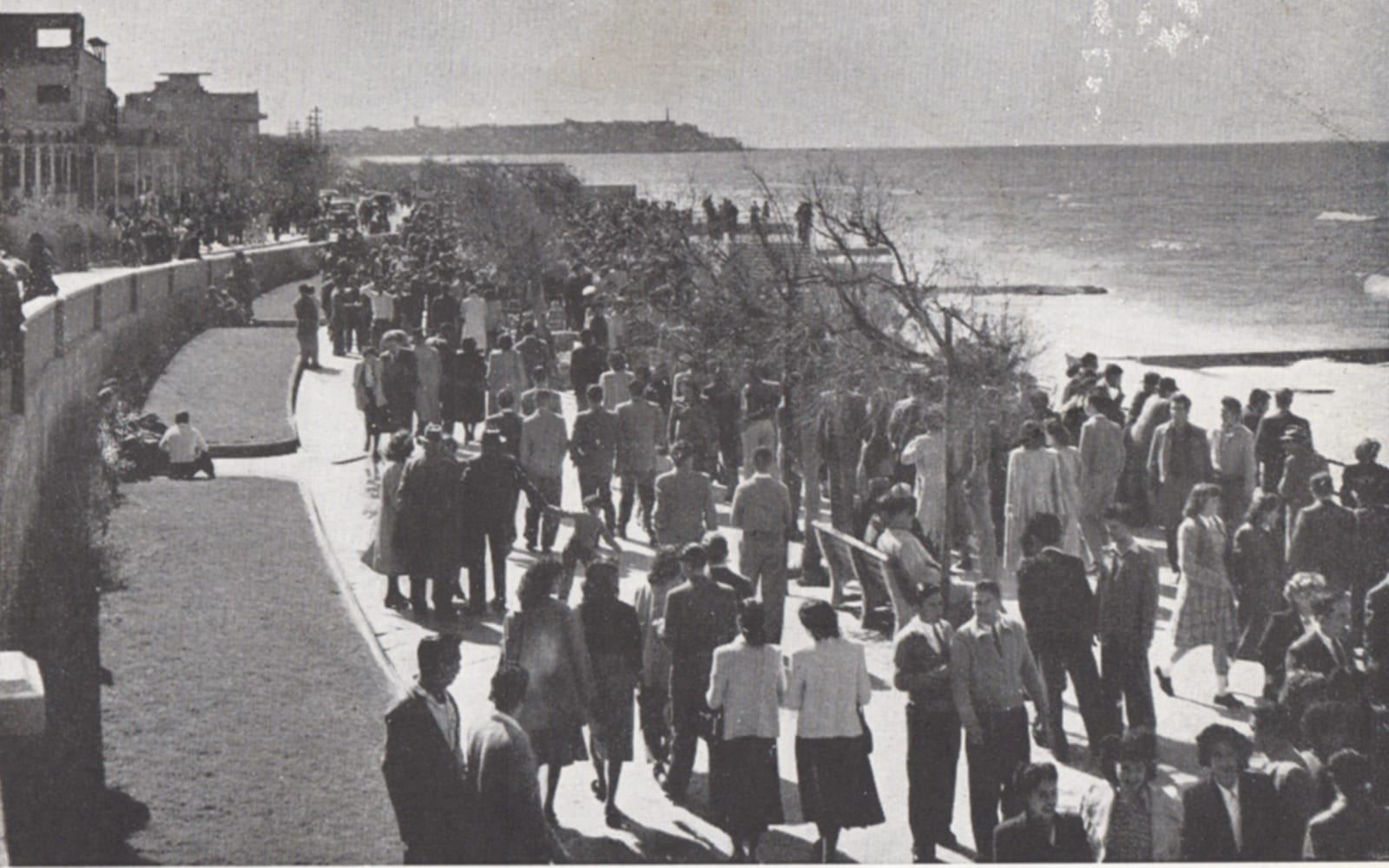
The tayelet is the 14-kilometre beachfront promenade that runs from Tel Aviv port in the north down through Hilton Beach, Gordon Beach, Frishman Beach, Bograshov Beach and the southern beaches to Jaffa. The promenade is rebuilt and pristine, with cycle paths, fitness equipment, free public showers, and beachfront cafés at every entrance. The northern stretch is wider and quieter; the central beaches are busiest; the southern beaches near Jaffa have the most sunset photo opportunities.
Lifeguards patrol the major beaches in season (April to October) and post flags for swimming conditions. Hilton Beach is the long-established LGBT beach; Frishman and Gordon are the busiest tourist beaches; Alma Beach at the southern end is the quietest.
The Tel Aviv Museum of Art is Israel’s flagship modern-art institution — Israeli artists, an excellent Impressionist and post-Impressionist collection, and rotating contemporary exhibitions. The Herta and Paul Amir building, opened in 2011, is itself a major architectural draw. Allow half a day; closed Sundays in low season, otherwise open daily.
South Tel Aviv is where the city’s creative edge lives. These three areas separate returners from first-timers.
Florentin is a triangle of warehouses, tiny apartments, design studios and dive bars south of Rothschild and east of Neve Tzedek. The walls are covered in street art — the densest concentration in the city — and a guided Florentin street-art tour is the easiest way to read the work. After dark, the neighbourhood becomes the city’s late-night anchor, with bars on Frenkel and Vital streets that run until 04:00.
HaTachana is the restored Ottoman-era Jaffa-Jerusalem railway station, now a cluster of cafés, boutique shops and design studios on the boundary between Neve Tzedek and Jaffa. Neve Tzedek itself — Tel Aviv’s oldest neighbourhood — is the quietest central district, with restored single-storey houses on Shabazi Street, the Suzanne Dellal Centre (the home of the Batsheva Dance Company), and a strong design-shop presence. Walk from HaTachana through Neve Tzedek to Rothschild in a slow ninety minutes and you cross three architectural eras.
Levinsky Market is the city’s spice and Levantine-grocery quarter — Iraqi-Jewish bakers, Bulgarian delicatessen, Persian sweet shops and the densest concentration of small specialty food vendors in Tel Aviv. The street is less polished than Carmel but more interesting for food obsessives. A food crawl through Levinsky pairs well with an afternoon in Florentin.
Tel Aviv’s central position makes it the natural base for day trips across the country.
Jerusalem is one hour east by high-speed train. A full day in Jerusalem covers the Old City quarters and one major museum or viewpoint — plenty for first-time visitors who want a taste before deciding whether to dedicate a separate two-day stay. Trains run every 30 minutes during the week; service pauses for Shabbat.
Caesarea Maritima is forty-five minutes north — a Roman and Crusader archaeological site on the Mediterranean coast that combines a well-preserved Roman theatre, a Crusader fortress, an aqueduct and beach access. Half a day, by car or organised tour.
The Galilee — including the Sea of Galilee, Nazareth and the surrounding sites — is a two-hour drive north and works as a long day trip, but is better experienced as a two-day overnight from Tiberias. The Dead Sea and Masada are an alternative two-hour drive south and are most popular as a full-day organised tour from Tel Aviv.
International flights land at Ben Gurion International Airport (TLV), fifteen kilometres east of the city. Ben Gurion handles the vast majority of inbound flights to Israel; only a handful of seasonal European carriers route through Ramon Airport (ETM) at Eilat.
From TLV to central Tel Aviv there are four practical options:
Within Tel Aviv, the 2024-opened Red Line light rail runs from Petah Tikva through south Tel Aviv to Bat Yam — useful for the city centre but not yet a full coverage network. Dan and Egged buses are the workhorses; the Tel-O-Fun bike share and walking cover most central trips. Gett and Yango are the local rideshare apps, similar to Uber.
If you want flexibility for day trips, pick up a rental car at Ben Gurion rather than in town — pickup is faster and parking at the airport rental desks is straightforward.
Tel Aviv food culture is built on three foundations: Levantine street food (hummus, falafel, sabich), modern Israeli (chef-driven plates that mix Middle Eastern technique with Mediterranean ingredients), and an extraordinary café and bakery scene.
Hummus institutions — Abu Hassan in Jaffa (the original and still the best, by reputation), Shlomo and Doron in Carmel Market, and Hummus Asli in the Yemenite Quarter all open early and close before mid-afternoon when the hummus runs out. Eat hummus for breakfast or lunch, never dinner — this is the local rhythm.
Modern Israeli — Miznon (the casual chef Eyal Shani concept, multiple locations) for stuffed pita; HaSalon for the late-night chef’s table experience; Port Said opposite the Great Synagogue for natural-wine and small plates; The Light House at the Jaffa harbour for a destination dinner.
Carmel Market food crawl — start at the Allenby end, work south through the alleys, stop at six or seven stalls for tastes. Bakeries, halva merchants, fresh juice vendors, hummus counters, and the legendary Beit HaTavshil for traditional Iraqi-Jewish food.
Vegan options are everywhere — Tel Aviv is one of the most vegan-friendly cities in the world, with hundreds of dedicated restaurants and clearly-marked vegan options at most menus.
Tel Aviv’s nightlife is built around three districts. Rothschild and Allenby hold the cocktail bars and the city’s most polished cocktail programmes — Imperial Craft, Bellboy and Spicehaus anchor the cocktail scene. Florentin is the casual late-night corridor — dive bars, natural-wine bars, and a punk-edged crowd. The Port and Mediterranean Beach clubs open the largest dance floors in the country during summer weekends.
Israeli bar culture starts late — most bars don’t fill until 23:00, and the busiest nights run until 04:00 or beyond. Cover charges are rare; expect to pay at the door only at the largest dance clubs.
Three full days lets you cover the beaches, Old Jaffa, Carmel Market and the Bauhaus White City, plus one short day-trip to Jerusalem or Caesarea. Two days is workable if you skip a day trip; four days adds time for Florentin street art, Neve Tzedek and unhurried beach mornings.
Yes. Tel Aviv has a strong police presence, late-night street activity in the city centre, and a Mediterranean coastline that is patrolled and lifeguarded in season. Apply standard urban awareness around the central bus station and on busy beachfront promenades at night, but the city ranks among the safest in the region for visitors.
April to June and September to November are the best windows — warm sea, lower humidity, and shoulder-season hotel rates. July and August are hot and humid but still busy because the beach culture peaks then. December to February is mild but rainy, and the sea is too cold for casual swimming.
The train from Ben Gurion (TLV) reaches Tel Aviv Savidor central station in about 12 minutes and runs every 30 minutes during the week; service pauses Friday afternoon through Saturday evening for Shabbat. Sherut shared taxis run 24 hours including Shabbat. A private taxi takes 20 to 40 minutes depending on traffic.
Tel Aviv is far more secular than Jerusalem. Public buses pause Friday afternoon to Saturday evening, but bars, restaurants, beachfront cafés and most clubs stay open. The city is one of the few places in Israel where Shabbat feels like an ordinary weekend in the entertainment districts; observant neighbourhoods (Bnei Brak, parts of North Tel Aviv) follow stricter rhythms.
A UNESCO-listed concentration of more than four thousand Bauhaus and International-Style buildings built in the 1930s by Jewish architects fleeing Europe. The densest cluster sits along Rothschild Boulevard, Dizengoff Street and the surrounding blocks. Guided walking tours of the White City typically run two hours and explain the building typology and conservation effort.
Tel Aviv is one of the most LGBT-friendly cities in the Mediterranean and the Middle East. Tel Aviv Pride in June draws hundreds of thousands of international visitors; year-round, the beach culture, bar scene and city policies are open and welcoming. Hilton Beach is the long-established LGBT beach on the northern tayelet.
Yes — the high-speed train links Tel Aviv Savidor to Jerusalem Yitzhak Navon in about 32 minutes and runs every half hour during the week. A full day in Jerusalem comfortably covers the Old City plus one museum or viewpoint. The Dead Sea, Caesarea and the Galilee are also feasible as one-day excursions by car or organised tour.
Israel's spiritual heart
Old City quarters, the Western Wall and the Church of the Holy Sepulchre, with day trips to the Dead Sea.
Explore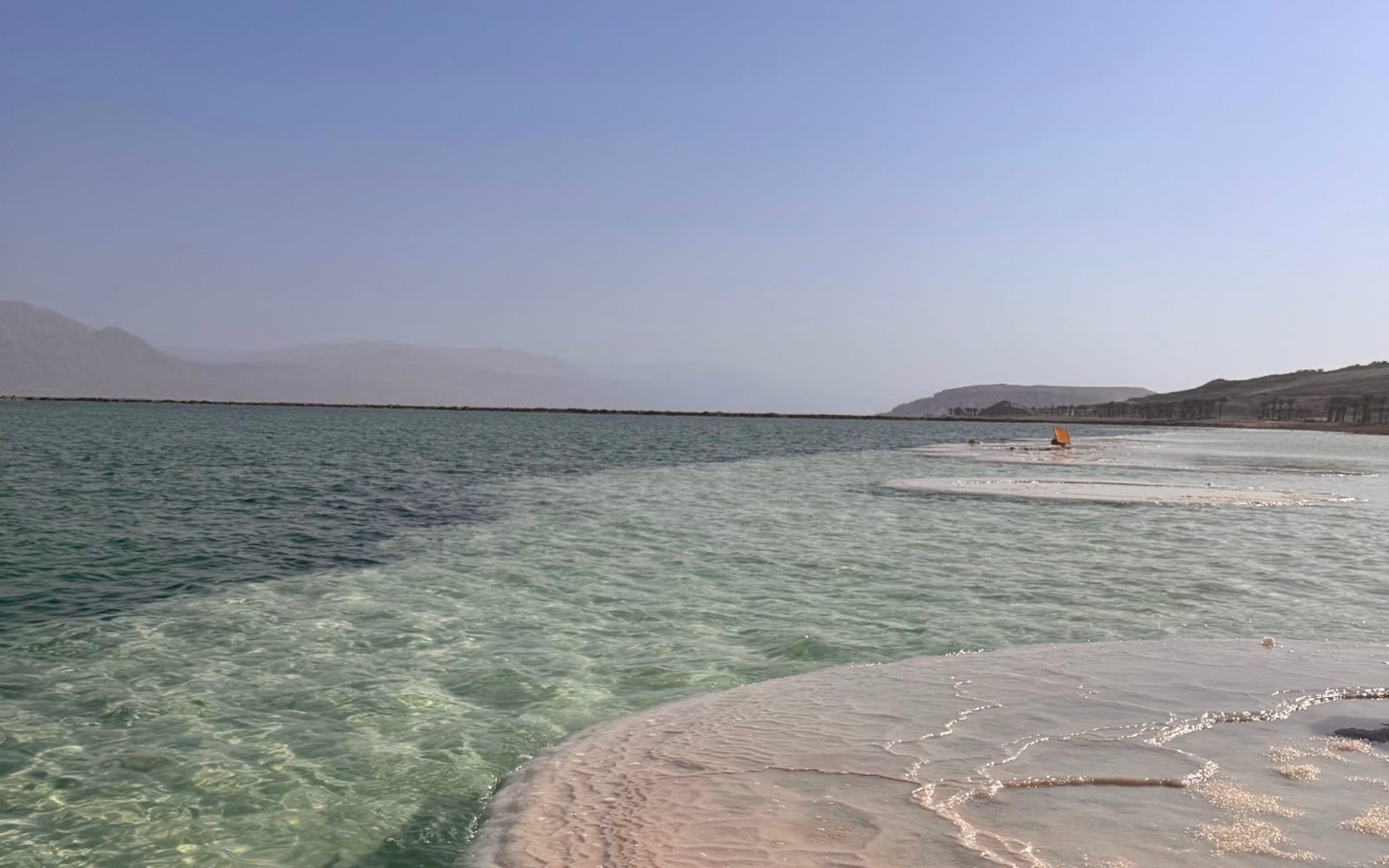
The lowest place on Earth
Float on mineral-rich water, climb Masada at sunrise and hike the Ein Gedi oasis.
Explore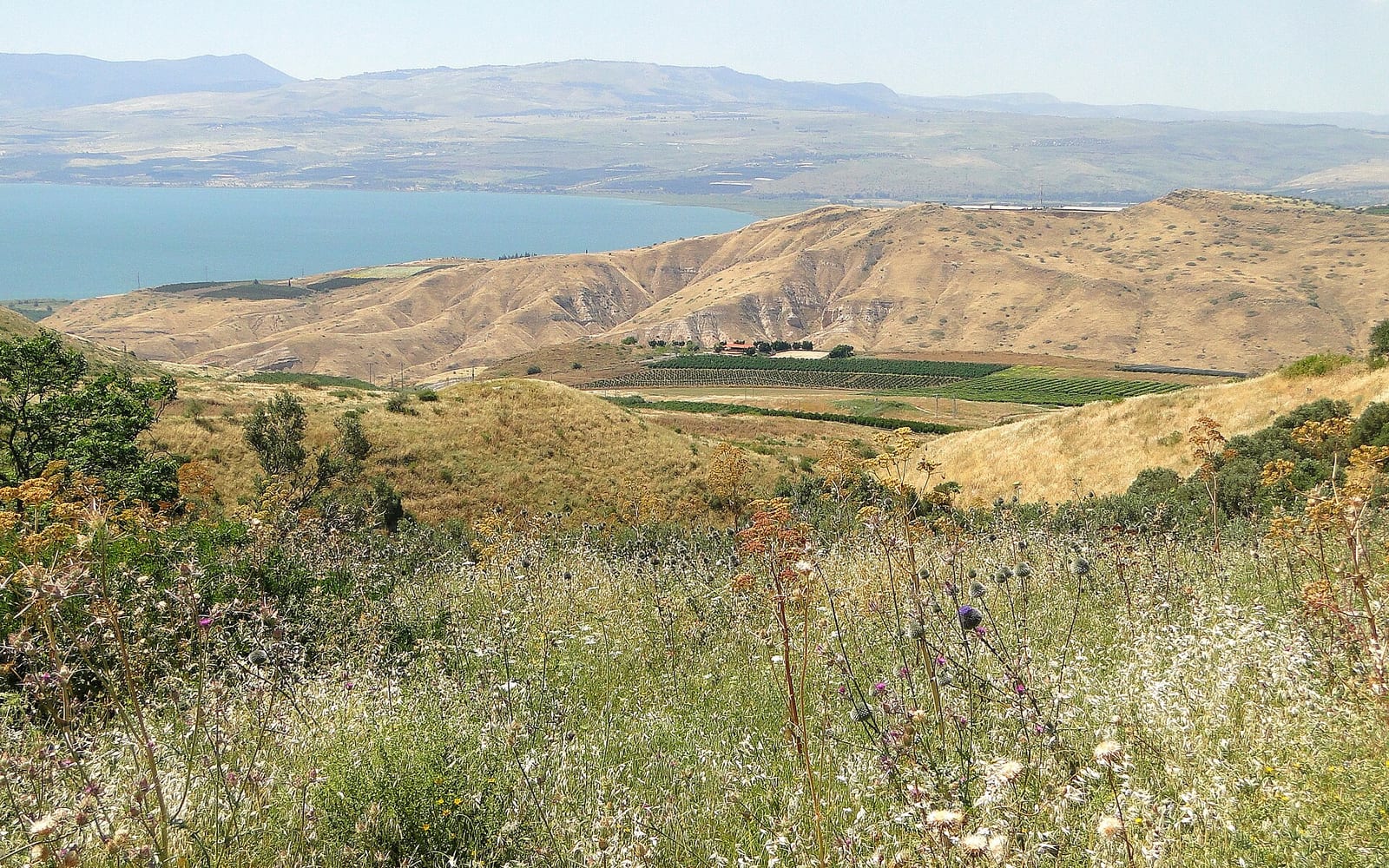
Green hills and holy water
The Sea of Galilee, Christian pilgrimage routes, hilltop Tzfat and boutique wineries.
Explore