Sea of Galilee & Nazareth Day Tour
Full day · ~10–12 h
Capernaum, the Mount of Beatitudes and Nazareth in one guided day.
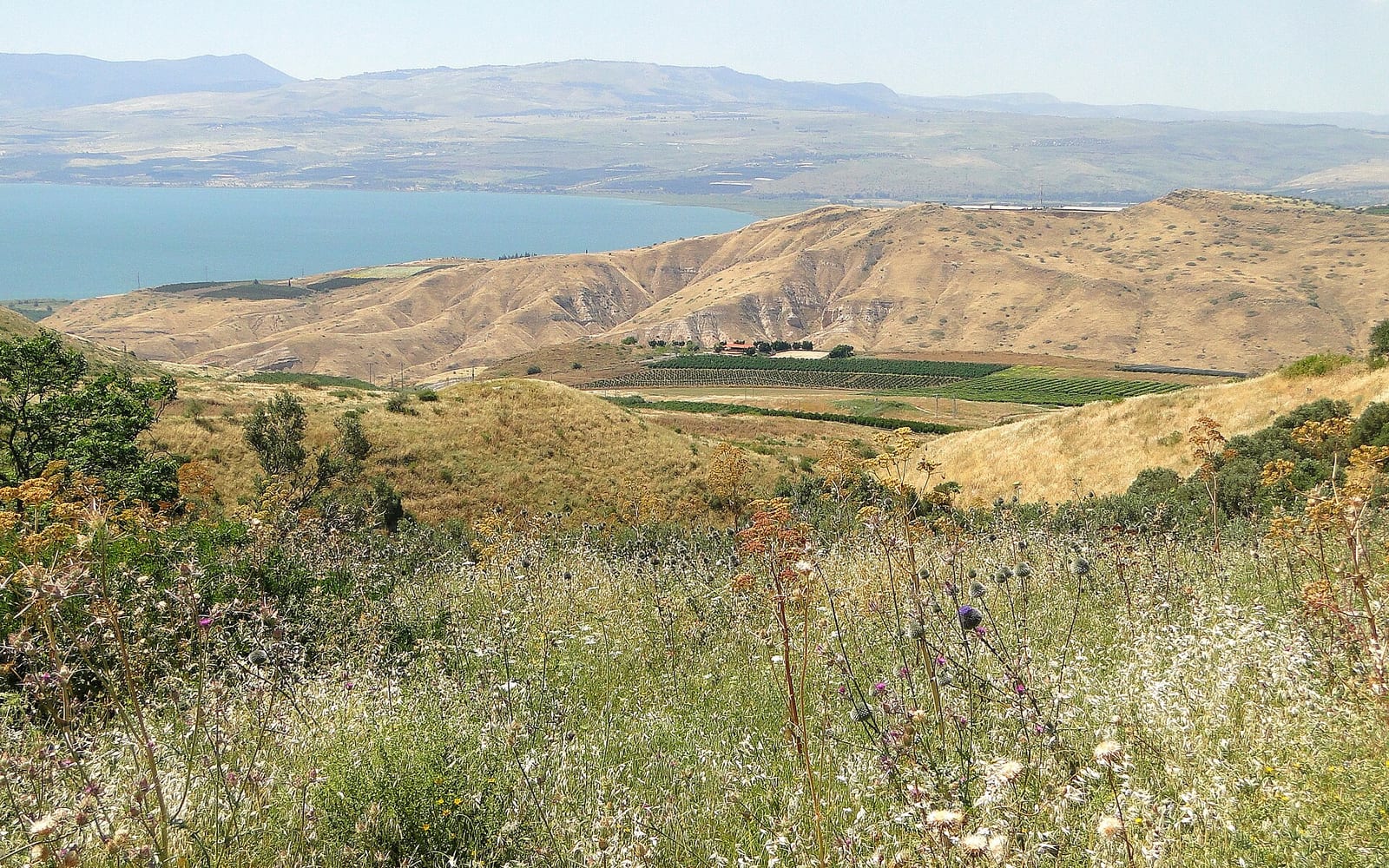
Green hills and holy water
March–May (wildflowers) & September–November · 2–3 days
Photo: Mark Direen · Pexels · Pexels License
By The Visit Israel Editorial Team · Last updated
The Galilee is the green, hilly north of Israel, wrapped around the freshwater Sea of Galilee (Lake Kinneret) where much of the Gospels unfold. Pilgrims come for Capernaum, the Mount of Beatitudes and the baptismal site at Yardenit; everyone else comes for the scenery — rolling hills, wildflowers, hot springs and a growing scene of boutique wineries and farm-to-table kitchens. The mystical hilltop town of Tzfat (Safed), cradle of Kabbalah, anchors the Upper Galilee, while lakeside Tiberias makes a practical base. The region pairs naturally with the Golan Heights to the east and Nazareth to the west, and rewards a car: two to three days lets you mix holy sites, hikes and wine.
With our booking partners
Affiliate disclosure:some links below are affiliate links. If you book through them we may earn a small commission at no extra cost to you. It helps keep this guide free.
Full day · ~10–12 h
Capernaum, the Mount of Beatitudes and Nazareth in one guided day.
Wine tour · ~6–8 h
Taste award-winning northern wines across two or three boutique wineries.
Full day · ~10–12 h
The Kabbalah town of Safed plus lakeside Christian sites.
Where to stay
Affiliate disclosure:some links below are affiliate links. If you book through them we may earn a small commission at no extra cost to you. It helps keep this guide free.
Tiberias
A restored 19th-century stone hospital on the lakeshore — the north’s finest hotel.
Check rates & availabilityvia Booking.com
Sea of Galilee
Sleek lakeside resort with infinity pools and a destination spa.
Check rates & availabilityvia Booking.com
Tabgha
Tranquil German-run guesthouse beside the Christian holy sites.
Check rates & availabilityvia Booking.com
Tiberias
Reliable lakeside base with pool, walkable to the promenade.
Check rates & availabilityvia Booking.com
| Season | Verdict | What to expect |
|---|---|---|
| Spring (Mar–May) | Best | Green hills and wildflowers; ideal hiking temperatures. |
| Summer (Jun–Aug) | Warm | Hot lakeside; head for shade, springs and early starts. |
| Autumn (Sep–Nov) | Best | Harvest season in the wineries; comfortable and clear. |
| Winter (Dec–Feb) | Cool | Cool and green with rain; lowest prices, fewest crowds. |
The Galilee is the most ecumenical Christian destination in Israel and the freshwater heart of the country in one short stretch of shoreline. The Sea of Galilee — known in Hebrew as Kinneret and in older European sources as Lake Tiberias — sits at 209 metres below sea level, the lowest freshwater lake on Earth, and the shore that frames the bulk of the Gospel narrative. A complete guide to things to do in the Galilee starts with that geography: most of the headline pilgrimage sites cluster on the northern and western shores within a thirty-minute drive of each other, while Tiberias on the western shore is the practical base, Mount Arbel rises just to the west, and the Golan Heights climb away to the east.
This guide covers when to come, where to stay across the lakeside city, kibbutz guesthouses and the Tabgha-Capernaum boutique cluster, the Christian pilgrimage circuit (respectful and ecumenical — Catholic, Greek Orthodox and Protestant traditions all hold a stake in the major sites), the nature and hiking options (Mount Arbel, Banias, the Jesus Trail), top things in Tiberias itself, the natural day trips into the Golan and Nazareth, how to arrive from Tel Aviv or Ben Gurion, and what to eat from St. Peter’s fish on the lakeside terraces to Druze hospitality in the nearby villages.
The two strongest windows are March to May and September to November. Spring is the Galilee at its most photogenic — wildflowers across the lower Golan, mild swimming water by April, and the lowest pilgrim density of the year. Autumn mirrors that shape from the other direction: water still warm enough to swim through October, cool evenings on Tiberias’s lakeside terraces, and shoulder-season hotel pricing.
Summer (June to August) is hot but is also when the lake itself becomes the main attraction — water-skiing, kayaking and stand-up paddling all operate from the public beaches, lakeside guesthouses run their high season, and most pilgrim tour groups time their visits earlier or later precisely because summer heat at the sites is fierce. Daytime highs reach 32 to 36 degrees in the Jordan Valley; bring strong sun protection and plan visits to outdoor sites like Capernaum and Mount Arbel for early morning or late afternoon.
Winter (December to February) is mild — daytime temperatures of 14 to 18 degrees and occasional rainstorms — and is the favoured pilgrim season for Catholic and Protestant tour groups timing visits around Christmas, Lent or Holy Week. Nearby Mount Hermon picks up snow most winters and runs Israel’s only ski operation; the day-trip combination of a snowy morning at Hermon and a mild Sea of Galilee afternoon is a Galilee winter signature.
The week before and after Easter is the densest pilgrim cluster of the year, with Catholic, Greek Orthodox and Protestant tour groups all moving through Capernaum, Mount of Beatitudes and the Jordan River sites simultaneously. Hotels in Tiberias and the lakeside kibbutz guesthouses book six months ahead for Holy Week. Christmas is a smaller but real pilgrim window. Otherwise the pilgrim flow runs steadily through the year.
There are three practical lodging options across the region, each with a different trade-off.
Tiberias is the lakeside city — full-service hotels along the western shore promenade, several heritage neighbourhoods, and the densest restaurant cluster. Best for travellers who want walkable evenings, hot springs and a base for both pilgrim sites and Mount Arbel. The hotels range from family-run mid-range options to several lakeside resort properties.
Lakeside kibbutz guesthouses (Kibbutz Nof Ginosar, Kibbutz Ginosar, Kibbutz Ein Gev) sit directly on the lake, north and east of Tiberias. They are simpler, often quieter, and put you a short drive from the pilgrim cluster. Several have private swimming beaches and lakeside dining terraces.
Tabgha and Capernaum boutique — a handful of small guesthouses and Christian retreat houses sit on the northern shore among the pilgrimage sites themselves. The atmosphere is contemplative; this is the choice for travellers explicitly on pilgrimage rather than general tourism.
The Sea of Galilee shore holds the most concentrated cluster of New Testament sites anywhere — much of the Gospel account of Jesus’s public ministry took place within a fifteen-kilometre stretch from Capernaum south to Magdala. The sites are respectful of multiple traditions: Catholic Franciscan custody holds the Mount of Beatitudes and most of the Latin-rite sites, Greek Orthodox jurisdiction covers Capernaum’s churches and Yardenit, and Protestant pilgrim groups use the same sites for outdoor liturgy. The pilgrimage circuit is open to visitors of any faith or none, and the tone of these notes is factual.
A note on opening hours. Very few of these sites publish hours on an official page, and several change them between the summer and winter halves of the year. Where there is a source it is named below; everywhere else the honest instruction is to confirm on the official site or with your guide before building a morning around a stop. The pattern to plan for is a long midday closure at most of the churches, which is what catches independent visitors out.
Capernaum is the northern shore archaeological park that the Gospels identify as Jesus’s adopted town during his Galilean ministry. The site holds two main visitor draws: the synagogue ruins of a 4th-century white-limestone synagogue built atop the earlier 1st-century basalt foundation that Jesus would have known, and the memorial church built in 1990 over the traditional site of Peter’s house (the church floats on stilts above the archaeological remains, which are visible through a glass floor). The site is administered by the Franciscan Custody of the Holy Land at the western (Catholic) section; a separate Greek Orthodox church sits at the lake shore a hundred metres east, marking the eastern boundary of the ancient town. Modest dress required at both churches.
Hours and fee. Capernaum is the one site in the cluster with a ticket office and an entrance fee. We could not confirm current opening hours on an official page in September 2026, so check before you go; whatever they turn out to be, arriving before 09:00 from May to October puts you ahead of the first coaches, because Capernaum is the northernmost stop and the first to fill.
The Mount of Beatitudes is the gentle hill above the northern shore traditionally identified with Jesus’s delivery of the Sermon on the Mount (Matthew 5–7). The current octagonal Catholic church at the summit was completed in 1938 by Italian architect Antonio Barluzzi (also responsible for the church on the Mount of Tabor and the Basilica of the Agony in Jerusalem); the eight sides represent the eight Beatitudes themselves. The church is under Franciscan custody; outdoor open-air liturgy spaces in the surrounding garden are widely used by pilgrim groups of every Christian tradition. The view across the Sea of Galilee to the Golan Heights is among the most photographed in the country.
Hours. The site has long been listed as open roughly 08:00–11:45 and 14:30–17:00, closing at 16:00 from October to March (seetheholyland.net, consulted 23 September 2026). That is a well-established third-party reference rather than an official page, and the midday closure is the part visitors get wrong; confirm before planning a late-morning arrival.
Tabgha, immediately west of Capernaum, holds two adjacent Christian sites: the Church of the Multiplication of the Loaves and Fishes (Benedictine custody) with its early Byzantine mosaic of bread and fish in front of the altar, and the Church of the Primacy of St. Peter (Franciscan custody) on a small rocky platform at the lake edge marking the traditional site of the post-Resurrection meal. The two churches sit within easy walking distance of each other.
Hours. Both churches close for part of the middle of the day, and the Church of the Multiplication keeps a different Friday schedule. We could not confirm current hours on an official page in September 2026; confirm on the official site, and do not plan a lunchtime arrival.
Yardenit is the symbolic Jordan River baptismal site at the southern outflow of the Sea of Galilee, where the river leaves the lake and begins its run south toward the Dead Sea. The site operates under Greek Orthodox jurisdiction and is used by Christian groups of every tradition — Catholic, Protestant, Evangelical, Orthodox — for individual and group baptisms in the river. White robes are available for rent at the visitor centre; the baptismal pools are stepped into the river bank and the water is shallow enough for safe immersion.
Yardenit is not the same site as Qasr al-Yahud, and most tour catalogues do not say which of the two they mean. Qasr al-Yahud lies about 100 km south, on the Jordan near Jericho in the West Bank, is the traditionally identified baptism site, and falls on a Jerusalem day rather than a Galilee one. If entering the water matters to you, ask the operator which site the itinerary uses; the Nazareth and Sea of Galilee day trip guide compares the two side by side. Hours at Yardenit are set by the site operator and were not confirmable on an official page in September 2026.
Magdala, on the western shore between Tiberias and Capernaum, is a recent archaeological excavation begun in 2009 that uncovered a 1st-century synagogue with an intricately carved stone block at its centre (the Magdala Stone, now the earliest known three-dimensional menorah depiction). The town is the traditional hometown of Mary Magdalene; a modern Duc in Altum spiritual centre sits adjacent to the dig and is open to visitors. Magdala is unusual in the Galilee pilgrim circuit because it is an archaeological park rather than an active worship site — the visit is a 1st-century town walk rather than a liturgical experience.
Hours. Magdala is run as a visitor site with its own centre, its own admission and its own seasonal hours; confirm on the official site.
Cana sits 10 km north-east of Nazareth on the road towards the lake, and is associated with the wedding miracle of John 2. It is not on the lakeshore, but it belongs to the same touring day: it appeared in 8 of the 12 pilgrimage itineraries read for our 2026 survey of operator catalogues, almost all of them Catholic ones, and it is where couples on those tours renew their marriage vows. Plan 15 to 30 minutes rather than an hour. Each church in the town keeps its own hours; confirm on the official site.
Every one of the 12 pilgrimage itineraries surveyed in September 2026 includes the Sea of Galilee itself, and most of them include a crossing of the lake in a wooden boat, usually between Tiberias, Ginosar and Kibbutz Ein Gev. The crossings are run commercially and are normally booked by the tour operator as part of the day; independent visitors should ask at the Tiberias marina rather than assume a published timetable exists.
Separately, the first-century fishing boat recovered from the lakebed in 1986, when drought dropped the water level far enough to expose it, is displayed indoors at Kibbutz Ginosar. It is the one stop on the circuit where you see an actual vessel of the period instead of a reconstruction, and it is the obvious refuge in midday heat or winter rain. Museum hours are published by the site; confirm on the official site.
For how this cluster fits into a full itinerary alongside the Jerusalem and Bethlehem half, see our Christian sites in Israel guide; the lakeside day itself is covered in the Nazareth and Sea of Galilee day trip.
The Galilee is not only the pilgrim shore — the basalt cliffs, the wadis flowing down from the Golan, and the long-distance trails that thread the region are among Israel’s strongest nature experiences.
Mount Arbel rises 380 metres above the lake’s western shore and holds a Bronze Age cliff face that the modern hiker traverses via a sequence of carved hand- and foot-holds (the section is properly cabled, but it is exposed — not suitable for vertigo-sensitive visitors). The summit panorama covers the entire Sea of Galilee, the Golan, the Jordan Valley and on clear winter days the snow on Mount Hermon. The full loop down through the Arbel caves (Jewish refuge caves carved into the cliff face during the Hasmonean revolt) takes about three hours; the summit-to-summit panorama route is forty minutes round trip.
The Banias waterfall and spring complex sits technically in the southern Golan but is a standard Galilee day-trip — the largest waterfall in Israel by volume, the Pan grotto archaeological site (associated with Caesarea Philippi in the Gospels, distinct from coastal Caesarea Maritima), and a network of short walks through the riverside forest. Allow half a day.
The Jesus Trail is a four-day waymarked hike from Nazareth east to Capernaum (62 kilometres), through Cana and Mount Arbel. It is a comfortable walking trail with bed-and-breakfast accommodation in the villages along the route, and pairs well with a one-night Tiberias stop at the end before continuing the lake circuit by car. Smaller two-day sections are available for travellers without the time for the full route.
Tiberias is the Galilee’s only lakeside city — Roman in origin, Crusader in form, and the practical staging point for most visits to the region.
The Tiberias tayelet runs along the western shore for about three kilometres of restaurant terraces, fishing piers and small public beaches. The southern stretch is the historic port; the northern stretch is the modern resort hotel cluster. Evening walks here are a Galilee staple, especially in shoulder season when the lake is still warm but the heat has lifted.
Hamat Tiberias at the southern edge of the city is a 2,000-year-old thermal-spring complex with a Roman-era mineral water source still flowing today. The modern site holds a small archaeological park (Roman-era synagogue with a remarkable zodiac floor mosaic) and a separate paid hot-spring spa. The combination of synagogue mosaic plus hot springs is the most distinctive single Tiberias visit.
The Tomb of Maimonides in central Tiberias is the resting place of Moses ben Maimon (1138–1204), among the most important Jewish philosophers and codifiers of Jewish law. The site is a free-entry Jewish pilgrimage destination and a frequent stop for visitors of any faith interested in medieval Jewish thought.
The Galilee’s central position in the north makes it the natural base for day trips into the wider region.
Nazareth is forty minutes south-west by car — the Basilica of the Annunciation (the largest Christian church in the Middle East), the Old City market, and the Arab-Israeli mixed culture of Israel’s third-largest predominantly Arab city. Half a day to a full day.
The Golan Heights climb away to the east — Mount Bental observation lookout (a Yom Kippur War heritage site with a panorama deep into Syria), Banias waterfall, the Nimrod Fortress Crusader-era castle, and the Druze villages of Majdal Shams and the Druze of Mount Hermon. A full day comfortably covers two or three of these stops.
Safed (Tzfat) is 45 minutes north-west from Tiberias — Israel’s highest city at 900 metres and the historic centre of Jewish Kabbalistic mysticism, with 16th-century synagogues, a working Artists’ Quarter, and panoramic views over the Upper Galilee.
Akko (Acre) on the Mediterranean coast is a 1.5-hour drive west, with the UNESCO Crusader Old City, the Hospitaller Knights’ Halls, and the Templar Tunnel. The combination of Galilee freshwater shore plus Mediterranean Crusader port works well as a two- or three-day touring loop.
Most international travellers arrive at Ben Gurion International Airport (TLV) outside Tel Aviv. From there, Tiberias is roughly a two-hour drive via Route 6 (the toll road) and Route 65 east through the Lower Galilee.
The practical options are:
Galilee cuisine reflects the region’s three communities — Jewish lakeside dairy and grilled-fish traditions, Arab-Israeli hospitality from Nazareth and the lower Galilee Christian villages, and Druze cuisine from the villages on Mount Carmel and the Golan slopes.
St. Peter’s fish (musht / amnoon) is the lakeside signature — a tilapia native to the Sea of Galilee, traditionally grilled whole and served with lemon, tahini and Galilee salad. Several Tiberias lakeside restaurants and the Ein Gev fish restaurant on the eastern shore are the established names. The Gospel connection (Matthew 17:24–27, the miraculous fish with the coin) makes it a pilgrim-circuit staple even for travellers who would not normally eat whole fish.
Druze hospitality is a distinct cuisine and culture — the small Druze villages of Daliyat al-Karmel and Isfiya on the Carmel side trip, and Majdal Shams in the Golan, offer mansaf-style trays, freshly-baked saj bread wrapped around labneh and za’atar, and rich coffee. Several Druze families operate visitor-meal experiences.
Kibbutz dairies — the lakeside kibbutzim including Kibbutz Nof Ginosar and others on the Tnuva dairy heritage trail produce some of Israel’s best fresh cheeses, yogurts and labnehs. Several have visitor dairy shops attached.
Cash and card — most pilgrim sites are free or have a small entrance fee; carry small cash for parking and church donations. Modest dress is enforced at Capernaum, Mount of Beatitudes, the Greek Orthodox churches at Capernaum and Yardenit; cover shoulders and knees. Sun protection is essential year-round; the basalt rock and lake reflection raise effective UV exposure. Sundays and major Christian holidays see the pilgrim sites at peak attendance; weekday mornings are quietest.
Two full days lets you cover the headline Sea of Galilee pilgrimage circuit — Capernaum, Mount of Beatitudes, Tabgha and Yardenit — plus one nature day at Mount Arbel or Banias. Three days adds Nazareth, the Jesus Trail or a deeper visit to Tiberias. Most first visitors base in Tiberias or a lakeside kibbutz guesthouse for two nights.
Yes. The Sea of Galilee, Lake Tiberias and Kinneret all name the same freshwater lake — the lowest freshwater lake on Earth at roughly 209 metres below sea level. English-language guides typically use Sea of Galilee, Hebrew uses Kinneret, and Lake Tiberias appears in older European and Arabic sources. The lake is Israel's primary freshwater reservoir and the shore of much of the Gospel narrative.
March to May (spring wildflowers and mild swimming) and September to November (warm lake water without summer heat) are the strongest windows. Summer is hot — 32 to 36 degrees inland — but lakeside hotels stay busy because swimming and water sports peak. Winter is mild with occasional rainstorms and snow on nearby Mount Hermon; many Christian pilgrim groups travel in winter.
The headline cluster sits on the northern shore — Capernaum (synagogue ruins and Peter's house), the Mount of Beatitudes (Sermon on the Mount), Tabgha (Loaves and Fishes mosaic), and Yardenit on the southern shore (a symbolic Jordan River baptismal site). Magdala on the western shore is a recent archaeological excavation associated with Mary Magdalene. Most pilgrim itineraries pair the Sea of Galilee day with Nazareth and the Jordan River.
The most practical option is rental car — Tiberias is about a two-hour drive from Ben Gurion airport via Route 6 and Route 65. Egged operates direct buses from Tel Aviv to Tiberias (around two and a half hours), but a car is essential for the pilgrimage sites and Mount Arbel which sit outside the city. Several Tel Aviv tour operators run day trips with hotel pickup.
Yes — public beaches with showers and changing facilities run along the eastern and western shores; some are free, others charge a small entrance fee. Lake water is warm from May through October. Avoid the lake within an hour of sunrise or sunset around Yardenit and the southern shore where the Jordan River outflow can carry currents.
Yes. The Galilee is a long-established tourism corridor with well-marked sites, English-speaking guides at the major pilgrimage spots, and a strong network of kibbutz and lakeside guesthouses. Standard travel awareness applies for hiking — bring water and sun protection for Mount Arbel and the Jesus Trail.
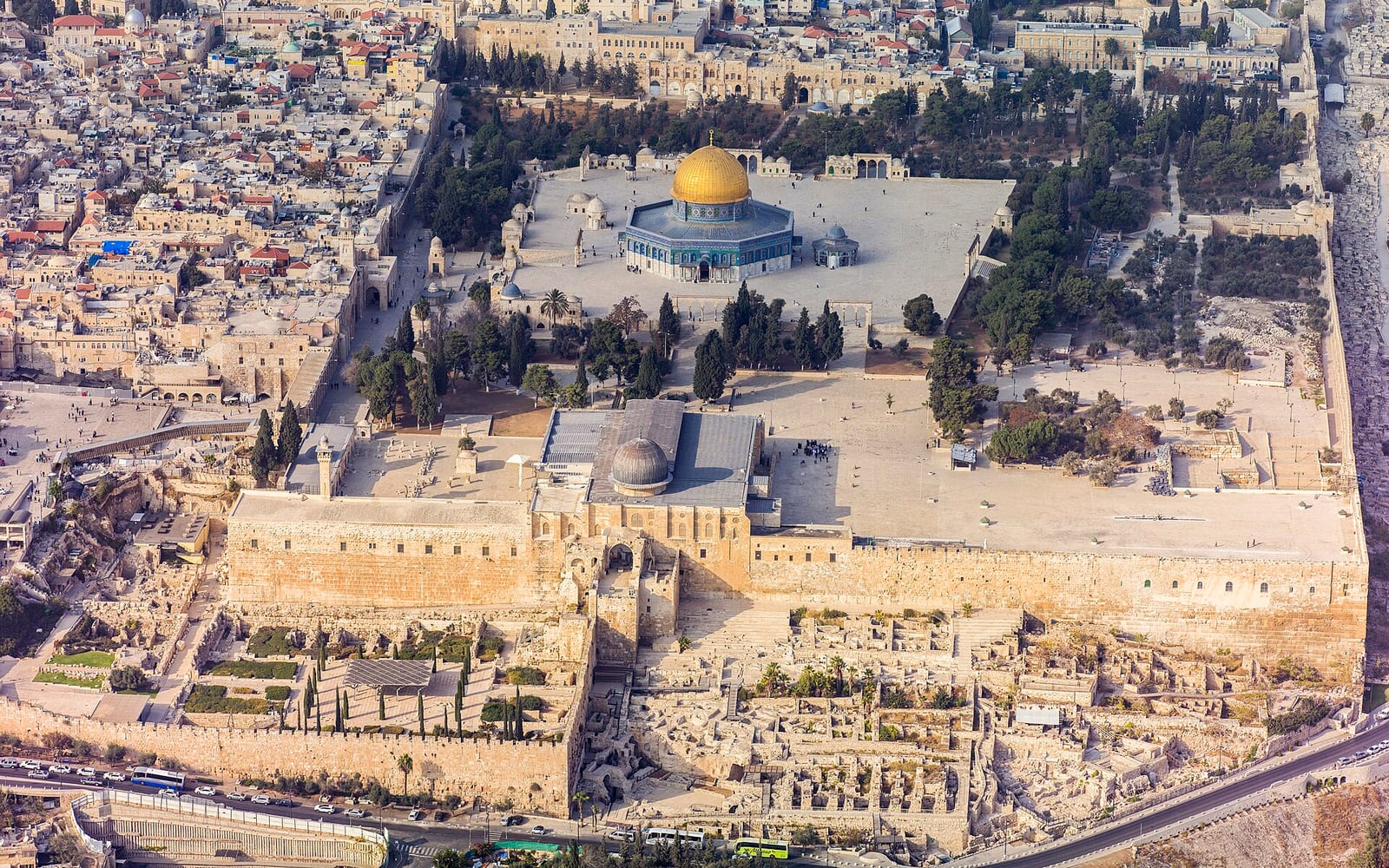
Israel's spiritual heart
Old City quarters, the Western Wall and the Church of the Holy Sepulchre, with day trips to the Dead Sea.
Explore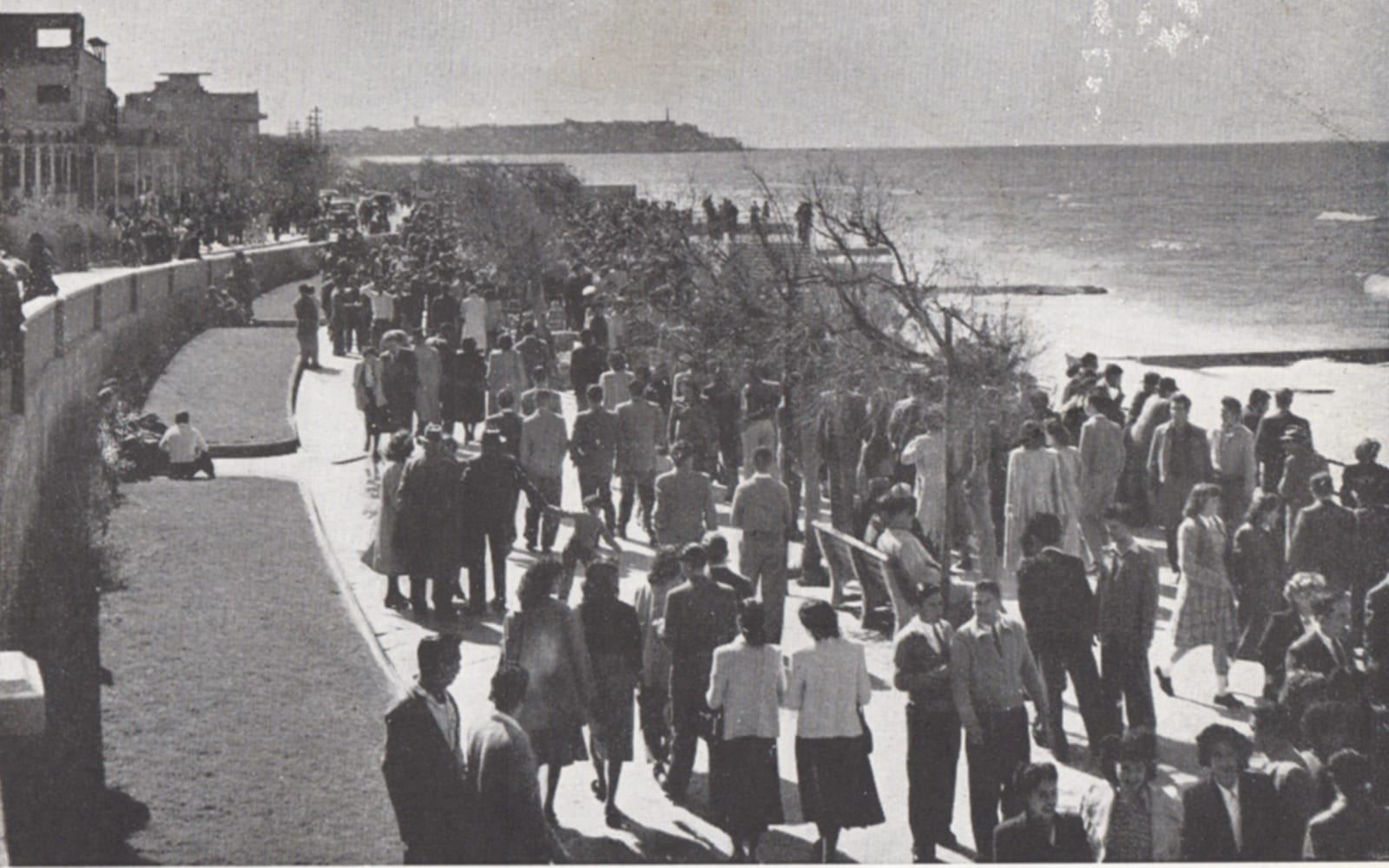
Mediterranean cool
Golden beaches, Bauhaus architecture and a 24-hour food, art and nightlife scene.
Explore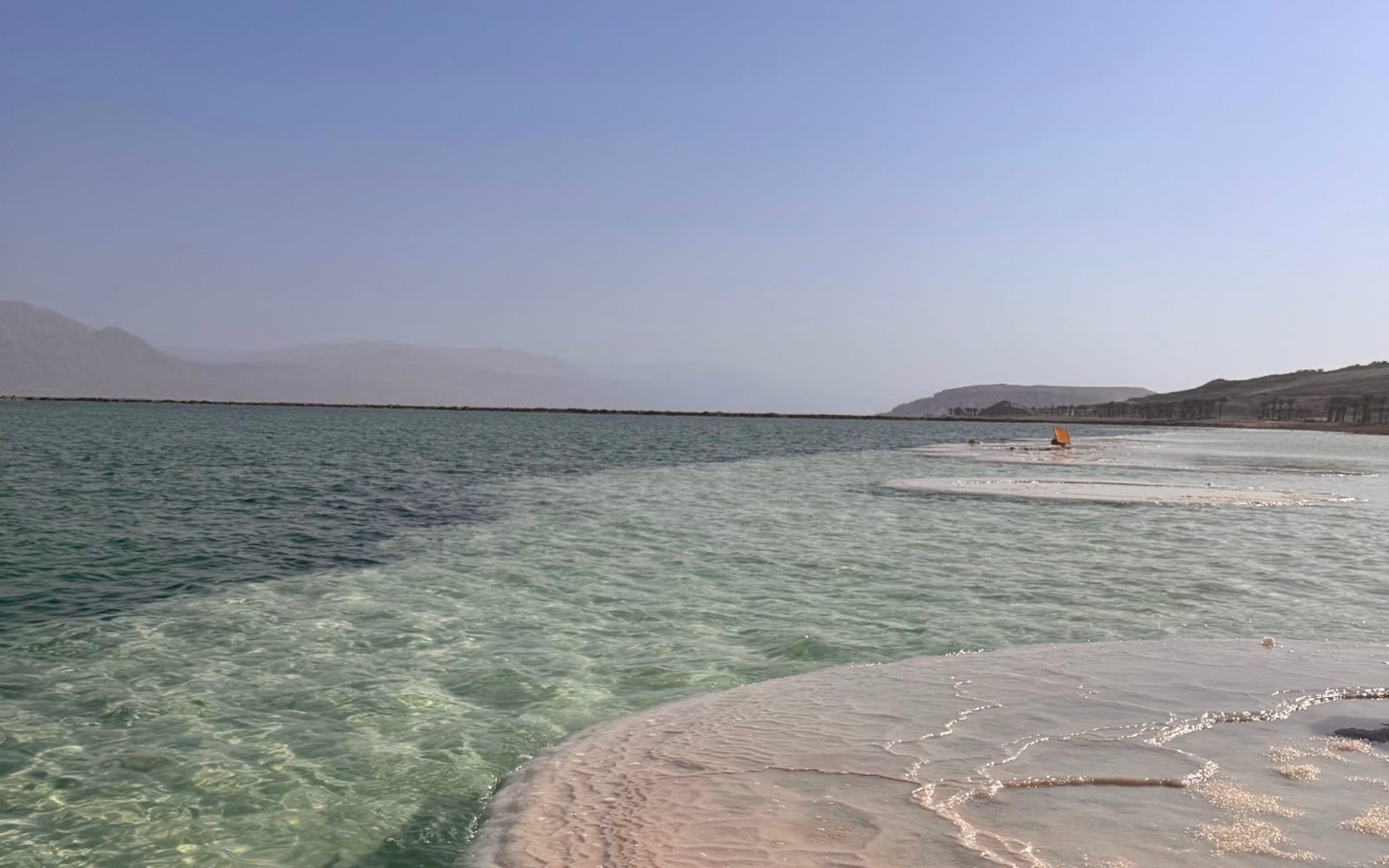
The lowest place on Earth
Float on mineral-rich water, climb Masada at sunrise and hike the Ein Gedi oasis.
Explore