Jerusalem Old City: Half-Day Walking Tour
Walking tour · ~3–4 h
The four quarters, the Western Wall and the Holy Sepulchre with an expert guide.
Israel's spiritual heart
March–May & September–November · 2–4 days
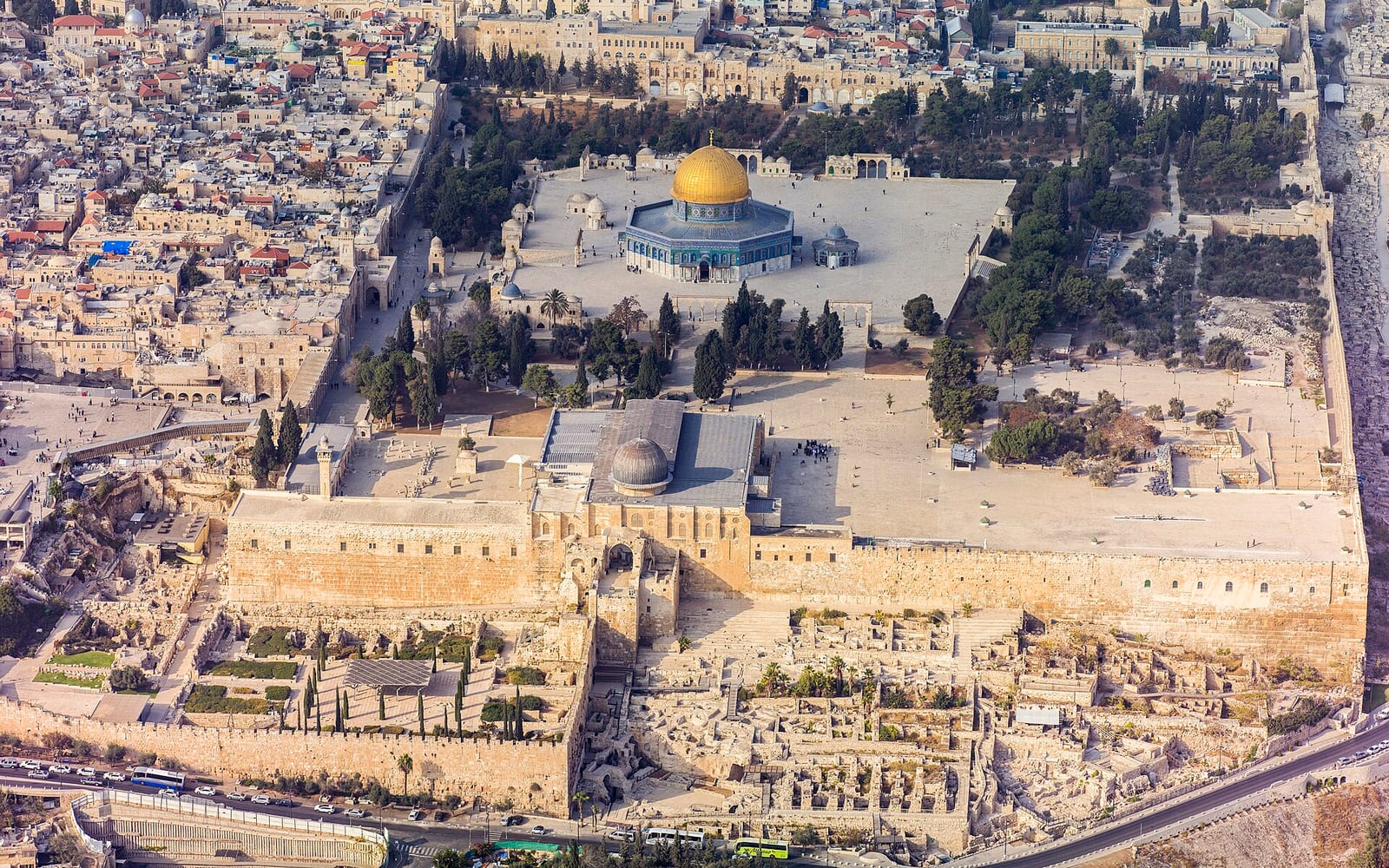
Photo: Godot13 · Wikimedia Commons · CC BY-SA 4.0
By The Visit Israel Editorial Team · Last updated
Jerusalem is the spiritual capital of three world religions and the single most layered city in Israel — four millennia of history packed into a walled square kilometre 754 metres above sea level in the Judean Hills. Most visitors come for the Old City, whose four quarters hold Judaism's Western Wall, Christianity's Church of the Holy Sepulchre and Islam's Dome of the Rock and Al-Aqsa Mosque, all within a ten-minute walk of one another. Beyond the walls, modern West Jerusalem adds the Mahane Yehuda food market, the Israel Museum and Yad Vashem. Reachable in about 30 minutes by high-speed train from Ben Gurion Airport, Jerusalem rewards two to four days and works as a base for day trips to the Dead Sea, Masada and Bethlehem. Spring and autumn are the ideal seasons; plan around Shabbat, when the Jewish city pauses from Friday afternoon to Saturday night.
With our booking partners
Affiliate disclosure:some links below are affiliate links. If you book through them we may earn a small commission at no extra cost to you. It helps keep this guide free.
Walking tour · ~3–4 h
The four quarters, the Western Wall and the Holy Sepulchre with an expert guide.
Full day · ~9–10 h
Combine the Old City highlights with a guided afternoon in Bethlehem.
Guided tour · ~1.5 h
Walk the 488 m underground length of the Western Wall and Herodian street.
Sunrise trip · ~10–12 h
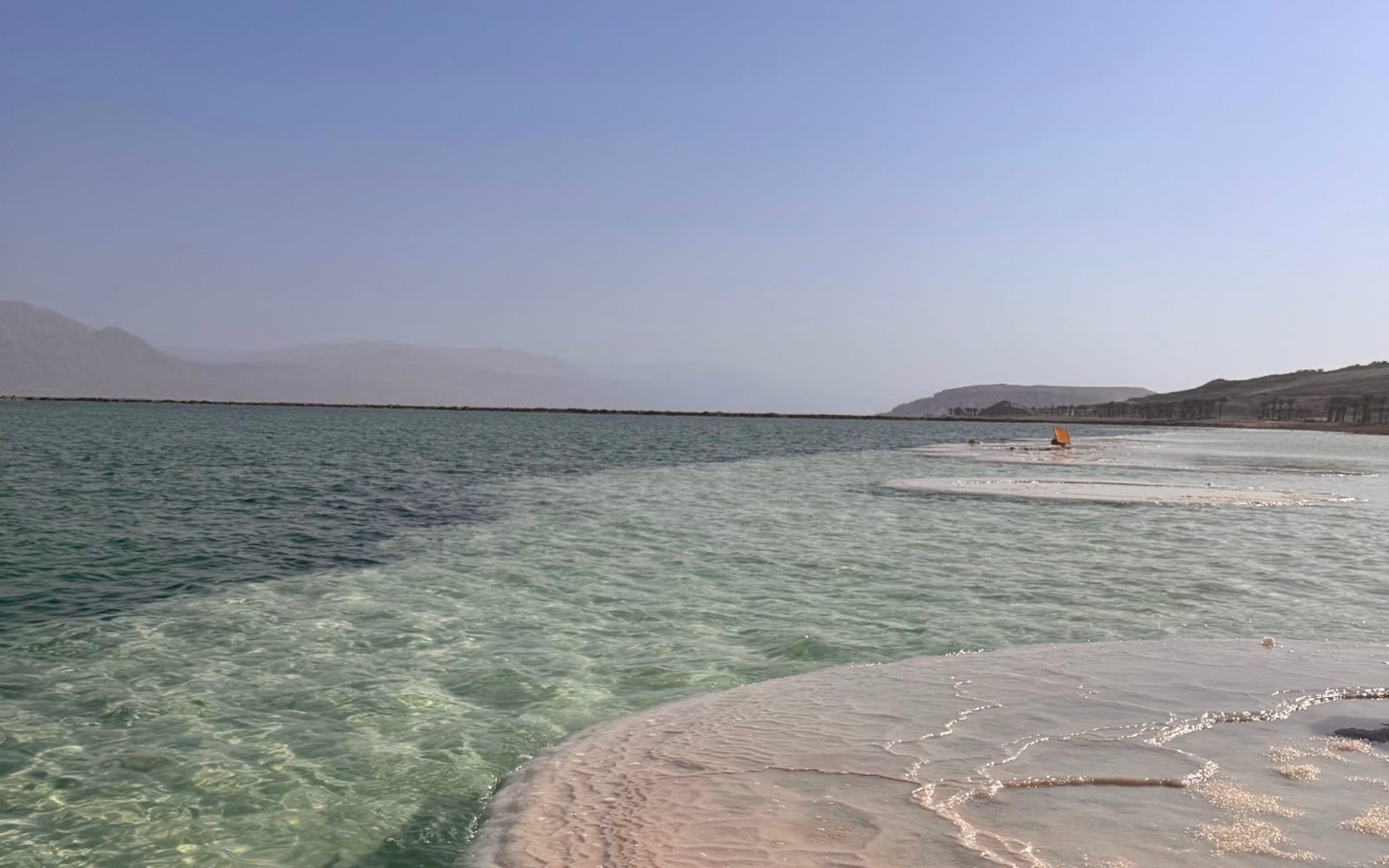
Dawn ascent of Masada, then float in the Dead Sea — back by afternoon.
Where to stay
Affiliate disclosure:some links below are affiliate links. If you book through them we may earn a small commission at no extra cost to you. It helps keep this guide free.
Full guide: best hotels in Jerusalem →
City Centre
The grande dame of Jerusalem hotels since 1931, overlooking the Old City walls.
Check rates & availabilityvia Booking.com
Mamilla
Sleek design hotel steps from Jaffa Gate with a celebrated rooftop restaurant.
Check rates & availabilityvia Booking.com
City Centre
Restored 1920s landmark with marble lobby and Old City proximity.
Check rates & availabilityvia Booking.com
Jewish Quarter
Comfortable, well-located base inside the Old City walls.
Check rates & availabilityvia Booking.com
| Season | Verdict | What to expect |
|---|---|---|
| Spring (Mar–May) | Best | Wildflowers, mild days, Easter & Passover. Book early. |
| Summer (Jun–Aug) | Hot | Dry 30–33°C; start early, rest midday, enjoy cool evenings. |
| Autumn (Sep–Nov) | Best | Warm days, High Holidays, olive harvest. |
| Winter (Dec–Feb) | Quiet | Cool and rainy, occasional snow; cheapest hotels. |
The best things to do in Jerusalem are concentrated in and around the Old City: the Western Wall, the Church of the Holy Sepulchre, the Temple Mount / Haram al-Sharif and the Via Dolorosa, plus three sites just outside the walls that justify the trip on their own: the Mount of Olives, the City of David and Yad Vashem. Three full days covers them; two is workable; four is comfortable.
This guide starts with how many days to give the city and how the Old City is laid out (quarters, gates, where to enter), then walks through every major site: what it is, why it matters, and how to visit it (hours in general terms, closed days, how long to allow, what to combine it with). Then the practical decisions: when to come, Shabbat, where to sleep, day trips, transport and food. Opening hours are as they stood in September 2026 and are flagged where we could not confirm them on the official site; religious sites change their schedules around holidays, so check before you go.
Three full days is the number most first-time visitors settle on, and it is the right one. Here is how the time divides:
One day covers the Old City on foot: Jaffa Gate to the Western Wall through the Jewish Quarter, the Temple Mount / Haram al-Sharif in its morning window if the day allows, the Via Dolorosa to the Church of the Holy Sepulchre, and a late lunch in the Muslim Quarter souk. It is a long, dense day. If you have only one, start at 07:00.
Two days adds the sites that ring the walls: sunrise from the Mount of Olives, the walk down through Gethsemane to Lions’ Gate, the City of David and Hezekiah’s Tunnel, and an evening in Mahane Yehuda market. Alternatively use the second day for West Jerusalem’s two anchor museums, Yad Vashem and the Israel Museum.
Three days lets you do both of the above and still fit a half-day in Mount Zion and Yemin Moshe, or swap the third day for a Dead Sea and Masada or Bethlehem trip.
Four or more days is for travellers who want to return to the Old City at different hours (it is a different place at dawn, at Friday dusk and on a Saturday afternoon), take a specialist tour such as the Western Wall Tunnels, and eat properly. Our 7-day Israel itinerary gives Jerusalem three nights within a first trip; the first-time in Israel guide covers the basics that apply everywhere. Whatever the length, plan around Shabbat: a Saturday in West Jerusalem is a wasted day, a Saturday in the Old City or on a day trip is a good one.
The Old City is roughly one square kilometre inside walls built by the Ottoman sultan Suleiman the Magnificent between 1537 and 1541: a tilted square with the Temple Mount / Haram al-Sharif filling the south-east corner and the four residential quarters filling the rest. It is small enough to cross on foot in twenty minutes and confusing enough that most visitors get lost at least once.
The Muslim Quarter is the largest and most populous, occupying the north-east. Damascus Gate opens straight into its souks: Souk Khan al-Zeit running south, al-Wad Street toward the Western Wall, and the covered Cotton Merchants’ Market leading to a gate of the Temple Mount / Haram al-Sharif. The first nine stations of the Via Dolorosa run through it. This is where the Old City eats, and the Austrian Hospice rooftop on al-Wad Street gives the best free view over the domes.
The Christian Quarter fills the north-west around the Church of the Holy Sepulchre, with most of the Old City’s churches, the Muristan market and the Lutheran Church of the Redeemer, whose bell tower gives the clearest 360-degree view of the quarters. Christian Quarter Road connects Jaffa Gate to the church.
The Armenian Quarter, in the south-west, is the smallest and quietest: a walled compound around the Cathedral of St James (open briefly for afternoon services) and a handful of ceramics workshops carrying on a tradition that arrived from Kütahya in 1919. It is the shortest route from Jaffa Gate to Zion Gate and Mount Zion.
The Jewish Quarter, in the south-east against the Western Wall plaza, was rebuilt after 1967 and reads as newer and more open. Its sights are mostly archaeological: the Cardo (the excavated Byzantine colonnaded street), the eighth-century BCE Broad Wall, the Burnt House and Wohl Archaeological Museum with houses from the destruction of 70 CE, and the rebuilt Hurva Synagogue. The plaza staircase offers the classic view of the Western Wall with the Dome of the Rock behind.
Eight gates pierce the walls; seven are open. Knowing which one to use saves a great deal of walking.
The eighth, the Golden Gate (Gate of Mercy) on the east wall of the Temple Mount / Haram al-Sharif, has been sealed for centuries.
A useful rule for getting your bearings: the Old City slopes downhill toward the south-east, so if you are lost, walking downhill brings you to the Western Wall plaza and Dung Gate, and walking uphill brings you toward Jaffa Gate or Damascus Gate. The free maps at the Jaffa Gate tourist information office are good enough.
The Old City packs more first-rank sites into one square kilometre than anywhere else in the country. A first pass takes a full day; two lets you give each site the time it deserves and return at a quieter hour.
The Western Wall is a surviving section of the retaining wall that King Herod built around the Second Temple platform in the first century BCE. Because it is the closest accessible point to where the Temple stood, it has been Judaism’s most significant prayer site for centuries. The exposed section above the plaza is about 57 metres long; the full wall runs for nearly half a kilometre, most of it underground (see the tunnels below).
How to visit. The plaza is open 24 hours, every day, and free. You pass a security check at the entrances. The wall itself is divided into a men’s section and a smaller women’s section; men cover their heads (paper kippot are available), and everyone covers shoulders and knees. Writing a note and placing it in a crack is customary and open to all faiths. Photography is fine on weekdays and forbidden on Shabbat and Jewish holidays.
When to come. Friday at dusk, as Shabbat begins, is the most memorable hour: soldiers, yeshiva students and families sing and dance across the plaza. Watch from the back and keep your phone in your pocket. Monday and Thursday mornings bring bar mitzvah ceremonies. Combine with the Jewish Quarter above the plaza, the Davidson Center archaeological park to the south (the Herodian street and the fallen stones of the 70 CE destruction), and the City of David, five minutes’ walk through Dung Gate.
The Western Wall Tunnels run for 488 metres along the buried length of the wall, beneath the houses of the Muslim Quarter, past the largest stone in the wall (the so-called Western Stone, estimated at several hundred tonnes), a Herodian street, a Hasmonean water channel and the point closest to where the Holy of Holies is believed to have stood. It is the most consistently praised underground experience in the city and the one first-time visitors most often skip for lack of planning.
How to visit. Entry is only with a certified guide on a timed tour. The Western Wall Heritage Foundation states that tours must be reserved in advance; as of September 2026 the main route (the Great Stone Route) runs Sunday to Thursday from 9:00 to 22:00 and Friday from 9:00 to 13:00, with departures every 20 minutes and a tour of about an hour and ten minutes. It does not run on Shabbat or Jewish holidays. A second route, the Great Bridge Route, opened after recent excavation work. Book on the Foundation’s site or through the tour operators we compare; the tunnels are cool year-round, involve stairs and narrow passages, and are only partially wheelchair-accessible. You start beside the Western Wall plaza and exit near the Via Dolorosa.
The holiest site in Christianity, venerated since at least the fourth century as the place of the crucifixion, burial and resurrection of Jesus. One dim complex holds several distinct places: the Stone of Anointing inside the door, Calvary up the steep stairs to the right, the Rotunda with the Aedicule over the Tomb, the Greek Orthodox Katholikon, and a long descent to the Chapel of St Helena.
How to visit. Entry is free, there are no closed days, and the church opens before dawn and closes in the evening. The one rule that matters: come in the first hour after opening if you want to enter the Aedicule; by 10:00 the queue for the Tomb regularly runs past an hour. Cover shoulders and knees; no photography during services; allow 60 to 90 minutes.
The hours, the Tomb queue by time of day, Mass times and languages and the walk in from each gate are in our Church of the Holy Sepulchre guide.
The raised platform in the south-east corner of the Old City is the Temple Mount to Jews, the site of the First and Second Temples, and the Haram al-Sharif (Noble Sanctuary) to Muslims, the third-holiest site in Islam after Mecca and Medina. On it stand the Dome of the Rock, completed in 691 under the Umayyad caliph Abd al-Malik and the oldest surviving Islamic monument in the world, and the Al-Aqsa Mosque along the southern edge. The gilded dome you see from every viewpoint in the city is the Dome of the Rock; the whole 14-hectare esplanade, with its cypresses, fountains and Mamluk arcades, is worth the visit even though non-Muslims cannot currently enter either building.
How to visit. The compound is administered by the Jordanian-run Islamic Waqf, with Israeli police controlling the gates. Non-Muslim visitors enter only through the Mughrabi Gate, reached by the wooden ramp that rises from the Western Wall plaza security area, and only during set visiting windows: as a general pattern, Sunday to Thursday, a morning window of a few hours from around 07:30 and a shorter window in the early afternoon, with no visitor access on Friday, Saturday, during Muslim holidays and for most or all of Ramadan. Times shift with the season and the security situation, so confirm locally the day before. Arrive at least 30 minutes before the window opens; the queue is slow and closes early when the quota is reached.
Rules. Modest dress is enforced strictly (long trousers or skirts, covered shoulders; wraps are lent at the gate). Non-Muslim prayer and religious objects are not permitted. Allow 45 to 60 minutes; there is little shade in summer. You exit through the other gates into the Muslim Quarter, which puts you at the Cotton Merchants’ Market or the Via Dolorosa.
The traditional route of the Passion, marked in fourteen stations from near Lions’ Gate to the Church of the Holy Sepulchre, where the last five lie. The route as walked today was fixed by the Franciscans in the eighteenth century and threads through the Muslim Quarter souks, past the Church of the Flagellation, the Ecce Homo Arch and a series of small chapels marked by numbered plaques and often locked doors.
How to visit. The street is public and free at all hours; the chapels keep their own limited hours. Walking it slowly takes about 90 minutes. The Franciscans lead a public procession every Friday afternoon that anyone may join, at 16:00 and at 15:00 from November to March, and it is the best way to feel the route as a devotion rather than a shopping street.
The fourteen stations one by one, which ones you can enter, and what changes on Good Friday are in our Via Dolorosa guide.
The citadel just inside Jaffa Gate, misnamed the Tower of David by Byzantine pilgrims, is a medieval fortress on Herodian foundations housing the Tower of David Museum of the History of Jerusalem, renovated in recent years with new galleries and a rooftop lookout. It is the best single place to grasp the city’s 4,000-year sequence before you walk through it; the evening light show on the walls is a good first-night activity and must be booked. Ticketed, open most days including Saturday; allow 90 minutes. The Ramparts Walk (separate ticket, same gate) covers the wall top in two stretches: north from Jaffa Gate to Lions’ Gate (about an hour, the better views) and south past Zion Gate to Dung Gate (shorter). The southern stretch closes early on Friday and on Saturday; check hours at the ticket office.
Two hillsides immediately south of the Old City walls hold some of the most important archaeology in Jerusalem, and most one-day visitors never see them.
The City of David is the narrow ridge running south from Dung Gate above the Kidron Valley, in the neighbourhood of Silwan. It is the original Bronze and Iron Age core of Jerusalem: the Canaanite and Judahite city that pre-dates the Old City walls by more than two thousand years. The site is a national park with an active excavation, and its headline attractions are underground. Warren’s Shaft and the Canaanite fortifications guard the Gihon Spring, the reason a city was founded here at all. Hezekiah’s Tunnel (also called the Siloam Tunnel) is a 533-metre water channel cut through bedrock in the eighth century BCE and still carrying water; you walk its full length in the dark, in flowing water that reaches up to about 70 centimetres according to the site’s own FAQ, and emerge at the Pool of Siloam. A dry Canaanite tunnel runs parallel for those who prefer to stay out of the water. The Pilgrimage Road, a stepped Second Temple-period street excavated beneath modern houses, climbs from the pool toward the Temple Mount / Haram al-Sharif and is visited on a separate guided tour.
How to visit. The park is open Sunday to Thursday and Friday morning and closed on Shabbat; hours shorten in winter and on holiday eves, so check the official site. Entry is ticketed, the tunnel adds a small supplement, and the Pilgrimage Road is a separate two-hour guided tour to book ahead. Bring strap-on sandals or water shoes, a torch (phone lights work) and a change of shorts for the wet tunnel; the water is cold in every season and there is a minimum height for children. Allow two hours, three with the Pilgrimage Road. The climb back to Dung Gate is steep; a shuttle usually runs from the Pool of Siloam.
Combine with the Western Wall and the Davidson Center, both within ten minutes’ walk, or Mount Zion across the valley.
Immediately outside Zion Gate, Mount Zion is a five-minute detour that packs three significant sites into one hilltop. The Dormition Abbey, a Benedictine church completed in 1910 with a distinctive conical roof and bell tower, commemorates the death of Mary and has a fine mosaic crypt. Next to it, one building serves two traditions: the upper floor is the Cenacle, the room venerated as the site of the Last Supper (a Gothic Crusader hall later used as a mosque), and the lower floor is David’s Tomb, a synagogue-like space around a cenotaph, with separate men’s and women’s sections. In the Catholic cemetery on the slope below is the grave of Oskar Schindler, marked by the small stones visitors leave.
How to visit. All three are free; the Cenacle and David’s Tomb open daily with shorter Friday hours, the abbey keeps church hours with a midday closure. Allow an hour; head coverings for men at David’s Tomb.
The Mount of Olives is the ridge east of the Old City, separated from it by the Kidron Valley, and the one place every visitor should go in the first 24 hours. From its summit lookout the entire Old City lays itself out at your feet: the golden Dome of the Rock centred on the platform, the Golden Gate sealed in the wall below, the grey domes of the Holy Sepulchre behind, and the tower of the Dormition Abbey to the right. The slope beneath the viewpoint is the world’s oldest continuously used Jewish cemetery; the lower slope holds the churches associated with the last night of Jesus.
Top to bottom, the sites are: the small Chapel of the Ascension (a Crusader-era structure administered by a Muslim family, with a footprint in the rock), the Church of the Pater Noster (the Lord’s Prayer in tiled panels in well over a hundred languages), the lookout by the Seven Arches Hotel, Dominus Flevit (Antonio Barluzzi’s teardrop-shaped chapel of 1955, whose altar window frames the Dome of the Rock), the Church of Mary Magdalene (the Russian Orthodox church with seven gilded onion domes, open only a few mornings a week), the Garden of Gethsemane with its ancient olive trees, the Church of All Nations (Basilica of the Agony, Barluzzi again, 1924, with its mosaic façade), and across the road the Tomb of the Virgin Mary, a Crusader crypt reached by a broad staircase.
How to visit. Take a taxi or bus to the top (the Seven Arches Hotel is the reference point) and walk down: a steep 20-minute descent on a road with no pavement in places, so wear proper shoes and go down, never up, in summer. With stops at every church it is a comfortable two hours; the churches are free and keep morning and afternoon hours with a midday closure, so start by 08:30. The best light for photographs of the Old City is morning, with the sun behind you. At the bottom you cross the road to Lions’ Gate, where the Via Dolorosa begins, which makes a natural full morning: Mount of Olives, Gethsemane, Via Dolorosa, Holy Sepulchre. Most churches close on Sunday morning for services; if one is locked, the view remains.
The best half-day in the city is a line down a hillside rather than a list of sites. It works because it runs with the light and stays ahead of the coaches.
The one trade-off is that this delivers you to the Holy Sepulchre after the tour groups arrive, so the queue for the Tomb will be long. If entering the Tomb matters more than the sequence, do the church at opening instead and walk the Via Dolorosa backwards afterwards; the stations are numbered, so it is easier than it sounds.
Catholic Masses run in the Holy Sepulchre every morning. The Custody of the Holy Land publishes a Latin High Mass at 07:30 in summer and 06:30 in winter, daily except Friday, Masses on Calvary in the hours before that, and a Franciscan procession inside the basilica at 17:00 in summer and 16:00 in winter (read on cicts.org on 23 September 2026). An individual traveller does not book anything: you turn up to the High Mass or the procession.
A group that wants its own Mass at a particular altar has to reserve one, and the early Calvary slots only run when a group has booked them. Reservations across the Franciscan sanctuaries go through the Franciscan Pilgrims Office at Jaffa Gate, on Omar Ibn el-Qattab Square: fpo@cicts.org, +972 2 627 2697, Monday to Friday 09:00 to 13:00, closed weekends and Christian holidays. It allocates slots and sells nothing, so every operator promising “daily Mass” is going through it.
Mass times and working languages in the other Jerusalem churches — Notre Dame in English, St Anne’s and St Stephen’s in French, Gethsemane in Italian — are in our Church of the Holy Sepulchre guide. For the wider route through Bethlehem, Nazareth and the Galilee, see Christian sites in Israel.
Outside the walls, modern Jerusalem opens up: a food market that doubles as the nightlife district, two museums that each anchor half a day, a national memorial, and the neighbourhoods where the city actually lives. Budget at least a full day here.
Mahane Yehuda, universally called “the shuk”, is a grid of alleys between Jaffa Road and Agripas Street, a fifteen-minute walk or three light-rail stops west of the Old City. Its two main axes are Eitz Hayim Street (covered) and Mahane Yehuda Street (open-air), with narrow lanes between them named for fruits and nuts. By day it is the city’s produce market: spices, halva, olives, dates, bakeries pulling out trays of rugelach and burekas, juice bars and the best hummus counters in West Jerusalem. From late afternoon the stalls shutter and the bars, wine counters and small restaurants take over, and the painted shutters (portraits by the artist Solomon Souza) appear as the stalls close. Thursday night is the busiest of the week.
How to visit. The market runs Sunday to Thursday from morning until early evening, closes on Friday in the early afternoon a couple of hours before Shabbat (Friday morning is the most crowded, atmospheric session of the week), and is closed on Saturday until the bars reopen after dark. We could not confirm exact hours on the market’s official site in September 2026. Go hungry, allow two hours; the Mahane Yehuda light-rail stop drops you at the north entrance.
Yad Vashem is Israel’s national memorial to the Holocaust, on the Mount of Remembrance on the western edge of the city beside Mount Herzl. Its core is the Holocaust History Museum, a long triangular concrete prism by Moshe Safdie that cuts through the hillside, taking visitors chronologically from pre-war Jewish life to the aftermath before opening onto a balcony over the Jerusalem hills. Around it lie the Hall of Names, the Children’s Memorial, the Hall of Remembrance, the Avenue of the Righteous Among the Nations and an art museum. It is, for most travellers, the most affecting place they visit in the country.
How to visit. Entry is free. The site is closed on Saturdays and Jewish holidays and closes early on Fridays and holiday eves (the official site blocked our request in September 2026, so confirm hours there before you go). Visitors are asked to reserve a free timed entry online, and the Holocaust History Museum applies a minimum-age policy for young children; check both before arriving with a family. Allow three hours for the History Museum alone, four to five for the campus. Take the light rail to the Mount Herzl terminus; a shuttle or a ten-minute signposted walk covers the last stretch. Combine with Mount Herzl next door and Ein Karem below the hill for lunch; do not schedule anything demanding afterwards.
The Israel Museum in Givat Ram, near the Knesset, is the country’s largest cultural institution and the one museum in Jerusalem that repays a full half-day. The Shrine of the Book, the white dome shaped like the lid of the jars the scrolls were found in, houses the Dead Sea Scrolls (the oldest known biblical manuscripts, discovered at Qumran between 1947 and 1956) alongside the tenth-century Aleppo Codex. Outside it, the Second Temple Model reconstructs Jerusalem at a 1:50 scale as it stood in 66 CE, before the Roman destruction, and is the best way to make sense of what you saw in the Old City. The Archaeology Wing holds the Levantine collection, from the Dead Sea Scrolls’ contemporaries to the “House of David” inscription; the Jewish Art and Life Wing has entire reconstructed synagogue interiors from Italy, Germany, India and Suriname; and the Billy Rose Art Garden by Isamu Noguchi terraces modern sculpture down the hillside.
How to visit. Ticketed. The museum has historically kept a Tuesday late opening, short Friday hours and, unusually for Jerusalem, Saturday hours; we could not load the official hours page in September 2026, so confirm the schedule at imj.org.il before planning a Shabbat visit around it. Allow three to four hours; bus or taxi from the centre, or a 25-minute walk from Mahane Yehuda. The Bible Lands Museum opposite is the natural pairing for anyone with a particular interest in the ancient Near East.
Israel’s national cemetery occupies the hilltop next to Yad Vashem: the tomb of Theodor Herzl at the summit, the graves of prime ministers and presidents on the terrace below, and the military cemetery on the slopes. Entry is free, the grounds are quiet and well kept, and the Herzl Museum at the entrance gives a one-hour introduction to the founding of the state. Half an hour to an hour is enough; combine with Yad Vashem.
Facing the Old City walls from the west, the stone lanes of Yemin Moshe and Mishkenot Sha’ananim were the first Jewish neighbourhood built outside the walls (1860), funded by Moses Montefiore; his restored windmill of 1857 is the landmark. The bougainvillea-draped steps below it are the prettiest half-hour walk in the city and, at sunset, the best free view of the illuminated walls. From here a path drops through the Valley of Hinnom to Mount Zion. Free and always open.
A former village in a green valley below Yad Vashem, Ein Karem is now a neighbourhood of studios, cafés and two pilgrimage churches, St John the Baptist and the Visitation, with the Magnificat in tiled panels in dozens of languages. It is the ideal decompression after Yad Vashem: a short walk downhill, then a long lunch under trees. Allow two hours.
The Tisch Family Zoological Gardens (the Biblical Zoo) and the adjacent Israel Aquarium, the Jerusalem Botanical Gardens in Givat Ram and the hands-on Bloomfield Science Museum carry a family day, and all are open on Saturday, which makes them the natural Shabbat plan for families based in West Jerusalem. In the Old City, children respond best to the Ramparts Walk, Hezekiah’s Tunnel (mind the height limit) and the Tower of David light show.
The two windows worth flying for are March to May and September to November. Spring delivers wildflowers in the Judean Hills, comfortable Old City temperatures, and the Easter and Passover convergence. Autumn brings the High Holidays and the start of the olive harvest. Both shoulder seasons keep daytime highs in the low 20s Celsius and evening lows around 10 to 13, ideal for the inevitable hours on your feet.
Summer (June to August) is hot, dry and crowded. Daytime highs reach the low 30s Celsius but humidity stays low; start early, hide indoors between one and four, and emerge for cool evenings. Winter (December to February) is cool, wet and unpredictable: Jerusalem can dust with snow once or twice a winter, which shuts the city down until it melts. Hotels are cheapest in January and February. Our best time to visit Israel guide has the month-by-month picture for the whole country.
The single most important planning input is Shabbat: from roughly an hour before sunset on Friday until an hour after sunset on Saturday, Jewish-owned restaurants close, public transport pauses, and most shops shutter. The Old City’s Christian and Muslim Quarters keep going; Mamilla and Ben Yehuda dim down. Plan your Friday afternoon and Saturday accordingly.
The major Jewish holidays (Passover in spring, the High Holidays in autumn, Hanukkah in winter) replicate Shabbat-style closures on their first and last days, and Yom Kippur shuts the entire city, including roads. Christian Holy Week and Christmas drive Old City accommodation prices up sharply and fill the Holy Sepulchre. The Muslim calendar shifts about 11 days earlier each year against the Gregorian one; during Ramadan the Temple Mount / Haram al-Sharif closes to visitors and the Muslim Quarter is quiet by day and festive after dark. Check all three calendars before fixing dates; our Shabbat and holidays guide lists the 2026–2027 dates and what closes on each.
Friday afternoon through Saturday evening, Jerusalem changes character. Plan for it rather than against it.
What closes: Mahane Yehuda market, almost all Jewish-owned restaurants and shops in West Jerusalem, the light rail and public buses, Yad Vashem, the Western Wall Tunnels, the City of David, and most government-run sites.
What stays open: the Western Wall plaza (at its most atmospheric on Friday evening as Shabbat begins), the entire Christian Quarter and the Church of the Holy Sepulchre, the Muslim Quarter souks and eateries, the Mount of Olives churches, the Tower of David Museum, the Israel Museum (historically; confirm hours), the Biblical Zoo and Botanical Gardens, restaurants in East Jerusalem and the American Colony, hotel restaurants, and Mamilla mall partially. Taxis run throughout, at a higher tariff.
What to do with a Saturday: a Bethlehem or Dead Sea day trip by tour or taxi, a long slow morning in the Old City, the Mount of Olives walk, or the museums that open. Saturday night the city wakes up again: Ben Yehuda Street, the Mahane Yehuda bars and the Mamilla mall are back to life by nine.
Jerusalem has five practical neighbourhoods for visitors, each with a different trade-off between atmosphere and convenience. This is the short version; our best hotels in Jerusalem guide names specific properties in each area and by budget.
Inside the Old City walls: stone-arched alleys, dawn calls to prayer, ten minutes from the Western Wall and the Holy Sepulchre. Trade-offs: very quiet nights, few restaurants, and no taxi to the door; you carry your luggage in through a gate.
Mamilla and the city centre, just outside Jaffa Gate: modern hotels, a pedestrianised mall, walking access to both the Old City and West Jerusalem’s nightlife. The default for first-time visitors and the highest prices.
German Colony and Baka: leafy residential streets a short bus or taxi ride south, boutique guesthouses in restored Templer houses, the Emek Refaim cafés, and noticeably cheaper than Mamilla. Best for stays of two nights or more.
The Mahane Yehuda area and Nahalat Shiva: a block from the market and the best dinner streets, on the light-rail line; hostels and small boutique hotels, where budget travellers cluster.
East Jerusalem (Salah ad-Din Street, Sheikh Jarrah, Damascus Gate): long-running hotels favoured by pilgrim groups, restaurants open on Shabbat, and a ten-minute walk to the Old City through Damascus Gate.
Jerusalem sits within ninety minutes of the Dead Sea and ten kilometres from Bethlehem, and most travellers give one day of a three- or four-day stay to a trip out. Remember that neither works by public transport on Shabbat.
The Dead Sea is the classic Jerusalem day trip: the road drops 1,200 metres in under an hour, from the Judean Hills to the lowest place on the surface of the Earth. Three stops make up the standard day. Masada, the clifftop fortress-palace of Herod and last stand of the Jewish revolt in 73 CE, is climbed on foot up the Snake Path before dawn or by cable car after it opens; our Masada visitor guide covers both. Ein Gedi nature reserve has waterfalls and ibex in a desert canyon. Ein Bokek, the hotel strip at the southern basin, has the free public beaches with showers where you float and apply the mud.
How to get there. By car, Route 1 east then Route 90 south: about 45 minutes to the northern beaches near Kalia, 75 to Ein Gedi, 90 to Masada and Ein Bokek; the Dead Sea region guide covers the drive. Public buses run down Route 90 from the central bus station a few times a day, with nothing from Friday afternoon to Saturday night. Guided day tours, compared in our Dead Sea tours guide, leave before dawn for the Masada sunrise version or around 08:00 for the standard one. Bring water shoes, a hat and far more water than you think; in summer, treat midday at the shore as dangerous.
Bethlehem lies about ten kilometres south of the Old City, in the West Bank under Palestinian Authority administration, and the trip is easier than most visitors expect. The Church of the Nativity, a UNESCO World Heritage Site and one of the oldest continuously used churches in the world, stands on Manger Square, with the traditional birthplace in the grotto beneath the altar. Nearby are the Milk Grotto, the Shepherds’ Fields in Beit Sahour, the old market and the stretch of the separation wall with its street art. Half a day covers it.
How to get there. You cross at the Checkpoint 300 (Rachel’s Tomb) crossing; bring your passport. Israeli rental cars are generally not insured for Palestinian Authority-administered areas, so the practical options are a guided tour (which handles the crossing and the church queue), a taxi to the checkpoint and a Palestinian taxi beyond, or the Arab buses from opposite Damascus Gate, about 40 minutes. Full logistics are in our Jerusalem and Bethlehem day trip guide.
Tel Aviv is under an hour west by train. Most visitors give it its own two or three days, but the rail link makes a beach afternoon and a Jaffa dinner realistic. No trains on Shabbat.
International flights land at Ben Gurion Airport (TLV), about 45 kilometres west of Jerusalem near Tel Aviv. The airport handles almost all inbound traffic; Eilat’s Ramon Airport (ETM) sees only a few seasonal European flights.
From TLV to Jerusalem, four options work:
Once in Jerusalem, the light rail runs the spine of the city along Jaffa Road, from the central bus station past Mahane Yehuda and the city centre (City Hall stop, five minutes from Jaffa Gate) to Mount Herzl and Yad Vashem; buses fill in the rest with the same Rav-Kav card or contactless payment. Walking covers the Old City and everything within a kilometre of it. Taxis are abundant; the Gett app works like Uber and avoids fare arguments. If you want day-trip flexibility, pick up a rental car at TLV rather than in Jerusalem: airport pickup is faster and the office hours longer.
Jerusalem food anchors on two traditions, Levantine (hummus, falafel, mezze, grilled meats) and Ashkenazi-Jewish (kugel, schnitzel, cholent), with modern chefs blending both and a strong vegetarian streak throughout. Three areas are worth dedicating evenings to.
Mahane Yehuda on a Thursday or Friday morning: work along Eitz Hayim and HaShikma alleys, stopping at Marzipan Bakery for rugelach, Uzi-Eli for spice-blend juices and Pereg for halva. Thursday evening the same alleys become the bar district; the sit-down restaurants at the market’s edges, Machneyuda among them, book out days ahead for Friday lunch.
Christian Quarter Road and Souk Khan al-Zeit for Old City lunch: falafel and shawarma from a half-dozen contenders, fresh pomegranate juice, ka’ak bread from the carts, and apple strudel on the Austrian Hospice terrace.
Emek Refaim in the German Colony for unhurried weekend brunches, with Caffit the reliable anchor; Tmol Shilshom in the city centre is the bookshop-café classic.
Vegan and vegetarian options are everywhere. Kosher restaurants close from Friday afternoon to Saturday night, which is when East Jerusalem and the Old City’s Muslim and Christian Quarters do their busiest trade; check at the door if certification matters to you.
For tourists, Jerusalem functions as a large, heavily policed city with routine security screening at the Western Wall plaza, the Temple Mount / Haram al-Sharif gates and the major museums. In practice most visitors’ safety concerns are the ordinary ones: pickpockets in the crowded souks, taxi fare disputes, sunstroke in summer and Shabbat closures. Sensible habits cover them: carry your passport (you need it for Bethlehem), keep valuables in a zipped bag in the souk and the market, dress modestly in religious neighbourhoods, and steer clear of demonstrations. The Old City empties after dark and is dim and confusing rather than dangerous; plan your route back to your gate. Regional situations change and access rules at the Temple Mount / Haram al-Sharif and the Bethlehem crossing respond to them, so check your government’s travel advisory before you fly. Our Is Israel safe? guide tracks the current advisories and what they mean for a trip.
Three full days is the sweet spot. Day one covers the Old City (Western Wall, Church of the Holy Sepulchre, Temple Mount / Haram al-Sharif, Via Dolorosa), day two the Mount of Olives, City of David and Mahane Yehuda, day three Yad Vashem and the Israel Museum or a day trip to the Dead Sea or Bethlehem. Two days is workable if you skip the day trip; four lets you slow down.
Tourists visit Jerusalem in large numbers year-round and problems are rare. Security screening at the Western Wall plaza and the entrances to the Temple Mount / Haram al-Sharif is routine. Carry your passport, keep the same awareness you would in any large city, avoid demonstrations, and check your government's travel advisory before you fly. Our Israel safety guide covers the detail.
March to May and September to November. Days are warm and dry, evenings cool, and the city is at its most photogenic. Both windows also hold the major Jewish and Christian holidays, when hotels fill and prices rise, so book early. Summer is hot but dry; winter is mild, wet and occasionally snowy.
Yes. From Friday afternoon to Saturday night Jewish-owned shops and restaurants close and the light rail and buses stop, but the Old City's Christian and Muslim Quarters, the Western Wall plaza, the Church of the Holy Sepulchre, the Mount of Olives and the Israel Museum all stay open. Use Saturday for the Old City, a Bethlehem or Dead Sea day trip, or a long walk between viewpoints.
Yes, on a limited schedule. Non-Muslim visitors enter through the Mughrabi Gate next to the Western Wall plaza, typically Sunday to Thursday in a morning window and a shorter early-afternoon window, and not on Fridays, Saturdays or Muslim holidays. Entry to the Dome of the Rock and Al-Aqsa Mosque is currently restricted to Muslim worshippers. Dress modestly and arrive early; the queue moves slowly.
Entry is free and the church opens before dawn every day of the year, closing in the early evening (later in summer). Arriving in the first hour after opening is the only reliable way to enter the Aedicule, the small shrine over the Tomb, without a long queue. Shoulders and knees covered; no photography during services.
Yes. The tunnels are visited only on a guided tour with a fixed start time and the Western Wall Heritage Foundation states that tours must be reserved in advance. As of September 2026 the Great Stone Route runs Sunday to Thursday from 9:00 to 22:00 and Friday from 9:00 to 13:00, with departures every 20 minutes and a tour of just over an hour. Popular slots sell out days ahead in high season.
Both are easy. Bethlehem is about ten kilometres south; you cross into the West Bank with your passport on a guided tour, by shared taxi or by public bus, and a visit takes half a day. The Dead Sea is about 90 minutes east by car or tour bus; a full day combines Masada at sunrise, Ein Gedi and a float at Ein Bokek. Neither trip works with public transport on Shabbat.
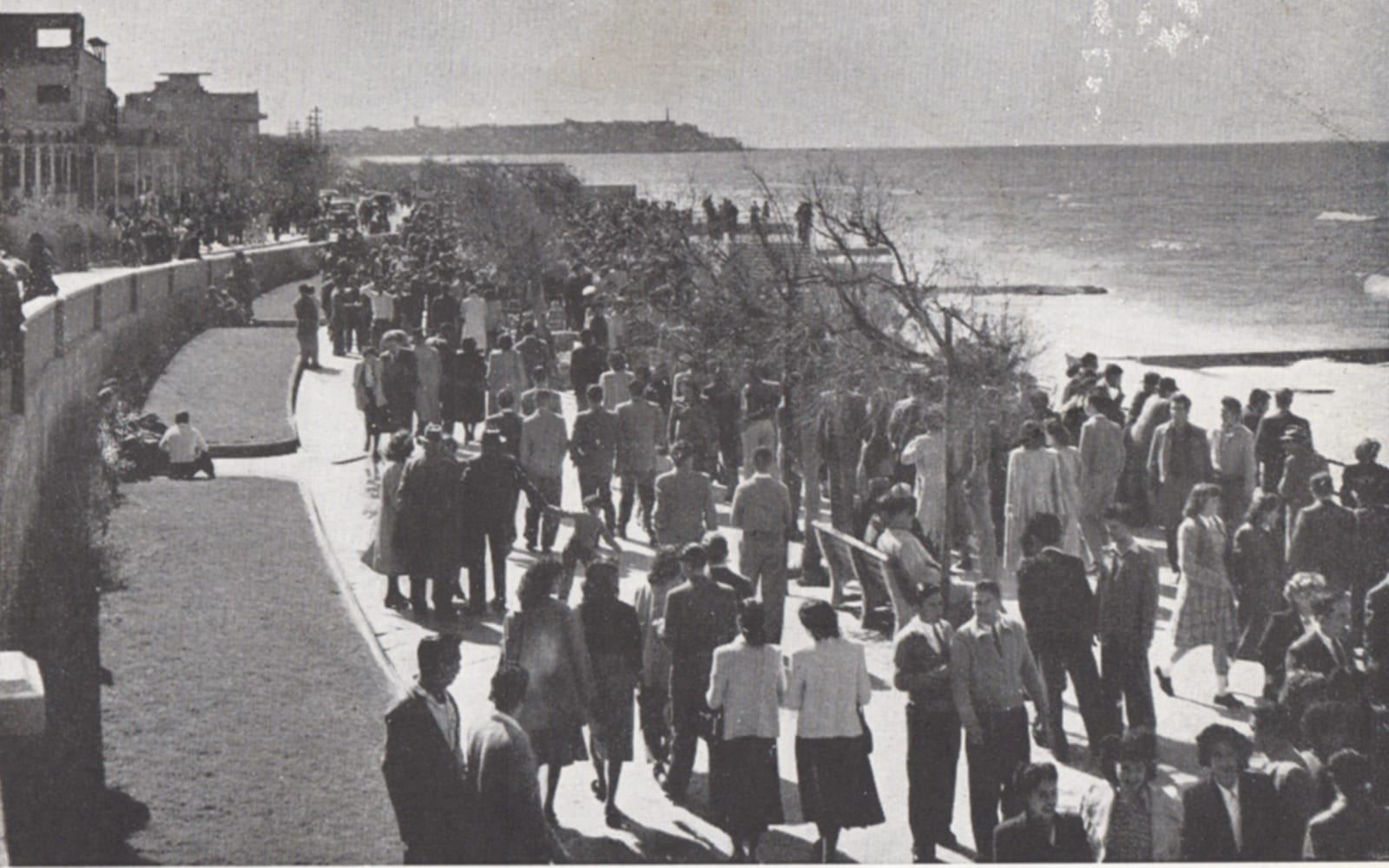
Mediterranean cool
Golden beaches, Bauhaus architecture and a 24-hour food, art and nightlife scene.
Explore The lowest place on Earth
Float on mineral-rich water, climb Masada at sunrise and hike the Ein Gedi oasis.
Explore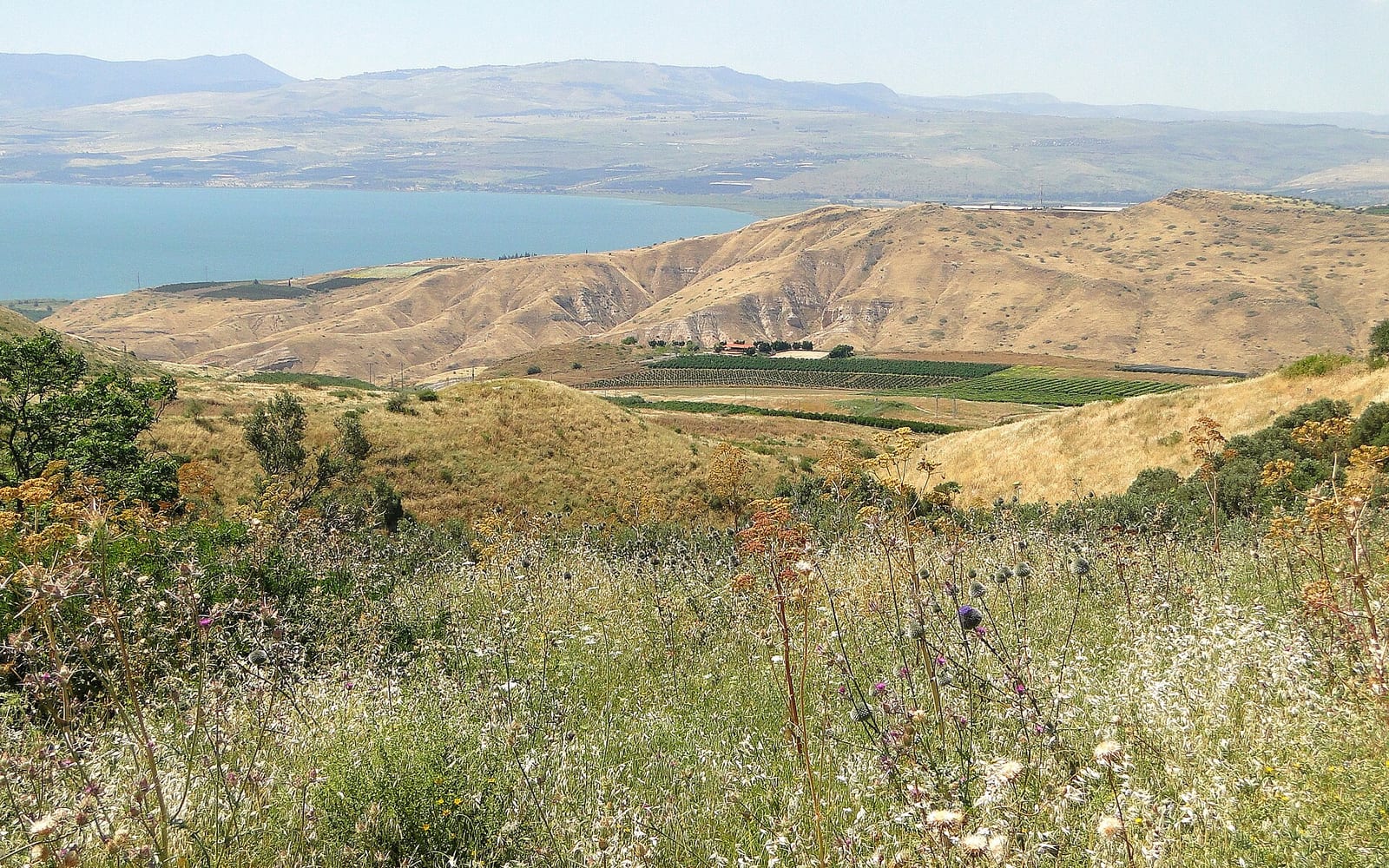
Green hills and holy water
The Sea of Galilee, Christian pilgrimage routes, hilltop Tzfat and boutique wineries.
Explore