Coral Beach Nature Reserve is a 1.2-kilometre stretch of protected coral reef on the southern coastline of Eilat — the only reef-protected snorkel beach in Israel, and one of the most accessible coral ecosystems in the world. The reserve combines a swimmer-accessible reef shelf, a marked snorkel corridor, equipment rental, and a year-round comfortable water temperature thanks to the Red Sea’s stable thermal profile.
This guide covers the reef itself (what to expect, where the marked routes go), entry logistics (hours, fees, parking, equipment), the reef-safe sunscreen enforcement, and how Coral Beach pairs with the broader Eilat Red Sea attractions.
Need to know
| Cost | INPA reserve entry ~₪35 adult / |
| Hours | Daily ~09:00–17:00 in winter, ~09:00–18:00 in summer; last entry ~1 hr before close. Open including Shabbat. |
| Time needed | 2–3 hours: the marked snorkel corridor takes 30–60 min, plus the beach centre and shore time. |
| Getting there | ~6 km / ~8 min south of central Eilat on Route 90; local bus line 15 stops nearby. ~4 km from Ramon Airport (ETM). |
| Best time | Mornings (09:00–12:00) for calmest water and best visibility before afternoon winds. Oct–Apr is peak season. |
| Accessibility | A wooden pier reaches the entry points; snorkelling itself requires swimming over a reef shelf (2–6 m deep). Glass-bottom boat tours from the adjacent marina suit non-swimmers. Reef-safe sunscreen is required — rangers check at entry. |
What is Coral Beach Nature Reserve?
Coral Beach Reserve was designated in 1964 to protect the northern reaches of the Red Sea coral reef ecosystem — the northernmost living coral reef in the world. The reserve covers a 1.2 km coastline strip and a strict 200-metre seaward zone where the reef shelf descends from the shoreline into deeper water. Inside the reserve, motorised water sports, fishing and reef-walking are prohibited; outside the reserve boundary, surrounding beaches remain open for general swimming.
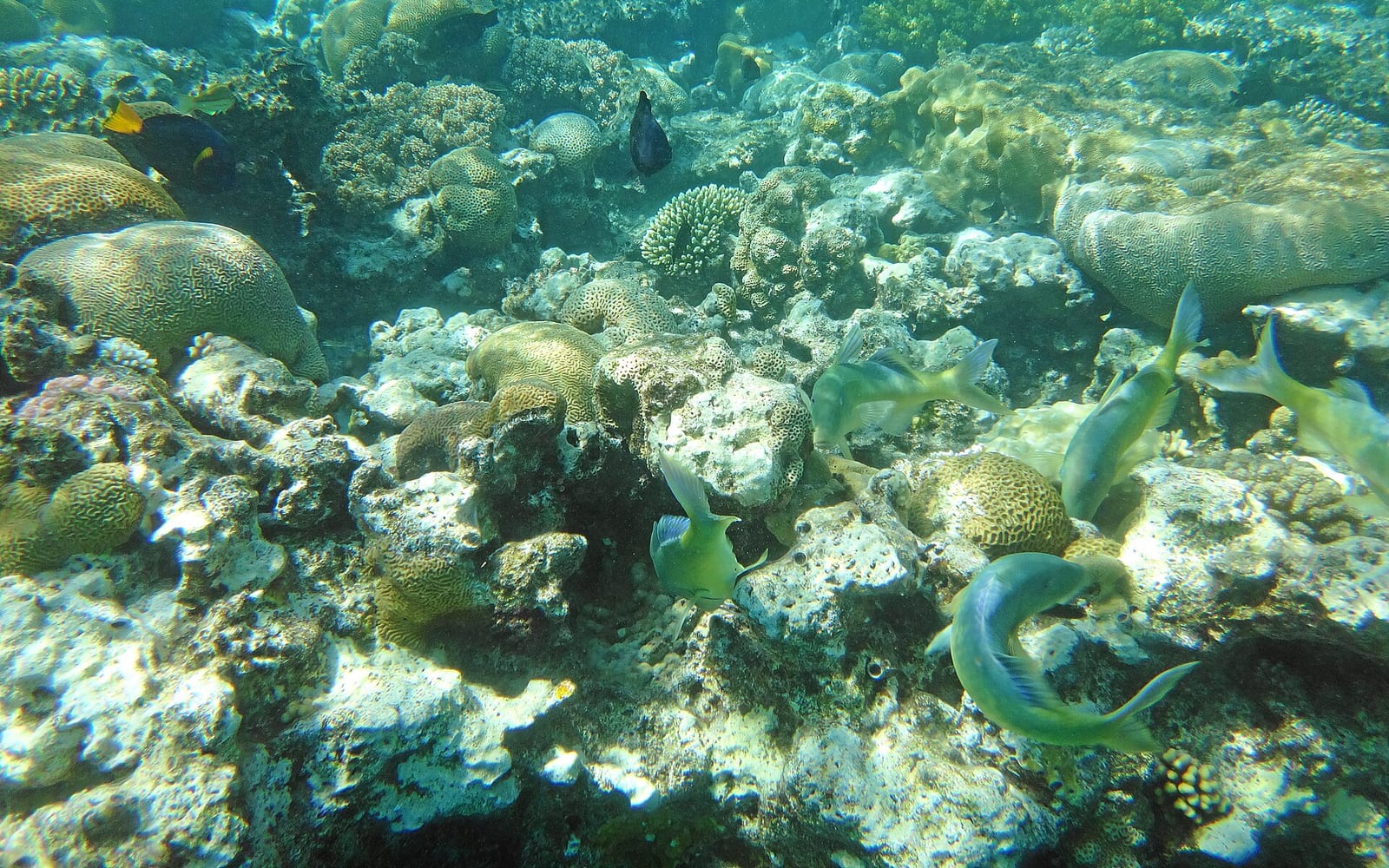
The reef shelf along Coral Beach holds 270 species of stony and soft coral and over 800 species of reef fish. The shallow water (2 to 6 metres along the swim corridor) is particularly accessible — you do not need to be a strong swimmer or a certified diver to see the reef from the surface.
Visiting Coral Beach Today
Hours: the reserve is open daily, typically 09:00 to 17:00 in winter and 09:00 to 18:00 in summer. Last entry usually 1 hour before closing. Open including Shabbat.
Entry fee: approximately 35 ILS for adults, 21 ILS for children. The Israel National Parks annual pass covers entry. Entry includes use of the wooden pier and the marked snorkel corridor; equipment is extra.
Getting there: drive south from central Eilat along Highway 90 for about 8 minutes; the reserve is signed off the main road. Local bus line 15 runs from central Eilat. Parking is available at the entrance for a small fee. The reserve is approximately 4 km from Ramon Airport (ETM) for travellers connecting directly from the airport.
Atmosphere: mornings are quieter and the light is angled for better visibility; afternoons are busier with families. The reserve is most popular in October to April when European winter-escape travellers fill Eilat hotels.
Top Things to See and Do
The Marked Snorkel Corridor
A wooden pier extends from the entry zone over the reef shelf to two designated swim entry points (north and south). The marked corridor keeps swimmers along a designated route that avoids the most sensitive coral formations and minimises the chance of accidental contact with the reef. The full snorkel circuit takes 30 to 60 minutes depending on speed; the depth never exceeds 6 metres along the marked route.
Reef Wildlife
Common sightings along the snorkel route include butterflyfish, parrotfish, surgeonfish, lionfish (avoid touching — venomous spines), wrasses, and a variety of soft corals. Sea turtles occasionally visit; the seasonal stingray population concentrates around the southern end of the reserve. Visibility is typically 15 to 25 metres on calm days; the best conditions are usually 09:00 to 12:00 before afternoon winds pick up.
The Educational Beach Centre
The visitor centre at the entrance holds an indoor reef-ecology display and screens a short orientation film. Worth 15 minutes before entering the water — particularly useful for travellers visiting their first coral reef. Staff offer guided snorkel tours during peak season for an additional fee.
Tours of Coral Beach
Most snorkel visits are self-guided; the marked corridor is straightforward. Organised glass-bottom boat tours of the reef run from the adjacent Eilat marina for non-swimmers who want the reef experience from above the water. Guided snorkel introductions are available through the visitor centre.
Nearby Attractions
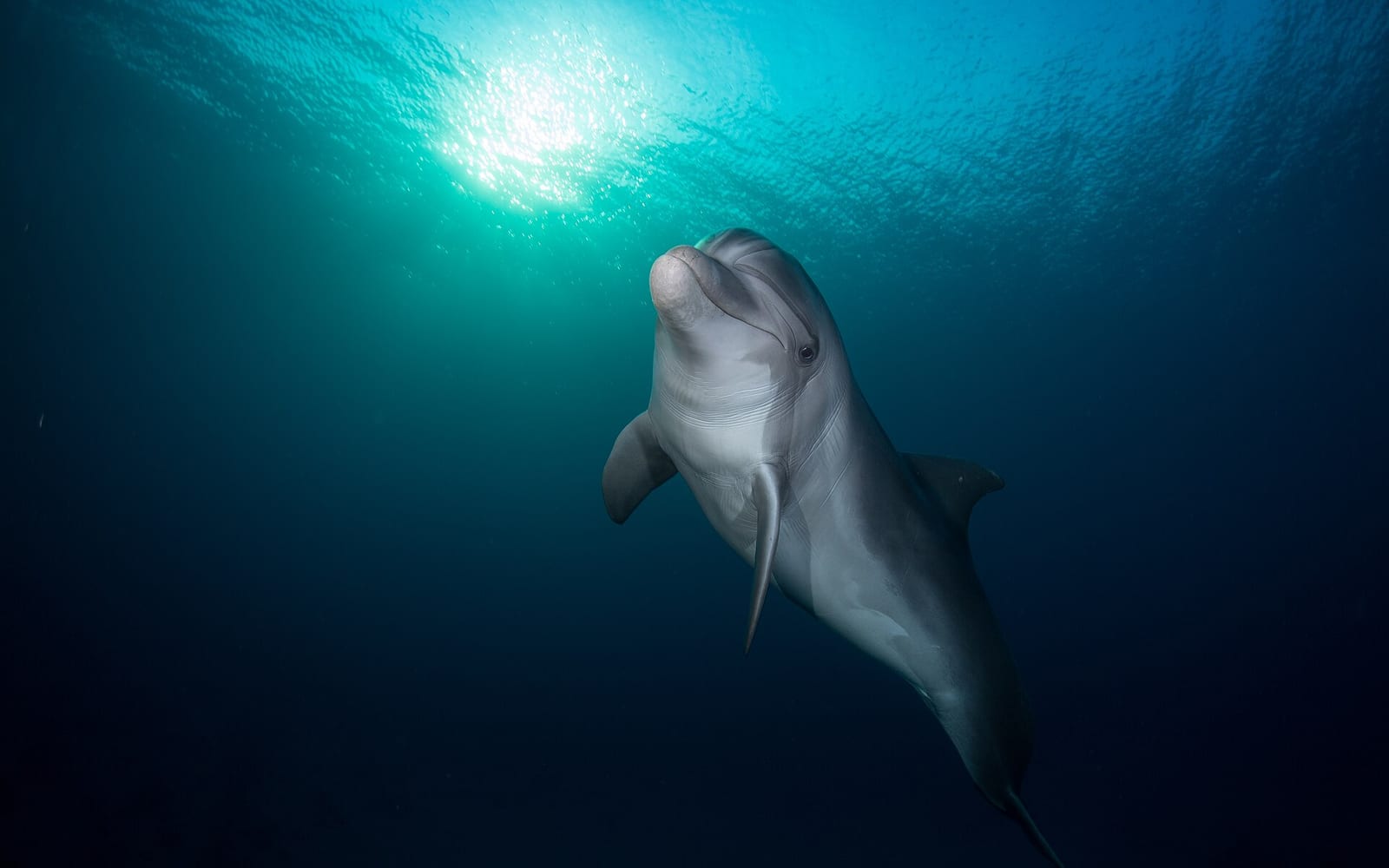
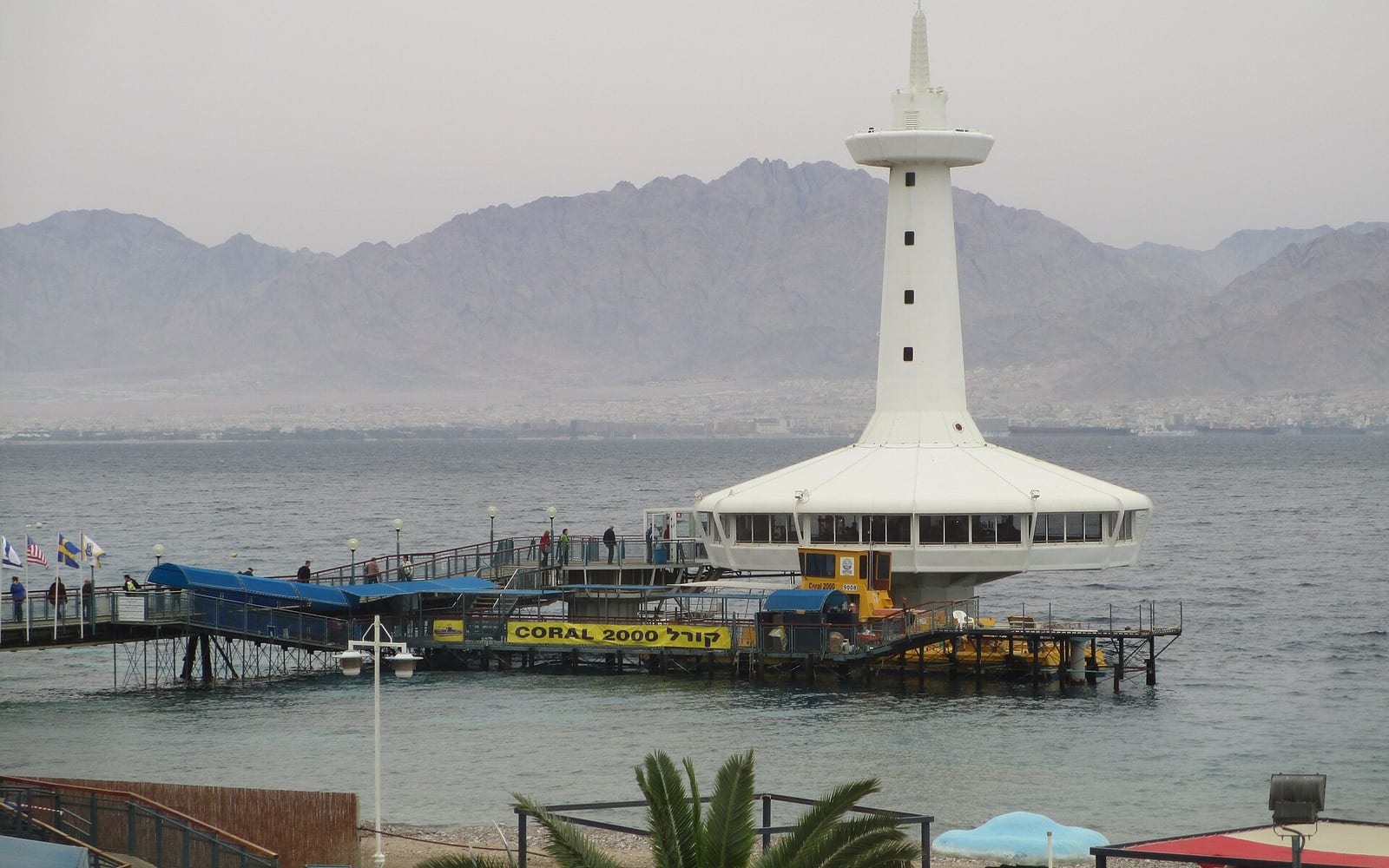
The Underwater Observatory Marine Park sits 1 km south along the same coastline — the natural pair for a full Red Sea day. The Dolphin Reef is on the northern beachfront of central Eilat, 6 km north. Several dive shops operate immediately adjacent to the reserve entrance for travellers continuing into scuba diving courses. The Japanese Gardens advanced dive site is approximately 2 km south of the reserve.
Practical Tips
Bring reef-safe sunscreen — products labelled “reef safe” or “oxybenzone-free” pass entrance checks. Alternatives sold at the visitor centre. Bring a sun shirt or rash guard — Negev sun is intense and snorkelling exposes your back to direct UV for long stretches.
Equipment rental — masks, snorkels and fins are available at the entrance for around 25 ILS per set. Bring your own mask if you have a prescription or non-standard fit. Underwater cameras can be rented separately.
Reef etiquette — do not stand on the reef, do not touch coral or fish, do not feed the wildlife, and avoid using flash photography near sensitive species. The marked corridor exists to keep swimmers from inadvertent reef damage.
Plan around the wind — afternoon Red Sea winds can reduce surface visibility. Morning visits typically offer the calmest conditions.
Combine with the Observatory — most visitors pair Coral Beach (morning) with the Underwater Observatory Marine Park (afternoon) for a complete Red Sea day. Both are on the same southern coastline strip.
Why Visit
Coral Beach Reserve is the easiest and most accessible coral reef snorkel experience in Israel — a protected ecosystem where untrained swimmers can drift over a living tropical reef in calm shallow water, without needing a boat, scuba certification or guided tour. The reserve’s combination of conservation enforcement and visitor accessibility is unusual among coral destinations in the region.
For travellers planning their first Red Sea experience, Coral Beach is the natural starting point. Combine with the Underwater Observatory for the indoor-aquarium counterpart, and consider diving certification at one of the adjacent dive centres if the reef pulls you deeper into the experience.