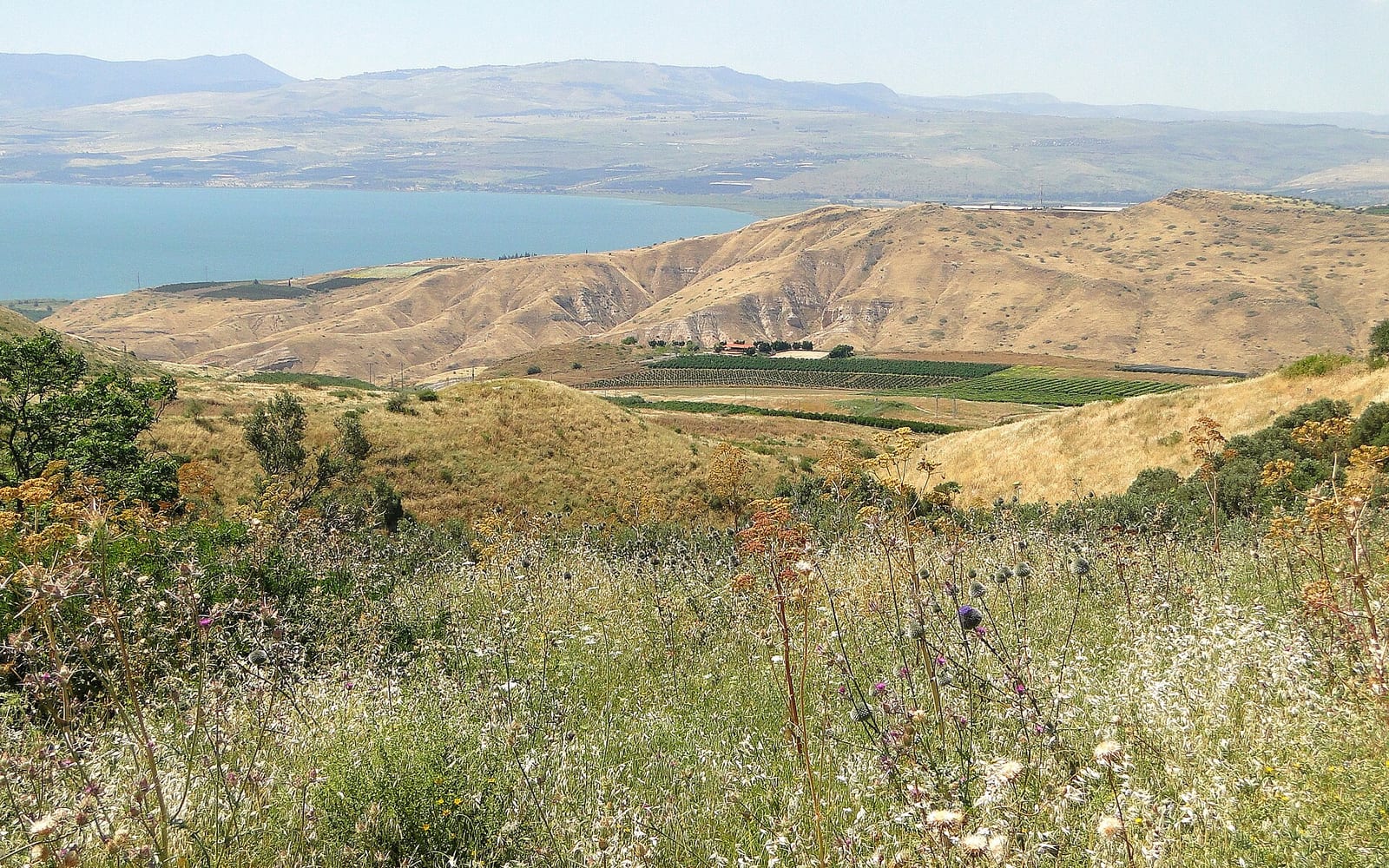
Israel packs several climates into a small country, so the “best” time depends on where you’re going. As a rule, spring and autumn are ideal everywhere.
Season by season
Spring (March–May) — best overall. Wildflowers in the Galilee and Judean Hills, mild days, and a sea warming up. Passover (usually April) brings closures and higher prices — plan around it. Easter and Holy Week bring Jerusalem alive with pilgrimage processions — see the Easter in Jerusalem pilgrim guide for Holy Fire ceremony logistics, Catholic vs Orthodox Easter dates, and booking timelines. When Ramadan falls in late winter or early spring (as it does in 2026–28), Jaffa, Nazareth and Jerusalem’s Muslim Quarter host some of the country’s most atmospheric evening street culture — see the Ramadan in Israel guide for dates, access notes and what to expect. For the full spring planning guide, see Israel in spring: wildflower bloom timing, Passover logistics, and Negev hiking season.
Summer (June–August) — hot. The Tel Aviv coast is busy and humid; Jerusalem is hot but dry; the Dead Sea and Eilat are extreme (40°C+), suited to early mornings and water. Eilat is a summer beach-break favourite despite the heat. If you must travel in July or August, the beat-the-heat summer guide covers the early-morning-first strategy and which regions to prioritise.
Autumn (September–November) — best overall. Heat eases, the sea stays warm, and the olive harvest is under way. The Jewish High Holidays (Yom Kippur, Sukkot) fall here and bring closures and price spikes during the holiday weeks — but the post-Sukkot lull (mid-October through November) is the quietest and cheapest comfortable-weather period of the year. See the Israel in autumn guide for the Hula Valley cranes, Negev hiking season, and full autumn planning advice.
Winter (December–February) — quiet and cheap. Cool and green, with rain and the odd Jerusalem snow flurry. Eilat and the Dead Sea become pleasant warm-weather escapes, and it’s peak season in the south. Christmas in Nazareth and Bethlehem is special — see the Christmas in Israel guide for Midnight Mass logistics, the Nazareth market, and winter travel tips. In good snow years, Mount Hermon opens for skiing from late December — Israel’s only ski resort and a genuinely unusual experience. For the full winter planning guide, see Israel in winter: Dead Sea sunshine, the Negev wildflower bloom, and everything the season offers. On a wet day in Jerusalem or Tel Aviv, the rainy day activities guide covers the country’s best indoor options — from the Israel Museum and Yad Vashem to cooking classes and Dead Sea spa days.
Quick month picker
| Month | Verdict | Notes |
|---|---|---|
| Mar–May | Best | Wildflowers, mild; mind Passover |
| Jun–Aug | Hot | Coast & Galilee; south is extreme |
| Sep–Nov | Best | Warm sea, harvest; mind High Holidays |
| Dec–Feb | Quiet/cheap | Cool & wet north; warm south, peak Eilat |
Don’t forget the holiday calendar
Jewish, Christian and Muslim holidays drive both closures and prices. Jewish holidays follow a lunar-solar calendar; Ramadan shifts about 11 days earlier each year — see the Ramadan in Israel guide for current-year dates, Damascus Gate atmosphere and Al-Aqsa access notes. Check exact dates before booking, and read our Shabbat and holidays guide for the weekly rhythm, what closes on each holiday and the 2026–2027 dates. Ready to plan? See our itineraries and first-time guide.
For a detailed breakdown of all 12 months — 30-year climate averages, crowd levels, price tiers, Jewish and Christian holiday disruption notes, and standout experiences — see the Israel by month travel calendar.
Not sure which months suit your specific interests? Use the interactive season picker — choose beaches, hiking, pilgrimage, birding and more to get a personalised month recommendation.