Nazareth & Sea of Galilee Day Tour
The Basilica of the Annunciation plus Capernaum and the Galilee shore.
Live prices & reviews on GetYourGuide
Affiliate link — we may earn a commission at no extra cost to you.
Book nowvia GetYourGuide
Jesus's hometown
By The Visit Israel Editorial Team · Last updated
Nazareth is the largest Arab city in Israel and, in Christian tradition, the town where Jesus grew up — making it one of the most significant pilgrimage destinations in the Holy Land. At its heart stands the vast Basilica of the Annunciation, built over the site where, by Catholic tradition, the angel Gabriel appeared to Mary. Around it winds a labyrinthine old city of churches, a covered souk and some of the finest Arab-Israeli cooking in the country. Hilltop Mount Precipice offers sweeping views over the Jezreel Valley, and Nazareth makes an excellent base for the Galilee and a day trip to the Sea of Galilee. A day or two is enough; spring and autumn are most comfortable.
Things to do
Visit the Basilica of the Annunciation in Nazareth — Catholic Franciscan custodianship, 1969 Antonio Barluzzi design, grotto chapel, hours and tours.
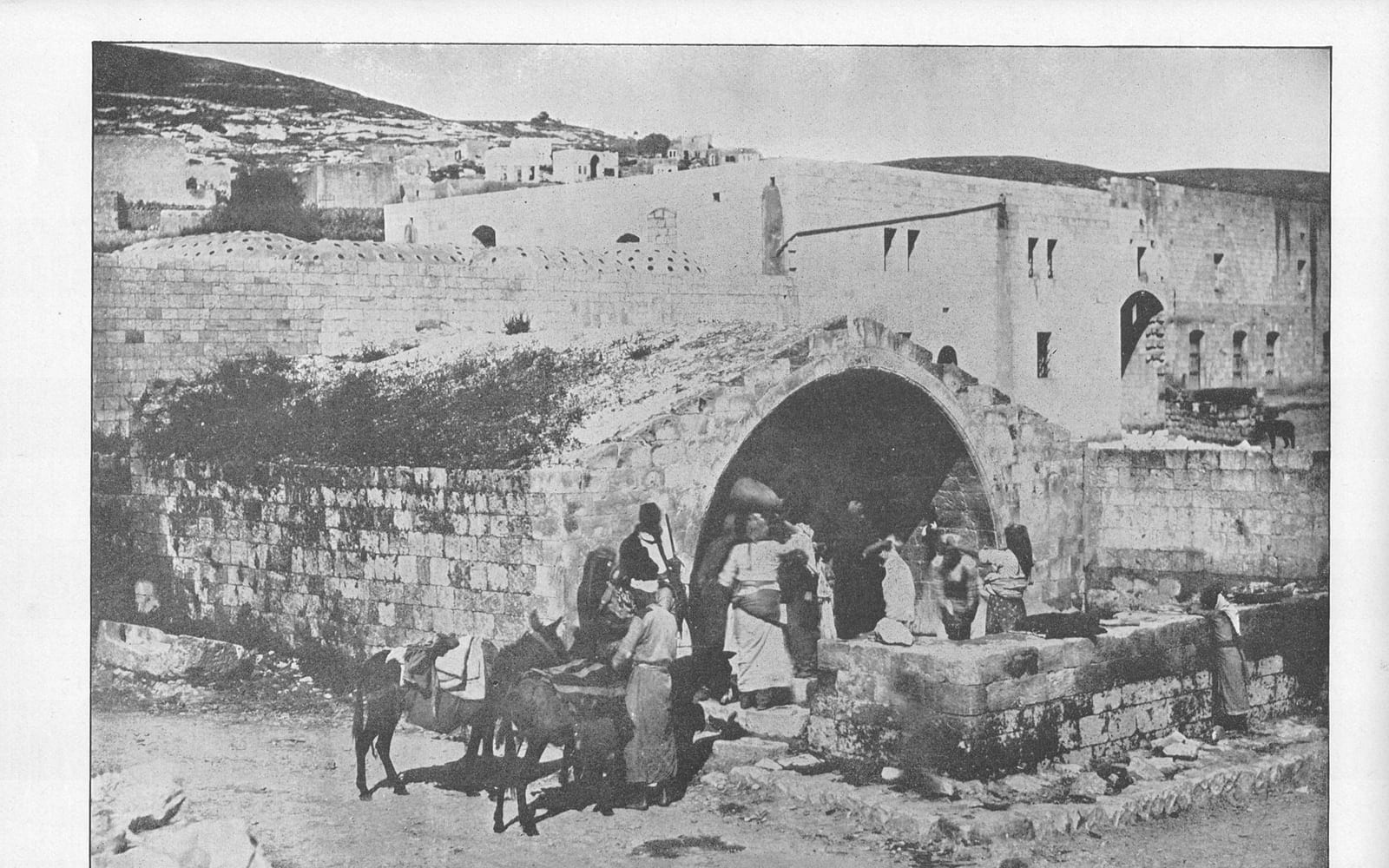
Visit Mary's Well in Nazareth — the Greek Orthodox Annunciation tradition, adjacent Greek Orthodox Church, ancient spring, hours and respectful visiting tips.
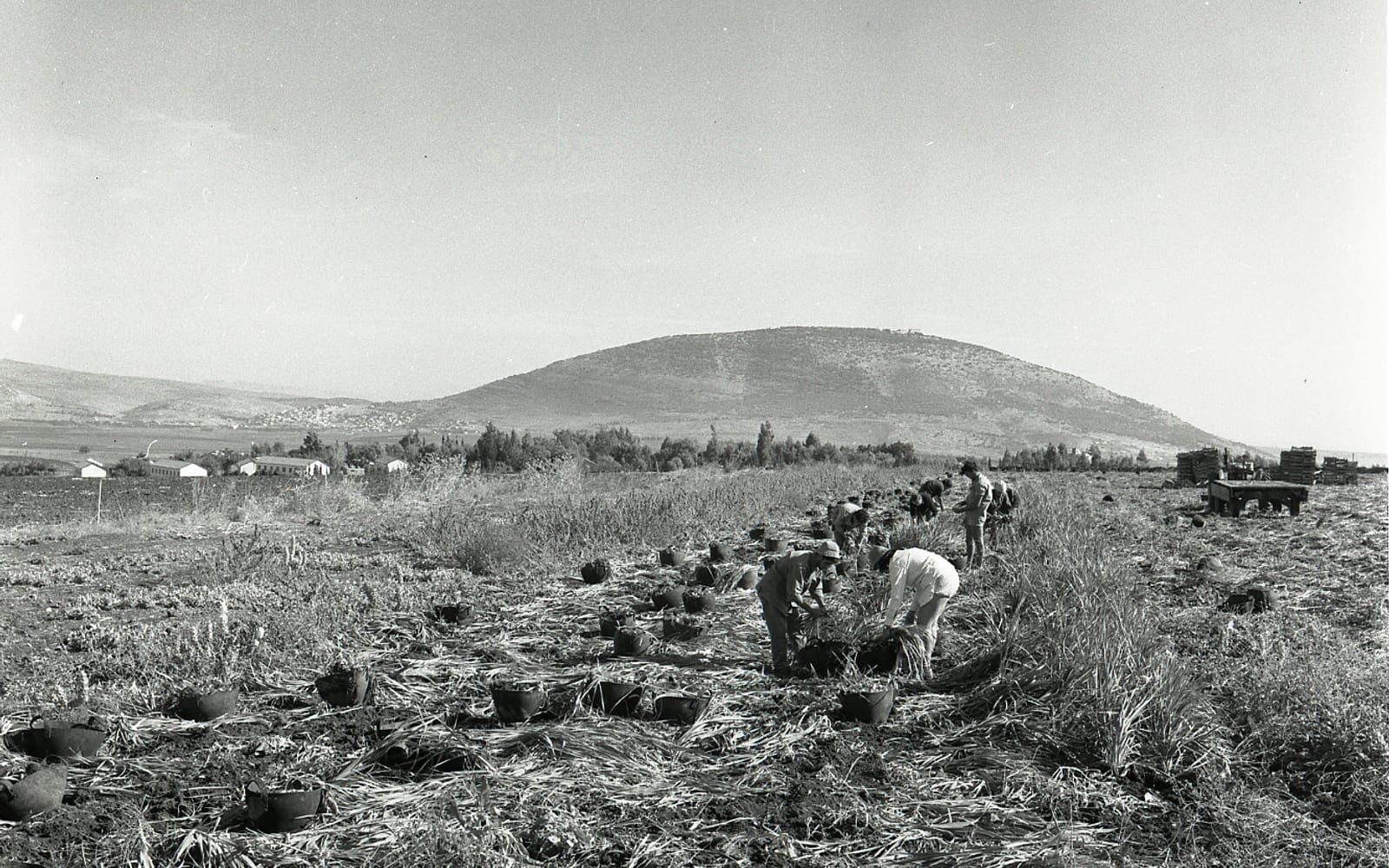
Visit Mount of Precipice south of Nazareth — Jezreel Valley panorama, Gospel Luke 4 cliff site, Jesus Trail trailhead, hiking access and visitor centre.
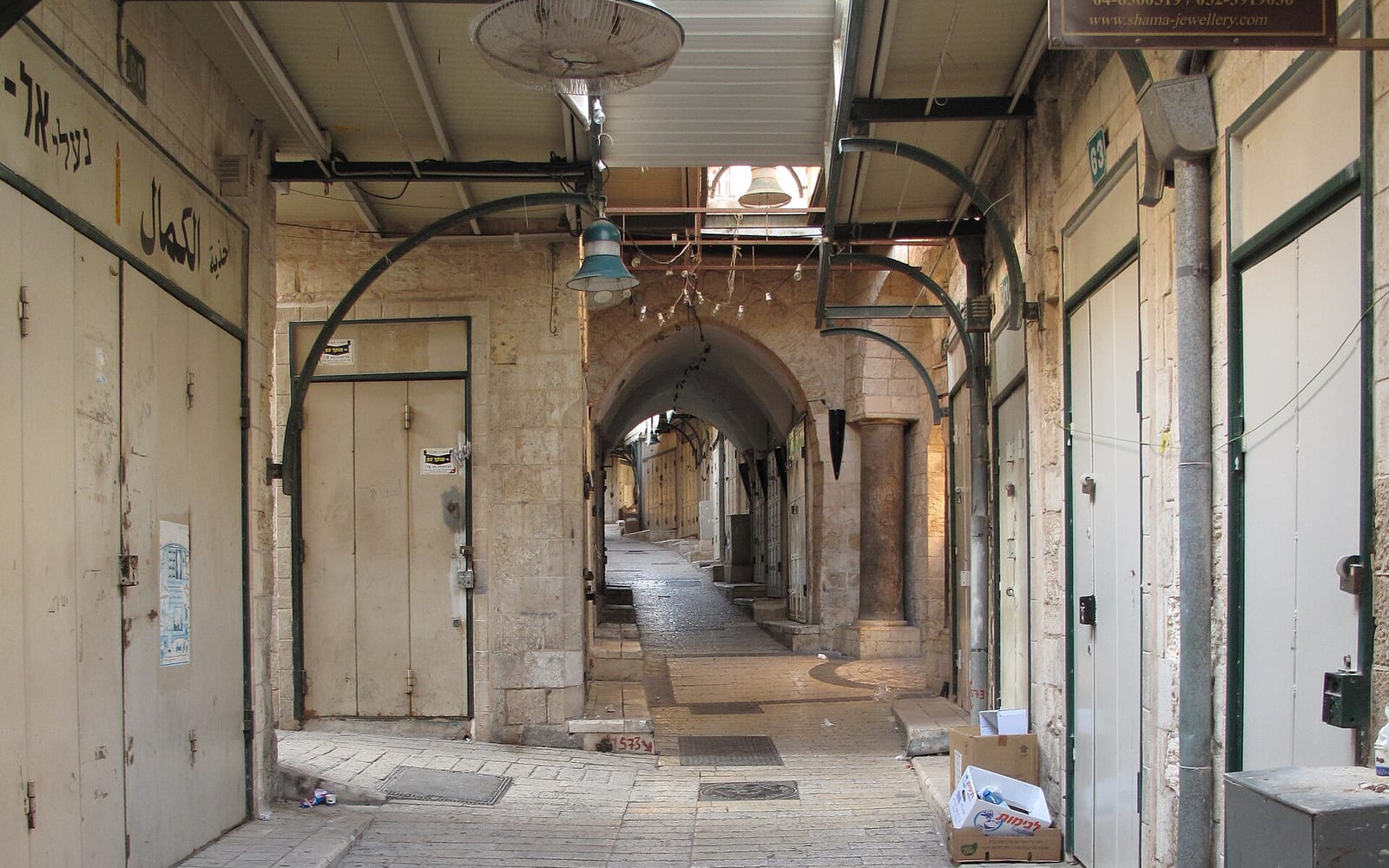
Walk Nazareth's Old City souq — working Arab-Israeli market, Ottoman alleys, knafeh institutions, spice merchants, and the central pilgrim corridor.
Hand-picked
The Basilica of the Annunciation plus Capernaum and the Galilee shore.
Live prices & reviews on GetYourGuide
Affiliate link — we may earn a commission at no extra cost to you.
Book nowvia GetYourGuide
A guided wander through the souk, churches and food stalls.
Live prices & reviews on Civitatis
Affiliate link — we may earn a commission at no extra cost to you.
Book nowvia Civitatis
Full-day guided trip to Nazareth and the Galilee Christian sites.
Live prices & reviews on Viator
Affiliate link — we may earn a commission at no extra cost to you.
Book nowvia Viator
Where to stay
Old City
A 200-year-old Arab mansion turned beloved guesthouse with free walking tours.
Check rates & availabilityvia Booking.com
Old City
Restored Ottoman-era home with vaulted rooms in the heart of the souk.
Check rates & availabilityvia Booking.com
Hilltop
Full-service hotel with valley views, popular with pilgrim groups.
Check rates & availabilityvia Booking.com
City Centre
Comfortable mid-range base with a rooftop and easy basilica access.
Check rates & availabilityvia Booking.com
Interactive hotel map · powered by Stay22
| Season | Verdict | What to expect |
|---|---|---|
| Spring (Mar–May) | Best | Green hills and mild walking weather around the old city. |
| Summer (Jun–Aug) | Warm | Hot but dry; tour churches in the morning. |
| Autumn (Sep–Nov) | Best | Comfortable and clear; great valley views. |
| Winter (Dec–Feb) | Cool | Cool and occasionally wet; atmospheric at Christmas. |
Nazareth is the most concentrated Christian-pilgrimage city in the Galilee and the largest Arab city in Israel in one short cluster of streets. The Basilica of the Annunciation — the modern Catholic Franciscan basilica completed in 1969 by Italian architect Antonio Barluzzi over the earlier 4th-century Byzantine and 12th-century Crusader churches — anchors the city centre and is the largest Christian church in the Middle East. A complete guide to things to do in Nazareth starts from that basilica: the Old City souq stretches downhill from the basilica forecourt, Mary’s Well with its adjacent Greek Orthodox Church of the Annunciation sits a short walk north, and Mount of Precipice rises south of the city for the Jezreel Valley panorama.
This guide covers when to come, where to stay, the headline Christian pilgrimage sites (respectful and ecumenical — Catholic Latin tradition at the Basilica + Greek Orthodox tradition at Mary’s Well + Protestant pilgrim groups), the Old City + souq experience, surrounding pilgrim routes (the Jesus Trail, Mount Tabor + Cana day trips), the Arab-Israeli culture of the city, how to arrive from Tel Aviv, and where to eat.
The two strongest windows are March to May and September to November. Spring offers mild daytime temperatures (18 to 24 degrees), strong visibility from Mount of Precipice across the Jezreel Valley to Mount Tabor and the Carmel range, and the lowest pilgrim density at the Basilica. Autumn mirrors the same pattern from the other direction: comfortable Old City walking weather, evenings warm enough for outdoor café terraces, and shoulder-season hotel pricing.
Summer (June to August) is hot — 28 to 32 degrees in the Old City alleys at midday — but the limestone buildings stay cool inside and the souq is at its liveliest in late afternoon when shopkeepers reopen after the midday rest. Most pilgrim tour groups schedule outdoor stops (Mount of Precipice, the Basilica forecourt) for early morning or after 16:00.
Winter (December to February) is mild — daytime temperatures of 12 to 16 degrees, with occasional rainstorms — and is the favoured pilgrim season for Catholic groups timing visits around Christmas. The week before and after December 25 is the densest pilgrim cluster of the year; the Basilica hosts the Latin midnight Mass with Patriarchate-led liturgy, and hotels book six months ahead. Greek Orthodox pilgrims attend separate Christmas services at the Greek Orthodox Church of the Annunciation in early January (Julian calendar). The combined effect is a roughly two-week Christmas + Epiphany pilgrim window that defines the Nazareth winter calendar.
The week before and after Easter is the second-densest pilgrim cluster of the year, with Catholic, Greek Orthodox and Protestant tour groups all moving through the Basilica + Mary’s Well + Mount of Precipice in parallel. Independent travellers should expect crowded Old City alleys during Holy Week; weekday mornings outside the Easter and Christmas windows are quietest.
There are two practical lodging styles in the city, each with a different trade-off.
Old City boutique guesthouses sit in restored Ottoman-era stone houses on the alleys uphill from Mary’s Well and around the Basilica forecourt. They are atmospheric, family-run, and put you within walking distance of every major pilgrim site. Several have rooftop terraces with views toward Mount of Precipice. This is the choice for travellers who want to absorb the Old City rhythm in evenings after the day-trip groups have left.
New-city hotels along Paulus VI Street and the southern arteries are full-service options — bigger rooms, parking, several international-chain properties. Useful for travellers using Nazareth as a road-trip base for the wider Galilee circuit who want a car-friendly hotel rather than an Old City walk-up.
A small Christian retreat-house cluster operates around the Basilica complex (Franciscan, Salesian and other Catholic congregations); these are typically open to bookings from pilgrim groups and individual travellers on retreat, with simple rooms and shared meals.
The Nazareth pilgrim circuit is unusually compact — every major site sits within a 15-minute walk of every other, and the full circuit comfortably covers a single day with time for Mount of Precipice in the late afternoon.
The Basilica of the Annunciation is the architectural anchor of the city and the largest Christian church in the Middle East. The current building, completed in 1969 by Italian architect Antonio Barluzzi (also responsible for the church on the Mount of Tabor, the Basilica of the Agony at Gethsemane, and the Mount of Beatitudes Catholic church on the Sea of Galilee shore), sits over the ruins of an earlier 4th-century Byzantine basilica and a 12th-century Crusader church — both visible today in the lower-level grotto chapel that houses the rock face traditionally identified as the home of Mary. The site is under Franciscan Custody of the Holy Land (Catholic) custodianship since 1620.
Inside the basilica, the upper-level nave displays an extraordinary international collection of Annunciation mosaic panels donated by Catholic communities from around the world — each panel depicting the Annunciation in the artistic idiom of its country of origin, from Japan to Cameroon to Venezuela. The cumulative effect is one of the most striking ecumenical artistic statements in modern Christian architecture. The lower-level grotto chapel is the prayer-focused space; the upper-level nave hosts Latin liturgy. Modest dress is required at the entrance.
The Old City of Nazareth stretches downhill from the Basilica forecourt through a labyrinth of narrow stone alleys, Ottoman-era arched doorways and the working souq market. The market is unusual among Israeli markets in that it remains primarily a working bazaar for the city’s Arab-Israeli residents rather than a polished tourist arcade — spice merchants, baklava and knafeh shops, cloth and embroidery stalls, and several centuries-old institutions that have operated continuously through Ottoman, British Mandate and Israeli administrations. Friday is the busiest market day; weekday mornings have the most photogenic light through the alley archways.
Mary’s Well sits at the northern edge of the Old City — a sheltered fountain that draws from a natural spring traditionally identified as the village water source in Mary’s lifetime. The Greek Orthodox tradition holds that the Annunciation took place at this well where Mary drew water, an account distinct from the Catholic Latin tradition centred at the Basilica. The adjacent Greek Orthodox Church of the Annunciation, a small Byzantine-styled basilica with rich iconography and a working spring in the crypt, marks the Orthodox holy site. The church is open to visitors of any faith; modest dress is required and a small donation is customary.
The juxtaposition of the two Annunciation traditions — Catholic Latin at the Basilica + Greek Orthodox at Mary’s Well — is the defining ecumenical feature of Christian pilgrimage in Nazareth. Most pilgrim itineraries visit both sites consecutively, and the editorial tone of Nazareth Christian-pilgrimage guides is consistently ecumenical.
Mount of Precipice (Har HaKfitza in Hebrew; Jebel Qafzeh in Arabic) is the cliff edge a short drive south of central Nazareth with a sweeping panorama over the Jezreel Valley toward Mount Tabor (the Transfiguration site) and the Carmel range. Tradition associates the cliff with the Gospel account (Luke 4:28-30) of Jesus being driven from the Nazareth synagogue. The site is open-air rather than an active worship site — a paved viewing terrace, hiking access, and a small visitor centre with interpretive signage in multiple languages. The Jesus Trail (the long-distance walking route from Nazareth east to Capernaum) formally begins here.
The Old City also holds the Synagogue Church — a small Greek Catholic (Melkite) chapel built over the traditional site of the 1st-century synagogue where Jesus reportedly preached (Luke 4:16-30) — and the Salesian Basilica of Jesus the Adolescent on the hillside above the Old City, a neo-Gothic basilica with a striking interior. Both are worth a brief visit if your itinerary allows.
Nazareth is the natural staging point for several wider Christian pilgrimage circuits, each centred on Gospel-narrative sites within an hour or two of the city.
The two Annunciation traditions are the most distinctive feature of Christian pilgrimage in Nazareth. Catholic Latin tradition places the Annunciation at the home of Mary, the site enshrined within the modern Basilica of the Annunciation. Greek Orthodox tradition places the Annunciation at the well where Mary drew water, the site marked by the Greek Orthodox Church of the Annunciation at Mary’s Well. Both traditions are visited respectfully by pilgrims of every denomination, and the standard pilgrim itinerary in Nazareth visits both sites consecutively.
The Jesus Trail is a 65-kilometre waymarked hike from Nazareth east to Capernaum on the Sea of Galilee, with bed-and-breakfast accommodation in the villages along the route (Mash’had, Cana of Galilee, Ilaniya, Kibbutz Lavi, Arbel and Capernaum). The trail formally begins at Mount of Precipice and takes most walkers four days; shorter sections are workable for travellers without the time for the full route. The Jesus Trail is the most popular long-distance Christian-pilgrimage walking route in Israel.
Cana of Galilee (Kafr Kanna in Arabic) is a 15-minute drive northeast of Nazareth and holds the Franciscan Wedding Church built over the traditional site of the Marriage at Cana miracle (John 2:1-11). The church is a small Catholic basilica with stone water jars on display in the crypt; a separate Greek Orthodox Wedding Church operates nearby. Mount Tabor, 30 minutes east, is the traditional site of the Transfiguration (Matthew 17, Mark 9, Luke 9); the Catholic basilica at the summit (also by Antonio Barluzzi) is reached by minibus from the Mount Tabor visitor centre at the base. The combination of Cana + Mount Tabor + Nazareth makes a strong full-day Christian-pilgrimage circuit.
Nazareth is the largest Arab city in Israel — roughly 80,000 residents, predominantly Arab citizens of Israel, with a centuries-old Christian + Muslim heritage in shared Old City alleys. Christians (roughly 30 per cent of the city’s population) and Muslims (roughly 70 per cent) live in interleaved neighbourhoods, with the Old City itself historically Christian and the surrounding hills predominantly Muslim. The cultural texture of the city is as much a draw as the pilgrimage sites — Arab cuisine, working craftsmen in the souq, and the slow rhythm of Old City café terraces.
Nazareth is the knafeh capital of Israel — the sweet semolina-and-cheese pastry served warm with rose-water syrup is a Nazareth institution, and several Old City confectioners have produced it continuously for over a century. Diana and Mahroum are the two best-known names, both within easy walking distance of the Basilica forecourt; smaller family confectioners along the souq alleys are equally serious about the craft. Beyond knafeh, the Arab grill houses serve excellent shawarma, kebab and shish taouk with fresh-baked pita and the full mezze accompaniment; hummus is taken seriously in Nazareth, with several Old City institutions that have been frying their chickpeas for generations.
The souq stalls reflect the working-bazaar character of the Old City — spices, olive oil from the surrounding villages, embroidered textiles from the Galilee Arab villages, and Christian-pilgrimage devotional items aimed at the daily visitor flow from the Basilica. A slow afternoon walk through the souq alleys is the single best way to absorb the rhythm of the city.
Nazareth’s position in the Lower Galilee makes it a natural base for several day-trip circuits.
The Sea of Galilee is 30 minutes east — the Christian-pilgrimage cluster of Capernaum + Mount of Beatitudes + Yardenit + Magdala on the northern and western shores. A Nazareth + Sea of Galilee combined day works well for travellers without time to base in Tiberias.
Mount Tabor and Cana (described in the Christian pilgrimage section above) make a half-day circuit on their own and pair naturally with a return to Nazareth for the late-afternoon Old City walk.
Caesarea Maritima on the Mediterranean coast is roughly an hour west — the Herodian-era Roman port city ruins, the harbour, the aqueduct and the Crusader-era citadel. The combination of Lower Galilee pilgrim sites + coastal Roman-era archaeology works well as a two-day Nazareth-based loop.
Akko (Acre) on the Mediterranean coast is 1.5 hours northwest — the UNESCO Crusader Old City and the Templar Tunnel. Akko is the natural day-trip pairing for travellers staying in Nazareth for three days.
Most international travellers arrive at Ben Gurion International Airport (TLV) outside Tel Aviv. From there, Nazareth is roughly a 90-minute drive via Route 6 (the toll road) and Route 65 north.
The practical options are:
Nazareth food culture is Arab-Israeli at its most concentrated — knafeh, hummus, kebab and the full mezze tradition, served in family-run institutions that have operated in the same Old City alleys for generations.
Knafeh institutions — Diana and Mahroum are the two most famous names, both within walking distance of the Basilica forecourt, producing the sweet semolina-and-cheese pastry continuously through the day. Smaller family confectioners along the souq are equally serious about the craft.
Hummus and mezze — Nazareth hummus is taken seriously, with several Old City institutions (Abu Hassan and others) that have been frying chickpeas for decades. The full mezze tradition — baba ghanoush, labneh, tabouleh, kibbeh — is widely available and a Nazareth mezze lunch is one of the better meals you can have in Israel.
Kebab and shawarma — the Arab grill houses along Paulus VI Street serve excellent shawarma, kebab and shish taouk with fresh-baked pita.
Cash and card — most pilgrim sites are free or have a small entrance fee at the Basilica; carry small cash for parking, the Old City souq and church donations. Modest dress is enforced at the Basilica of the Annunciation and the Greek Orthodox Church of the Annunciation; cover shoulders and knees. Friday + Sunday are the souq’s busiest days for shopping; Sunday morning is also when the Catholic parish at the Basilica holds its main weekly Mass and the forecourt is busiest. Old City parking is limited and difficult during pilgrim peaks — use the public lots on the southern edge and walk uphill.
The FAQ entries above answer the most common questions about visiting Nazareth — how many days to spend, the two Annunciation traditions (Catholic Latin at the Basilica vs Greek Orthodox at Mary’s Well), when to come, the city’s Arab-Israeli context, how to get there from Tel Aviv, the Catholic Franciscan custody of the Basilica, and the Mount of Precipice site. The schema-driven FAQPage at the bottom of this page surfaces these to search engines so travellers find them directly from a Google result.
One full day covers the headline Christian pilgrimage circuit — the Basilica of the Annunciation, the Greek Orthodox Church of the Annunciation at Mary's Well, and the Old City souq — plus the Mount of Precipice panorama in the afternoon. A second day allows the surrounding day trips (Cana of Galilee, Mount Tabor, the Sea of Galilee shore) and an unhurried evening in the Old City. Most pilgrim groups visit Nazareth as part of a wider Galilee circuit basing in Tiberias or in a Nazareth boutique guesthouse.
Both. The Catholic Latin tradition holds that the Annunciation took place at the home of Mary, the site enshrined within the modern Basilica of the Annunciation. The Greek Orthodox tradition holds that the Annunciation took place at the well where Mary drew water, the site marked today by the Greek Orthodox Church of the Annunciation at Mary's Well a short walk away. Both traditions are visited respectfully by Christian pilgrims of every denomination, and most pilgrim itineraries include both sites in a single morning.
March to May and September to November are the most comfortable windows — mild daytime temperatures, manageable pilgrim density at the major sites, and good visibility from Mount of Precipice toward the Jezreel Valley. Christmas (the week before and after December 25) is the densest pilgrim season of the year, with major Catholic and Protestant tour groups timing visits to attend the Latin midnight Mass at the Basilica; hotels book six months ahead. Summer is hot — 28 to 32 degrees in the Old City alleys — but the limestone buildings stay cool and the Old City souq is at its liveliest in late afternoon.
Yes. Nazareth is the largest Arab city in Israel, with roughly 80,000 residents — predominantly Arab citizens of Israel, with a Christian-Muslim heritage that goes back centuries. It is part of Israel proper (Northern District) and is a well-established tourism corridor with English-speaking guides at the major pilgrimage sites and a dense restaurant + café cluster in the Old City. Standard travel awareness applies; the city is comfortably walkable in daylight.
The most practical option is rental car — Nazareth is about a 90-minute drive from Ben Gurion airport via Route 6 and Route 65 north. Egged operates direct buses from Tel Aviv to Nazareth (around two hours), but a car is helpful for the surrounding day trips. Many travellers pair Nazareth with a stay in nearby Tiberias (40 minutes east) on the Sea of Galilee shore for a combined Galilee + Nazareth itinerary.
Yes — the modern Basilica of the Annunciation completed in 1969 is under Catholic Franciscan custody (the Franciscan Custody of the Holy Land has held custodianship since 1620). The building is the largest Christian church in the Middle East. The Greek Orthodox tradition is centred separately at Mary's Well + the adjacent Greek Orthodox Church of the Annunciation. Protestant pilgrim groups visit both sites freely; the editorial tone of Christian pilgrim guides in Nazareth is consistently ecumenical.
Mount of Precipice (Har HaKfitza in Hebrew; also written Mount Precipice or Jebel Qafzeh in Arabic) is the cliff edge a short drive south of central Nazareth overlooking the Jezreel Valley. Tradition associates it with the Gospel account of Jesus being driven from the synagogue (Luke 4:28-30). The site is a panoramic viewpoint with hiking access — the Jesus Trail formally begins here — and is open-air rather than an active worship site.
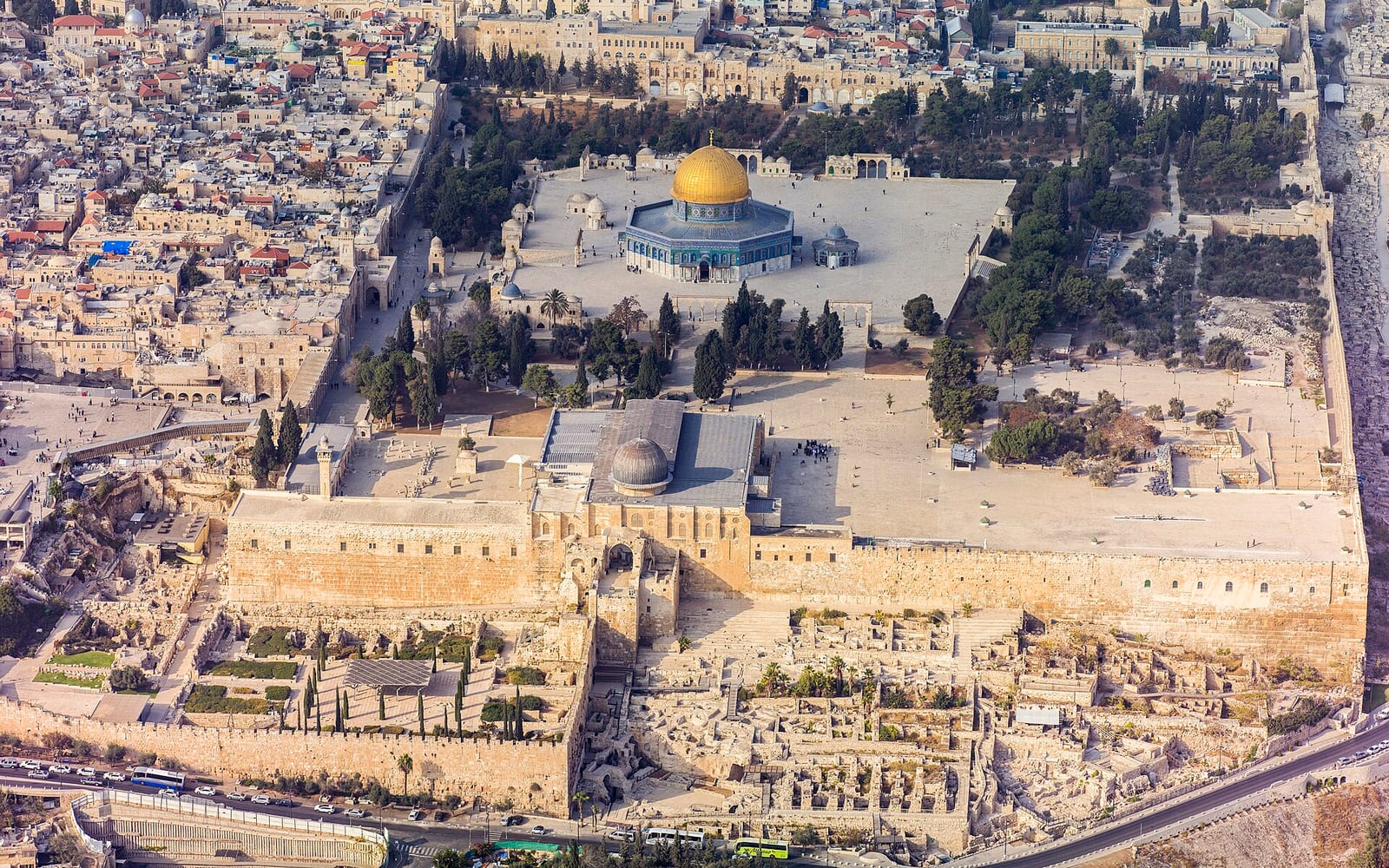
Israel's spiritual heart
Old City quarters, the Western Wall and the Church of the Holy Sepulchre, with day trips to the Dead Sea.
Explore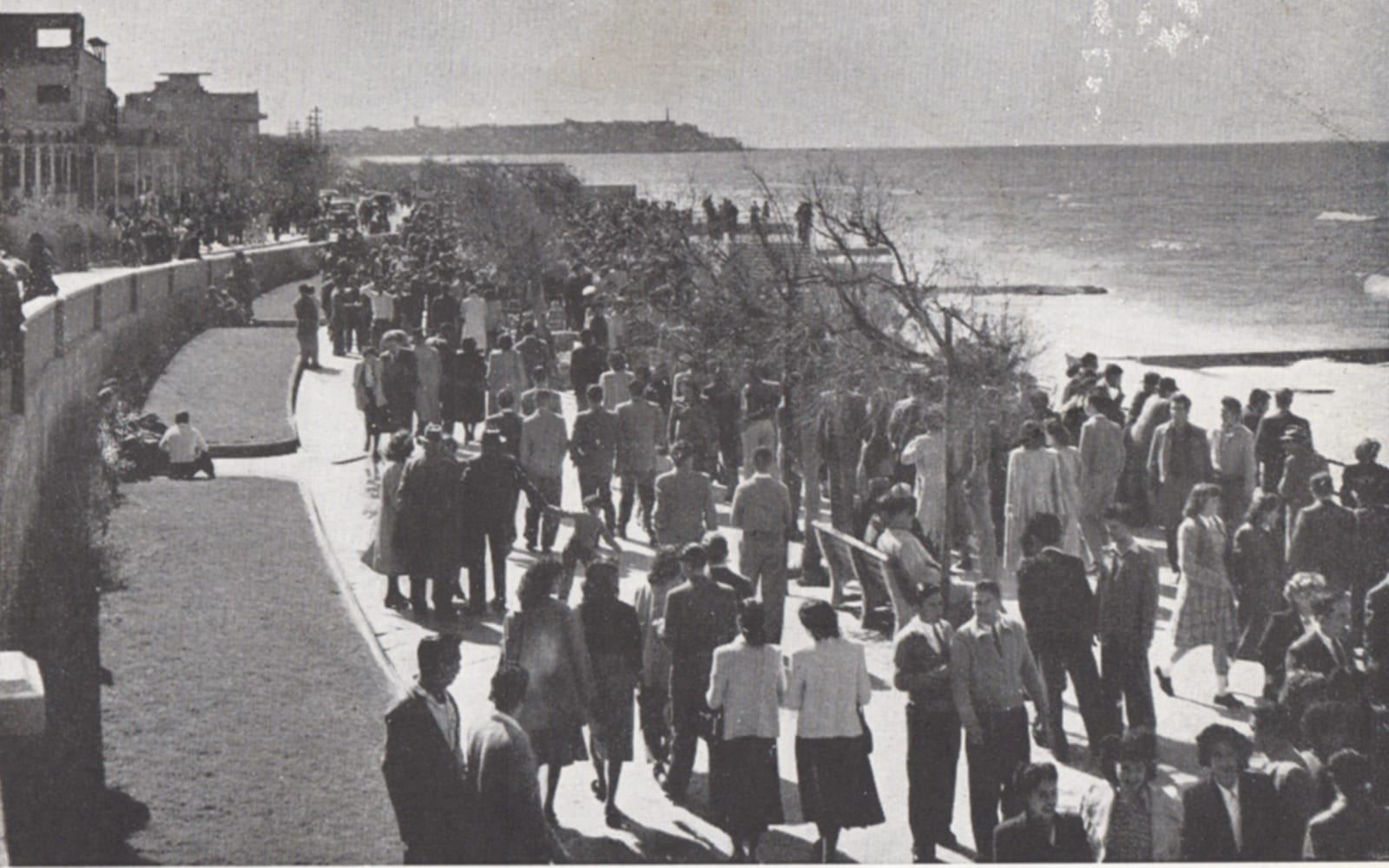
Mediterranean cool
Golden beaches, Bauhaus architecture and a 24-hour food, art and nightlife scene.
Explore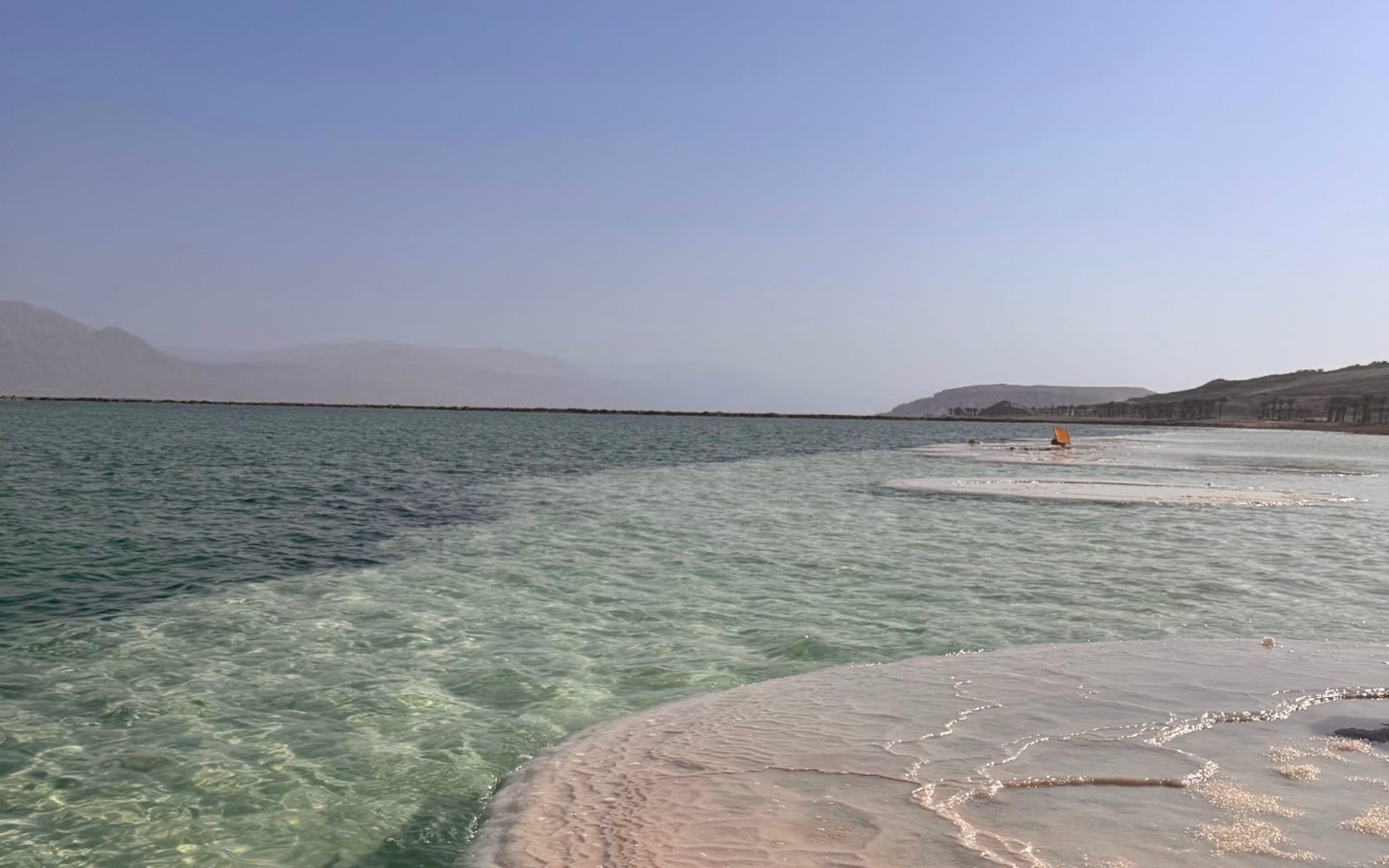
The lowest place on Earth
Float on mineral-rich water, climb Masada at sunrise and hike the Ein Gedi oasis.
ExploreBy The Visit Israel Editorial Team · Last updated