Shabbat — the Jewish day of rest — is the single biggest rhythm to understand when planning a trip to Israel. It’s not an obstacle, but it shapes your Friday and Saturday.
When it happens
Shabbat runs from roughly an hour before sunset on Friday until nightfall on Saturday. Exact times shift with the season (earlier in winter, later in summer); hotels post the week’s times in the lobby.
What changes
During Shabbat, in Jewish areas: public transport (trains and most buses) stops, many shops shut, and Jewish-owned restaurants close. Major Jewish holidays — Passover, the High Holidays, and others — bring the same closures.
City by city
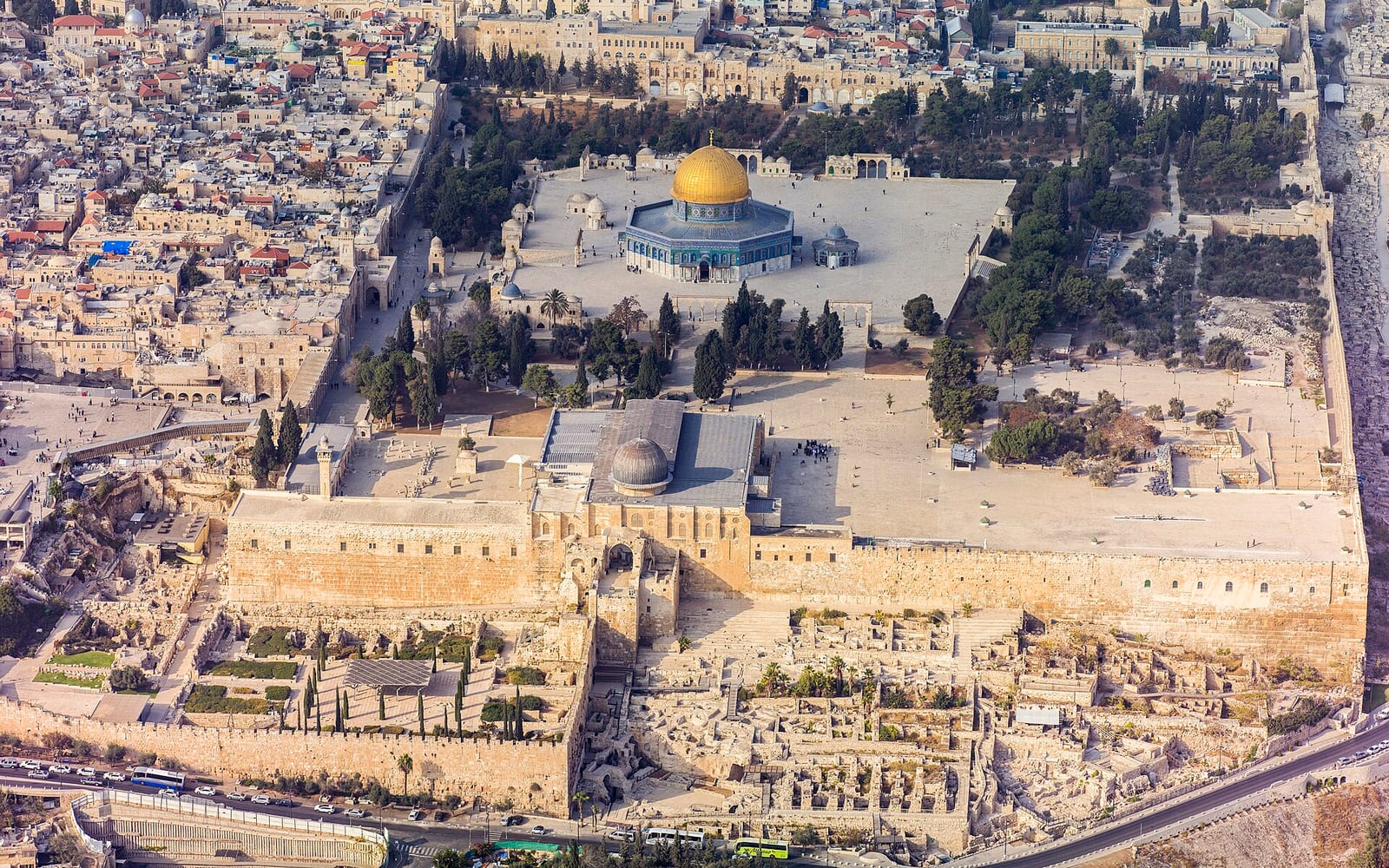
- Jerusalem: the most observant. The Jewish city and West Jerusalem go quiet; Mamilla dims. But the Christian and Muslim Quarters of the Old City, and Christian sites, carry on. Saturday night the city springs back to life.
- Tel Aviv: the most secular. Beaches, cafés, museums and many restaurants stay open; only public transport and some shops pause.
- Nazareth, Haifa and Arab towns: largely unaffected; Haifa even runs some Shabbat transit.
How to plan around it
- Get organised Friday afternoon — buy snacks, fill up the rental car, sort transport.
- Move by sherut, taxi, ride app or car, not train/bus. See the transportation guide.
- Lean into it. A Friday-night dinner, a slow Saturday walk in the Old City, or a beach day in Tel Aviv are part of the experience. At the Western Wall, Friday-evening prayers are unforgettable (no photography once Shabbat begins). For a genuinely immersive evening, see our guide to joining a Shabbat dinner as a tourist — including Chabad House free meals and organised experiences.
- Book a Saturday day trip — e.g. to the Dead Sea or Bethlehem — through an operator that provides transport.
Need the exact candlelighting and Havdalah times for your travel dates? Use our Shabbat & Jewish Holiday Calendar — it shows city-by-city times for Jerusalem, Tel Aviv, Haifa, Eilat and Beersheba, plus all major Jewish holidays for 2026–2027.
Visiting during a Jewish holiday? See our dedicated guide to traveling in Israel during Jewish holidays — Passover, Yom Kippur, Sukkot, Hanukkah, and Purim from a tourist perspective.
Plan the rest of your week with our first-time guide and itineraries.