Masada, Ein Gedi & Dead Sea Day Tour
Full day · ~10–12 h
Cable car up Masada, an Ein Gedi waterfall walk, then a float — from Jerusalem or Tel Aviv.
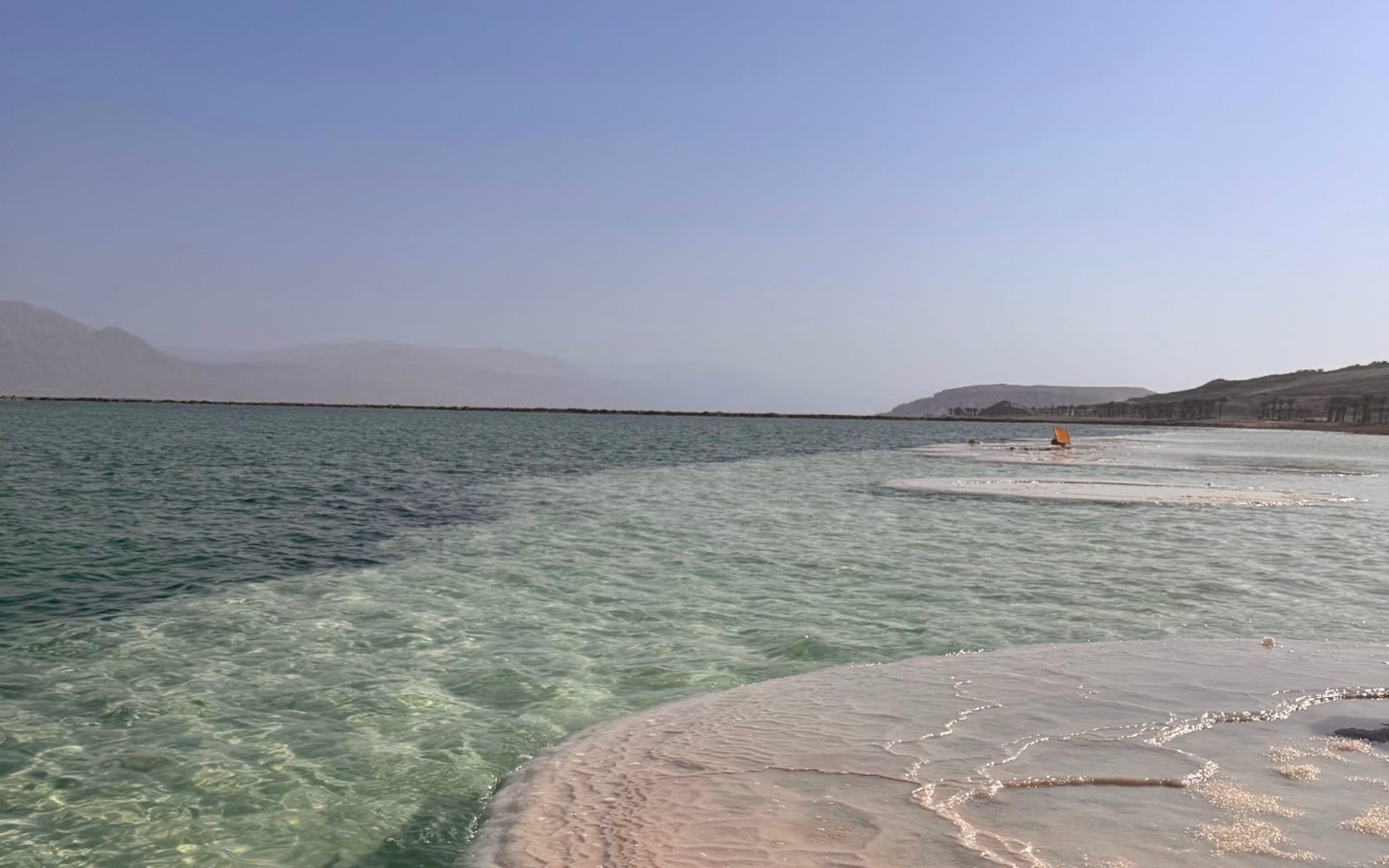
The lowest place on Earth
October–April (summer is extreme heat) · 1–2 days
Photo: u h · Pexels · Pexels License
By The Visit Israel Editorial Team · Last updated
The Dead Sea is the lowest point on the surface of the Earth, its hypersaline water sitting roughly 430 metres below sea level between the cliffs of the Judean Desert and the mountains of Jordan. Nearly ten times saltier than the ocean, it lets you float effortlessly on your back, and its mineral-rich black mud has drawn health-seekers for millennia. The Israeli shore divides into two: the resort strip of Ein Bokek in the south, with its cluster of spa hotels and free public beaches, and the wilder north, home to the Ein Gedi oasis, the Qumran caves of the Dead Sea Scrolls, and the cliff-top fortress of Masada. Most visitors come on a day trip from Jerusalem (about 90 minutes) or overnight at Ein Bokek; spring and autumn are ideal, as summer heat is extreme.
With our booking partners
Affiliate disclosure:some links below are affiliate links. If you book through them we may earn a small commission at no extra cost to you. It helps keep this guide free.
Full day · ~10–12 h
Cable car up Masada, an Ein Gedi waterfall walk, then a float — from Jerusalem or Tel Aviv.
Sunrise trip · ~10–12 h
Pre-dawn Snake Path ascent for sunrise, then the mineral shore.
Full day · ~8–10 h
Transfers plus free time to float and apply the famous black mud.
Full day · ~11–12 h
Backpacker-friendly day trip combining Masada and a Dead Sea float.
Where to stay
Affiliate disclosure:some links below are affiliate links. If you book through them we may earn a small commission at no extra cost to you. It helps keep this guide free.
Full guide: best hotels in Dead Sea →
Ein Bokek
Family-friendly spa resort with private beach and large pools.
Check rates & availabilityvia Booking.com
Ein Bokek
Full-service spa hotel with sulphur pools and beachfront access.
Check rates & availabilityvia Booking.com
Ein Bokek
Big resort with a vast spa complex and mineral-pool circuit.
Check rates & availabilityvia Booking.com
Ein Bokek
All-inclusive option popular with families and longer spa stays.
Check rates & availabilityvia Booking.com
| Season | Verdict | What to expect |
|---|---|---|
| Spring (Mar–May) | Best | Warm, comfortable for Masada hikes and floating. |
| Summer (Jun–Aug) | Extreme | 40°C+; float early, shelter midday, hydrate constantly. |
| Autumn (Sep–Nov) | Best | Heat eases; excellent for the desert and the shore. |
| Winter (Dec–Feb) | Mild | Warm by day, cool nights; the quietest, cheapest season. |
The Dead Sea is the lowest point on Earth — a hypersaline lake sitting four hundred and thirty metres below sea level along the Israel-Jordan border. A complete guide to things to do at the Dead Sea has to start with the geography, because the lake is one place but the visitor experience splits into three distinct zones. The northern shore is the historical and archaeological corridor — Qumran, the northern beach access, and the routes to Jerusalem and to the West Bank. The central western shore is the nature-reserve and UNESCO corridor — Ein Gedi for hiking and Masada for the Roman-era fortress. The southern shore is the hotel-resort corridor — Ein Bokek, with about fifteen large hotels along a constructed beachfront and the industrial evaporation ponds farther south.
This guide covers when to come, where to sleep across the resort strip and the alternatives, the headline experiences — floating, Masada, Ein Gedi, Qumran and the mineral beaches — the environmental reality of the shrinking lake, the day trips that pair well with a Dead Sea base, how to get there from Tel Aviv and Jerusalem, and the practical health and safety notes that make the difference between a good day and a stinging one.
The best windows are March to early May and October to November. Spring brings daytime temperatures in the high twenties to low thirties, the water comfortably warm for long floating sessions, and the desert light at its softest. Autumn is the quieter mirror — slightly warmer water, the summer crowds gone, and clear skies for Masada climbs.
Summer (June to September) is extremely hot. Daytime highs hit forty to forty-five degrees with low humidity; the heat is dry but oppressive in direct sun. Summer visits work only with an early-morning start (Masada sunrise climb), a mid-day hotel break with air conditioning, and an evening float when temperatures drop. Most hotels run summer discounts because demand drops.
Winter (December to February) is mild — twenty to twenty-three degrees daytime — but the water can feel chilly during cold snaps. Sunshine is reliable and rainfall is rare. Winter is the cheapest season at Ein Bokek and the most comfortable for hiking Ein Gedi or climbing Masada in the middle of the day.
The Dead Sea contains a roughly thirty-four percent salt concentration — about ten times that of regular ocean water — and a distinct mineral mix dominated by magnesium chloride, calcium chloride and potassium salts rather than the sodium chloride that dominates open seas. The shoreline shows extraordinary salt formations — pillars, terraces and crystalline structures that grow as the water recedes. The chemistry is unique on Earth and is the foundation of both the mineral-extraction industry in the southern basin and the cosmetic-and-spa industry around the resort strip.
Floating in the Dead Sea is the headline experience — the salt density makes it impossible to sink, and the sensation is closer to lying on a firm mattress than to swimming. The black mineral mud sold at beaches and bottled at hotels is rich in magnesium and other minerals; the Israeli Ministry of Health regulates the cosmetic claims, and some dermatology research from Tel Aviv University and the Soroka Medical Center supports modest benefits for psoriasis and certain skin conditions when combined with the high mineral content of the water itself.
The Dead Sea has two main lodging clusters and a handful of alternatives.
Ein Bokek is the primary Israeli hotel-resort strip along the southern shore. About fifteen large hotels — including Herods, Leonardo, Isrotel, David, Lot Spa and several mid-range chains — line the constructed beachfront, with direct sea access, mineral mud applications, spa services and half-board dining. Most travellers stay here for the convenience: airport transfers, organised tours from the lobby, and a swimmable beach a few steps from the room. The strip is functional rather than charming, but the convenience and the half-board pricing are hard to beat.
Neve Zohar is the smaller boutique cluster just south of Ein Bokek — a handful of family-run guesthouses and one or two design-led conversions. Quieter than Ein Bokek and more atmospheric, but with fewer dining options on-site.
Kibbutz Ein Gedi Guesthouse sits north of Ein Bokek near the nature reserve — botanical gardens, kibbutz dining and direct access to the Ein Gedi hiking trails. Slower in pace and more nature-focused than the resort strip; the trade-off is that you are forty-five minutes by car from the central Ein Bokek dining scene.
A few travellers stay at kibbutz guesthouses on the Jordanian side (Madaba region or the Dead Sea Resort area), but cross-border itineraries require crossing at the Allenby Bridge with additional time and visa logistics.
Five anchor experiences belong on every first-trip itinerary.
The headline experience. Float in the sea at a public beach (Mineral Beach, formerly the most popular; Kalia Beach on the northern shore; Ein Bokek public beach in the south) or at your hotel’s private beach. The water temperature in spring and autumn sits around twenty-four to twenty-eight degrees — pleasantly warm. Floating typically lasts ten to twenty minutes per session; longer than that and the salt starts to dry the skin uncomfortably. Wear flip-flops on the way in because salt crystals on the shore are sharp.
The black mineral mud is applied across the body, left to dry for ten to fifteen minutes, and rinsed off in the sea or at a beach shower. Mud is available free at most public beaches in mud-application stations; at hotels it is included in the spa services. The mineral content is concentrated in the southern shallow ponds where evaporation has been most aggressive.
Masada is the UNESCO World Heritage Site at the top of a high mesa above the western shore — a Roman-era fortified palace complex built by Herod the Great in the first century BCE and famously besieged by Roman legions in 73 CE. The Snake Path takes about ninety minutes to climb on foot; the cable car offers the alternative. The summit holds the casemate walls, palace ruins, ritual baths and the synagogue. Sunrise tours are the marquee experience — the path opens at four in the morning and the view east toward the Moab Mountains as the sun rises is among the most photographed in the country. For the full visiting guide, see the Masada visitor guide.
Ein Gedi is an oasis on the western shore where freshwater springs feed waterfalls and canyon pools surrounded by desert. The reserve splits into two main canyon systems — Nahal David (the easier, family-friendly route past two waterfalls) and Nahal Arugot (the longer, more strenuous canyon hike). Protected ibex and rock hyrax populations live in the cliffs and are commonly seen at dawn and dusk. Hiking takes two to four hours; bring water and sun protection.
Qumran on the northern shore is the archaeological site of the Essene community whose scrolls were discovered in caves above the settlement in 1947 — the Dead Sea Scrolls, including some of the oldest known biblical manuscripts. The national park visitor centre includes a short film about the discovery; the excavated settlement, the ritual baths and the scriptorium are visible on a one-hour self-guided walk. The original scrolls are at the Shrine of the Book at the Israel Museum in Jerusalem.
The Dead Sea is shrinking at a rate of about one metre per year. The surface has dropped more than thirty metres since 1960 — visible in aerial photographs as a receding waterline and exposed salt flats around the historic shore. Two human factors dominate. First, the Jordan River — the lake’s primary natural inflow — has been heavily diverted upstream by Israel, Jordan and Syria for agricultural and municipal use, reducing inflow to a small fraction of historical levels. Second, the southern basin holds large industrial evaporation ponds operated by Israel Chemicals (Dead Sea Works) and Arab Potash (the Jordanian counterpart) for potash, magnesium and bromine extraction; the ponds increase evaporation rates significantly.
The receding shore has triggered sinkholes — when fresh groundwater dissolves underground salt layers no longer reinforced by lake water, surface collapses follow. The northern shore now holds hundreds of sinkholes and several former beach access roads have been closed. The Israeli Nature and Parks Authority and the Geological Survey of Israel publish active maps; visit only signposted, supervised beach access points.
The proposed Red Sea-Dead Sea Conveyance project (a joint Israeli-Jordanian-Palestinian Authority pipeline that would carry desalinated brine from the Gulf of Aqaba) has been studied since the early 2000s but is not under construction as of 2026. Most environmental scientists treat the lake’s continued recession as the most likely scenario for the coming decades.
The Dead Sea’s central position along Route 90 makes it a natural base for one-day excursions.
Jerusalem is one hour west by car or roughly ninety minutes by Egged bus 444. A full day in Jerusalem covers the Old City quarters and one museum — plenty for first-time visitors who want a Jerusalem taste from a Dead Sea base.
Eilat is three hours south along the Negev corridor — a long drive but the route passes through Arad and the Negev highlands and arrives at the Red Sea for snorkelling, the Dolphin Reef and the Timna Park red-rock landscapes. Most travellers do Eilat as a separate two-night stop rather than a day trip.
Bethlehem is under Palestinian Authority administration and sits forty minutes west of the northern Dead Sea shore. Practical visits to the Church of the Nativity and Manger Square are straightforward by organised tour from Jerusalem; cross-border travel involves transferring through checkpoints and is best handled with a guide who knows the procedure. The Jerusalem and Bethlehem day-trip guide has the full visiting and access detail.
International flights land at Ben Gurion International Airport (TLV) outside Tel Aviv. The four practical routes from TLV to the Dead Sea are:
Dining at the Dead Sea is dominated by hotel buffets at Ein Bokek — most hotels operate half-board pricing that includes breakfast and dinner and the buffets are generally competent international cooking with Israeli breakfast specialities. A handful of independent restaurants line the Ein Bokek promenade — modern Israeli grill houses, family Italian, and one or two seafood spots.
Kibbutz Ein Gedi runs a vegetarian buffet open to visitors and is the better choice for hikers coming down from the nature reserve. Lot’s Tomb roadside restaurants south of Ein Bokek serve traditional Bedouin-style lamb and rice for groups.
Outside the resort strip, options thin out quickly — bring snacks for Masada and Qumran visits. Petrol-station convenience stores along Route 90 are the practical resupply points.
A handful of small precautions separate a comfortable Dead Sea day from a miserable one.
Bring a refillable water bottle. The desert climate and high evaporation rates dehydrate visitors faster than expected; aim for three to four litres per person per day during summer.
Do NOT shave for twenty-four hours before floating. Even small skin breaks sting severely on contact with the water.
Do NOT swallow the water. The high mineral concentration causes severe gastric distress if ingested in any quantity; avoid splashing during entry.
Sun protection is mandatory. Below sea level the atmosphere is thicker but the sun reflects off the water and salt surfaces aggressively; SPF fifty, hat, and sunglasses are the baseline.
Wear flip-flops on the beach. Salt crystals near the shore are sharp enough to cut bare feet.
Rinse fresh water after every float. Most hotels and public beaches have outdoor showers next to the beach access. Five minutes of fresh-water rinse prevents salt-on-skin irritation later.
Eye protection. Sunglasses prevent stinging if water splashes near the face; if water gets in your eyes, rinse immediately with fresh water for several minutes.
Yes. The Dead Sea is receding by roughly one metre per year due to upstream diversion of the Jordan River, evaporation in the southern industrial ponds operated by Israel Chemicals and Arab Potash, and minimal natural inflow. The surface level has dropped more than thirty metres since 1960, and sinkholes have formed along the receding northern shore. Israeli and Jordanian governments have studied a Red Sea-Dead Sea pipeline since the 2000s but no construction has begun as of 2026.
A full day works for a first visit covering one Masada climb at sunrise, a float at a public beach or hotel, and either Ein Gedi or Qumran on the way north. Two days lets you spread the activity, sleep at an Ein Bokek hotel, and do both Ein Gedi and Qumran without a rushed itinerary.
Spring (March to early May) and autumn (October to November) are the best windows — daytime temperatures in the high twenties, lower haze, and the water still warm enough for long floating sessions. Summer is extremely hot (forty plus degrees daytime) and only practical with early-morning starts and air-conditioned hotel afternoons. Winter is mild but the water can feel cool in shoulder periods.
Yes, provided you follow basic precautions. Do not shave within twenty-four hours of swimming, never put your head under, do not swallow the water, and rinse off with fresh water immediately afterwards. Salt-stinging on cuts is common but harmless. The high mineral content can irritate eyes severely — wear sunglasses or close your eyes during photos.
From Jerusalem, Egged bus 444 reaches Ein Bokek in about ninety minutes; the drive is one hour via Route 90 along the western shore. From Tel Aviv, organised day tours are the most popular option (roughly ten hours including Masada and Ein Gedi). A rental car from either city is the most flexible choice and lets you stop at multiple sites along the western shore.
No. The Snake Path (the standard route) is well marked and takes about an hour to ninety minutes for fit hikers; the cable car is the alternative. The summit signs and the Israel Nature and Parks Authority audio guide cover the historical context. Guided sunrise tours add a leader who knows the route in the dark and the architecture of the casemate walls; many visitors find the experience worth the small premium.
Yes. Qumran National Park is open daily; entry includes a short film about the Essene community and the 1947 discovery of the Dead Sea Scrolls in the nearby caves. The original scrolls are housed at the Shrine of the Book at the Israel Museum in Jerusalem, not at the site itself, but the caves and excavated settlement remain visible and well presented.
Ein Bokek is the main Israeli hotel-resort strip along the southern Dead Sea shore — about fifteen large hotels including international brands and Israeli chains. Rates are highest in spring and autumn and discounted in summer and winter. Most hotels offer half-board, direct beach access, and mineral mud and spa services. Compare prices and book ahead during the spring season, when occupancy peaks.
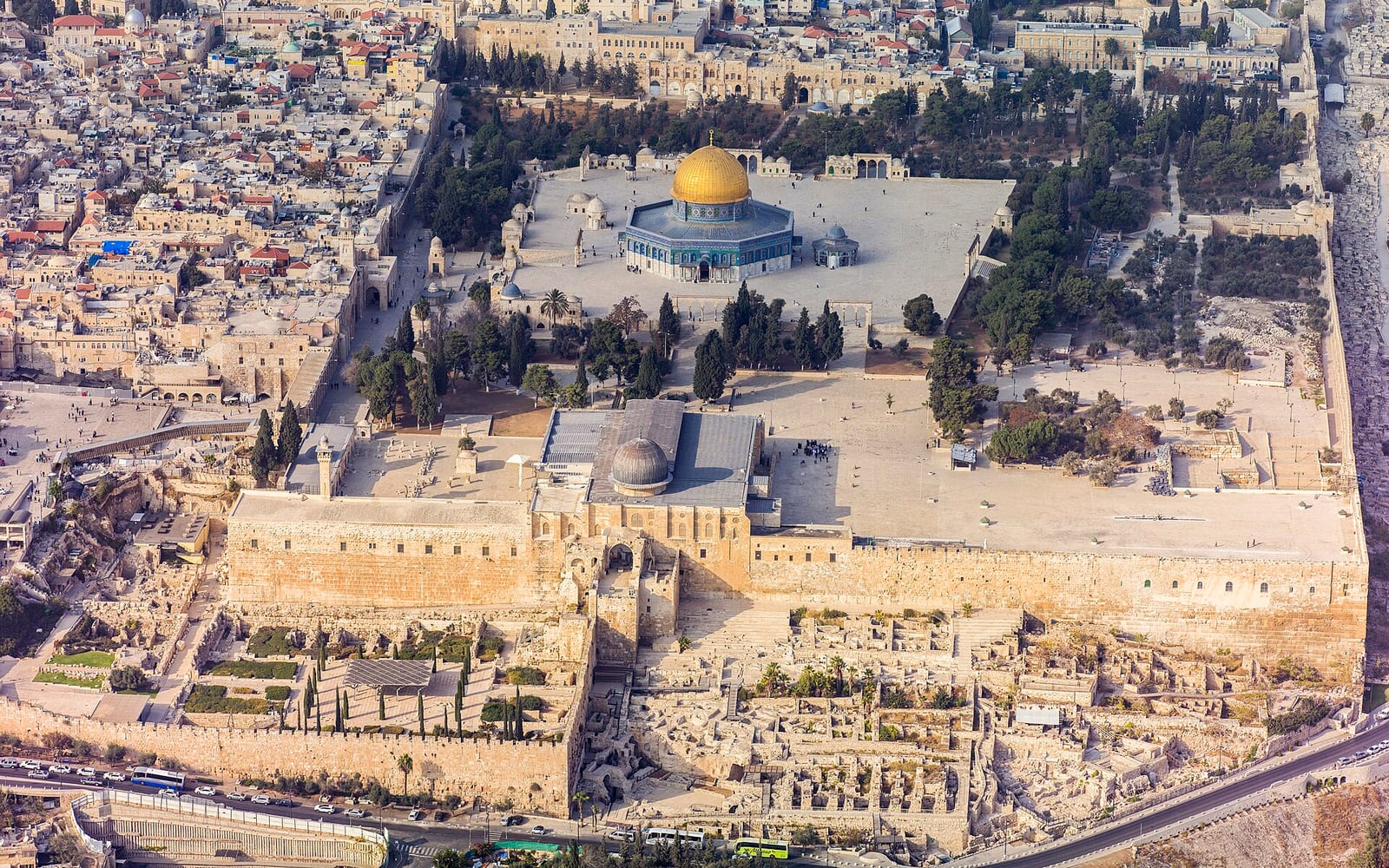
Israel's spiritual heart
Old City quarters, the Western Wall and the Church of the Holy Sepulchre, with day trips to the Dead Sea.
Explore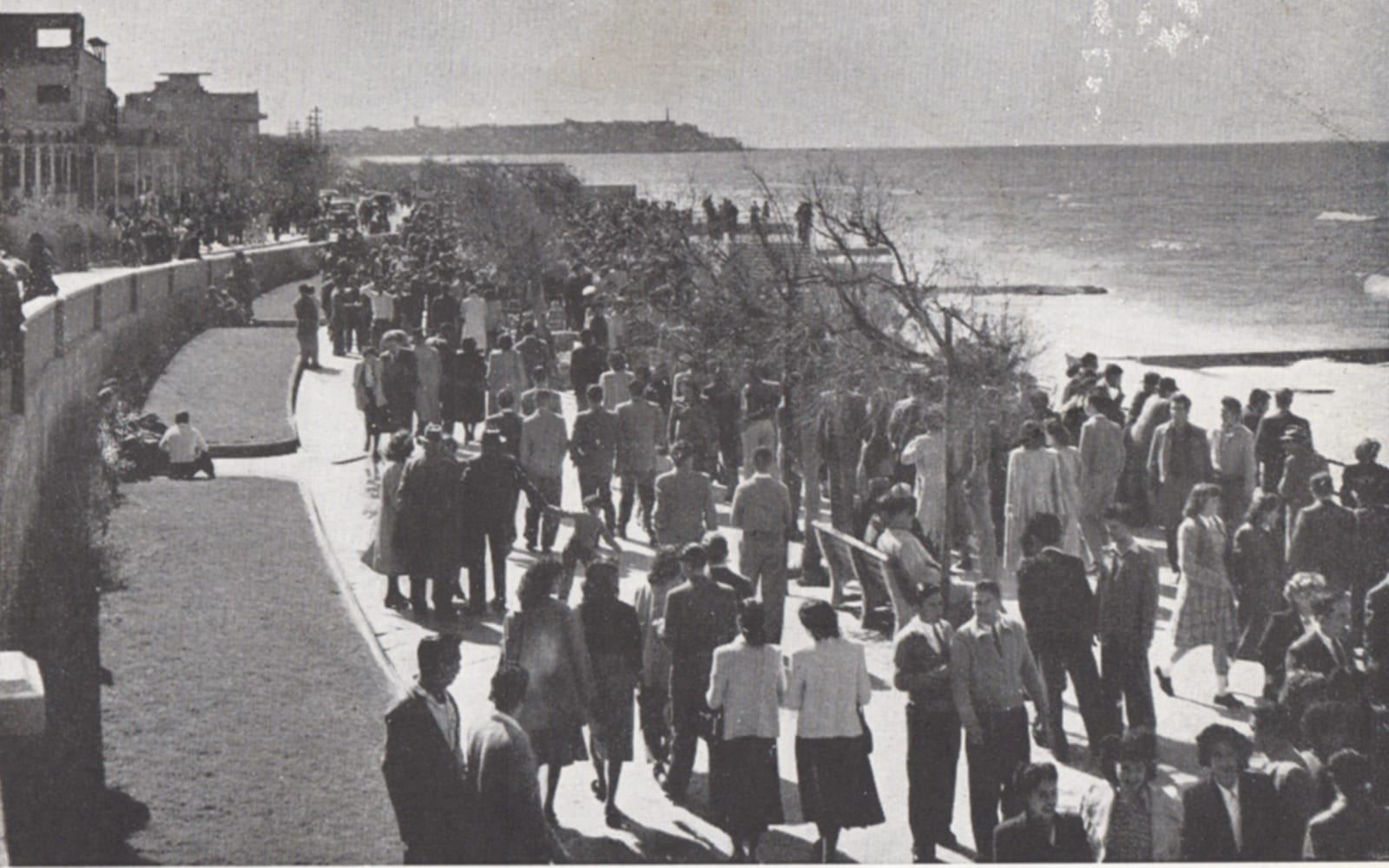
Mediterranean cool
Golden beaches, Bauhaus architecture and a 24-hour food, art and nightlife scene.
Explore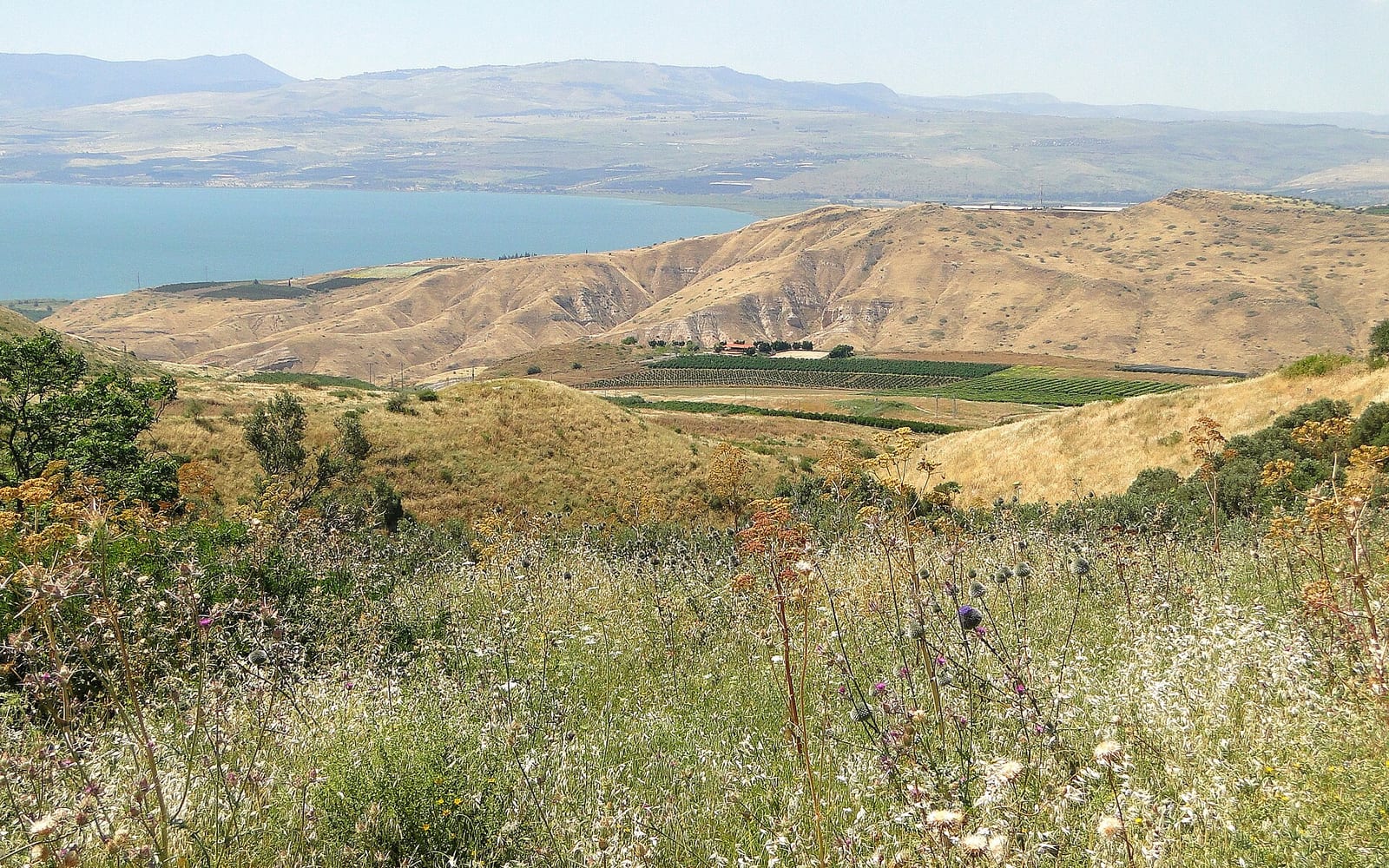
Green hills and holy water
The Sea of Galilee, Christian pilgrimage routes, hilltop Tzfat and boutique wineries.
Explore