A Dead Sea mineral beach is a managed public day-beach offering the core Dead Sea experience — floating in the hypersaline water, applying the black mineral mud, and rinsing off at fresh-water showers — without staying at a hotel. The original concession known as Mineral Beach closed in 2015 after sinkhole damage, but the same model now operates at several alternative sites along the western shore. This guide covers what to expect, where to go, and how to choose between the public beaches and the hotel-strip beaches at Ein Bokek.
Note: The original Mineral Beach concession closed in 2015 after sinkhole damage. The same day-beach experience now operates at alternative sites — Kalia Beach (north), Ein Bokek public beach (south) and Ein Gedi public beach.
Need to know
| Cost | Day-pass at the active public beaches |
| Hours | Most open ~08:00 and close at sunset. Lifeguards on duty during posted hours (typically ~09:00–17:00 in summer, shorter in winter). Avoid swimming outside lifeguarded hours. |
| Time needed | 2–3 hours for the full float-mud-rinse cycle; most people float only 10–20 min at a time. |
| Getting there | Spread along Route 90’s western Dead Sea shore. Kalia (north) is closest to Jerusalem; Ein Bokek public beach is walkable from the hotel strip; a rental car or organised tour is easiest. |
| Best time | Mornings are calmer and cooler. Spring and autumn are most comfortable; midday sun is fierce year-round. |
| Accessibility | Public beaches have parking, freshwater showers and shaded seating; shore entry is over sharp salt crystals (wear water shoes). Entry gradients vary by beach. |
What is a Dead Sea Mineral Beach?
A mineral beach is a paid public access point to the Dead Sea with on-site facilities — parking, lifeguard supervision, freshwater showers, mud-application stations, sometimes a small café and a shaded rest area. The original Mineral Beach between Ein Gedi and Ein Bokek operated for decades and was the most photographed public-beach location until structural damage from receding-shore sinkholes forced its closure in 2015.
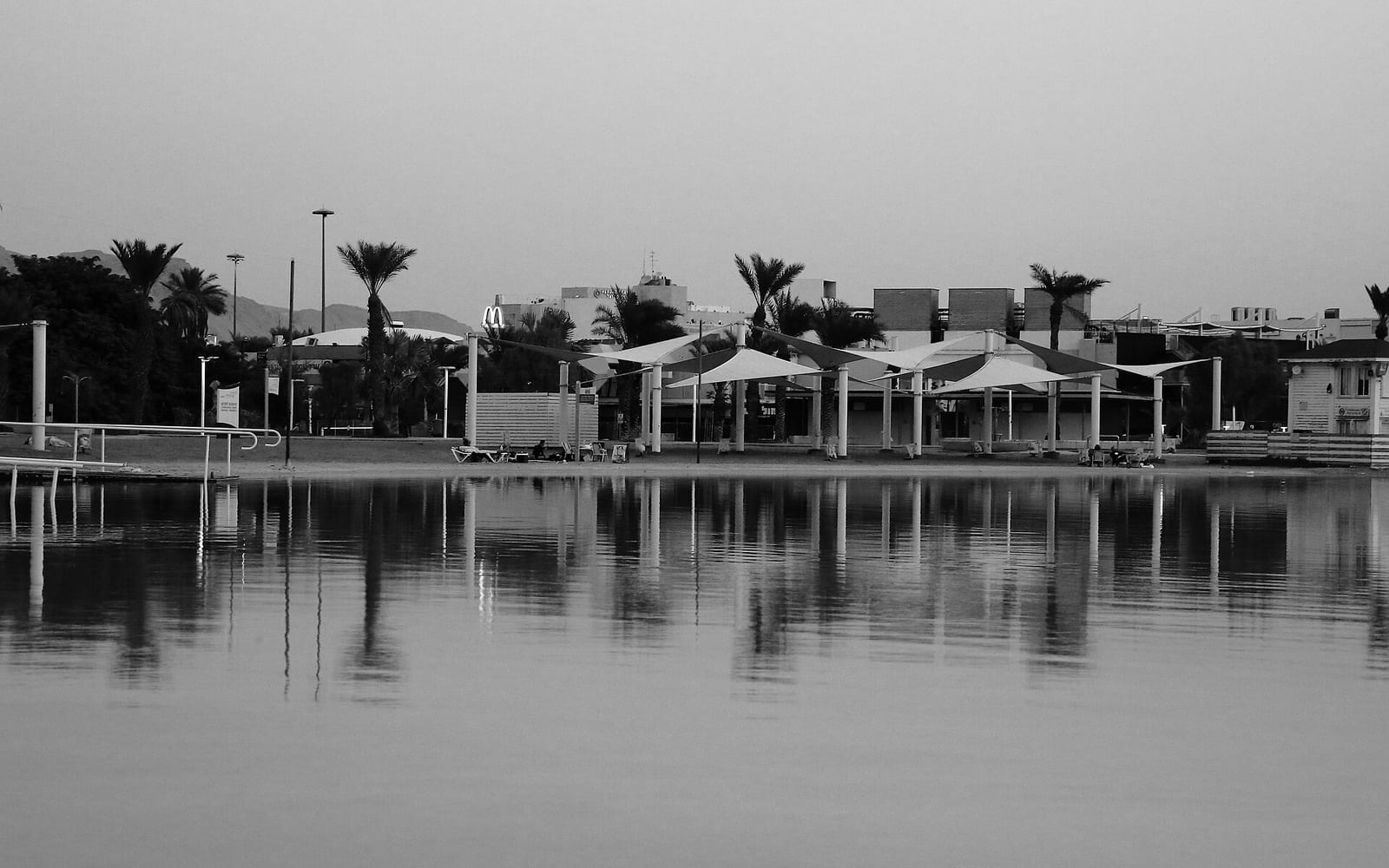
The model continues at several alternatives. Kalia Beach on the northern shore is operated by Kibbutz Kalia and is the most atmospheric — a wooden boardwalk to the water, an Ahava cosmetics shop, mud stations, and a small bar-restaurant. Ein Bokek public beach in the south sits at the centre of the hotel strip and is the easiest walk-in option for travellers staying at Ein Bokek hotels. Ein Gedi public beach at the kibbutz visitor centre is a smaller alternative often combined with the nature reserve.
Visiting a Mineral Beach Today
Admission: ILS 60 to 100 per adult is the typical day-pass at Kalia and Ein Bokek public; Ein Gedi varies. Children pay roughly half. Day-pass includes parking, mud-application stations, freshwater showers, lifeguard supervision and access to shaded seating. Towels and lockers are extra.
Hours: Most public beaches open at 08:00 and close at sunset. Lifeguards are on duty during posted hours (typically 09:00 to 17:00 summer; 09:00 to 16:00 winter). Swimming outside lifeguarded hours is discouraged.
Facilities: Freshwater showers with both rinsing showers near the beach and full-pressure showers in the changing rooms. Mud-application stations with free black mineral mud (top up your own application). Lockers (ILS 10-15). Small café or kiosk. Sun loungers (sometimes free, sometimes extra).
Atmosphere: Quieter than hotel beaches, more managed than the unsupervised access points. A day-pass beach is the best option if you are not staying at an Ein Bokek hotel but want the full floating-and-mud experience.
What to Do at a Mineral Beach
Float in the Dead Sea
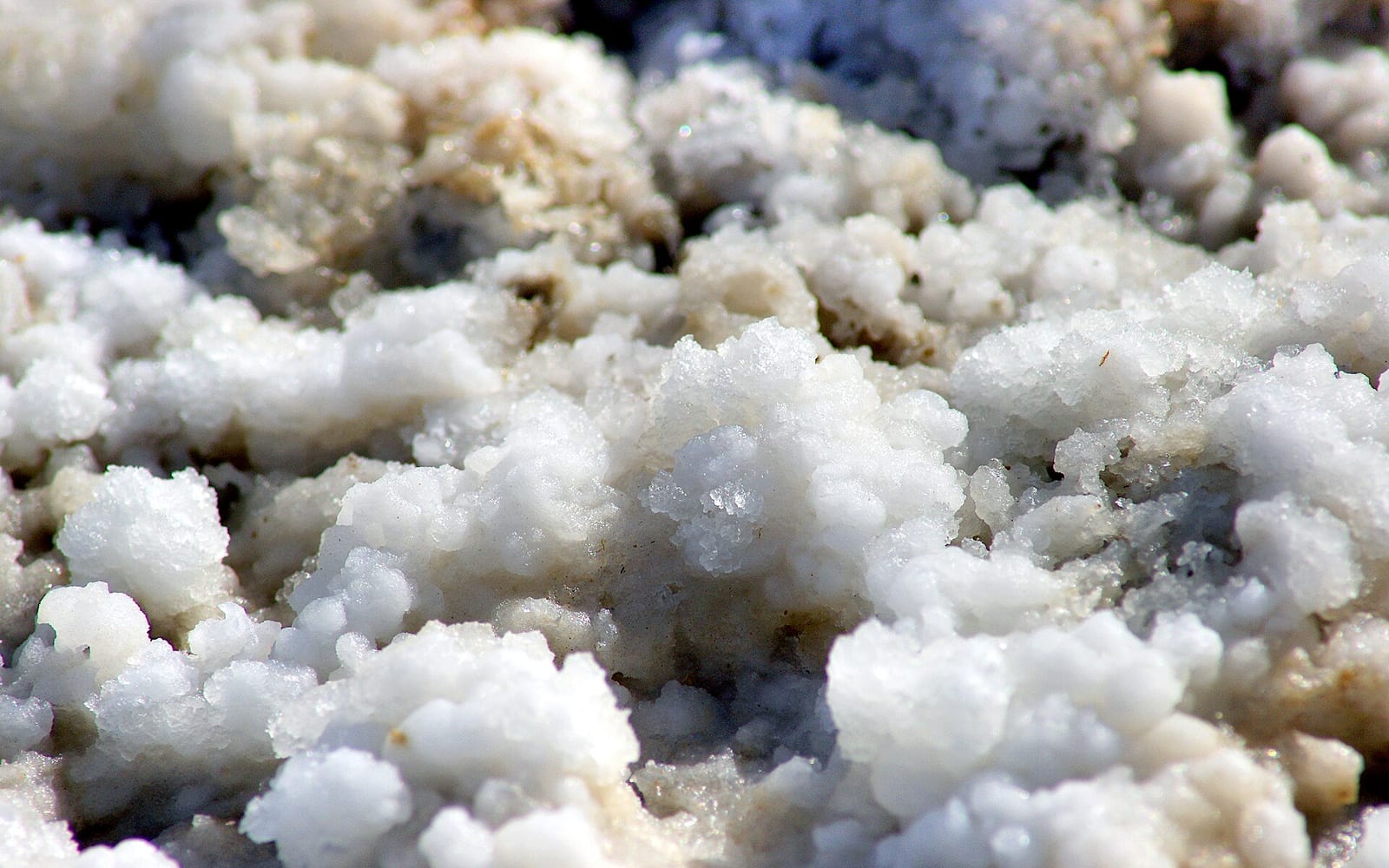
The headline experience. Walk into the water (wear flip-flops or water shoes — the shore is sharp with salt crystals), lean back, and let the salt density float you. Most people stay in for ten to twenty minutes; longer than that the salt starts to dry skin uncomfortably. Do not put your head under and do not swallow the water.
Apply Mineral Mud
The mud-application stations hold tubs of black mineral mud. Apply liberally across the body, let it dry for ten to fifteen minutes (the mud lightens as it dries), then rinse off in the sea or at a freshwater shower. The mineral content is concentrated in the southern shallow ponds where evaporation has been most aggressive.
Freshwater Rinse
Every public beach has freshwater showers near the entry point. Rinse thoroughly after each float — five minutes of fresh-water rinse prevents salt-on-skin irritation later in the day. The full-pressure showers in the changing rooms are the place to do a final rinse before leaving.
Combine with Other Stops
Most travellers stop at a mineral beach as part of a fuller day — Masada in the morning, Ein Gedi mid-morning, mineral beach mid-afternoon for the float and mud. The day-pass is often the most cost-effective way to do the full Dead Sea experience without overnight stay.
Tours and Combined Visits
Nearby Attractions
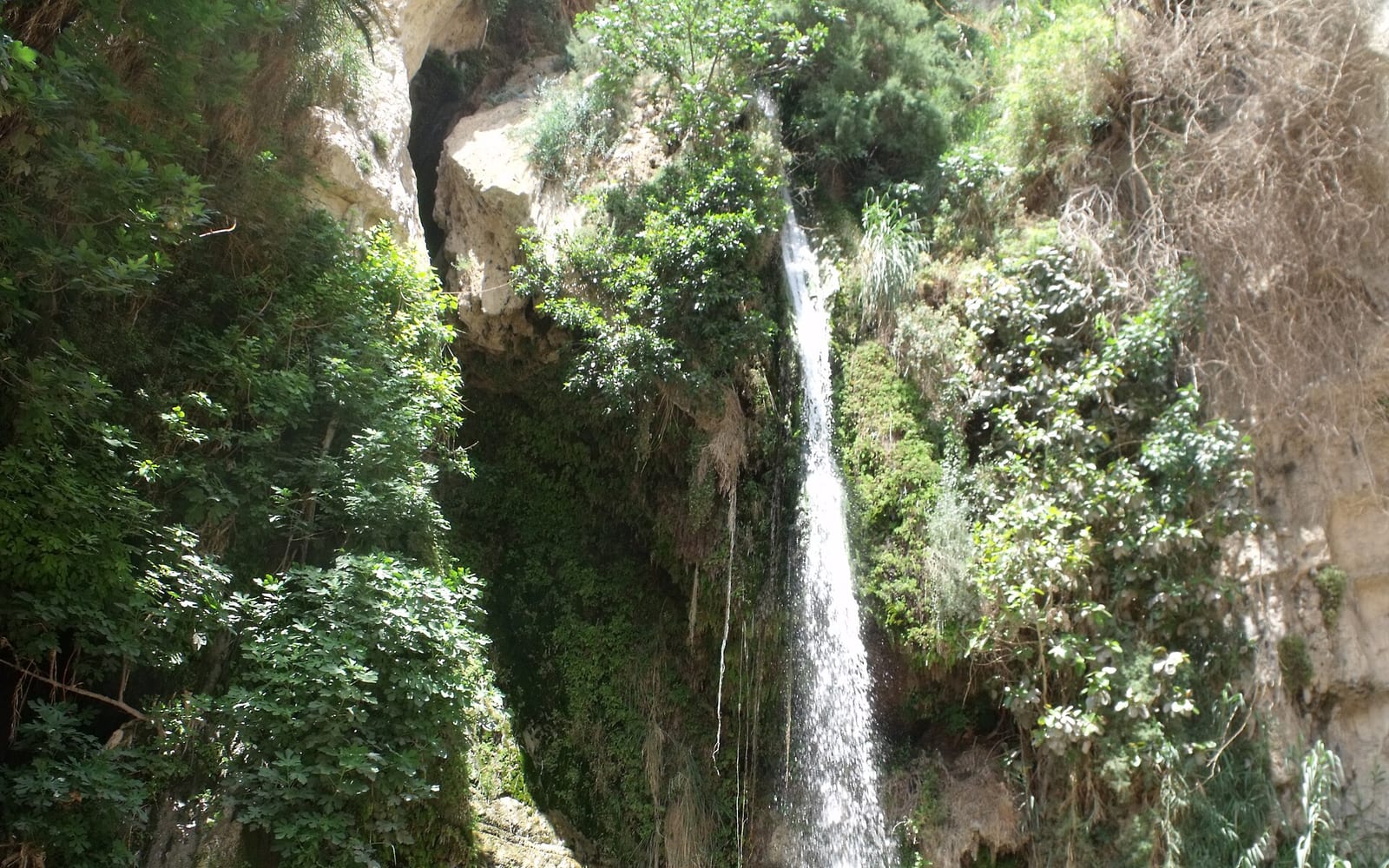
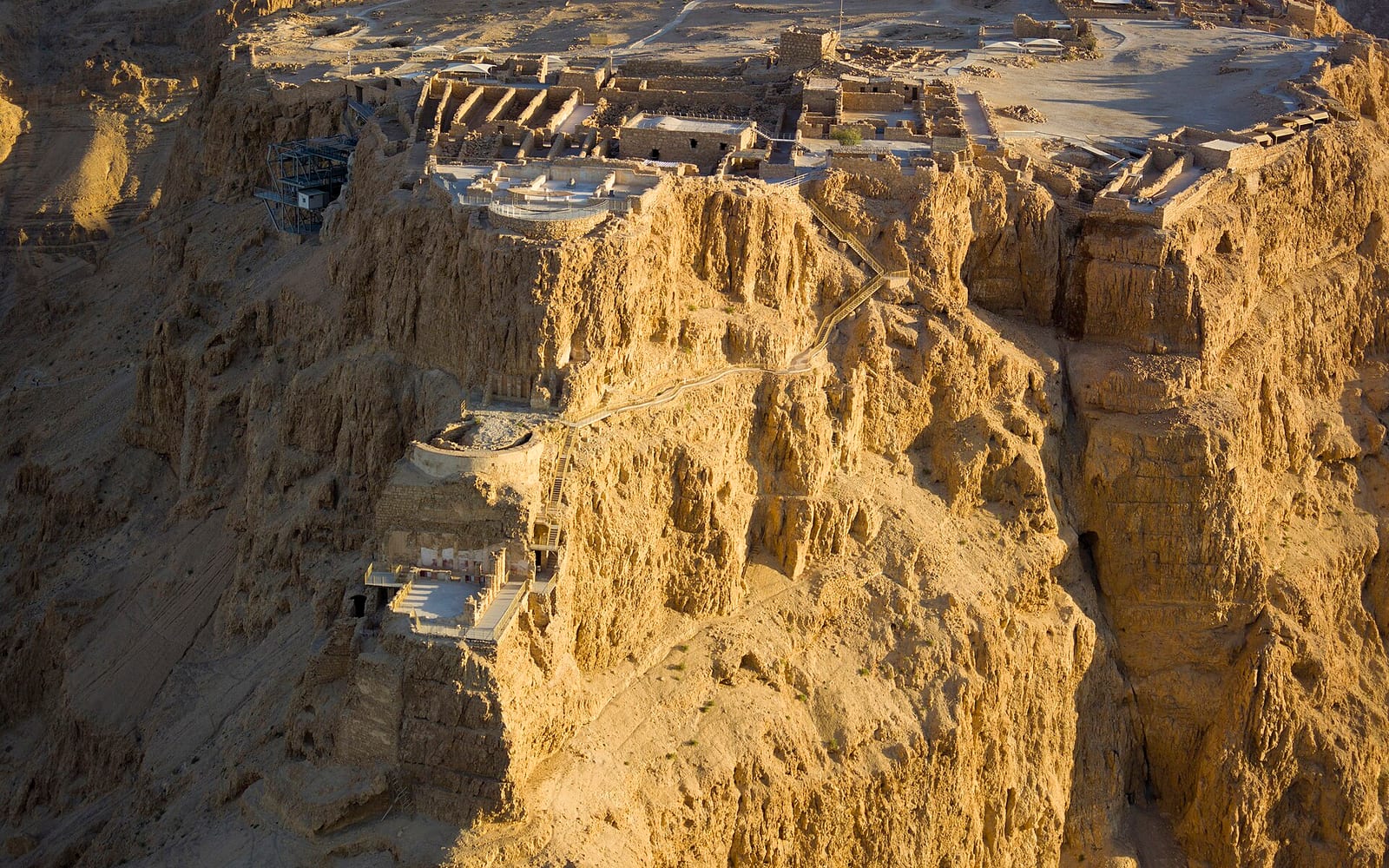
Ein Gedi Nature Reserve is fifteen minutes north for the canyon hikes. Masada is twenty minutes south for the UNESCO archaeological site. Ein Bokek hotels are the natural lunch stop and the place to compare hotel beaches if you are deciding where to stay.
Practical Tips
Wear flip-flops or water shoes. Salt crystals on the shore are sharp enough to cut bare feet. Inexpensive water shoes are sold at most beach shops.
Eye protection. Sunglasses or close your eyes during entry and floating — if water gets in your eyes, rinse immediately with fresh water for several minutes.
Do NOT shave 24 hours before. Even tiny skin breaks sting severely on contact with the water.
Bring your own towel. Beach towels are charged separately at most public beaches.
Sun protection mandatory. SPF 50, hat, sunglasses. The reflection off the water and salt is intense.
Plan around lunch. Most public beaches have basic kiosks; for a proper lunch, walk to one of the Ein Bokek hotel buffets (day-pass options available) or eat before arriving.
Stay hydrated. The desert climate and high evaporation rate make dehydration the most common visitor complaint. Drink more than you think you need.
Why Visit
A mineral beach day-pass is the most practical way to do the full Dead Sea experience — the float, the mud, the rinse — without staying at a hotel. The managed public beaches are clean, lifeguarded, and offer the same access to the water as the hotel beaches at a fraction of the cost. For travellers passing through on a Tel Aviv or Jerusalem day trip, this is the way to make the Dead Sea visit substantive rather than a quick photo stop.