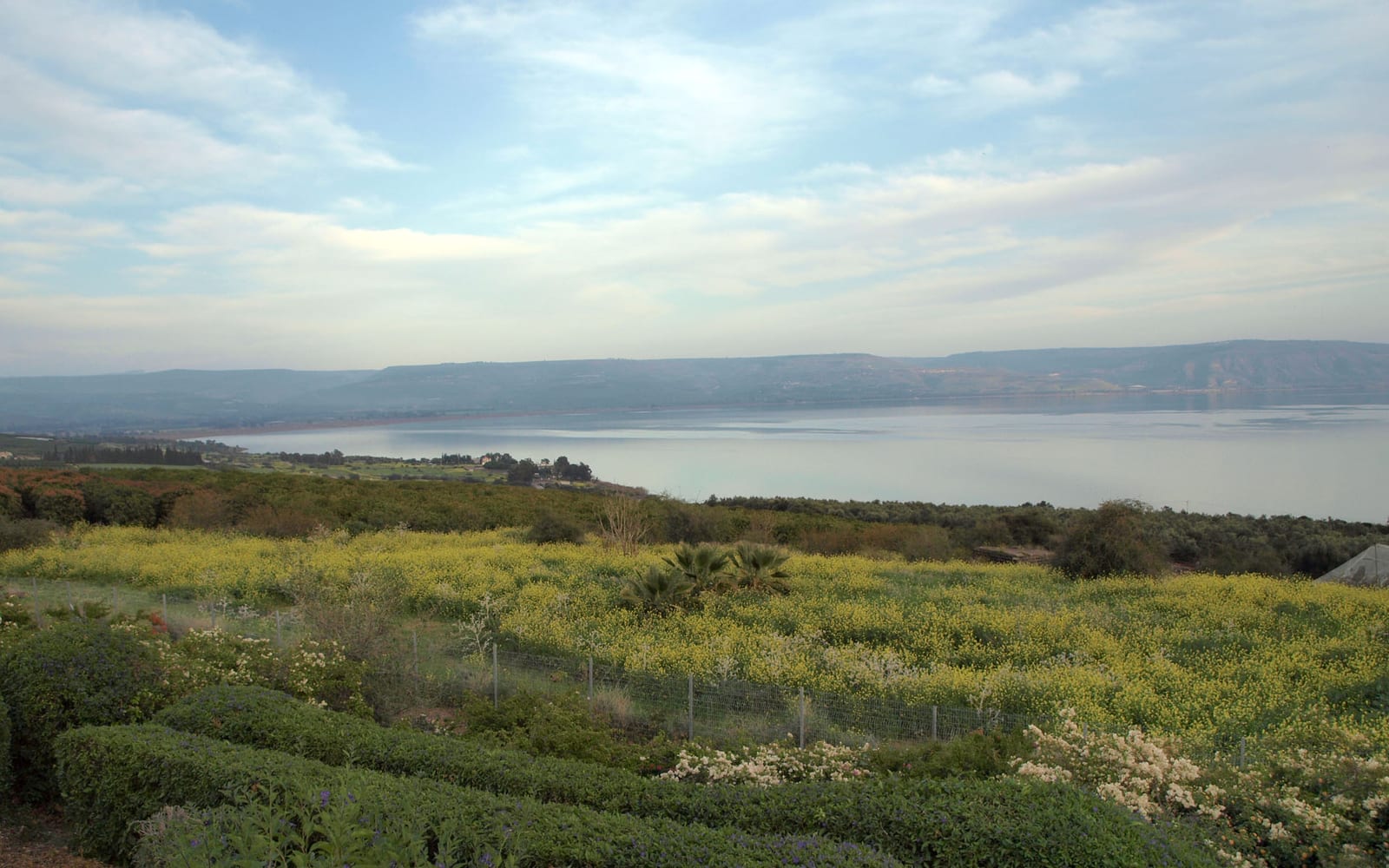
Magdala — known in Hebrew as Migdal — is the recently excavated archaeological site on the western shore of the Sea of Galilee, between Tiberias and Capernaum, that the Gospels identify as the hometown of Mary Magdalene. The site is unusual in the Galilee pilgrim circuit: it is an active archaeological dig rather than an established devotional site, and the focus is on the 1st-century town that Mary Magdalene would have known rather than on a later-period church or shrine.
The dig was begun in 2009 by the Legionaries of Christ order during construction work for a pilgrim retreat centre. The first trenches almost immediately exposed a 1st-century synagogue and a substantial portion of the residential and commercial quarter of the town. Work continues to the present day, and the open-air archaeological park is open to visitors alongside the modern spiritual centre.
Need to know
| Cost | Modest combined entrance fee (~₪15 / ~$4) covering the dig and the Duc in Altum chapel. Check the official site for current prices. |
| Hours | Daily, generally 08:00–18:00 (shorter winter hours). |
| Time needed | 1.5–2 hours for the dig plus the Duc in Altum centre. |
| Getting there | On Route 90, western shore, ~8 km north of central Tiberias (~10 min by car). Paid car park at the entrance. |
| Best time | Earlier in the day for cooler temperatures; the archaeological dig is largely open-air with limited shade. |
| Accessibility | Main paths are wheelchair-accessible; some side trenches are stairs-only. Modest dress recommended for the chapel. |
What is Magdala?
Magdala was a small fishing and fish-processing town on the western shore of the Sea of Galilee, inhabited from roughly the 1st century BCE through the Roman period. The town’s economy was built on the lake — fish salting for export across the Roman Mediterranean, with brick-lined salting pools clearly visible in the dig. Mary Magdalene is identified in the Gospels by her hometown (“of Magdala”) and is among the most prominently named female disciples of Jesus, present at the crucifixion and the first witness to the Resurrection in Mark, Luke and John.
The town fell into ruin in the early Islamic period and the site was covered by later agricultural and modern construction. The 2009 dig is therefore one of the few large-scale 1st-century town excavations in Israel from the period of Jesus’s ministry.
Visiting Magdala Today
Access: the site is on Route 90 along the western shore, about 8 kilometres north of central Tiberias. There is a paid car park at the site entrance. Hours: the archaeological park and Duc in Altum chapel are open daily, generally 08:00 to 18:00 (shorter winter hours). Cost: a modest combined entrance fee covers the dig and the chapel. Dress: modest dress recommended for the chapel; the open-air archaeological park is less strict but visitors should still cover shoulders out of respect for the site’s pilgrim character.
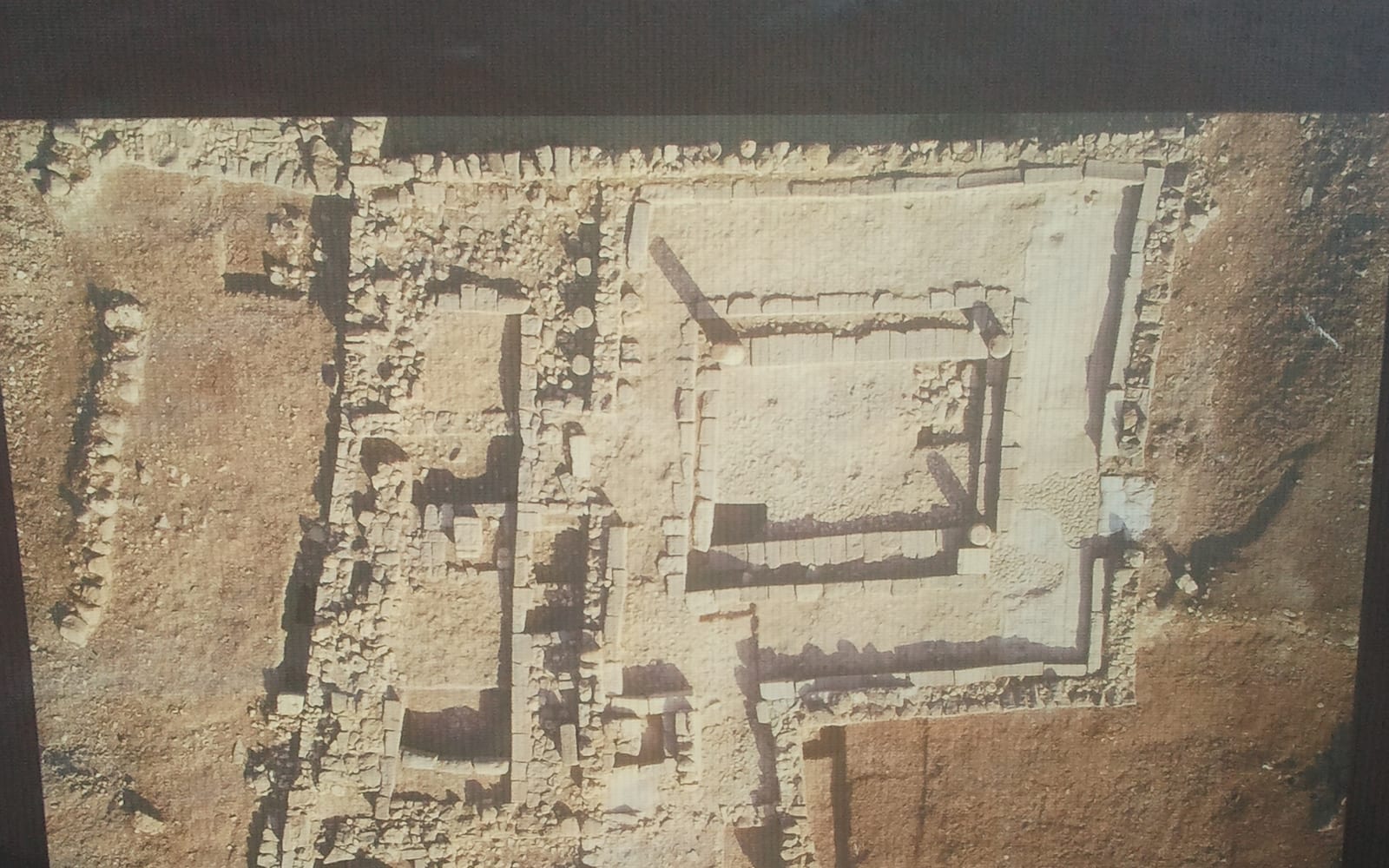
Atmosphere: the site has a strong combination of archaeological visit and contemplative pilgrim space. The dig itself is signed in multiple languages with clear excavation diagrams; the modern Duc in Altum chapel is designed for individual prayer and small-group services rather than large pilgrim-tour liturgies.
Top Things to See
The 1st-Century Synagogue and Magdala Stone
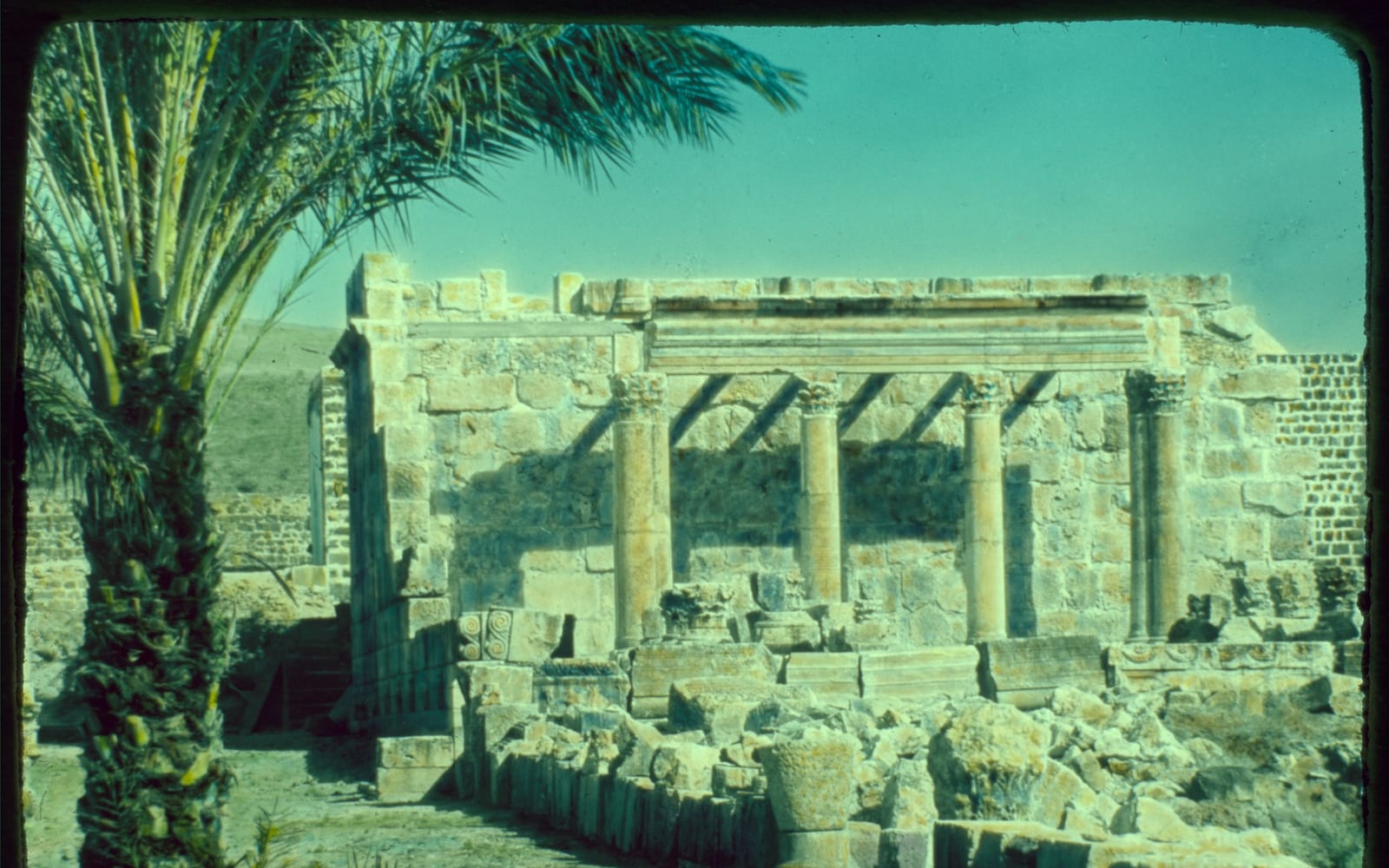
The most significant find from the dig is the 1st-century synagogue — a small rectangular room with a stepped seating bench, partial floor mosaic, and stone benches around the perimeter. At the centre of the room sits a replica of the Magdala Stone: a 60-centimetre carved limestone block discovered in 2009 with the earliest known three-dimensional depiction of a seven-branched menorah on its front face. The block is also carved on three other sides with reliefs of the Jerusalem Temple — the only known pre-70 CE representations of the Second Temple from outside Jerusalem itself. The original stone is on display at the Israel Museum in Jerusalem; the high-quality replica at Magdala sits in its original archaeological context.
The 1st-Century Residential and Commercial Quarter
Beyond the synagogue, the dig has uncovered a substantial portion of the town’s residential quarter — small basalt-walled houses, narrow alleys, and a series of fish-salting pools lined with watertight plaster. The salting industry was Magdala’s main export economy: lake fish were salted in the pools for shipment in jars across the Roman Mediterranean. Several mikveh (Jewish ritual baths) are visible in the dig, attesting to the town’s substantial Jewish observance.
Duc in Altum Spiritual Centre
The Duc in Altum chapel and pilgrim centre next to the dig is the modern devotional half of the site. The main chapel is centred on a boat-shaped altar that floats on a small reflecting pool, with stained-glass windows depicting Sea of Galilee fishing scenes. Smaller surrounding chapels are dedicated to the Women of the Gospel — Mary Magdalene, Martha, the Samaritan woman and others — making this one of the few Christian sites in Israel with explicit dedication to the female figures of the New Testament. A separate Boat Chapel at the lake shore looks directly out to the Sea of Galilee.
The Lake Shore and Fishermen’s Wharf
The site includes a short lakeshore walk with a reconstructed 1st-century fisherman’s wharf. The reconstruction is based on the dig’s findings and gives a clear sense of the working lakeshore that Jesus and the disciples would have known.
Tours of Magdala
Most travellers combine Magdala with Capernaum and Mount of Beatitudes in a single Sea of Galilee morning tour from Tiberias. Independent visits by rental car are equally practical; the site has an excellent visitor centre with a short orientation film.
Practical Tips
Bring water and sun protection — the archaeological dig is largely open-air with limited shade. Allow time in the chapel — the Duc in Altum boat altar and the surrounding Women of the Gospel chapels are the contemplative anchor of the visit. The site is wheelchair-accessible along the main paths; some side trenches in the dig are stairs-only. Photography is welcome throughout the site including in the chapel (no flash inside the boat altar area). Combine with Capernaum five kilometres north for a complete northern-shore morning.
Why Visit
Magdala is the most distinctive stop on the Sea of Galilee pilgrim circuit because it is genuinely an active 1st-century town dig rather than a later memorial church. The Magdala Stone replica in its original synagogue context, the fish-salting pools, the mikveh and the residential quarter together give the most concrete physical sense of the world Jesus actually moved in. The pairing with the Duc in Altum chapel — explicitly dedicated to the women of the Gospel — also fills a gap that the other anchor sites do not address.
Nearby Attractions
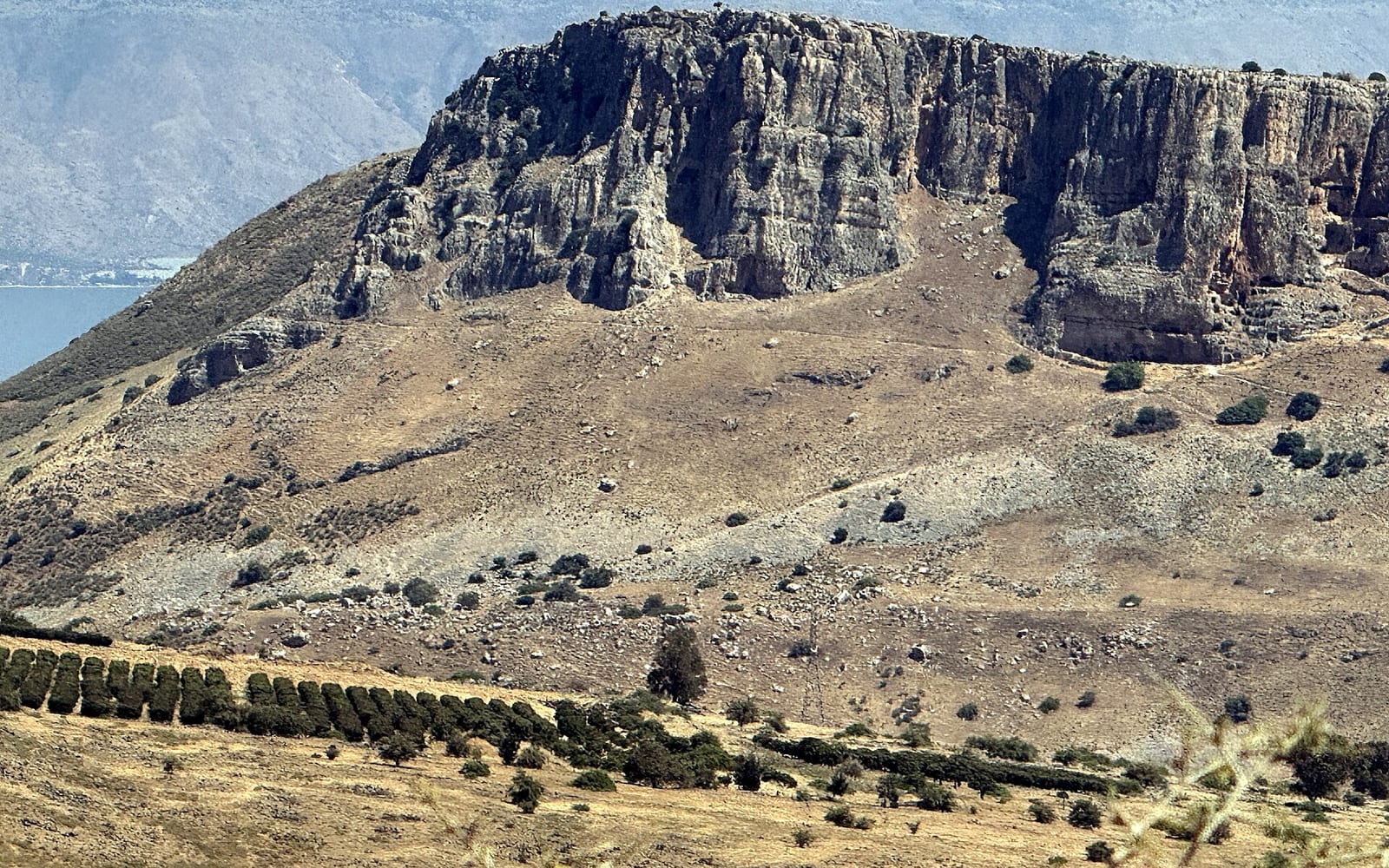
Capernaum is five kilometres north along the lake — the ancient synagogue ruins and Peter’s house memorial church. Mount of Beatitudes is six kilometres north for the octagonal church and panoramic gardens. Mount Arbel is twenty minutes inland for the cliff hike. Tiberias is fifteen minutes south for hotels and food.