Tiberias is the only city on the Sea of Galilee shore and the practical staging point for almost every visit to the region. Founded by Herod Antipas around 20 CE on Roman-era thermal springs, named for the emperor Tiberius, the city has been continuously inhabited for two thousand years and carries Roman, Crusader, Ottoman and Israeli layers within a one-kilometre stretch of lakeshore. Modern Tiberias is a mid-sized municipal city with a strong tourism economy: hotels run for two kilometres along the western shore, restaurants line the lakeside promenade, and the city’s hot springs and Maimonides tomb pull steady year-round visitors.
This guide covers what Tiberias is, the practical hotel cluster and lakeside layout, the headline sights inside the city, and how to use Tiberias as the base for both the pilgrim sites on the northern shore and the Mount Arbel hiking day to the west.
Need to know
| Cost | The city is free to explore; the lakeside tayelet costs nothing. Hamat Tiberias National Park (~₪22 / ~$6) and the Maimonides tomb (free) are the main paid/free sights. |
| Hours | A working city — open year-round. Most restaurants close by ~22:30; transport pauses Friday afternoon to Saturday evening (Shabbat). |
| Time needed | 2 nights as a Galilee base (3 if adding a Golan day); a single evening covers the promenade and a meal. |
| Getting there | Egged buses from Tel Aviv (~2.5 hrs) and Jerusalem (~2 hrs); ~2 hrs driving from Ben Gurion via Route 6/65. Parking at most hotels and the southern promenade. |
| Best time | Spring and autumn for comfortable temperatures; summer midday is hot. Evenings on the tayelet are pleasant year-round. |
| Accessibility | Lakeside promenade is largely flat and walkable; the historic core and tomb area have some slopes and steps. |
What is Tiberias?
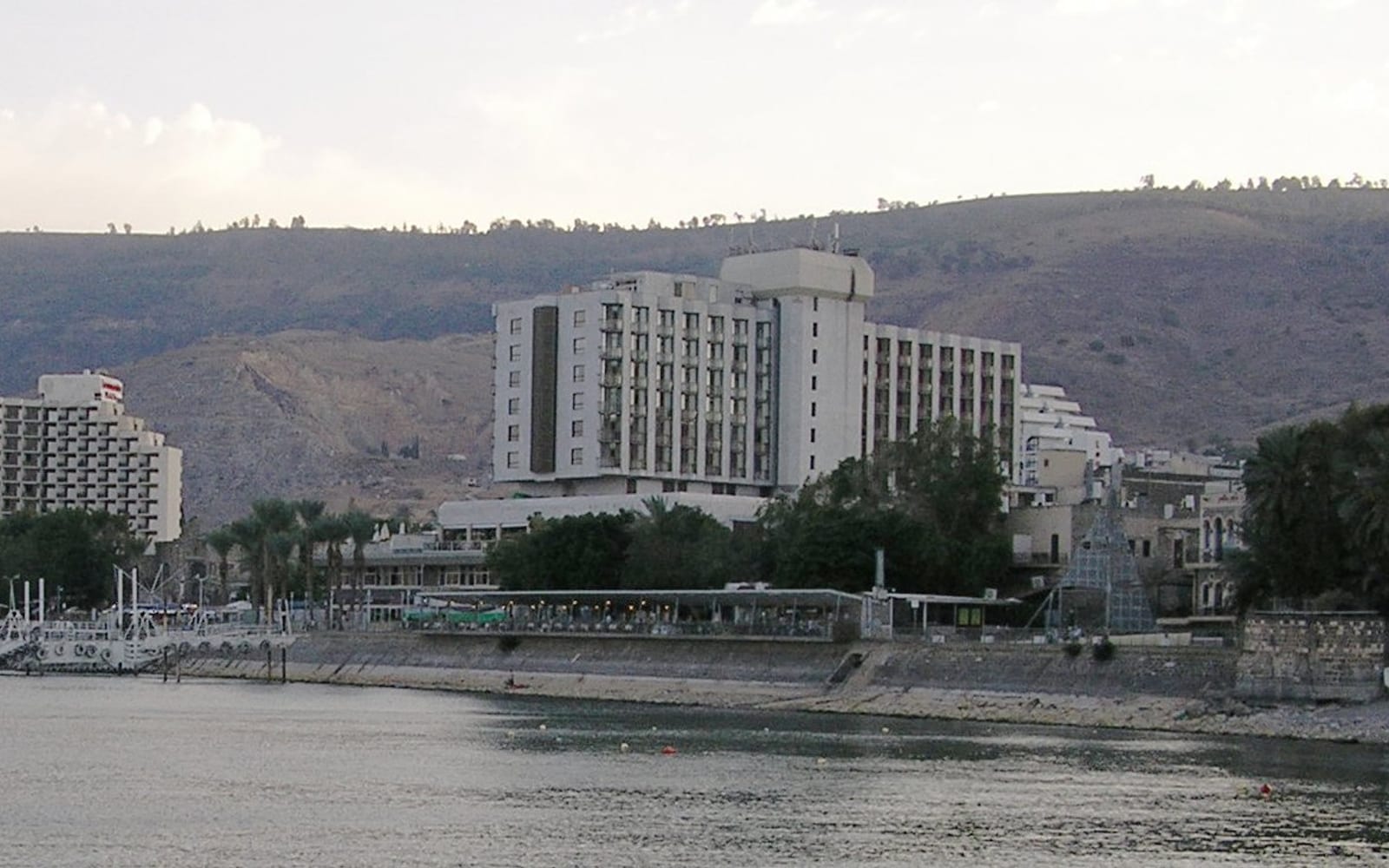
Tiberias is a small municipal city on the western shore of the Sea of Galilee, with a population of around 50,000. The city stretches along the lakeshore from the Hamat Tiberias hot springs at the southern end to the modern resort-hotel cluster at the northern end, with the historic core and main municipal services in the middle. Almost all the city’s main visitor sights sit within a 1.5-kilometre walking distance from the central lakeside; the tayelet promenade itself runs the length of the city.
Tiberias is historically one of the Four Holy Cities of Judaism (alongside Jerusalem, Hebron and Safed) — a designation tied to the city’s status as a centre of rabbinic learning in the period after the destruction of the Second Temple. The Tomb of Maimonides is the most visible expression of that heritage; smaller tombs of important medieval rabbis cluster around it.
Visiting Tiberias Today
Access: Egged buses run direct from Tel Aviv central bus station (around 2.5 hours) and from Jerusalem (around 2 hours). Driving from Ben Gurion via Route 6 and Route 65 takes about 2 hours. Parking is straightforward at most hotels and along the southern promenade; central streets near the lakeside are paid metered.
Layout: the main lakeside hotels cluster in two zones — a northern strip near the Galei Kinneret historic hotel area, and the central waterfront. The Maimonides tomb sits a five-minute walk inland from the central promenade. Hamat Tiberias is at the southern edge of the city, accessible by car or local bus.
Atmosphere: Tiberias has a relaxed lake-resort feel in the evenings and a more workaday city feel during business hours. Friday evenings on the tayelet are quiet but pleasant; Saturday is busy with Israeli weekend visitors from inland communities. The city is not a Tel Aviv-style late-night scene; most restaurants close by 22:30.
Top Things to See and Do
The Lakeside Promenade (Tayelet)
The Tiberias tayelet runs along the western shore for about three kilometres, with restaurant terraces, fishing piers and small public beaches stitched together. The southern end overlaps the historic port area where the original Roman city’s port stood; the northern end runs into the modern hotel cluster. An evening walk end-to-end takes about an hour at a relaxed pace and includes several lookout points back across the lake toward the Golan.
Hamat Tiberias National Park
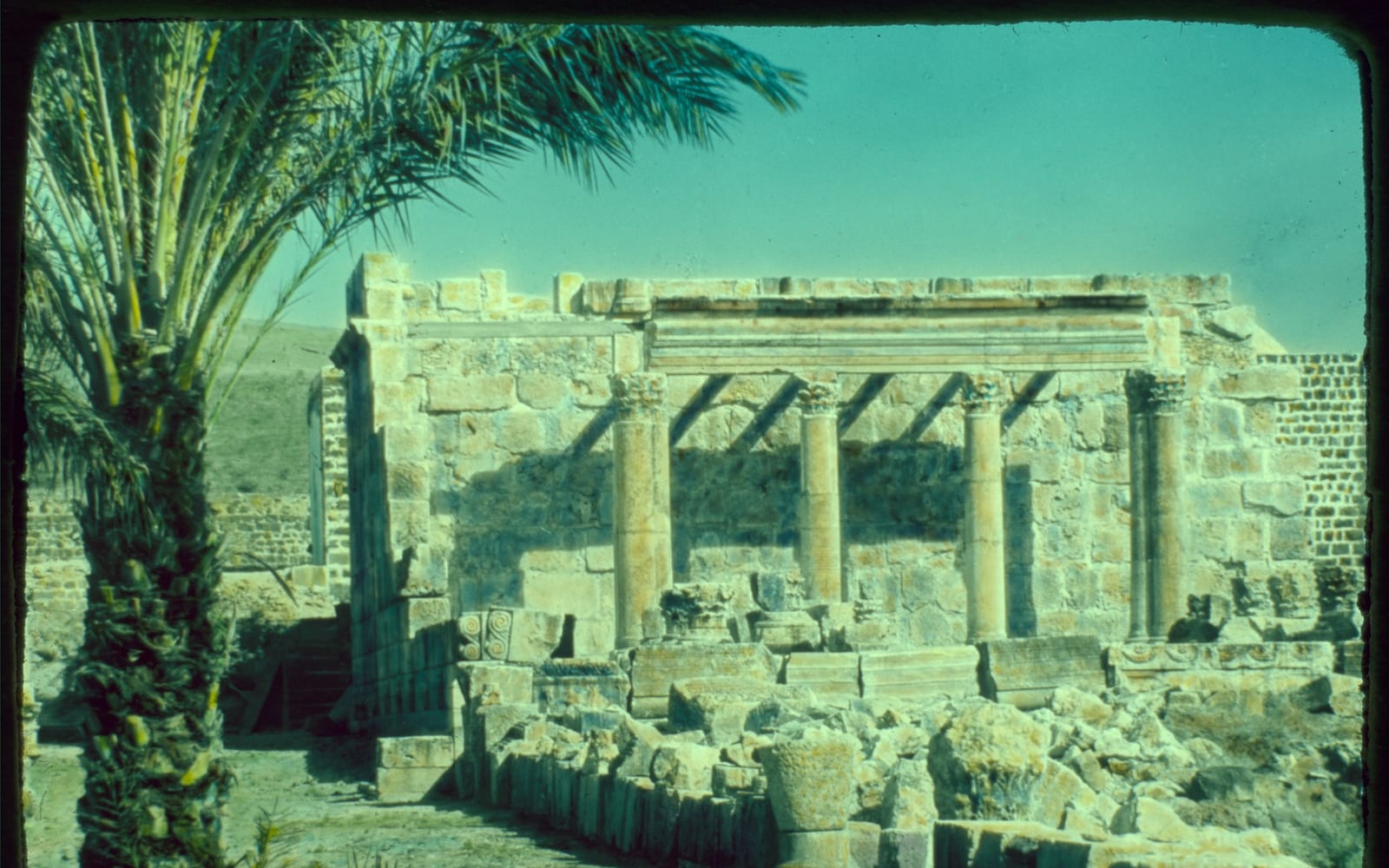
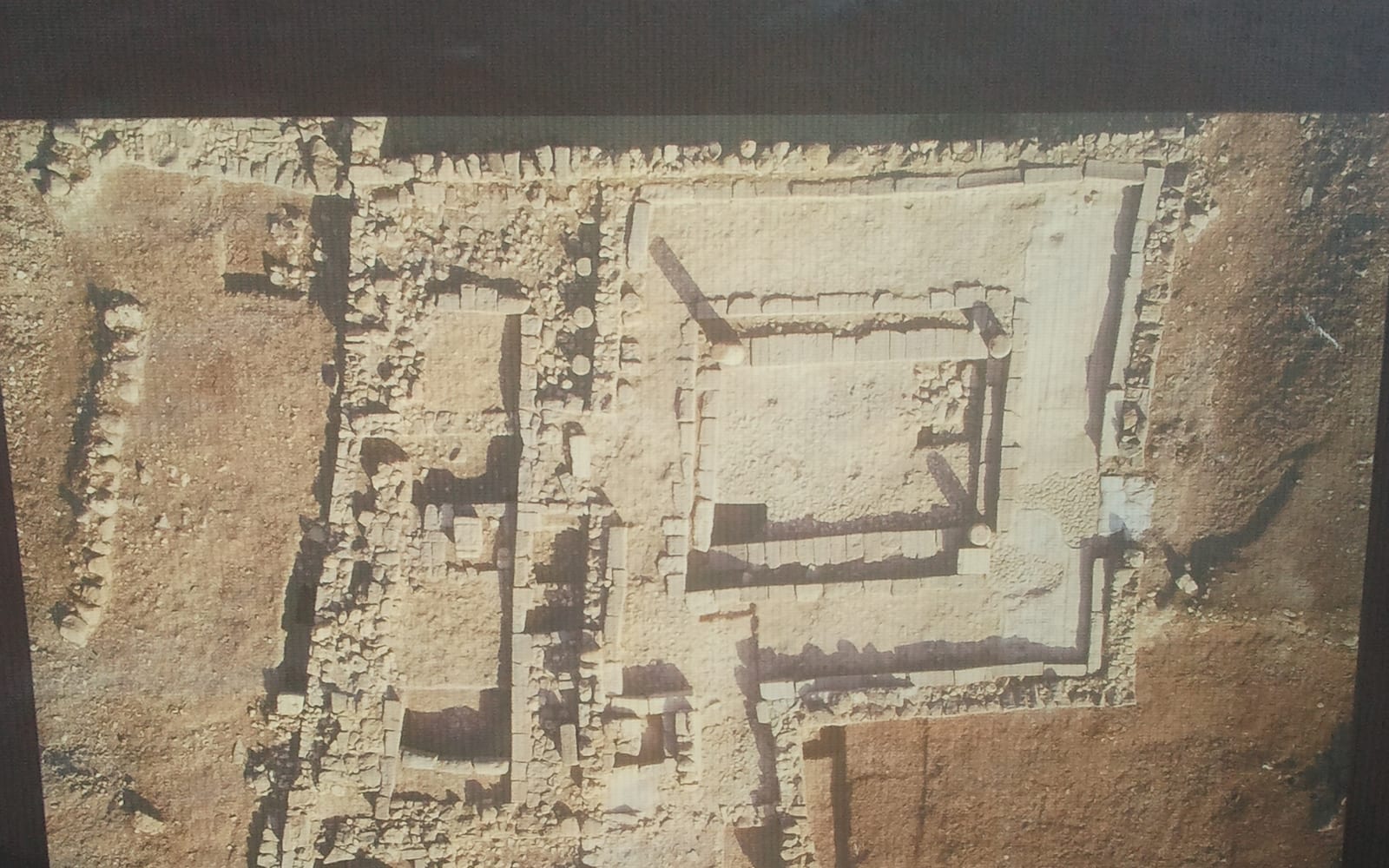
Hamat Tiberias at the southern edge of the city is a 2,000-year-old thermal-spring complex with a Roman-era mineral water source still flowing today. The national park section holds a small archaeological garden and the remarkable 4th-century synagogue mosaic — the floor of an ancient synagogue preserved in situ, with a central zodiac wheel mosaic surrounded by representations of the four seasons. The mosaic is among the best-preserved late-Roman zodiac depictions in any synagogue in Israel. The separate paid Tiberias Hot Springs spa next door uses the same mineral water for modern thermal pools.
Tomb of Maimonides (Rambam)
The Tomb of Maimonides in central Tiberias is the resting place of Moses ben Maimon (1138–1204) — the medieval Jewish philosopher, physician and codifier of Jewish law whose Mishneh Torah and Guide for the Perplexed are central works of Jewish thought. The site is a free-entry Jewish pilgrimage destination open daily; the surrounding plaza holds the tombs of several other medieval rabbis. Modest dress recommended; the atmosphere is observant but welcoming to visitors of any faith.
The Galilee Boat (Yigal Allon Museum)
A short drive north of central Tiberias at Kibbutz Ginosar, the Yigal Allon Museum holds the Galilee Boat — a 27-foot wooden fishing boat dated to roughly the 1st century CE, discovered preserved in the lake-floor mud during a severe drought in 1986. The boat is the only intact ancient fishing vessel known from the Sea of Galilee period and is housed in a climate-controlled hall. The museum visit pairs well with a return to Tiberias via the pilgrim sites further north.
Tours from Tiberias
Most travellers use Tiberias as the start point for guided Christian sites tours covering Capernaum, Mount of Beatitudes, Tabgha and Yardenit. Half-day options run mornings; full-day tours add Magdala or extend into the Golan.
Practical Tips
Stay near the lakeside for the easiest evening rhythm — hotel choices range from the historic Galei Kinneret to several modern resort properties. Hot springs etiquette: the national park and the paid spa are separate tickets — visit the park for the mosaic and history, the spa for the thermal pools. Combine the tomb with a quiet morning before the city heats up; midday in summer in Tiberias is uncomfortable. Friday afternoon to Saturday evening is Shabbat — public transport pauses but lakeside restaurants and most hotels operate normally.
Why Visit
Tiberias is the practical hub for the Sea of Galilee — every Christian pilgrim circuit, every Mount Arbel hiking day, and every Golan Heights day-trip starts here. The city’s own draws — Hamat Tiberias hot springs, the Maimonides tomb and the lakeside tayelet — are enough to justify two nights in their own right, and the location turns a Galilee trip into a comfortable two-base itinerary rather than constant relocation.
Nearby Attractions
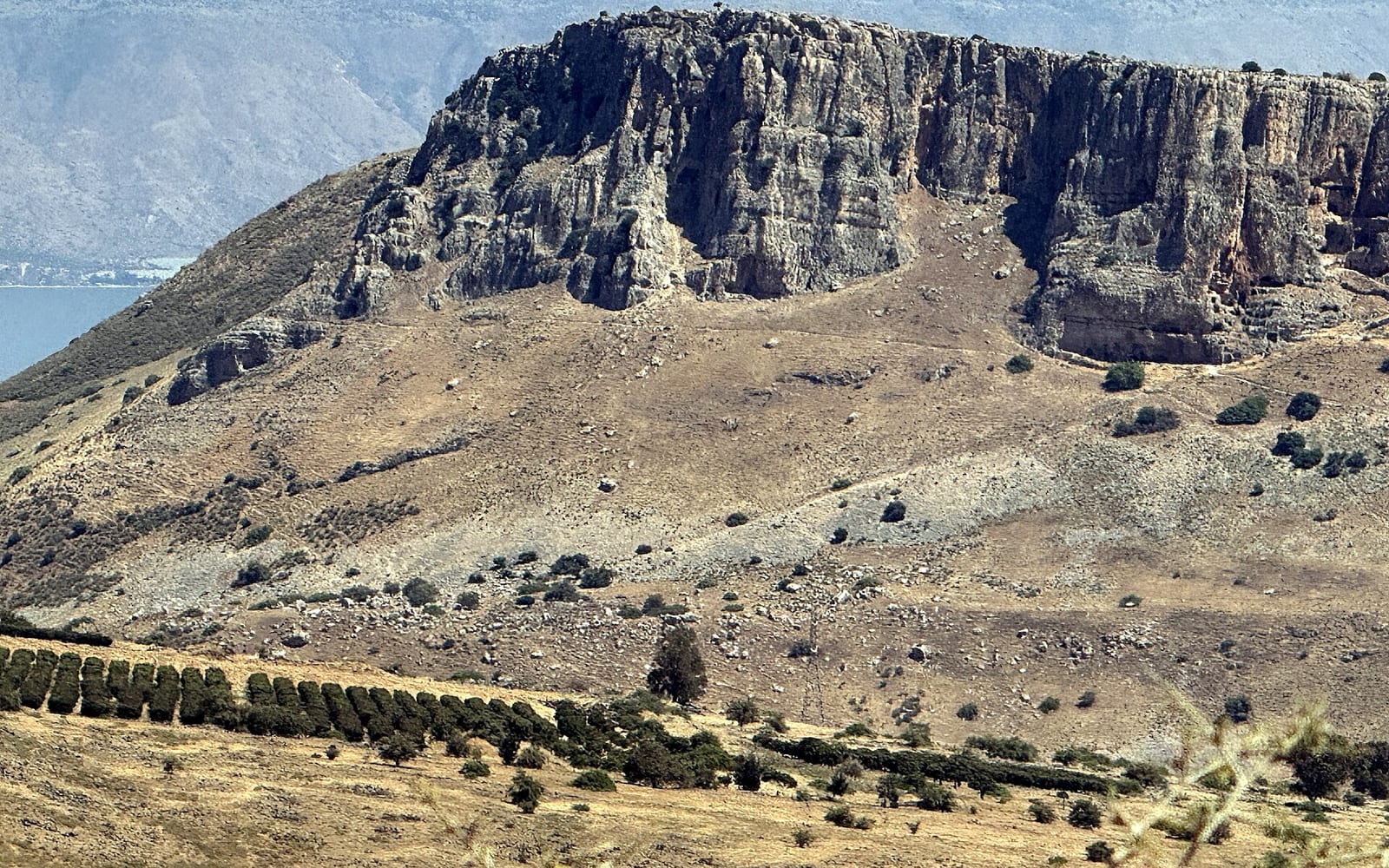
Mount Arbel is fifteen minutes by car for the cliff-hike panorama. Capernaum + Mount of Beatitudes + Tabgha cluster on the northern shore, twenty minutes away. Yardenit is fifteen minutes south at the lake outflow. Tzfat (Safed) — another of the Four Holy Cities — is forty minutes north into the upper Galilee hills.