The Druze villages of the Golan Heights — Majdal Shams, Masʻade, Buqʻata, Ein Qiniyye — are home to about 25,000 Druze residents on the slopes of Mount Hermon and around the Birkat Ram lake. The community is a distinctive religious tradition with its own customs, cuisine and a hospitality culture that is the headline tourist experience in the Golan. Lunch in a Druze village — fresh-baked taboon bread, labneh with zaʻatar, Druze pita with melted cheese — is the most consistent recommendation in the entire Golan travel calendar.
This guide covers the four Druze villages, the cuisine, the cultural respect that makes the visit work, the community-partnership operators that route bookings to fair-wage village hosts, and the practical logistics of a Druze village visit as part of a Golan day or two-day loop.
Need to know
| Cost | Free to visit; budget for lunch — a full Druze meal runs roughly ₪80–150 / ~$22–40 per person depending on the restaurant. |
| Hours | Druze restaurants typically serve lunch ~11:30–16:00; dinner is less common. Saturdays and Israeli holidays are busiest; weekdays quieter. |
| Time needed | 2–3 hours — village walk, lunch, optional cultural-orientation conversation. |
| Getting there | Majdal Shams and Masʻade are 30–45 min from Katzrin on Highway 98; ~2.75–3 hrs from Tel Aviv. Rental car or “Golan + Galilee” day tour. |
| Best time | Cherry-picking season (May–June) around Majdal Shams; weekday lunches for a quieter encounter. |
| Accessibility | Casual modest dress is appropriate. Do not photograph khalwat (Druze meeting houses), religious figures or private homes; ask before photographing people. |
What are the Druze Villages of the Golan?
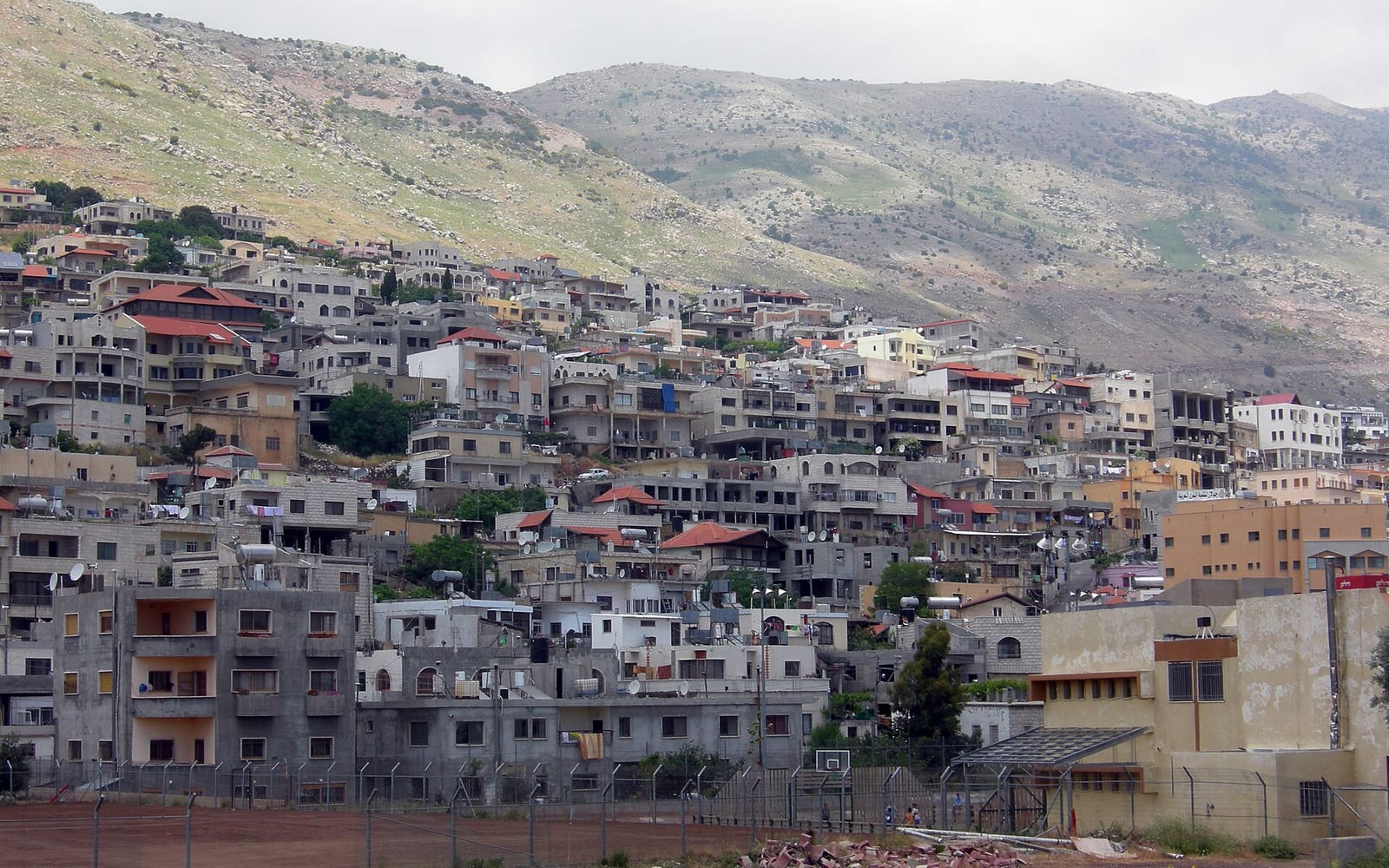
The Druze are a distinct religious community whose tradition emerged in the 11th century in the eastern Mediterranean. The Druze community on the Golan Heights numbers about 25,000 people, living in four villages: Majdal Shams (the largest, around 11,000 residents, on the southern slope of Mount Hermon), Masʻade (about 3,500 residents, near the volcanic crater lake Birkat Ram), Buqʻata (about 6,500 residents, between Masʻade and Majdal Shams), and Ein Qiniyye (about 2,000 residents, the smallest, north-west of Banias).
The Druze religious tradition is closed — only initiated members participate in the religious practice and the khalwat (community meeting houses) are not open to non-Druze visitors. The cultural and culinary life of the villages is open and welcoming; the religious life remains private. Visitors who respect that distinction find the villages exceptionally hospitable.
Some Golan Druze residents hold Israeli citizenship, some hold Syrian citizenship, and some hold permanent-resident status. This is a feature of the post-1967 situation and the 1981 annexation of the Golan; the civic-status patterns vary across the community. The Druze in Israel proper — communities in the Galilee and on Mount Carmel — are a separate population with different civic-status patterns (generally Israeli citizens with military service). Both communities share the same religious tradition.
Visiting the Druze Villages Today
Majdal Shams is the natural first visit for international travellers — it is the largest village, has the most restaurants and cafes, and has a vibrant Saturday market scene. The village centre is walkable; the main street is lined with restaurants serving the classic Druze menu. Several cherry orchards surround the village (Majdal Shams cherries are a regional specialty); cherry-picking season (May-June) is a particular tourism window.
Masʻade is the quieter alternative — closer to Birkat Ram (a small volcanic crater lake with a short walking path around its edge), with several family-run restaurants and a more atmospheric setting for a relaxed lunch. Many “Golan + Galilee” day tours stop in Masʻade rather than Majdal Shams.
Buqʻata and Ein Qiniyye are less tourism-developed and have fewer restaurants. Visit if you want a quieter encounter; do not expect the restaurant variety of Majdal Shams.
The visit pattern is typically 2 to 3 hours — village walk, lunch, optional cultural-orientation conversation with the restaurant host. Most visitors do not stay overnight; small family guesthouses operate for travellers who want a longer cultural visit.
Top Things to See and Do
Lunch at a Family-Run Restaurant
The headline experience is a 2-hour Druze lunch — taboon bread, labneh with zaʻatar, Druze pita with melted cheese, seasonal salads, kebab and stuffed vine leaves, finished with cardamom coffee. Several Majdal Shams restaurants (some family-run, some larger taverns) and Masʻade restaurants serve the same menu shape. Pick by atmosphere — small family-run rooftop affairs or larger taverns with terraces overlooking the village.
Birkat Ram Lake (Masʻade)
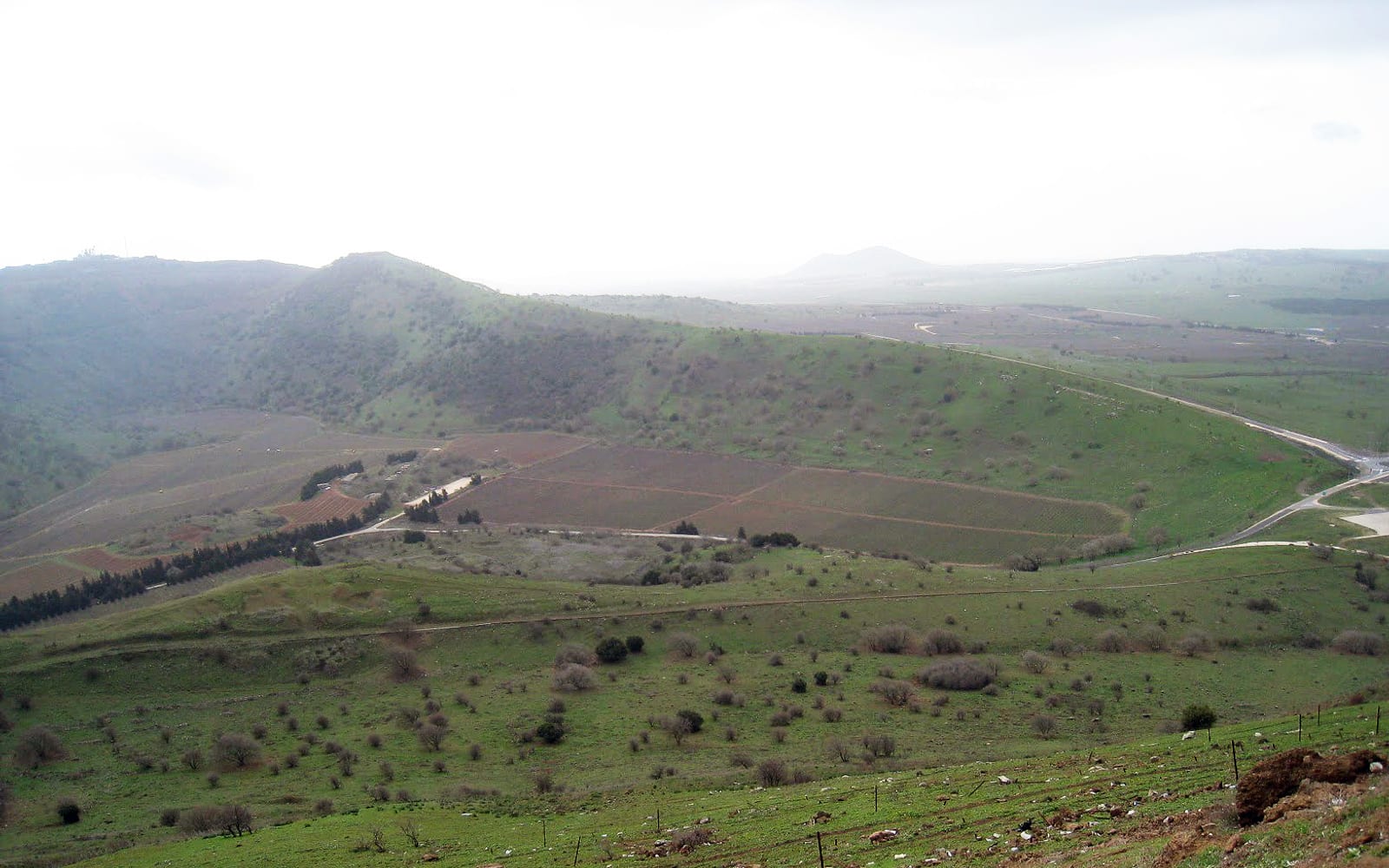
The Birkat Ram crater lake is a 700-metre-wide volcanic crater filled with rainwater, surrounded by a short walking path. The lakeside is the natural before-lunch walk in Masʻade; small Druze cafes near the shore serve coffee and snacks. The water is not swimmable.
Cherry Orchards (Majdal Shams)
The cherry orchards surrounding Majdal Shams are a regional specialty. Cherry-picking season is May to June; small farms welcome visitors during the season and combine cherry-picking with a snack at the farm. Off-season, the orchards are still picturesque for walks.
Cultural Orientation Conversation
Several restaurants offer a brief cultural orientation about the Druze community — typically a 15 to 30 minute conversation with the restaurant host or owner over coffee at the end of the meal. The conversation covers Druze history, hospitality customs, the relationship with Israeli citizenship and the cherry harvest. Ask in advance whether the operator offers this; community-partnership operators are more likely to.
The Majdal Shams Saturday Market
On Saturday mornings, Majdal Shams hosts a regional market with local produce, baked goods, olive oil, zaʻatar, and household items. The market is for local residents primarily but tourist-friendly — buy zaʻatar and labneh to take home, sample fresh-baked breads, observe the village rhythm.
Tours of the Druze Villages
Most international visitors arrive as part of a “Golan + Galilee” day tour from Tel Aviv that includes a Druze village lunch as the food stop. GetYourGuide, Civitatis and Viator all run small-group versions; pickup from central Tel Aviv hotels around 06:30, return around 19:00. The lunch is typically in Masʻade (quieter, easier coach access) or Majdal Shams.
Community-partnership operators (the Druze tourism cooperative and the Hermon Brothers network) route bookings directly to village hosts on fair-wage terms — preferable to third-party intermediaries from a community-economic standpoint. Ask the booking operator which restaurant the lunch routes to.
Nearby Attractions
Mount Hermon ski resort is 15 minutes drive from Majdal Shams (the village serves as the ski resort access point). Banias (the Caesarea Philippi archaeological site) is 25 minutes away. Nimrod Fortress is 20 minutes. Mount Bental is 35 minutes south-east. A standard Druze village visit combines lunch in Masʻade or Majdal Shams with two or three of these neighbouring sites.
Practical Tips
Cultural respect — visitors do not photograph khalwat (Druze meeting houses), religious figures, or unguarded private homes. Restaurant and public-square photography is welcome. If unsure, ask before photographing people.
Dress — casual modest dress is appropriate. The villages are family-friendly and have no specific dress code beyond standard respectful tourism wear.
Booking — booking ahead is recommended for groups, walk-in is fine for individuals. Saturdays and Israeli holidays are the busiest; weekday lunches are typically quieter.
Lunch timing — Druze restaurants typically serve from 11:30 to about 16:00. Dinner is less common in the villages; plan lunch as the meal.
Payment — restaurants accept cash and most accept cards. ATMs are available in Majdal Shams.
Languages — Arabic is the primary spoken language. Many restaurant hosts speak Hebrew and English; younger residents typically speak English well.
Why Visit the Druze Villages
The Druze villages of the Golan are a distinctive cultural and culinary experience — a religious community with its own tradition, a hospitality culture that makes a 2-hour lunch one of the most memorable stops on any Israel trip, and a cuisine (taboon bread, labneh, Druze pita with cheese) that travellers consistently rate among the best they had in the country. The visit works well as part of a wider Golan day, pairs naturally with Banias or Nimrod Fortress, and the cultural respect that makes the visit work is the same respect that makes every memorable cross-cultural experience work. Community-partnership operators route bookings to fair-wage village hosts; pick those when possible.