Golan Heights & Wineries Day Tour
Viewpoints, Nimrod Fortress and a tasting at a boutique Golan winery.
Live prices & reviews on GetYourGuide
Affiliate link — we may earn a commission at no extra cost to you.
Book nowvia GetYourGuide
Volcanic high country
By The Visit Israel Editorial Team · Last updated
The Golan Heights is a basalt plateau in Israel's far north-east, a high country of extinct volcanoes, hiking trails, gushing springs and some of the country's best wineries. Rising to Mount Hermon — Israel's only ski slope in winter — the Golan offers cool mountain air, panoramic viewpoints like Mount Bental, the Banias waterfall and nature reserve, the Crusader-and-Mamluk ruin of Nimrod Fortress, and the Druze villages of the north, famous for their hospitality and cuisine. Volcanic soil and altitude make this premier wine territory, and the region pairs naturally with the Galilee just to the south. You'll want a car and one to two days; spring brings wildflowers and rushing water, while winter can dust the heights with snow.
Things to do
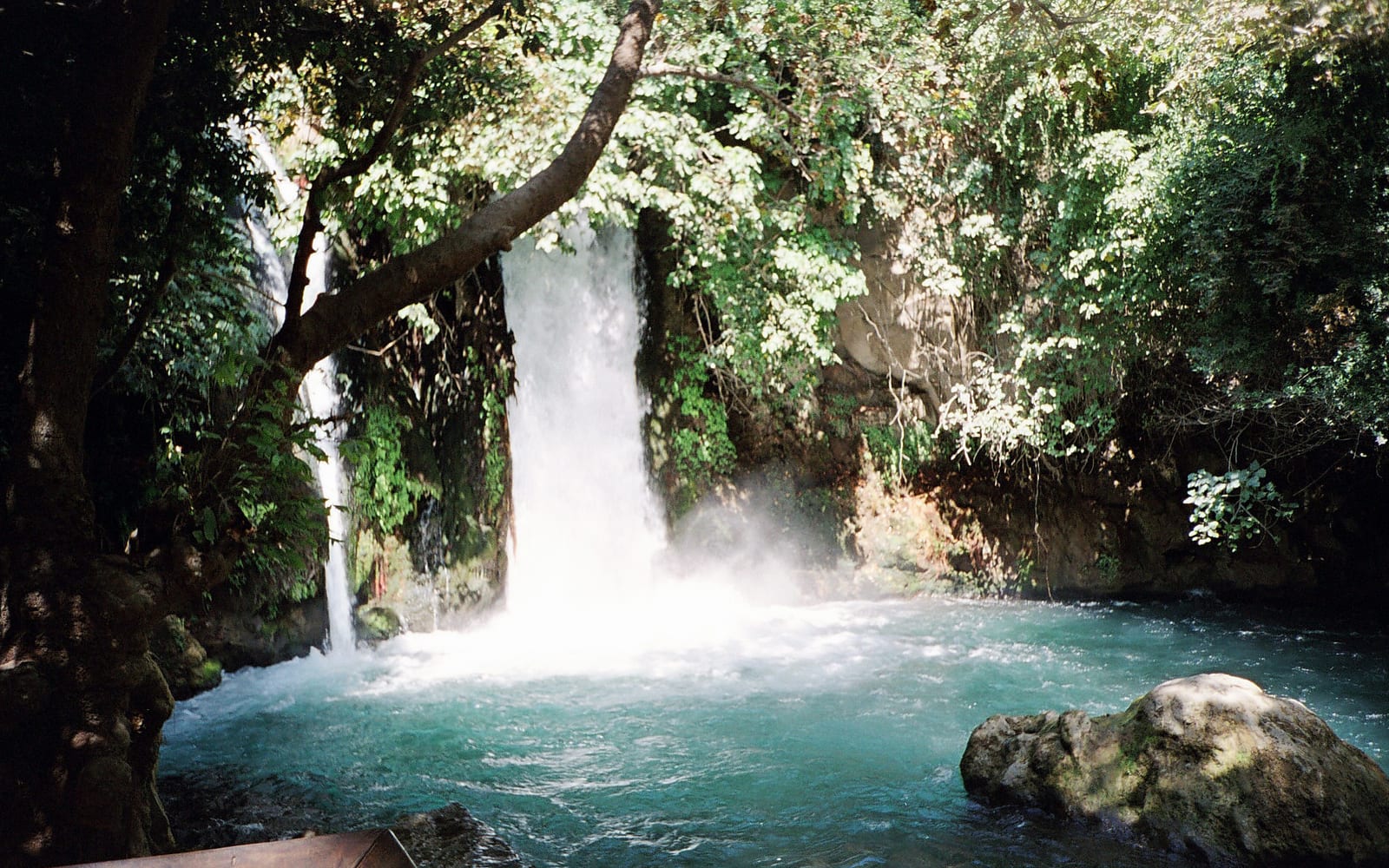
Visit Banias / Caesarea Philippi in the Golan — Pan grotto archaeology, Banias spring at the headwaters of the Jordan, and the Banias waterfall walk.
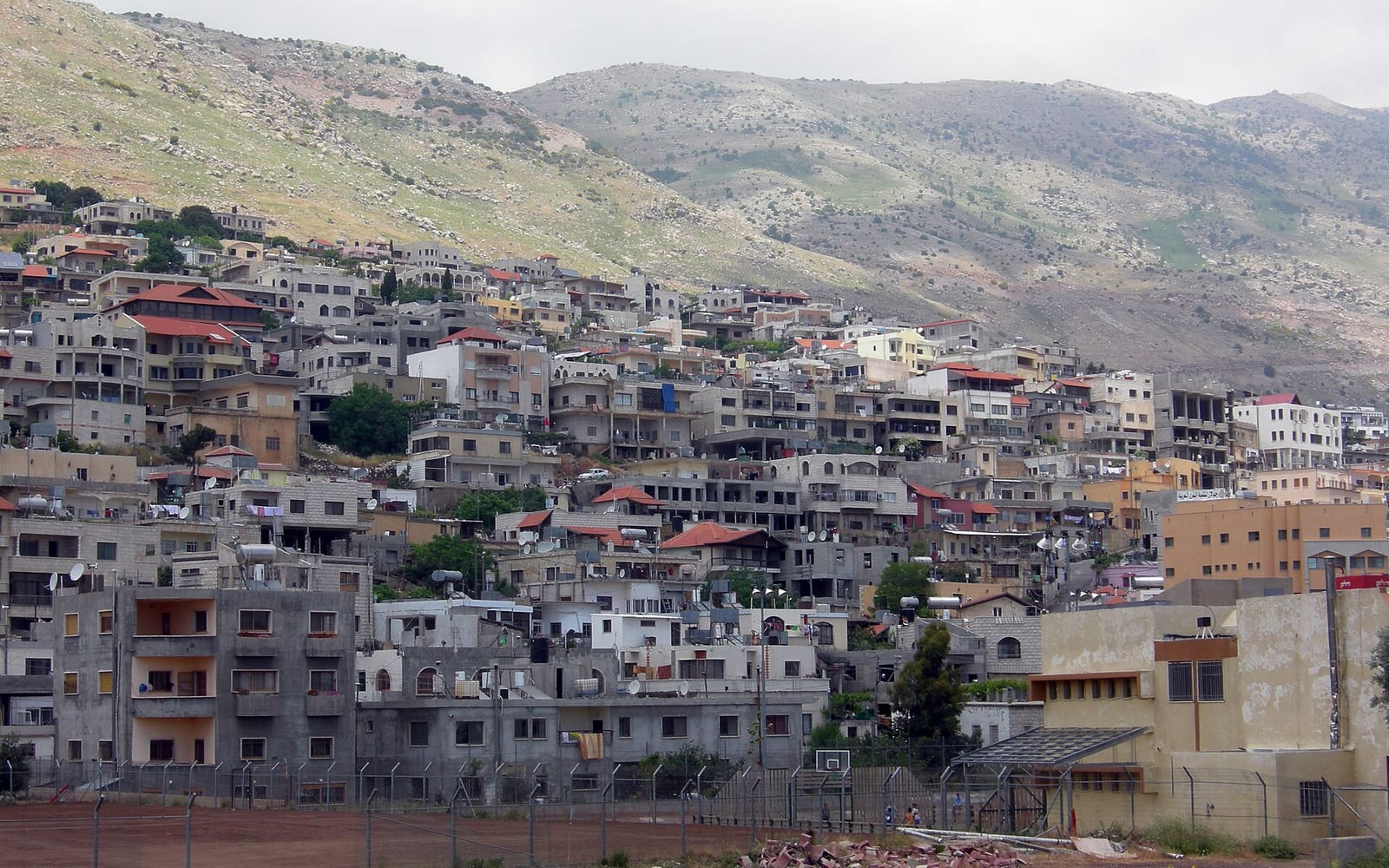
Visit the Druze villages of the Golan Heights — Majdal Shams, Masʻade, Buqʻata, Ein Qiniyye — for hospitality, cuisine and respectful cultural orientation.
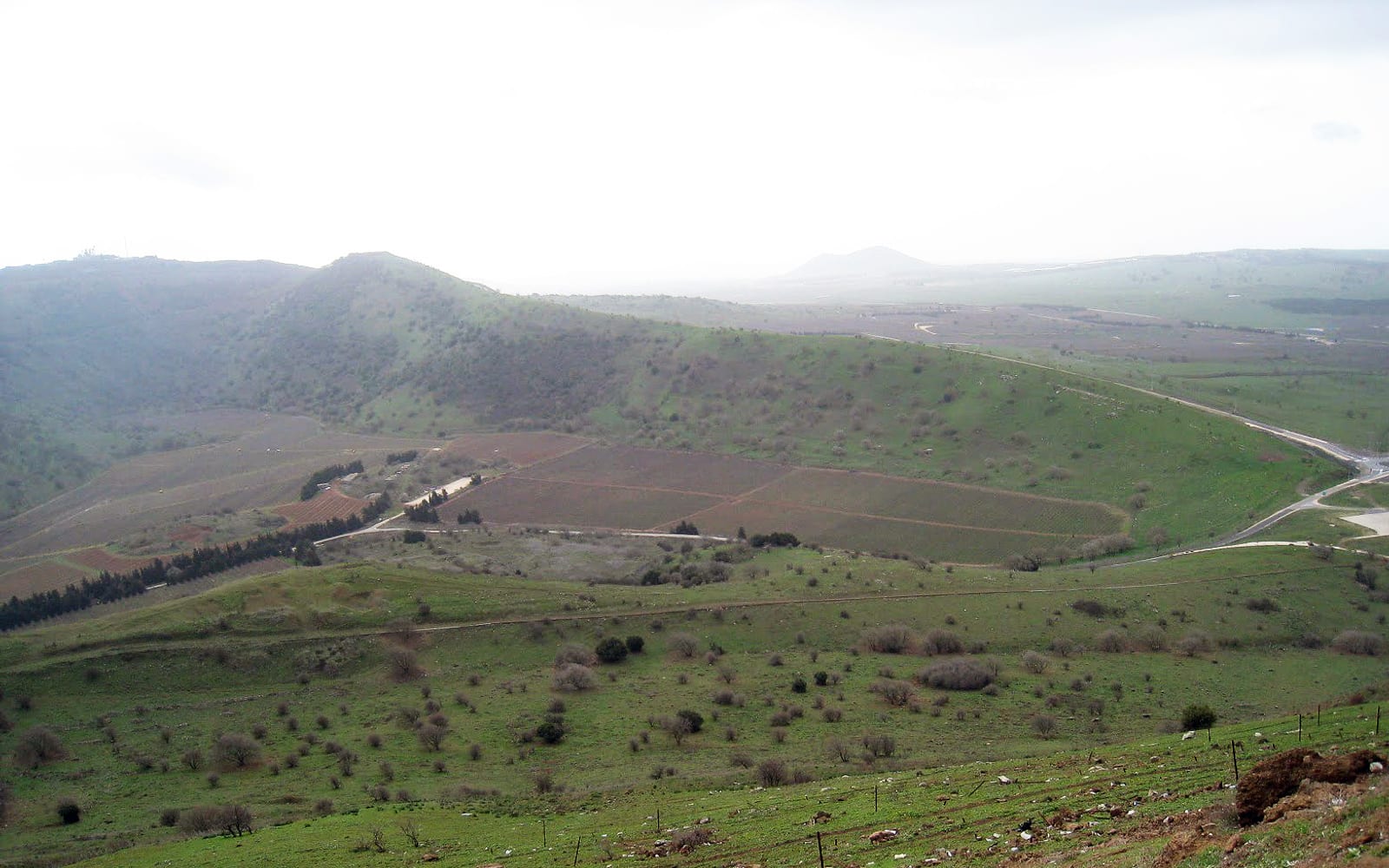
Visit Mount Bental in the Golan Heights — extinct volcanic crater turned panoramic viewpoint at 1,171m with views across the Quneitra valley.
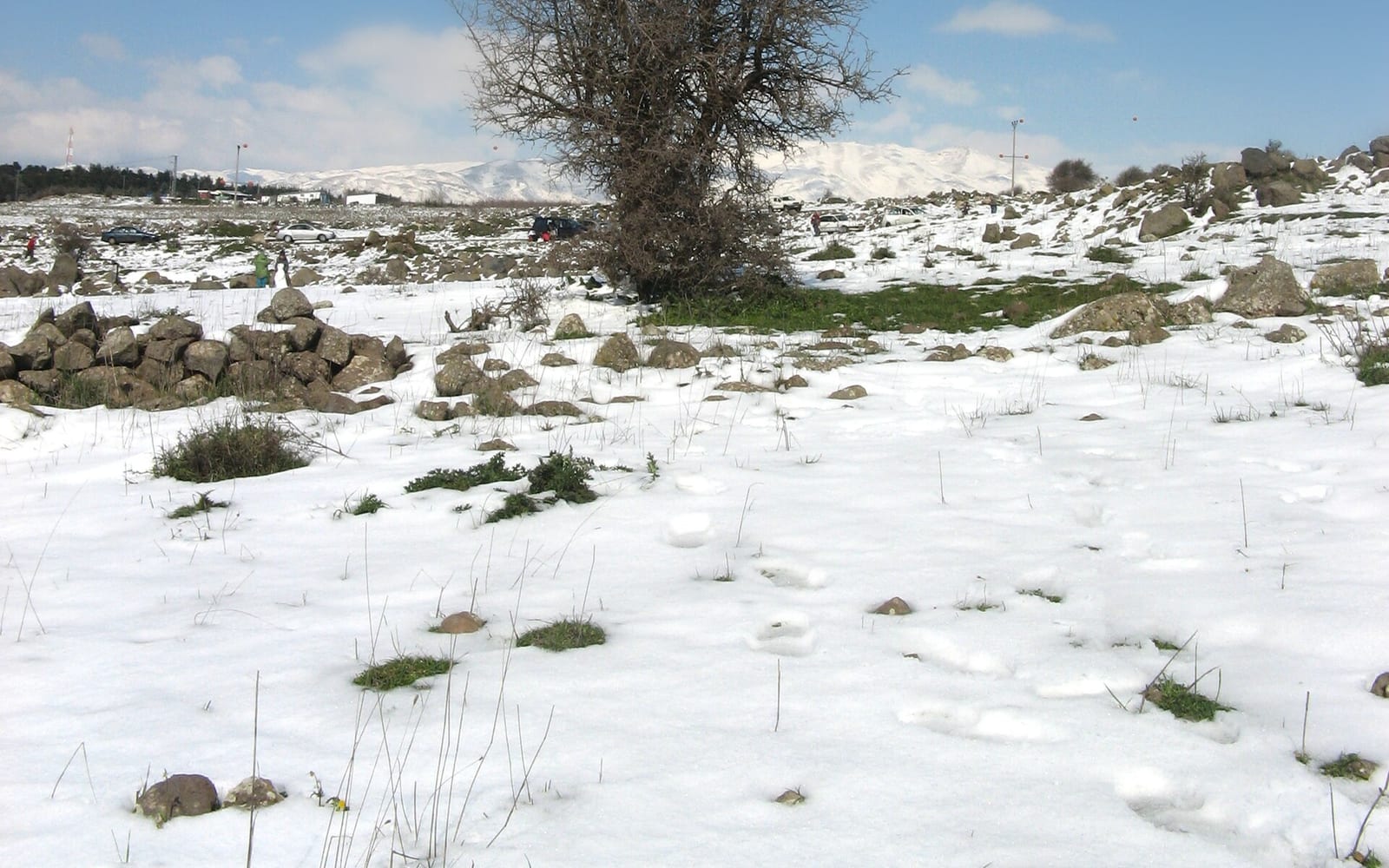
Visit Mount Hermon in the Golan Heights — Israelʼs only ski resort (Dec-Mar) with 11 runs and cable car, plus summer summit visits and hiking trails.
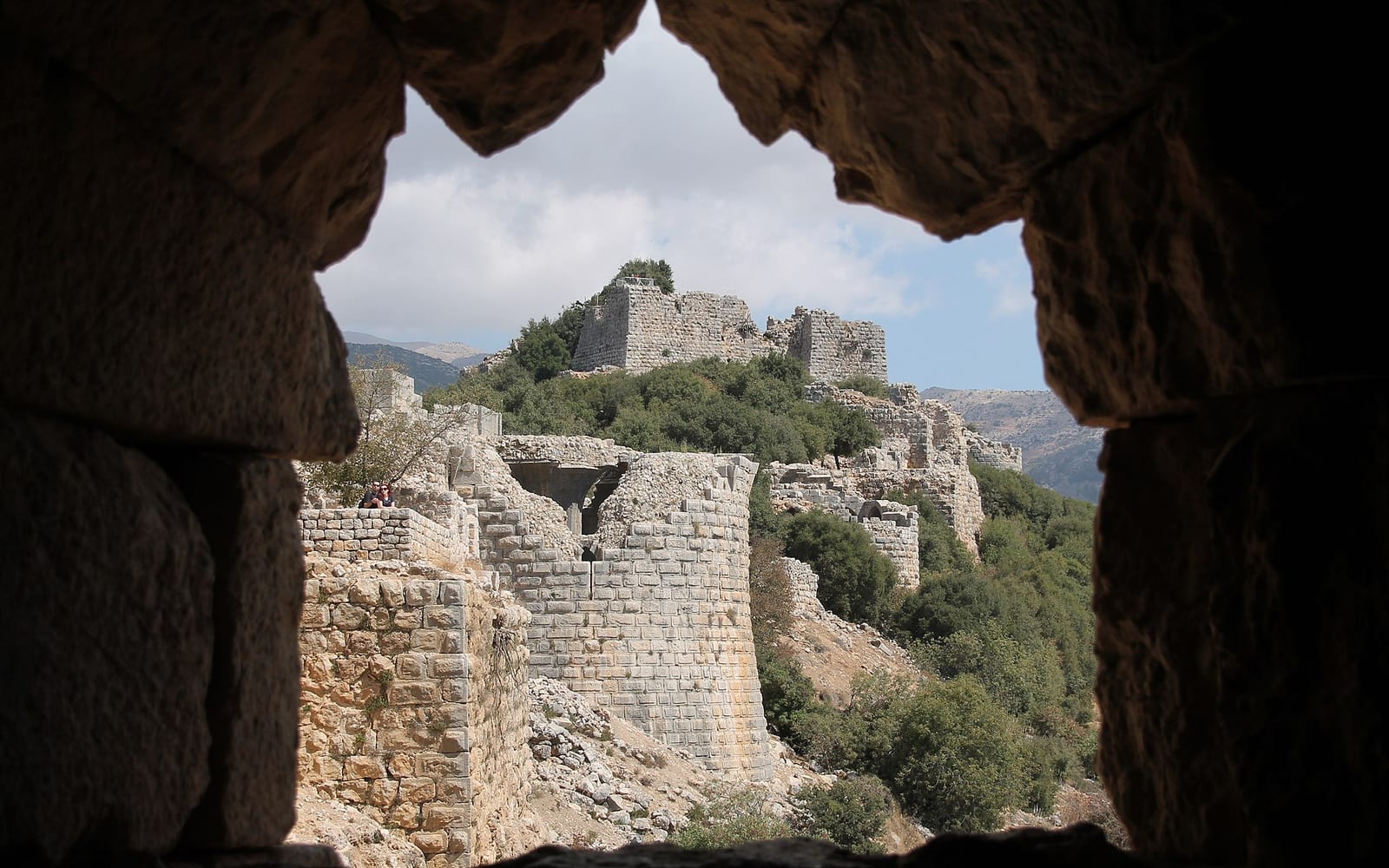
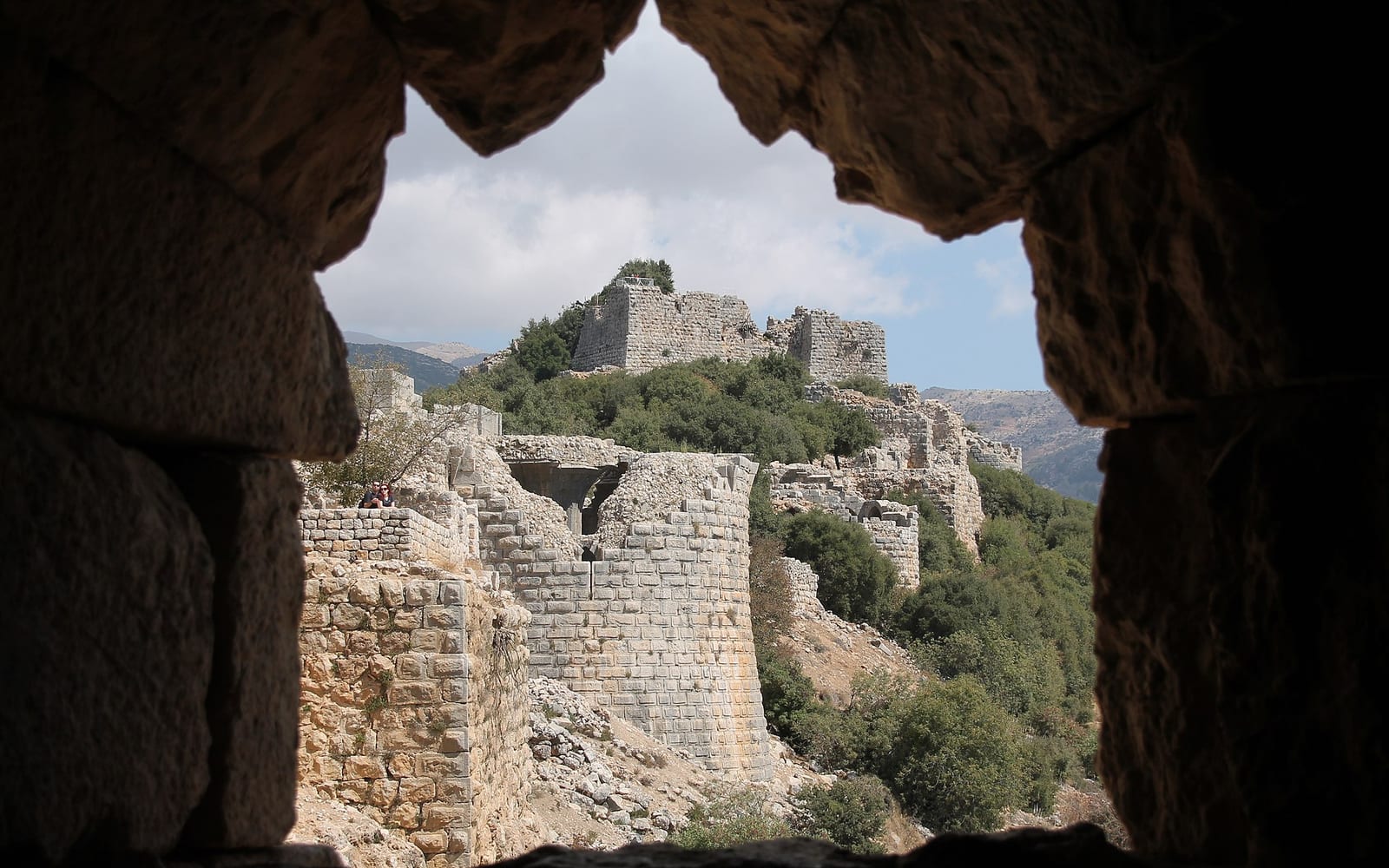
Visit Nimrod Fortress in the Golan — an Ayyubid and Mamluk 13th-century fortification on an 800m ridge, the largest medieval castle in Israel.
Hand-picked
Viewpoints, Nimrod Fortress and a tasting at a boutique Golan winery.
Live prices & reviews on GetYourGuide
Affiliate link — we may earn a commission at no extra cost to you.
Book nowvia GetYourGuide
The Banias waterfall reserve and the cliff-top Nimrod Fortress.
Live prices & reviews on Viator
Affiliate link — we may earn a commission at no extra cost to you.
Book nowvia Viator
A guided loop of northern viewpoints, springs and Druze villages.
Live prices & reviews on Civitatis
Affiliate link — we may earn a commission at no extra cost to you.
Book nowvia Civitatis
Where to stay
Rosh Pina (gateway)
Organic-farm spa hotel with gardens and valley views near the Galilee/Golan edge.
Check rates & availabilityvia Booking.com
Sea of Galilee / Golan
Chalet-style resort on the slopes above the lake, well placed for the Golan.
Check rates & availabilityvia Booking.com
Upper Galilee
Riverside kibbutz hotel handy for Banias and the northern reserves.
Check rates & availabilityvia Booking.com
Givat Yoav
Sleep in Mongolian-style yurts on a Golan ranch — a memorable budget stay.
Check rates & availabilityvia Booking.com
Interactive hotel map · powered by Stay22
| Season | Verdict | What to expect |
|---|---|---|
| Spring (Mar–May) | Best | Wildflowers, full waterfalls and ideal hiking weather. |
| Summer (Jun–Aug) | Pleasant | Cooler than the lowlands; great for trails and wineries. |
| Autumn (Sep–Nov) | Great | Grape harvest and crisp, clear viewpoints. |
| Winter (Dec–Feb) | Snow | Cold with possible snow on Hermon; some trails close. |
The Golan Heights is the volcanic plateau in northern Israel — a 1,000-metre highland of basalt fields, freshwater springs, the Banias waterfall and the snowmelt slopes of Mount Hermon. It is a different Israel from the Mediterranean coast: cooler in summer, sometimes snowy in winter, with a Druze cultural presence in four villages and Crusader and Roman archaeological layers at Nimrod Fortress and Banias / Caesarea Philippi. A complete guide to things to do in the Golan Heights covers Mount Bental’s panoramic viewpoint, Banias spring and waterfall (the Caesarea Philippi archaeological site, not to be confused with Caesarea Maritima on the Mediterranean coast — see our Caesarea travel guide), Nimrod Fortress (the largest Crusader and Mamluk fortification in Israel), a Druze lunch in Majdal Shams or Mas’ade, and the seasonal pull of Mount Hermon for Israel’s only ski runs.
This guide covers when to visit, where to stay between the regional town Katzrin and the kibbutz tzimmer network, the headline sites (Mount Bental, Banias, Nimrod Fortress, Druze villages, Mount Hermon), Druze cultural visits with community-partnership operators, the disambiguation of Banias / Caesarea Philippi from the Caesarea Maritima Roman port on the coast, day-trip pairings with the Galilee (Sea of Galilee, Capernaum, Mount of Beatitudes), and the practical transport realities of a 2.5-hour drive from Tel Aviv. The Golan rewards a focused one- or two-day visit, with a third day reserved for winter ski or summer Hermon hiking if your dates permit.
The prime windows are spring (March to May) and autumn (September to November). Daytime highs of 18 to 25 degrees on the plateau, wildflowers blanketing the basalt fields in March and April, and the Banias spring at its strongest flow after the winter rains. The plateau elevation means the air is noticeably cooler than the coast — bring a light layer for evening.
Summer (June to August) is the most popular tourist window — 25 to 30 degrees on the plateau (much cooler than the coast’s 33+), reliable sunshine, all nature reserves operating full hours, Druze restaurants in full swing, and the Mount Hermon cable car running for summit visitors who do not want to ski. This is the window for hiking the Hermon stream, the Yehudiya canyon waterfalls and the Gamla nature reserve.
Winter (December to February) is when the Golan becomes a different region — 5 to 12 degrees on the plateau, occasional snow, and Mount Hermon operating as Israel’s only ski resort (snow-dependent). The Banias waterfall is at peak flow. Druze villages quiet down but the restaurants remain open. The drive up from the coast may require chains on the highest stretches in heavy snow weeks; check the road conditions before setting out.
The Golan is geographically distinct from the rest of Israel — a basalt plateau at 1,000 metres, with a Mediterranean-influenced highland climate that creates four real seasons. The result is that a Golan day in July feels nothing like a Tel Aviv July, and a Golan winter day with snow on Mount Hermon is unlike anything else in Israel. The wildflower bloom of March and April is the best in the country. Plan your visit around the season you want.
The accommodation options are three flavours — the regional town Katzrin (the only hotel cluster), the Druze village guesthouses, and the kibbutz tzimmer network across the plateau. None of them are luxury; all of them are characterful and good value compared to Tel Aviv or Jerusalem rates.
Katzrin is the regional town and the only place with multiple hotels and a few B&Bs — practical for travellers who want a hotel rather than a guesthouse, central enough to reach Banias and Mount Bental in 30 to 45 minutes. The town has restaurants, a small archaeology museum and a Golan Heights winery visitor centre.
Druze village guesthouses in Majdal Shams and Mas’ade are the cultural-immersion option — small family-run guesthouses, breakfasts of fresh-baked taboon bread and labneh, and easy walking access to the village restaurants. Community-partnership operators (the Druze tourism cooperative and the Hermon Brothers network) route guests to fair-wage village hosts.
Kibbutz tzimmer is the wider plateau option — kibbutzim like Ein Zivan, Merom Golan, Ortal and Kfar Haruv operate small wooden cabin clusters with kitchenettes, gardens and on-site dairy or winery visits. The tzimmer is the Golan’s distinctive accommodation, and a kibbutz dining-room meal is part of the regional rhythm.
These five experiences are the headline of any Golan visit. The plateau is compact enough to cover them in a focused one- or two-day trip.
Mount Bental is the 1,171-metre extinct volcanic crater converted into a panoramic viewpoint. The summit holds a small open-air sculpture installation made from old industrial parts, a cafe, and an interpretive plaza. The view stretches east across the Quneitra valley toward the Syrian border, north to Mount Hermon, and south across the basalt plateau and the Sea of Galilee in the distance. The viewpoint became known to visitors after the 1973 Yom Kippur War, when the surrounding plateau saw heavy fighting; the site today is a tourism viewpoint with factual historical signage rather than a military memorial. Allow 45 minutes to an hour for the summit visit including a cafe stop.
Banias is the modern name for the ancient site of Caesarea Philippi — the Roman-Greek cult site at the foot of Mount Hermon, at the headwaters of the Jordan River. This is not Caesarea Maritima on the Mediterranean coast (the Herodian Roman port that is the subject of our Caesarea travel guide); Banias / Caesarea Philippi is 200 kilometres north, at a freshwater spring rather than a coastal port. The site combines the Pan grotto archaeological zone (a cluster of Roman-Greek temples around the spring, dedicated to the god Pan whose cult site this was), the Banias waterfall (a 10-metre cascade reached by a 90-minute round-trip walk along the Hermon stream), and the Banias spring itself (one of three Jordan River headwater sources). Allow 2 to 3 hours for the combined visit; bring water shoes if you want to wade.
Nimrod Fortress is the largest medieval fortification in Israel — a Crusader and Mamluk castle on a 800-metre ridge above the Banias valley, with views down to the Hula valley and across to Mount Hermon. The castle was built in the 1220s by the Ayyubid prince Al-Aziz Uthman to guard the Damascus-to-Tyre route, expanded by the Mamluks after they took it from the Crusaders, and abandoned in the 16th century. The structure is unusually complete — concentric walls, towers, vaulted halls, secret stairways, water cisterns — and the site is large enough to spend 90 minutes exploring. Wear closed shoes; some stairs and passageways have uneven stone footing.
The Druze community on the Golan Heights numbers about 25,000 people in four villages: Majdal Shams (the largest, around 11,000 residents, on the slope of Mount Hermon), Mas’ade (near the Birkat Ram lake), Buq’ata and Ein Qiniyye. Most visitors come for a Druze lunch — fresh-baked taboon bread, labneh with za’atar, Druze pita with melted cheese, seasonal salads, kebab and stuffed vine leaves. Several restaurants offer a brief cultural orientation about the Druze community. The Druze religious tradition is private — visitors do not photograph khalwat (sacred sites) or religious figures, and the cultural respect is mutual. Community-partnership operators route bookings to fair-wage village hosts.
Mount Hermon is the highest point in Israeli-controlled territory at 2,224 metres (the wider Mount Hermon range continues into Lebanon and Syria at higher elevations). In winter (December to March), snow-dependent, the Mount Hermon Ski Resort is Israel’s only ski operation — 11 runs, two cable cars, a ski school and a rental shop. Lift tickets cost around 200 to 280 ILS per day. The runs are short by European standards but the novelty of skiing in the Middle East — bilingual signage, falafel in the lodge — is the draw. In summer, the cable car continues to operate for non-ski visitors who want the summit viewpoint and a short hike along marked trails. Book ski tickets in advance; sunny weekend snow days sell out.
A Druze lunch is one of the trip’s highlights. The classic Druze meal is fresh-baked taboon bread with labneh (strained yogurt) sprinkled with za’atar and olive oil, Druze pita with melted cheese (a thicker pita stuffed with tangy cheese, folded and griddled), a plate of seasonal salads, and either kebab or stuffed vine leaves. A pot of cardamom-spiced coffee finishes the meal.
The Druze are a distinct religious community whose tradition emerged in the 11th century in the eastern Mediterranean. The community in the Golan Heights numbers about 25,000; some hold Israeli citizenship, some Syrian, some permanent-resident status. The Druze in Israel proper (Galilee and Mount Carmel communities, separate from the Golan) generally hold Israeli citizenship. Both communities share the same religious tradition with different civic-status patterns. Editorial respect: factual mention, no political commentary.
If you want a different Druze community side-trip, Daliyat al-Karmel on Mount Carmel (near Haifa, not Golan) is the largest Druze town in Israel proper — around 17,000 residents, with a similar lunch scene and the Carmel National Park hiking trails nearby. See our Haifa travel guide for the full Daliyat al-Karmel section.
This bears clarifying because the confusion is common. Banias is the modern Arabic name for the ancient site of Caesarea Philippi — at the foot of Mount Hermon, at the headwaters of the Jordan River, in the Golan Heights. The site is a freshwater spring with a cluster of Roman-Greek temple ruins (the Pan grotto cult site) and a short walk to the Banias waterfall.
This is not Caesarea Maritima — the Herodian Roman port on the Mediterranean coast, 200 kilometres south of Banias. Caesarea Maritima is a separate UNESCO archaeological park focused on the Herodian deep-water harbour, the Roman theatre, and the Crusader walls — covered in our Caesarea travel guide.
The two share only the dynastic naming pattern: Herod the Great founded Maritima around 25 BCE; his son Herod Philip founded Philippi around 2 BCE. Christian readers recognise Caesarea Philippi from the Gospel scene of Peter’s confession (the Pan grotto archaeology corresponds to the New Testament setting). See both guides to pick the right one for your trip.
The Sea of Galilee is the natural extension of any Golan trip — the freshwater lake immediately south-west of the plateau, ringed by Christian-pilgrimage sites (Capernaum, Mount of Beatitudes, Tabgha) and the town of Tiberias. Many visitors do “Golan + Galilee” as a two-day loop, with one night in Katzrin and one in Tiberias. See our Galilee travel guide for the full Sea of Galilee experience.
The Mount of Beatitudes (where the Sermon on the Mount is traditionally located) and Capernaum (the synagogue town that Jesus used as a base) are the two headline Christian-pilgrimage sites on the north shore of the Sea of Galilee — both within 1 hour of the centre of the Golan and a natural pairing for the Christian-heritage strand of northern Israel.
Akko on the north coast is the UNESCO Crusader Old City — a fortified town with continuously inhabited Ottoman-era streets on top of preserved Crusader knights’ halls. The Crusader heritage pairs naturally with Nimrod Fortress in the Golan — both were strongholds in the same medieval period. Akko is 90 minutes by road from the Golan centre. See our Akko travel guide for the full Old City visit.
International flights to Israel land at Ben Gurion International Airport (TLV) near Tel Aviv. From there, three options reach the Golan.
Rental car is the practical choice — 2.5 hours from central Tel Aviv on Highway 6 (toll road) to Highway 65 to the Jordan Valley, then up Highway 87 to the plateau. The drive itself is part of the experience — the Jordan Valley scenery and the climb up to the basalt plateau are notable. A rental car is essential for reaching the dispersed Golan sites (Mount Bental, Banias, Nimrod Fortress, Druze villages, Mount Hermon are all 20 to 40 minutes apart by road).
Public transport is thin — Egged bus 843 from Tel Aviv to Katzrin takes around 4 hours with one connection in Tiberias, and intra-Golan buses on the plateau are infrequent. It works for a Katzrin-based one-day visit but not for the wider plateau.
Organised day tour from Tel Aviv — Civitatis, Viator and GetYourGuide all run “Golan + Galilee” day tours combining Mount Bental, Banias, a Druze lunch and the Sea of Galilee in a single long day. Pickup around 06:30 from central Tel Aviv hotels, return around 19:00. Easiest if you do not want to drive; the trade-off is the fixed itinerary.
The Golan food scene is three threads — Druze village restaurants, kibbutz dining rooms, and Golan winery tasting experiences.
Druze village restaurants in Majdal Shams and Mas’ade are the highlight — taboon bread, labneh with za’atar, Druze pita with cheese, salads, kebab and stuffed vine leaves. Lunch is the standard meal; dinner is less common.
Kibbutz dining rooms at Ein Zivan, Merom Golan and Ortal serve the kibbutz-style buffet — fresh salads, dairy from the kibbutz herd, baked dishes, fresh bread. Good value and the setting is unforgettable.
Golan winery experiences — the Golan Heights Winery (in Katzrin) is the regional headliner with a visitor centre and tasting room; smaller boutique wineries (Bahat, Pelter, Ortal) operate by appointment. The plateau’s elevation and basalt soils make the Golan a notable Israeli wine region; cabernet sauvignon, chardonnay and syrah are the strengths. Tastings cost 30 to 80 ILS per person.
Mount Hermon ski-season chains — the road may require snow chains on the highest stretches in heavy snow weeks; the ski resort rents chains at the base. Check road conditions on the Mount Hermon Ski website before setting out.
Border-zone respect — the Golan border with Syria is fenced and clearly marked; the Mount Bental viewpoint looks across to the Quneitra valley. Tourist routes stay well away from the active border. Photography of military installations is not permitted; tourism viewpoints are fine for landscape photography.
Druze community visit etiquette — Druze villages welcome tourists. Visitors do not photograph khalwat (sacred sites) or religious figures; the cultural respect is mutual.
Weather — the Golan plateau is 1,000 metres of elevation, noticeably cooler than the coast. Bring a light layer for evening even in summer; pack warm clothing in winter if you plan a Mount Hermon ski day.
Hiking — the Hermon stream nature reserve (around Banias), the Yehudiya canyon and the Gamla nature reserve are the headline hiking destinations. Permits are not required.
Driving — Highway 6 (toll road) is the fastest approach from Tel Aviv. On the plateau, intra-Golan roads are paved and well-signed but narrow. GPS works reliably.
Travel insurance — the Golan is normal Israeli territory; standard policies cover the region without specialist endorsements.
The FAQ entries above answer the most common questions about visiting the Golan Heights — how many days to plan, the geography and history of the plateau, how to get from Tel Aviv, the safety question, the Mount Hermon ski operation, the Banias / Caesarea Philippi disambiguation from Caesarea Maritima on the coast, the Druze community visit etiquette, and what Mount Bental actually is. The schema-driven FAQPage at the bottom of this page surfaces these to search engines so travellers find them directly from a Google result. If your question is not covered, the contact page is the right next step.
One day is enough for the headline sites if you concentrate on the centre — Mount Bental viewpoint, Banias spring and waterfall, and lunch in a Druze village. Two days lets you add Nimrod Fortress, a Golan winery tasting, and the Hermon stream nature reserve. Three days makes sense in winter if you want a Mount Hermon ski day on top of the regular itinerary. Most international visitors come for a single long day from Tel Aviv (2.5 hours each way) or as a two-day loop based in Katzrin or a kibbutz tzimmer.
The Golan Heights is a volcanic plateau in northern Israel, between the Sea of Galilee to the south-west and Mount Hermon to the north. It was captured by Israel from Syria in 1967 and annexed in 1981 — the annexation is not internationally recognised except by the United States since 2019. The plateau averages 1,000 metres elevation, has a Mediterranean-influenced highland climate, hosts about 25,000 Druze residents in four villages (Majdal Shams, Buq'ata, Mas'ade, Ein Qiniyye) alongside Israeli kibbutzim and the regional town Katzrin.
The practical option is a rental car — 2.5 hours from Tel Aviv on Highway 6 to Highway 65 to the Jordan Valley. Public transport is thin — Egged bus 843 runs from Tel Aviv to Katzrin via Tiberias, taking around 4 hours with one connection. Organised day tours (Civitatis, Viator, GetYourGuide) combine the Golan with the Sea of Galilee in a single long day, pickup around 06:30 and return around 19:00. The drive itself is part of the experience — Highway 90 along the Jordan Valley and the climb up to the plateau via Highway 87 are scenic.
Yes — the Golan is a developed tourism region with paved roads, marked nature reserves, Druze restaurants, kibbutz tzimmers, hotels in Katzrin, and Israel's only ski resort on Mount Hermon. The border with Syria is fenced and clearly marked; tourist routes stay well away from the active border zone. Standard Israeli travel-advisory conditions apply, with the usual recommendation to follow Israeli emergency-services updates. Travel insurance covers the Golan as normal Israeli territory.
Yes — Mount Hermon is Israel's only ski resort, operating from December to March (snow-dependent — some seasons start late or close early). The resort has 11 runs, two cable cars, a ski school and a rental shop. Lift tickets cost around 200-280 ILS per day. The runs are short by European standards but the novelty of Middle East skiing — plus the bilingual signage and the falafel break in the lodge — makes the trip distinctive. In summer the cable car continues to run for non-ski visitors who want the summit viewpoint. Book in advance; sunny weekend snow days sell out.
Yes — Banias is the modern name and Caesarea Philippi is the Roman-era name. The site is at the foot of Mount Hermon, at the headwaters of the Jordan River. It is a different place from Caesarea Maritima on the Mediterranean coast (45 minutes north of Tel Aviv — a separate Herodian Roman port that is the subject of our Caesarea travel guide). The two share only the dynastic naming pattern (Herod the Great founded Maritima around 25 BCE; his son Herod Philip founded Philippi around 2 BCE). Christian readers recognise Caesarea Philippi from the Gospel scene of Peter's confession; the modern site has Roman-Greek temple ruins around a freshwater spring plus a short walk to the Banias waterfall.
Yes — Druze villages welcome tourists. The two largest are Majdal Shams (around 11,000 residents, on the slope of Mount Hermon) and Mas'ade (around 3,500 residents, near the Birkat Ram lake). Most visitors come for lunch at one of the village restaurants — fresh-baked taboon bread, labneh with za'atar, Druze pita with cheese, and seasonal salads are the typical menu. Some restaurants offer brief cultural orientation about the Druze community. Druze religious tradition is private; visitors do not photograph khalwat (sacred sites) or religious figures. The cultural respect is mutual — Druze residents are hospitable and the lunch is one of the trip's highlights.
Mount Bental is a 1,171-metre extinct volcanic crater on the eastern Golan plateau, converted into a public viewpoint and a small open-air sculpture installation. The panoramic view stretches east across the Quneitra valley toward Syria, north to Mount Hermon, and south across the Golan plateau. A small cafe and visitor area operates at the summit. The viewpoint became known to visitors after the 1973 Yom Kippur War, when the surrounding plateau saw heavy fighting; the site today is a tourism viewpoint with factual historical signage rather than a military memorial.
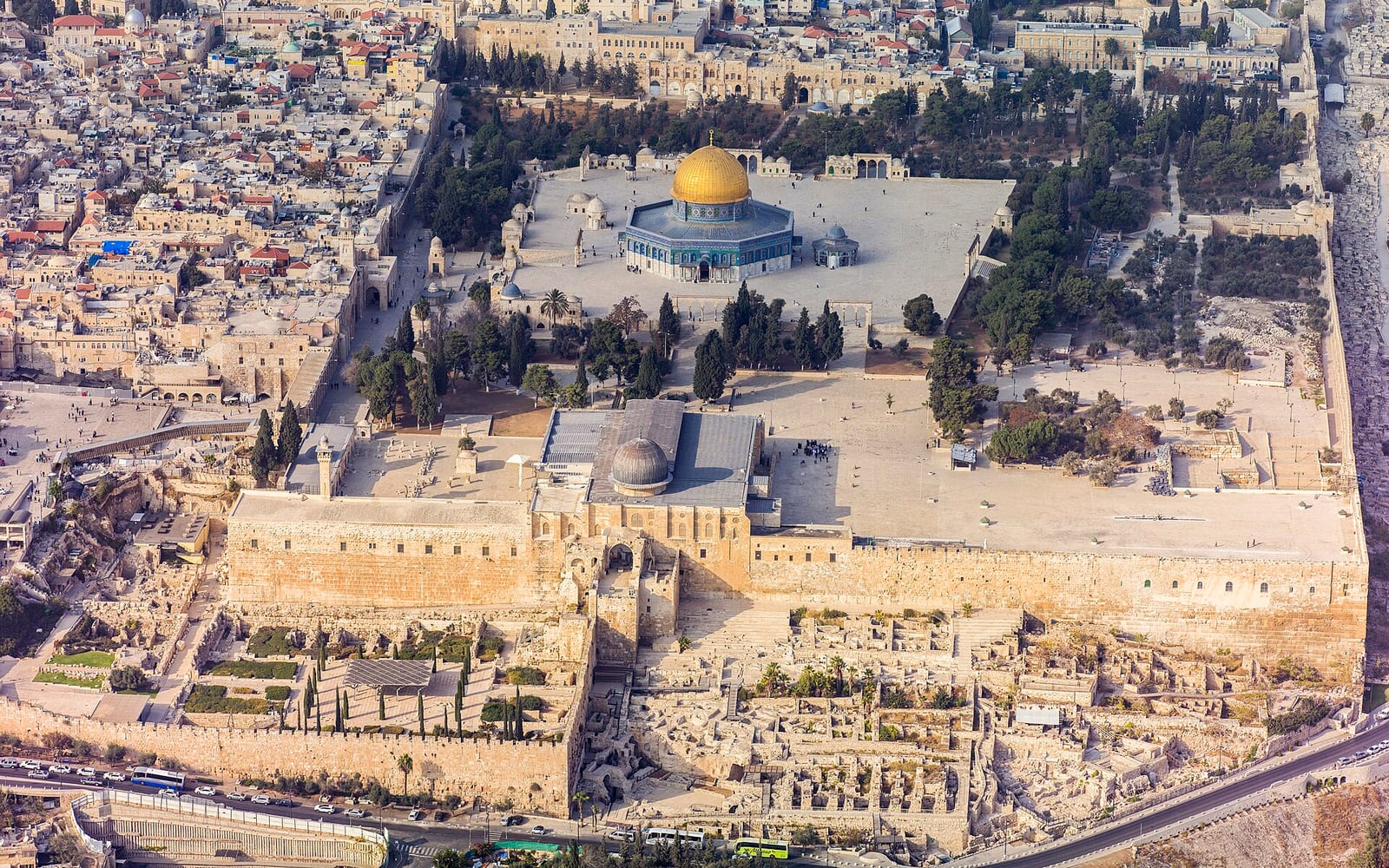
Israel's spiritual heart
Old City quarters, the Western Wall and the Church of the Holy Sepulchre, with day trips to the Dead Sea.
Explore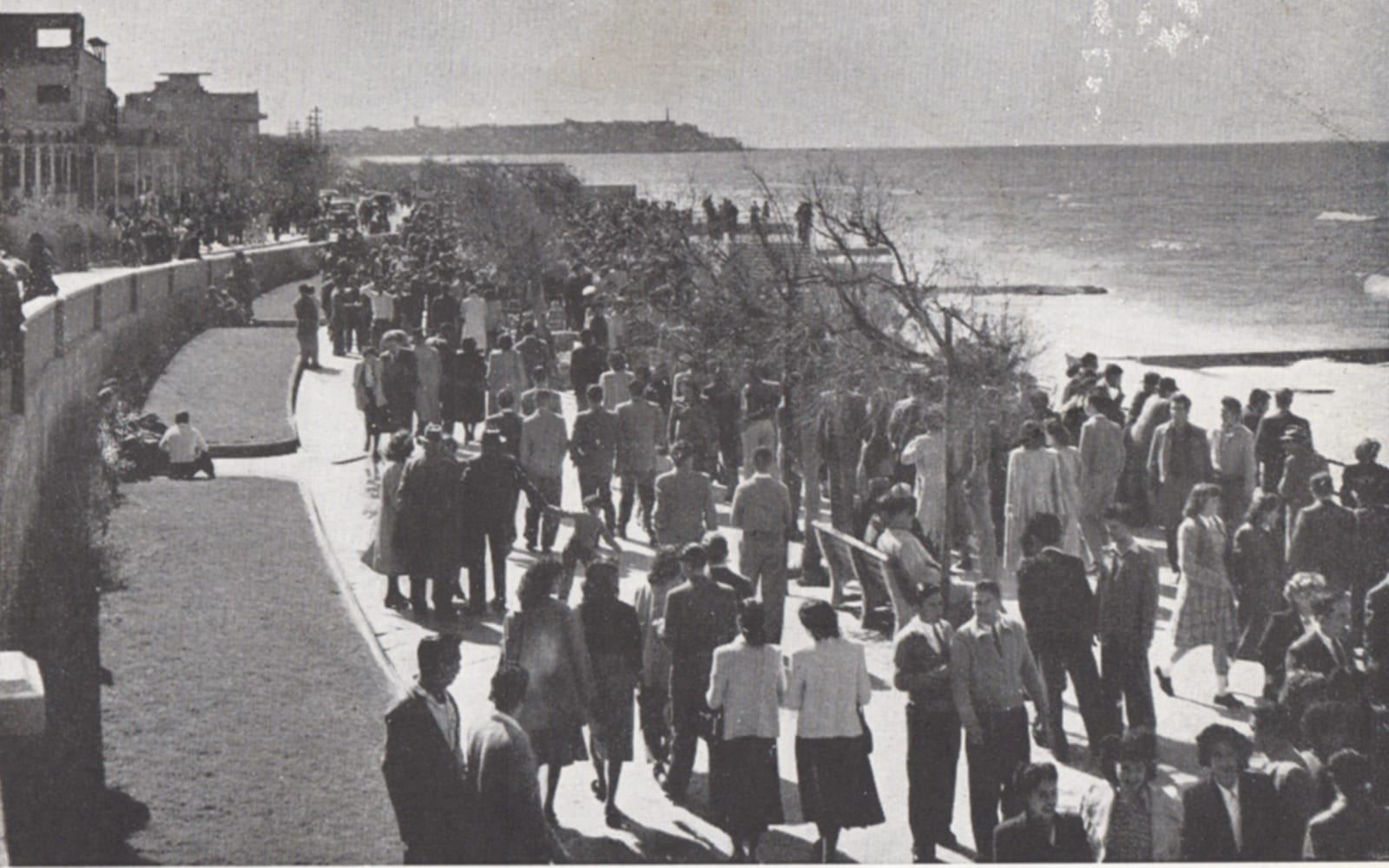
Mediterranean cool
Golden beaches, Bauhaus architecture and a 24-hour food, art and nightlife scene.
Explore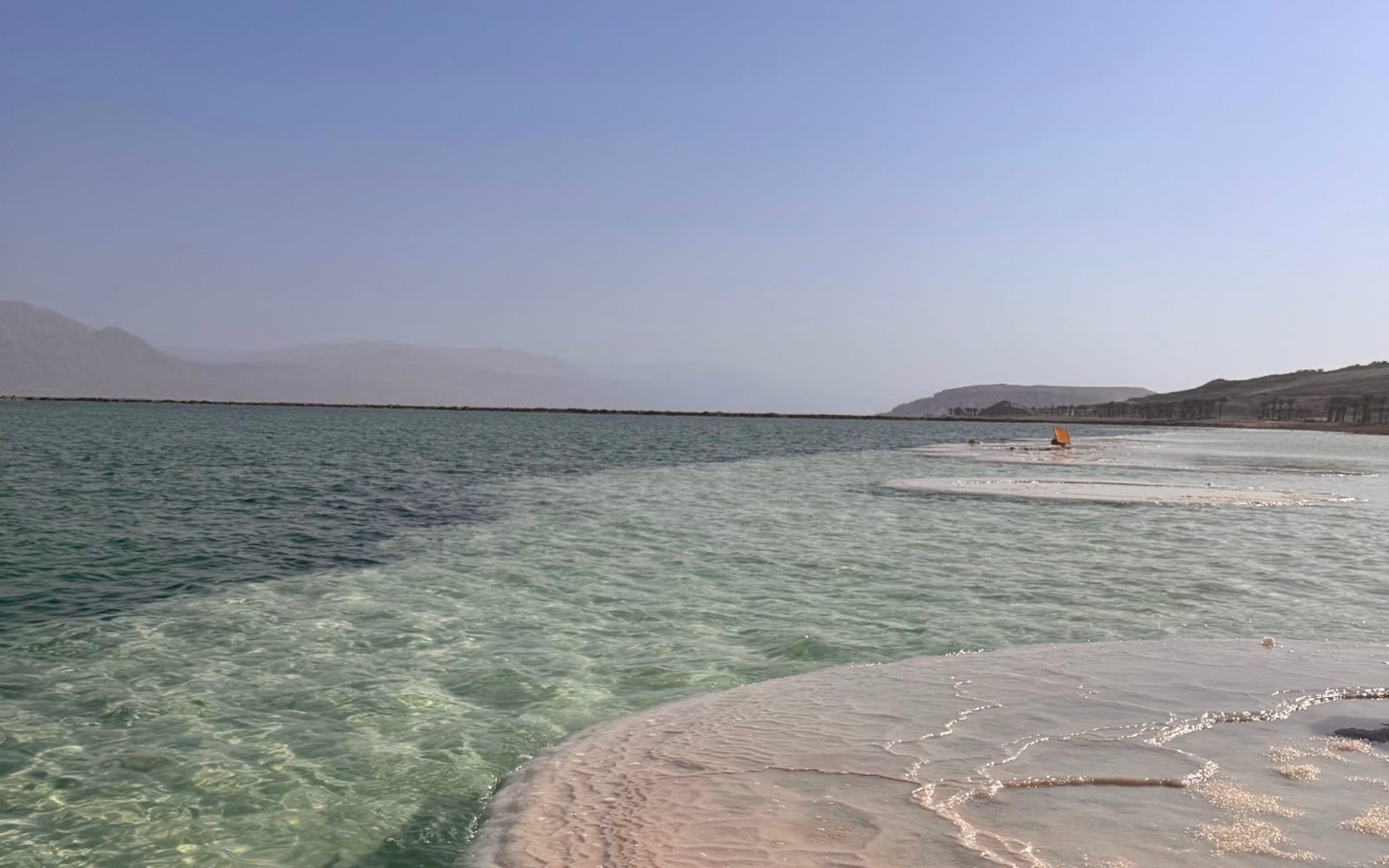
The lowest place on Earth
Float on mineral-rich water, climb Masada at sunrise and hike the Ein Gedi oasis.
ExploreBy The Visit Israel Editorial Team · Last updated