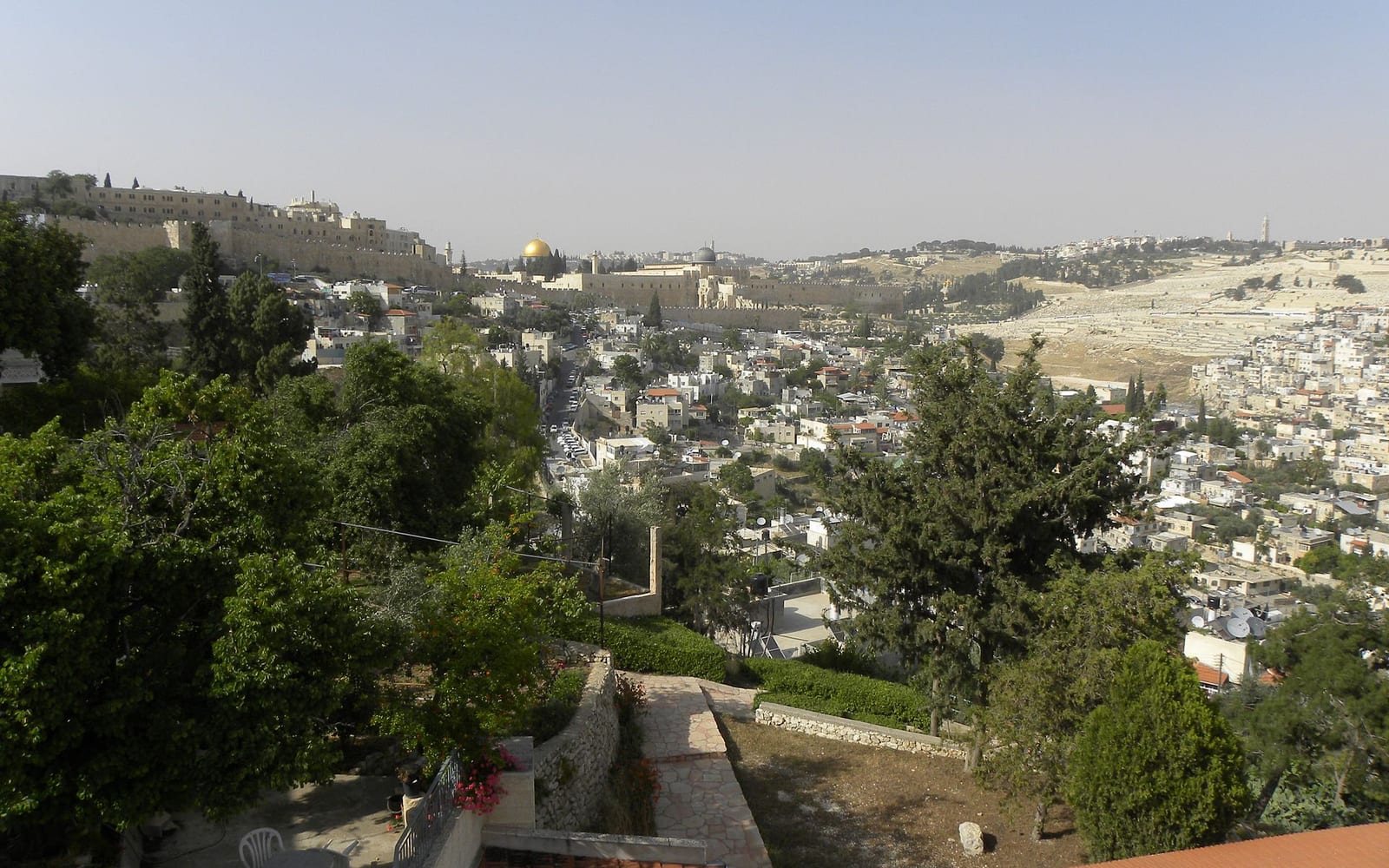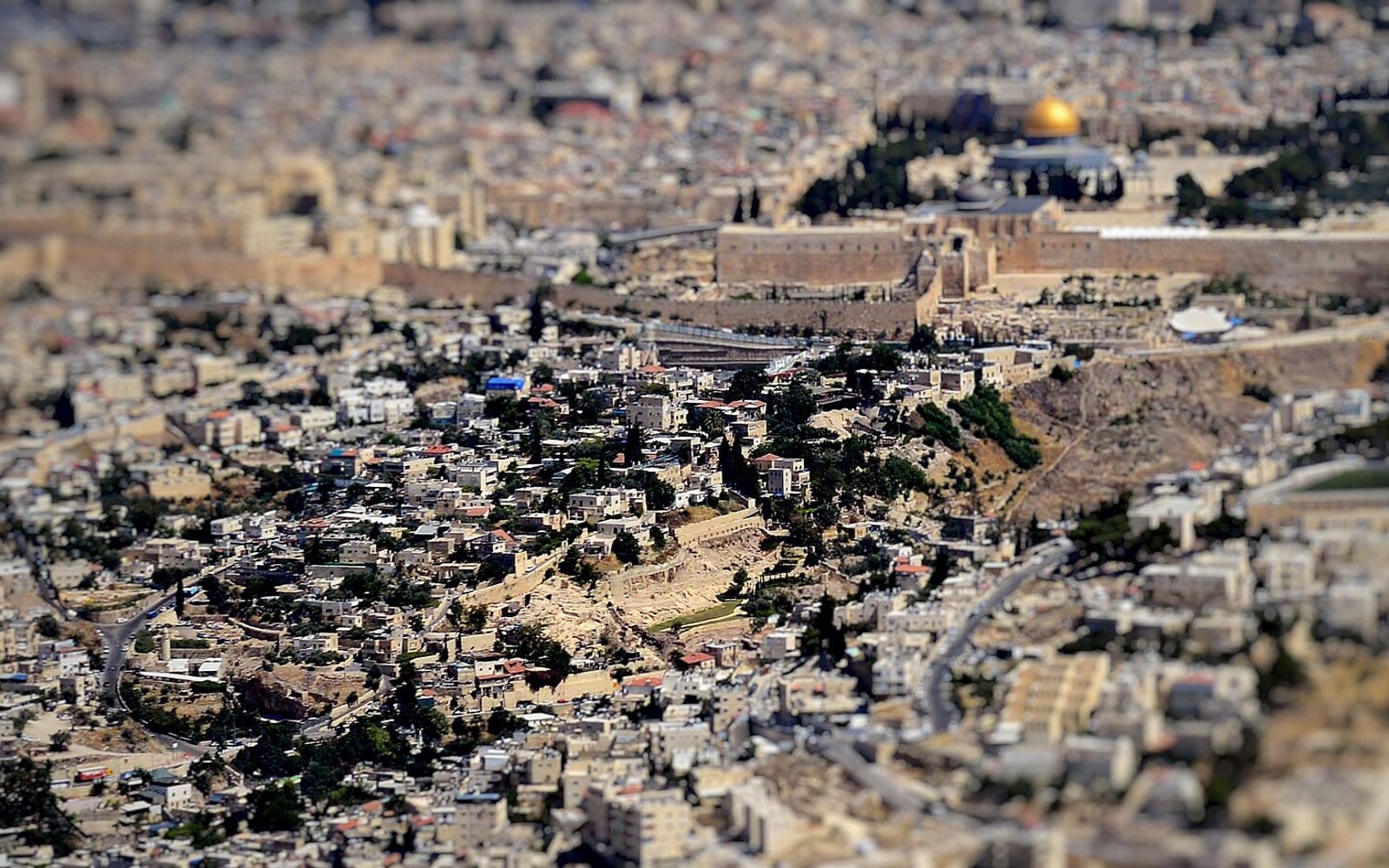
The City of David is the original urban core of Jerusalem — the Bronze Age and Iron Age settlement that pre-dates the Old City walls by 1,500 years. The archaeological park sits on a ridge running south from the Temple Mount / Haram al-Sharif, just outside the modern Old City walls beyond Dung Gate, on the slope that descends to the Kidron Valley. Hezekiah’s Tunnel, an underground water channel cut through bedrock around 700 BCE, is the headline attraction; the Pool of Siloam at the southern end carries both biblical and engineering significance. This guide covers the practical decisions of visiting today: hours, tunnel logistics, the dual neighborhood context, and the half-day guided tour that pairs the site with the Old City.
Need to know
| Cost | ~₪45 adult standard ticket; ~₪65 including the Pool of Siloam and Herodian Drainage Channel walk. Children’s discounts apply. |
| Hours | Sun–Thu 08:00–19:00 (summer) / 17:00 (winter); Fri and holiday eves 08:00–14:00; closed Saturday. |
| Time needed | ~2 hours for a standard visit; add ~1 hour for Hezekiah’s Tunnel; a half-day for a full guided experience. |
| Getting there | 5-min walk south from Dung Gate of the Old City; ~10-min taxi from central Jerusalem. Bag check at entrance. |
| Best time | Morning, to allow time for the wet tunnel; the cool tunnel air is welcome in summer. |
| Accessibility | Visitors Center, main overlook and surface remains are wheelchair-accessible; Hezekiah’s Tunnel and deeper sections are not, and the Pool of Siloam area has uneven steps. |
What is the City of David?
The site is the original settlement Jerusalem grew from — the Jebusite city David captured in roughly 1000 BCE according to the biblical narrative — and the location of the First and Second Temple-era spring system that supplied the city with water. Excavations have continued more or less continuously since the 19th century; the visible remains include Iron Age city walls, a step-stone structure traditionally identified as part of David’s palace, and the Gihon Spring with its associated water tunnels.
Hezekiah’s Tunnel is the engineering highlight: a 533-metre underground channel cut from both ends through bedrock under King Hezekiah around 700 BCE to bring water from the Gihon Spring inside the city walls during the Assyrian siege described in 2 Kings 20. The tunnel still carries water; visitors walk through ankle-to-knee-deep cold water in near-darkness — a uniquely memorable experience.
The archaeological park sits within the Palestinian neighborhood of Silwan, and the area carries dual significance: it is the City of David when discussing the Iron Age archaeological remains and the biblical narrative, and it is Silwan when discussing the contemporary residential community of around 50,000 Palestinian residents. The neighborhood and the park overlap geographically; we name both consistently in editorial coverage. The site sits within east Jerusalem; the dual naming is the editorial standard from PITFALLS §3.1.
Visiting the City of David Today
Hours: Sunday to Thursday 08:00 to 19:00 (summer) or 17:00 (winter), Friday and eves of holidays 08:00 to 14:00, closed Saturday. Cost: about ₪45 for an adult standard ticket; about ₪65 for a ticket including the Pool of Siloam and the Herodian Drainage Channel walk back to the Old City. Children’s discounts apply.
Getting there: a 5-minute walk south from Dung Gate of the Old City. Light Rail does not reach the site directly; taxi from central Jerusalem is 10 minutes. Security: bag check at the entrance.
What to bring: water shoes or sturdy sandals (for the wet tunnel), a head-torch or hand-held torch, a dry change of socks, and a daypack you do not mind dropping in shallow water. The water is cold year-round. The dry tunnel option exists for visitors who would rather skip the wading.
Top Things to See
Hezekiah’s Tunnel (Wet Route)
The headline experience. 533 metres of ankle-to-knee-deep water in a narrow stone channel cut around 700 BCE. Takes about 45 minutes start to finish. Children must be tall enough to keep their heads above water — usually 6 years and up. The cool tunnel air is welcome in summer; less so in winter.
Canaanite (Dry) Tunnel
A shorter, dry alternative for the same destination — about 15 minutes’ walk through a Bronze Age tunnel from the Gihon Spring observation point down toward the Pool of Siloam. No water; partial electric lighting.
Pool of Siloam
At the southern end of the tunnels — a Second Temple-era ritual immersion pool, partly excavated. The site carries both Jewish and Christian biblical significance (the Gospel of John names it as the pool where Jesus healed a blind man).
Herodian Drainage Channel
A 600-metre walk back uphill toward the Old City along a 1st-century Herodian-era drainage channel under the Pilgrimage Road. Pairs naturally with the Pool of Siloam at the southern end.
Tours of the City of David
A half-day archaeology tour combining the City of David with the Old City Western Wall Tunnels gives you the full underground Jerusalem experience and explains the layered occupation history with the depth that signage alone does not provide.
Practical Tips
Bring water shoes and a torch. Allow at least two hours; three if you walk both tunnels and the Pool of Siloam ascent. Carry your passport. Avoid the wet tunnel if you are claustrophobic — the narrow stretches are genuinely tight. Travel insurance is worth carrying for any Israel trip; we link our partner option from the Jerusalem canonical guide. Combine with the Old City Western Wall Tunnels for a deep half-day on underground Jerusalem.
Nearby Attractions
The City of David / Silwan site is a 5-minute walk from Dung Gate and the Western Wall plaza, 15 minutes from the Mount of Olives ridge across the Kidron Valley, and 20 minutes from the Christian Quarter via the Old City. All have dedicated sub-destination guides covering site-specific hours and tour options.