The Jerusalem Old City packs four millennia of religious, architectural and political history into a square kilometre of stone-arched alleys behind a 16th-century Ottoman wall. Four quarters — Jewish, Christian, Muslim and Armenian — each carry their own atmosphere, ritual calendar, and best windows for an unhurried walk. This guide covers the practical decisions of a first visit: which gate to enter, how to plan your day across the quarters, what to wear at the major holy sites, and where the affiliate-driven walking tours add value versus where independent walking is fine.
Need to know
| Cost | Free to walk and enter through the gates. Individual sites and guided tours are paid; many holy sites are free. |
| Hours | The Quarters never close, but most shops and holy sites run ~08:00–17:00 (winter) / 19:00 (summer); the Holy Sepulchre opens earlier (~04:00). |
| Time needed | One full day for a fast first visit; two days for time in each quarter and the major holy sites. |
| Getting there | Eight historic gates; most first-timers enter via Jaffa Gate (west, near Mamilla). Carry your passport — checkpoints may ask for ID. |
| Best time | Mornings are calmest. Plan around Shabbat (Jewish Quarter quiet Fri afternoon–Sat evening), Ramadan and Christian Holy Week. |
| Accessibility | Uneven stone steps and narrow alleys throughout; wear closed shoes. Modest dress (shoulders and knees covered) at every religious site. |
What is the Jerusalem Old City?
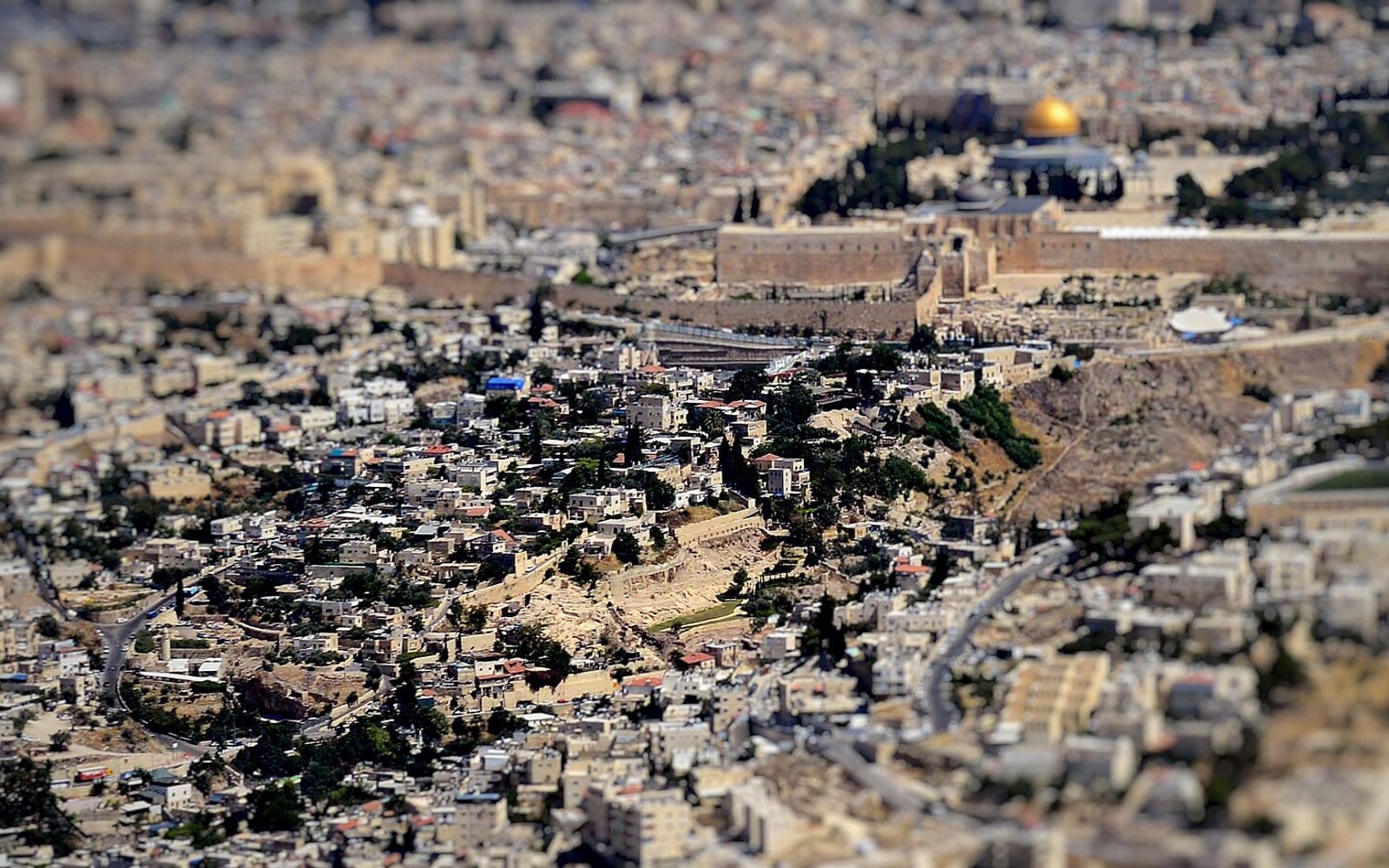
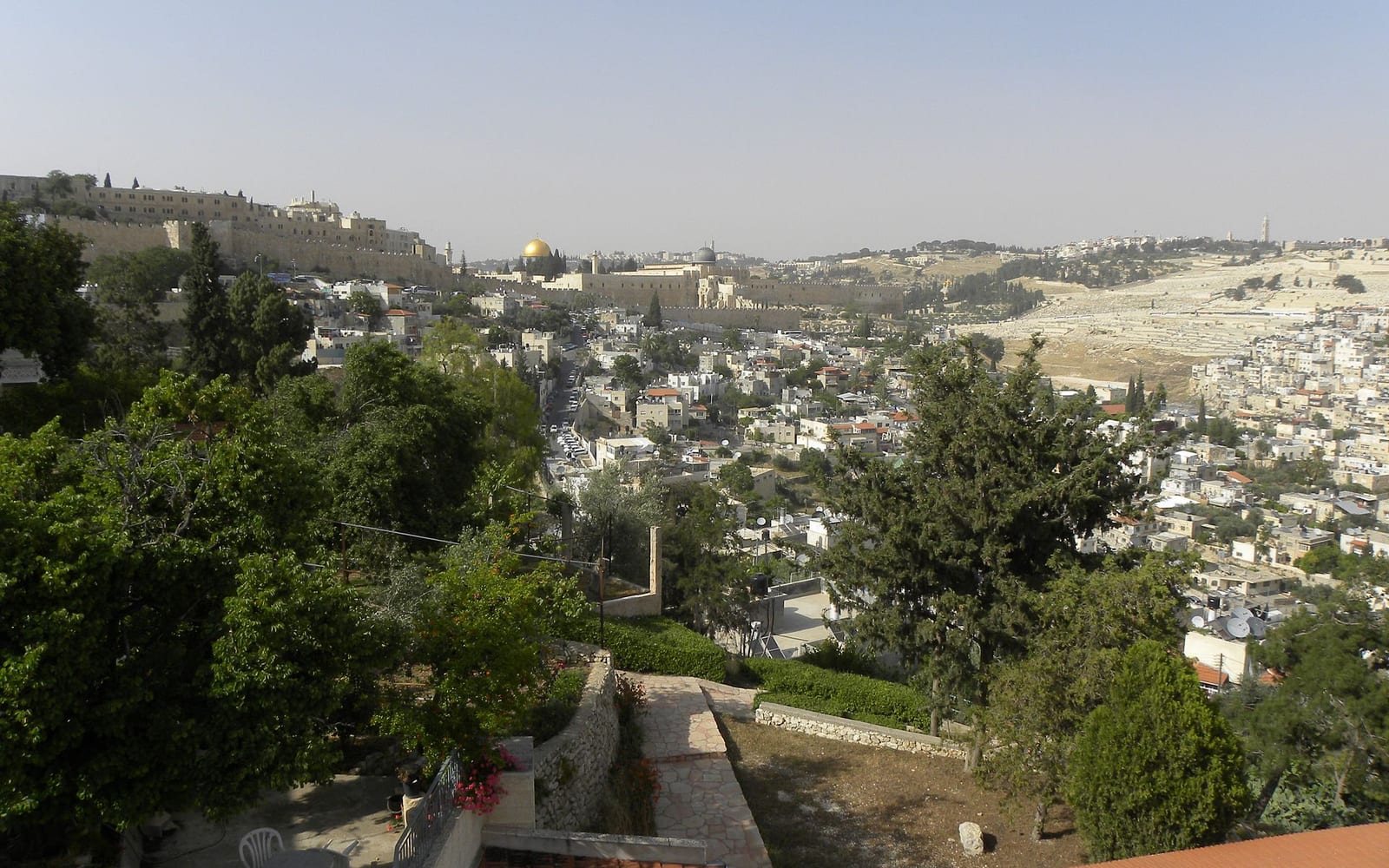
The Old City sits inside the walls Suleiman the Magnificent rebuilt in 1535–1538, on a footprint that has been continuously inhabited since the Bronze Age. The Crusader and Mamluk eras layered Romanesque and Ayyubid stonework over Herodian foundations; Ottoman waqf structures still dominate the Muslim Quarter; the Jewish Quarter was rebuilt block by block after 1967 around the surviving Hurva Synagogue and the Cardo. The whole compound is a UNESCO World Heritage Site (inscribed 1981), and roughly 35,000 residents still live inside the walls.
The four quarters were formalised in the 19th century, but the human geography is older: Christian and Armenian congregations have administered their sectors since the Byzantine era; Jewish residence concentrated near the Western Wall; the Muslim Quarter grew around the Haram al-Sharif. The Old City sits within the boundary of east Jerusalem; we note this for transparency because some sub-sites carry administrative-status framing in our editorial guidance.
Visiting the Old City Today
Entry: the eight historic gates are all open during daylight; vehicle access is restricted to residents. Most first-time visitors walk in through Jaffa Gate (west, near Mamilla mall) and exit through Damascus Gate (north, into East Jerusalem) or back to Jaffa. Hours: the Quarters themselves never close, but most shops and most holy sites operate 08:00 to 17:00 (winter) or 19:00 (summer). The Holy Sepulchre opens earlier at 04:00 on most days. Dress code: cover shoulders and knees at every religious site; men need a head covering at the Western Wall (paper kippot are provided); women should bring a scarf or pashmina.
Top Things to See in Each Quarter
The Old City rewards walking the seam lines between the quarters as much as the headline sites.
Jewish Quarter
The smallest and most modern-feeling quarter, rebuilt after 1967 around restored medieval streets. The Hurva Synagogue and Burnt House anchor a half-day visit. The Western Wall plaza sits on the eastern edge — covered separately in our Western Wall (Kotel) visitor guide. The Cardo runs north–south along the Roman main street, partly excavated, with shops and viewing windows down to bedrock.
Christian Quarter
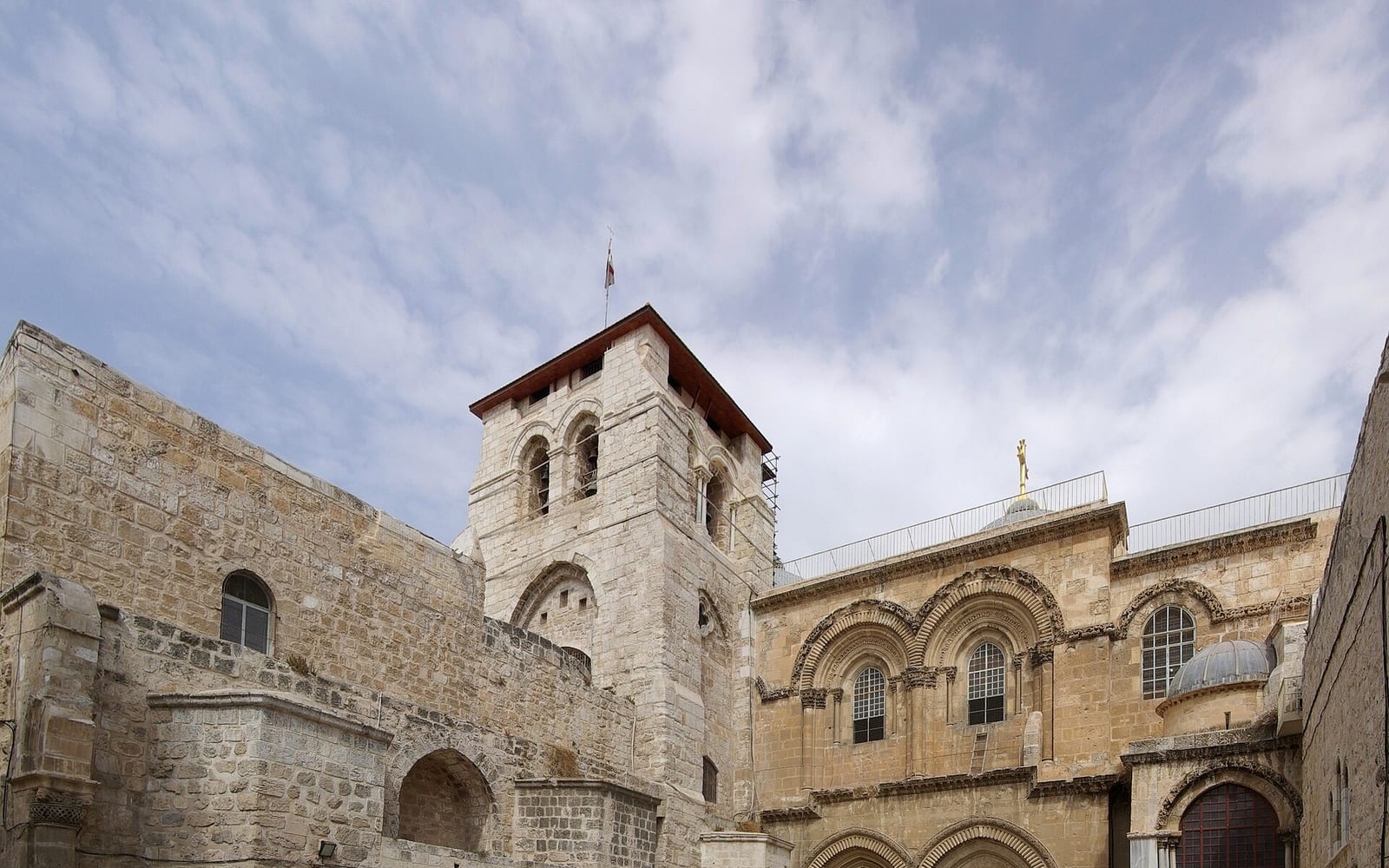
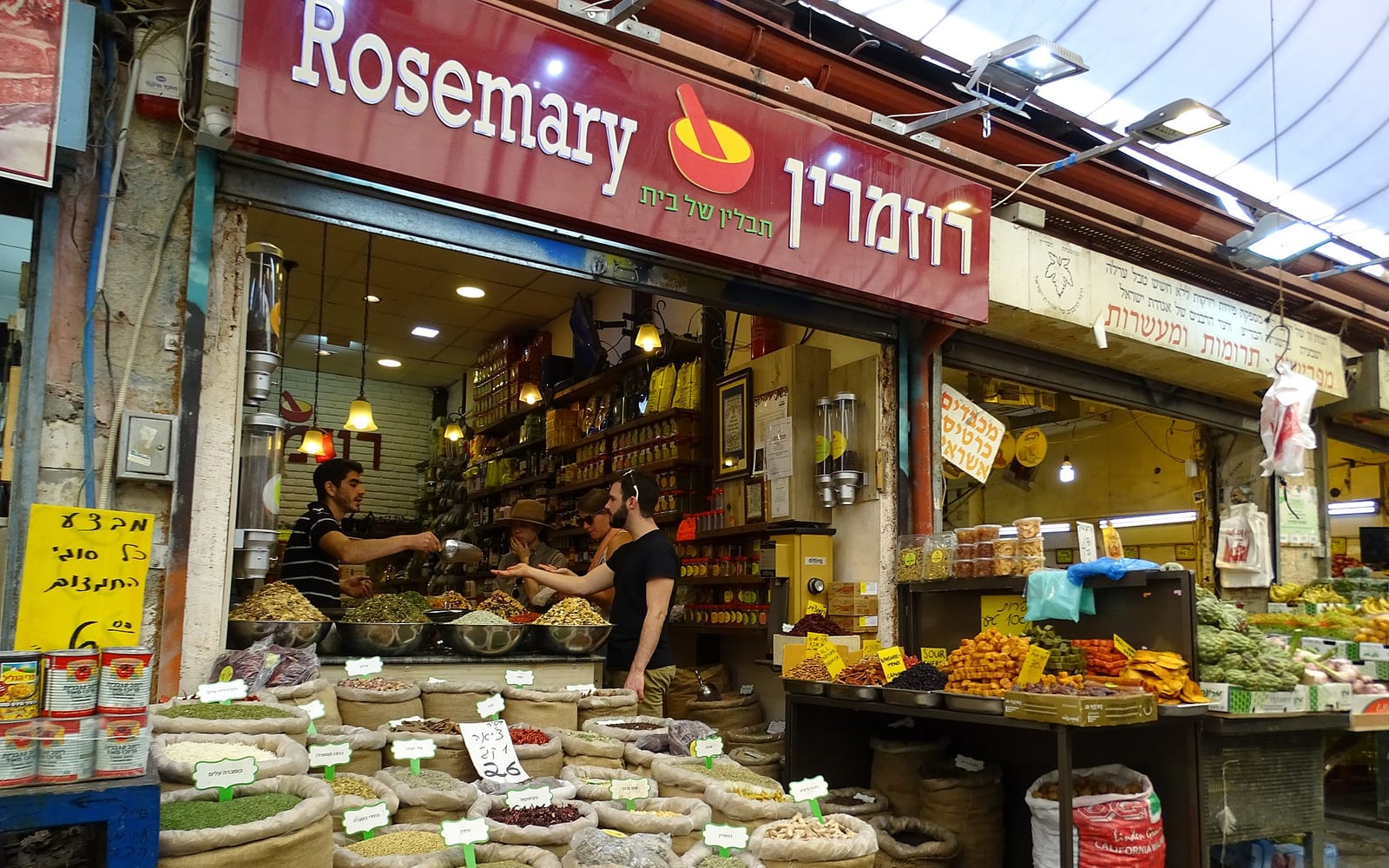
Densest with churches and the home of the Church of the Holy Sepulchre, Christianity’s traditional crucifixion-and-burial site (covered in our Holy Sepulchre guide). Nine denominations share streets here; the Via Dolorosa weaves through the quarter and into the Muslim Quarter, terminating inside the Holy Sepulchre. Christian Quarter Road and Souk Khan al-Zeit lane are the best food alleys for falafel and Armenian boureks.
Muslim Quarter
The largest of the four, packed with covered souks and the entrance ramp to the Temple Mount / Haram al-Sharif. Damascus Gate is the main entry — go on a Thursday morning when produce stalls fill the alleys. The Mamluk-era buildings on Tariq Bab al-Silsila are among the finest medieval architecture in the city; many are still working madrasas or family residences and worth slowing down to notice.
Armenian Quarter
The smallest and quietest quarter, centred on the Cathedral of Saint James (open to visitors during afternoon vespers only). The Armenian ceramics tradition lives on at a handful of family workshops near the Citadel; the Mardigian Museum documents Armenian heritage in the Holy Land. Most visitors pass through quickly; staying longer rewards.
Tours of the Old City
A guided walking tour is the single best investment for a first Old City visit — pacing, context, and the rooftop / tunnel options that signage will not surface alone.
For a deeper religious-tourism focus, Christian-themed tours of the Via Dolorosa combined with the Holy Sepulchre run daily through the Christian Quarter — covered separately in our Holy Sepulchre sub-destination guide.
Practical Tips
Carry your passport — security checkpoints at the Western Wall plaza and Temple Mount ramp ask for ID. Bring water in summer; the Quarters are stone-walled and hold heat. Wear closed shoes — uneven stone steps everywhere. Plan around Shabbat: the Jewish Quarter empties from Friday afternoon and is mostly closed until Saturday evening; the Christian and Muslim Quarters keep going. Plan around Ramadan and Christian Holy Week: the Old City fills up; pre-book any tour. Travel insurance is worth carrying for any Israel trip; we link our partner option from the Jerusalem canonical guide.
Nearby Attractions
The Old City sits next to the Western Wall plaza, the City of David archaeological park (just outside Dung Gate), and the Mount of Olives ridge facing the Temple Mount across the Kidron Valley. All three have dedicated sub-destination guides; clicking through to those pages will give you site-specific hours, dress code and tour options.