Nimrod Fortress is the largest medieval fortification in Israel — an Ayyubid and Mamluk castle built in the 1220s on an 800-metre ridge above the Banias valley in the Golan Heights. The site is unusually complete for a 13th-century fortification: concentric walls, towers, vaulted halls, secret stairways and water cisterns are all visible, walkable and partially restored. The fortress takes its modern name from medieval Arab folklore associating the ruined castle with Nimrod, the biblical hunter described in Genesis 10 as the founder of cities — by the Ottoman period the deserted castle was being attributed to legendary builders.
This guide covers the Crusader and Mamluk history, what is visible today, the practical visit logistics, and how Nimrod Fortress pairs with the neighbouring Banias / Caesarea Philippi archaeological site.
Need to know
| Cost | Standard national-park fee (~₪28 / ~$8 adult); free with the annual parks pass, which also covers other Golan reserves. |
| Hours | Roughly 08:00–17:00 in summer, 08:00–16:00 in winter. |
| Time needed | 90 min–2 hours for the main complex; up to 2.5 hours for a focused archaeological visit. |
| Getting there | ~10 min by car from Banias on Highway 989; ~40 min from Katzrin, ~3 hrs from Tel Aviv. Paid parking at the entrance. |
| Best time | Morning for the southern views toward the Hula valley and Banias; cooler temperatures before midday in summer. |
| Accessibility | A medieval hilltop castle — stairs, narrow passages, uneven stone, steep approaches. Not wheelchair- or stroller-friendly; closed shoes essential. |
What is Nimrod Fortress?
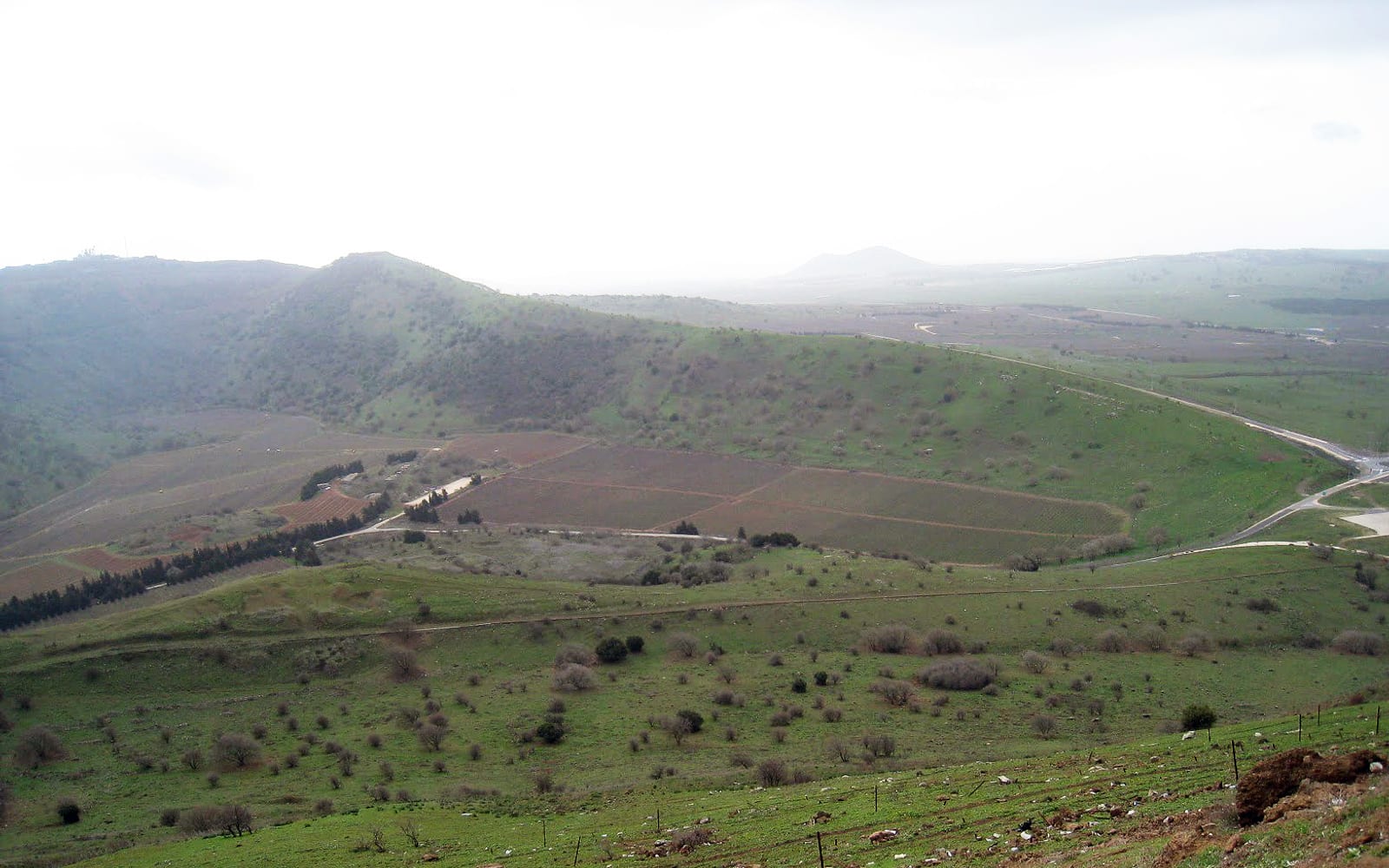
The fortress was built in the 1220s by the Ayyubid prince Al-Aziz Uthman (a nephew of Saladin) to guard the Damascus-to-Tyre road — a strategic medieval trade route running from the inland Syrian capital to the Mediterranean Crusader port. The site was chosen for its commanding position on an 800-metre ridge above the Banias valley, with sightlines down to the Hula valley to the south-west and across to Mount Hermon to the north.
The Mamluks took the fortress from Frankish Crusaders in 1260 (the same year as the Battle of Ain Jalut, when Mamluk sultan Baybars defeated the Mongols and consolidated control over the Levant). Baybars expanded the fortress significantly — the eastern keep, several towers, the secret stairways and many of the inscriptions visible today are Mamluk additions. The fortress was abandoned in the 16th century after the Ottoman conquest of the Levant.
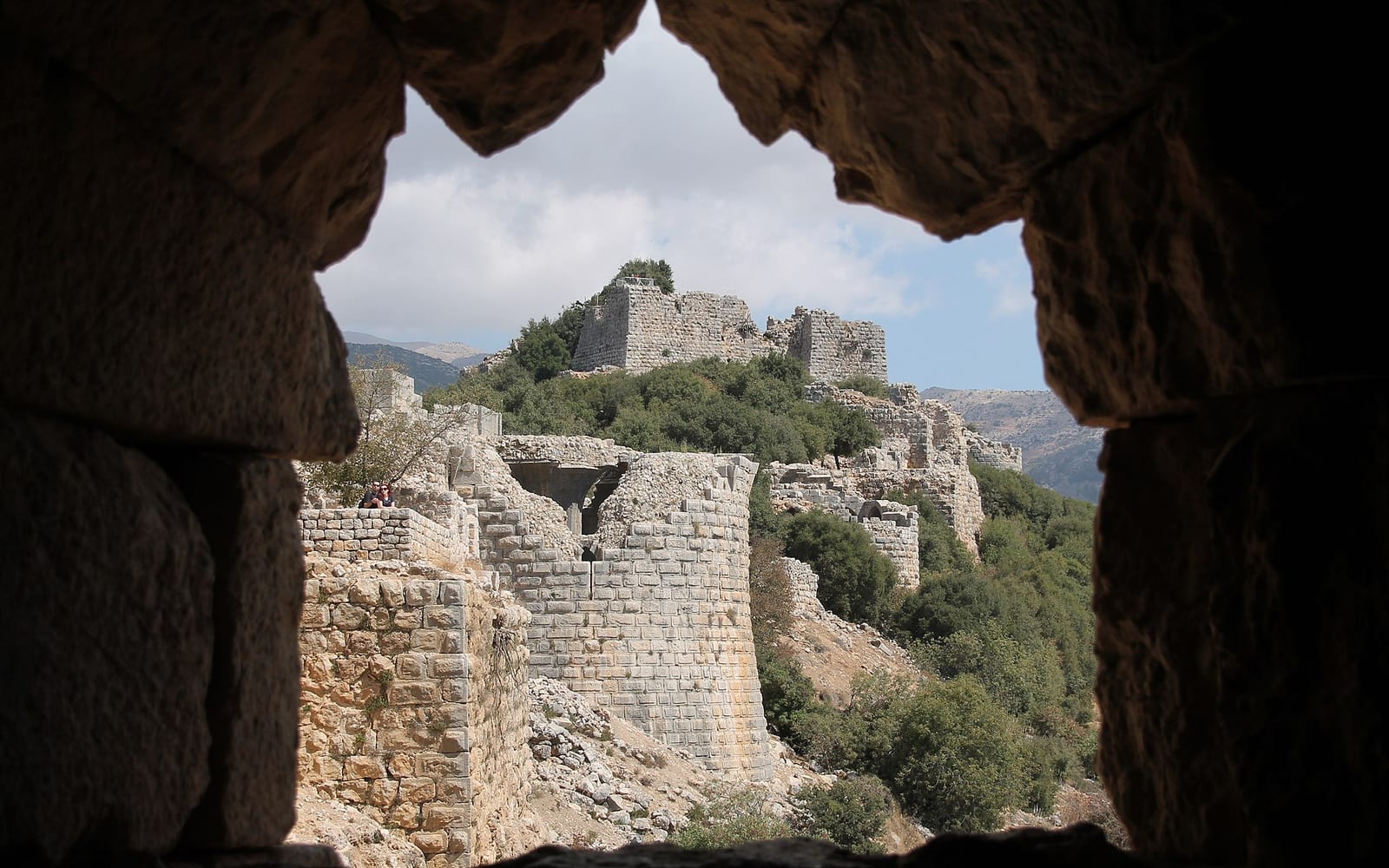
The structure is unusually complete for a 13th-century fortification — the concentric walls (inner and outer rings), towers, vaulted halls, secret stairways and water cisterns are all walkable. The site is large enough to spend 90 minutes exploring without doubling back. Wear closed shoes — some stairs and passageways have uneven stone footing.
Visiting Nimrod Fortress Today
The site is Nimrod Fortress National Park, managed by the Israel Nature and Parks Authority. Admission is the standard national-park fee (around 28 ILS adult, free with the annual pass). Opening hours are roughly 08:00 to 17:00 in summer, 08:00 to 16:00 in winter. Paid parking is available at the entrance; the walk from the parking area to the lower fortress entrance is short.
The visit route loops through the fortress in a roughly clockwise direction — start at the lower entrance gate, walk through the main courtyard, climb the southern wall for the panoramic view, descend into the vaulted halls and the secret stairway, and exit through the upper eastern keep. Interpretive signage in Hebrew, English and Arabic identifies the Crusader-era and Mamluk-era construction throughout.
The site is family-friendly with caveats — children with sturdy shoes will enjoy the secret stairways and tower climbs; toddlers and strollers are not recommended for the upper levels.
Top Things to See
The Lower Entrance Gate
The lower entrance gate is a Mamluk-era construction with a bent-entry passage (an L-shaped tunnel that prevented attacking forces from charging straight in). The vaulted gatehouse retains its original arrow-slits and the iron-hinge sockets where the wooden gate was mounted.
The Main Courtyard
The main courtyard is the largest open space inside the walls, with the foundations of stables, storage rooms and a small chapel visible. From the courtyard, stairs ascend to the southern wall walkway.
The Southern Wall + Hula Valley View
The southern wall walkway gives the panoramic view down to the Banias valley and across to the Hula valley beyond. On clear days the Sea of Galilee is visible in the distance. This is the most-photographed view at the site — the combination of medieval crenellations and the long natural landscape.
The Vaulted Halls + Secret Stairway
The fortress’s interior has several vaulted halls that originally served as armouries, dormitories and dining halls. A secret stairway runs from the upper keep down to a hidden postern gate on the northern slope — a Mamluk-era addition that would have allowed defenders to escape or send messengers out under siege.
The Eastern Keep + Arabic Inscriptions
The eastern keep is the tallest surviving structure — a square tower with several Arabic inscriptions dating the major Mamluk-era construction phases. The inscriptions name Sultan Baybars and his governors and give the dates of the principal building campaigns.
Tours of Nimrod Fortress
The audio guide rented at the entrance covers the Crusader and Mamluk history. Guided tours (60 to 90 minutes with a licensed Israeli guide) are available through GetYourGuide and small-group operators based in Tel Aviv as part of “Golan medieval heritage” day excursions. Combined tours often pair Nimrod Fortress with Banias and a Druze lunch for a full half-day medieval circuit.
Nearby Attractions
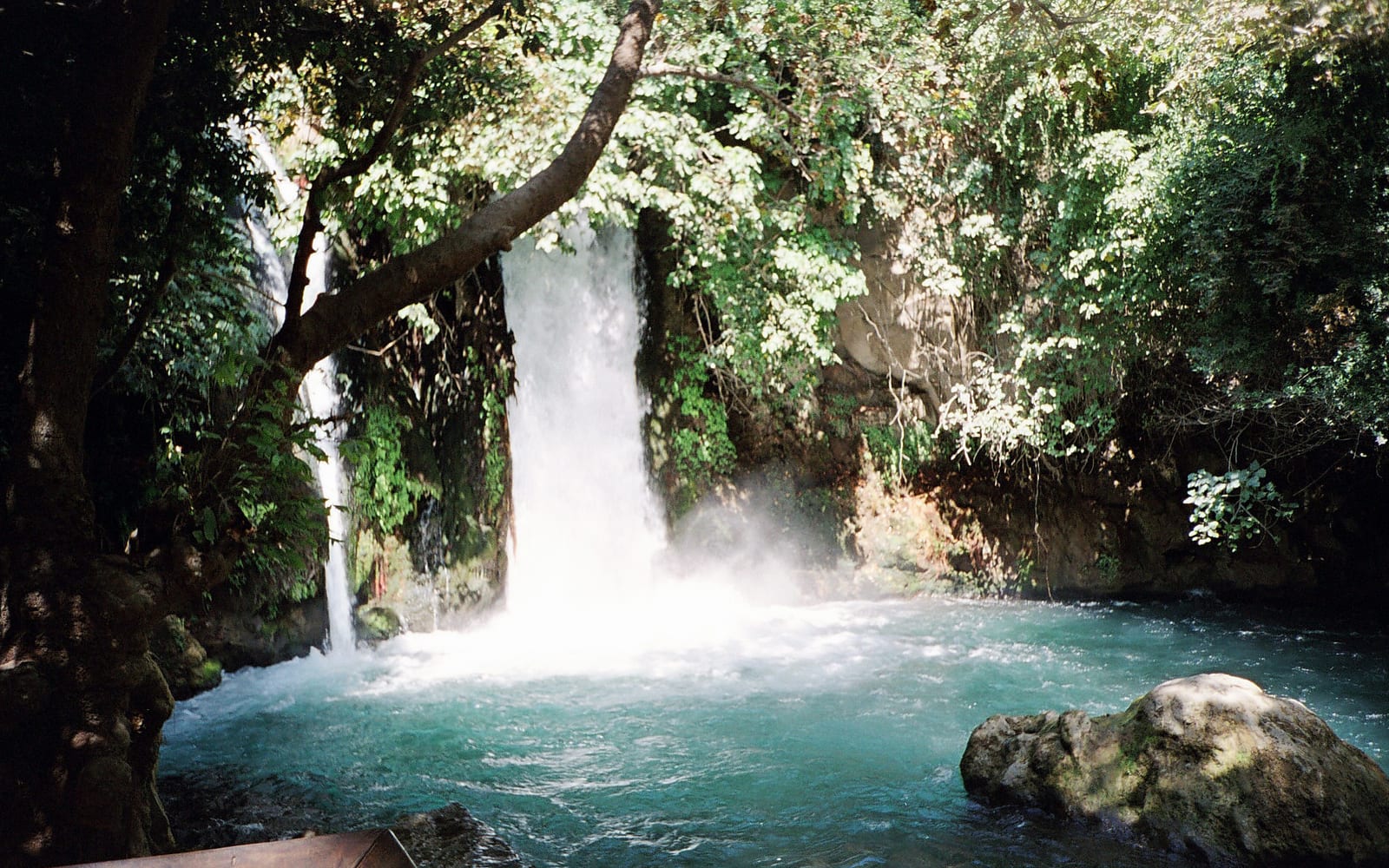
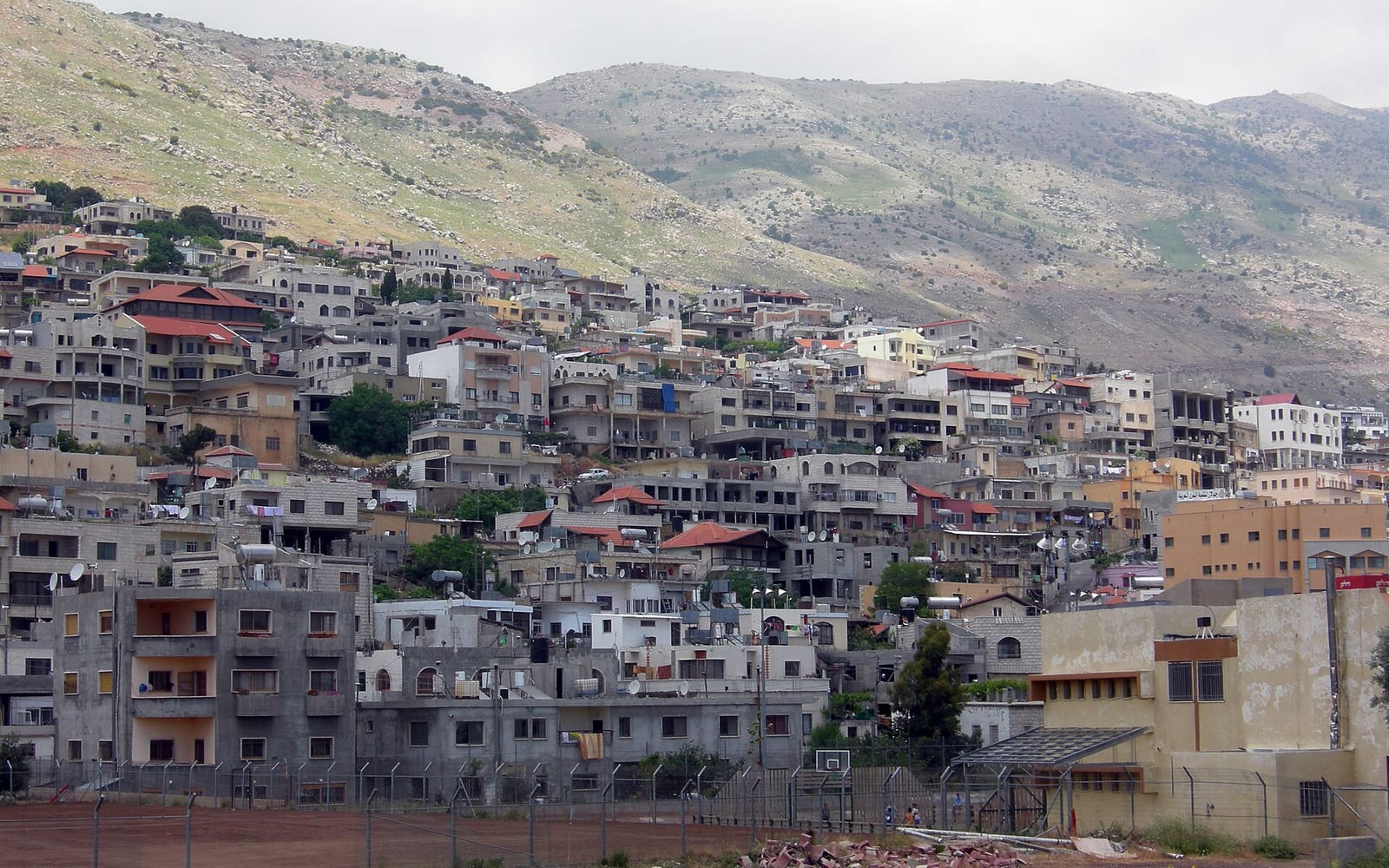
Banias (the Caesarea Philippi archaeological site + spring + waterfall) is 10 minutes drive south — the natural pairing forms a half-day Crusader-era heritage loop. Mount Hermon ski resort is 20 minutes north for winter visitors. Druze villages (Majdal Shams, Mas’ade) are 15 to 20 minutes away for lunch. Mount Bental (the volcanic crater viewpoint) is 30 minutes south-east. For visitors making the medieval-heritage thread of a longer Israel trip, Akko (the UNESCO Crusader Old City on the Mediterranean coast) is 90 minutes west and pairs naturally with Nimrod Fortress as a “Crusader Kingdom” thread.
Practical Tips
Footwear — closed shoes are essential. Some stairs and passageways have uneven stone footing; ankle support helps.
Sun protection — most of the site is open-air with little shade. Hat, sunscreen and water bottle are needed in summer. The vaulted halls and tower interiors give intermittent shade for breaks.
Photography — the southern wall view is the iconic shot. The Arabic inscriptions in the eastern keep are best photographed in late morning when the sun lights them from the side. The secret stairway is dimly lit; bring a flashlight or use phone-light for the descent.
Combined ticket — Israel Nature and Parks Authority annual pass covers Nimrod plus the other Golan reserves (Banias, Hermon stream, Yehudiya). Worth purchasing for a multi-site Golan visit.
Allow extra time — the site rewards a slow visit. Quick walk-throughs are 60 minutes; a focused archaeological visit is 2.5 hours.
Why Visit Nimrod Fortress
Nimrod Fortress is the most complete medieval fortification in Israel — a 13th-century Ayyubid-Mamluk castle on an 800-metre ridge with concentric walls, vaulted halls, secret stairways and Arabic inscriptions that are all walkable today. The site pairs naturally with Banias (the Caesarea Philippi cult site directly below it in the valley) for a half-day Crusader-era heritage circuit, and with Akko on the coast for a complete “Crusader Kingdom” thread across a longer Israel trip. The combination of unusually well-preserved medieval architecture and panoramic Banias valley views is one of the headline experiences in the northern Golan.