Mount Carmel National Park covers the wooded back-slope of Mount Carmel south of Haifa — Mediterranean pine and oak forest, walking trails, the Hai-Bar Carmel wildlife reserve (the reintroduction project for Persian fallow deer, gazelles and vultures), and viewpoints across the Carmel ridge toward the Mediterranean. The park is one of Israel’s largest at around 84 square kilometres and a significant ecological reserve — much of it was burned in the catastrophic 2010 Carmel forest fire and has been replanted and replanned for fire resilience since.
The park is also the territory of the two Druze villages of Daliyat al-Karmel and Isfiya — Druze communities with multi-generational ties to the Carmel mountain. The Saturday market in Daliyat al-Karmel draws regional visitors and is the largest weekend market in northern Israel.
Need to know
| Cost | ~₪30 / ~$8 adult, ~₪16 child; INPA annual pass honoured. The Druze villages and markets are free to wander. Check the official site for current prices. |
| Hours | Park hours typically ~08:00–17:00 winter / ~08:00–18:00 summer (last entry ~1 hr before close). Daliyat al-Karmel’s signature market runs Saturdays. |
| Time needed | ~90 min–2 hours for the Little Switzerland loop; ~90 min–2 hours for the Hai-Bar reserve; a half-day with a Druze-village lunch. |
| Getting there | ~25 min from central Haifa by car (Little Switzerland trailhead on Hwy 672, via the University of Haifa road). Bus to the University, then short taxi/walk. |
| Best time | Saturday for the Druze market; spring/autumn for hiking. Early morning or late afternoon for wildlife; vultures thermal at midday. |
| Accessibility | Forest hiking trails with elevation gain and uneven terrain. The Hai-Bar reserve has signed routes with viewing platforms; villages are partly walkable. |
What is Mount Carmel National Park?
The park was established in 1972 over the existing Mediterranean forest cover of the Carmel ridge — pine, oak, terebinth and carob. The forest is fragile — the 2010 Carmel forest fire burned 25 square kilometres of the park and killed 44 people; subsequent replanting prioritized native broadleaf species and fire-resistant terrain management.
The park has three major trailheads:
- Little Switzerland — closest to Haifa, on Highway 672. Parking, small visitor centre, signed loop trails of 2 to 5 km.
- Etzba Cave (“Finger Cave”) — karstic limestone cave with Mousterian and Natufian habitation evidence; gated for archaeological protection.
- University of Haifa entrance — trailheads at the south-east edge of the campus.
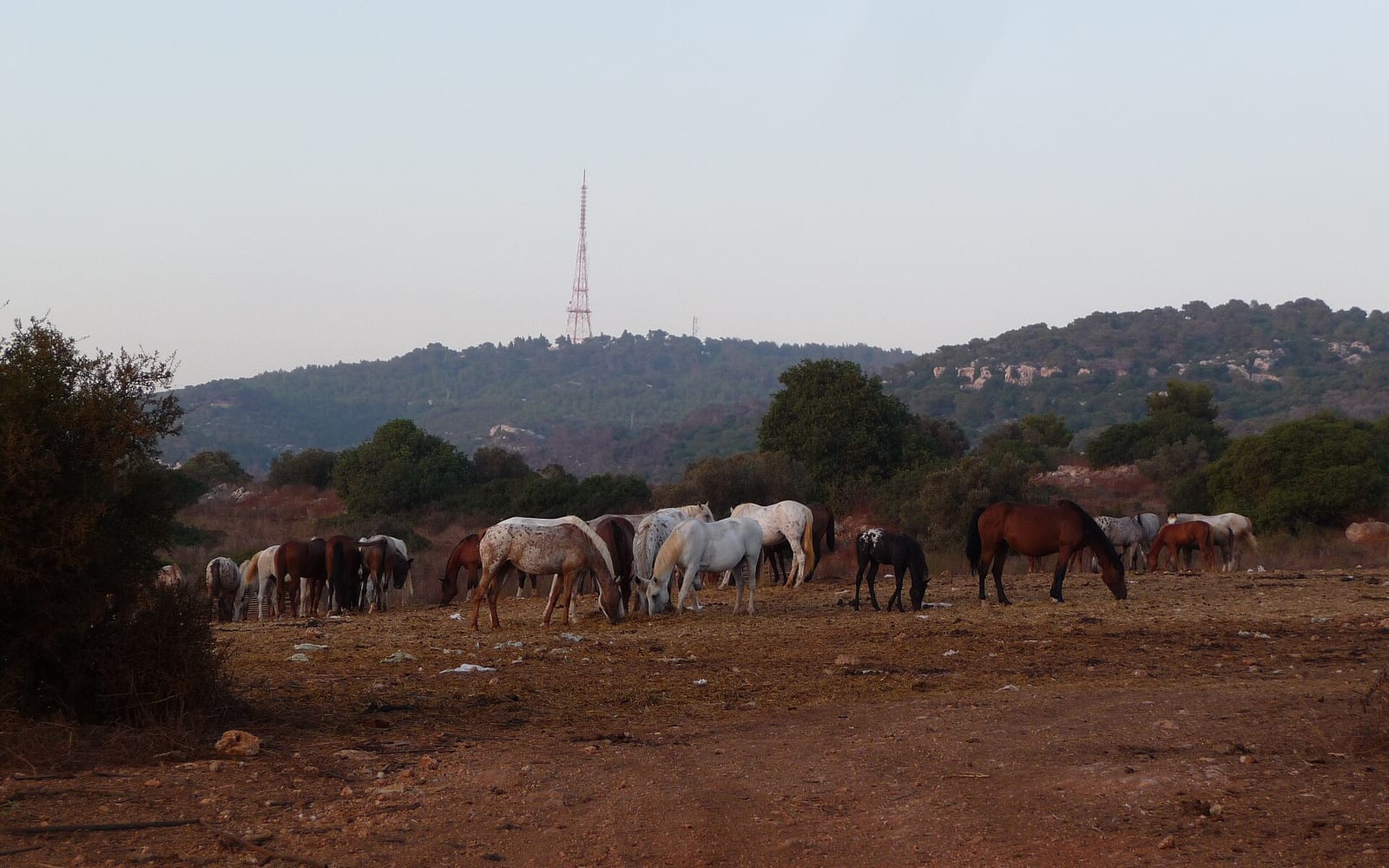
The Hai-Bar Carmel wildlife reserve, established 1971 inside the park, is the reintroduction project for Persian fallow deer, roe deer, mountain gazelle, griffon vultures and Egyptian vultures. The Carmel griffon vulture flock is one of only a handful of surviving wild flocks in Israel.
Visiting Mount Carmel National Park Today
Access: the park is roughly 25 minutes from central Haifa by car. Drive south from Carmel Centre through the University of Haifa campus and follow signs to the park entrances. Most popular access is the Little Switzerland trailhead; the University of Haifa entrance and the Beit Oren entrance serve longer hikes. Public bus from Haifa central bus station to the University takes 30 to 40 minutes; from there short taxi or 20-minute walk to the trailheads.
Hours: national park hours typically 08:00 to 17:00 in winter, 08:00 to 18:00 in summer (last entry one hour before closing). Some trailheads remain accessible after hours but the visitor centres close. Entry fee: standard adult entry around 30 ILS, children 16 ILS; the Israel National Parks annual pass is honoured.
Atmosphere: the park is busy on Saturdays and Israeli school holidays (the locals’ picnic destination) and quieter on weekdays. Spring (March-May) and autumn (October-November) are the most comfortable hiking seasons; summer afternoons are hot in the lower-elevation trails but the higher Carmel ridge stays mild. Winter brings occasional rain and excellent mid-elevation hiking.
Wildlife visibility: the Hai-Bar reserve has a signed viewing route; Persian fallow deer are most often spotted in early morning or late afternoon. The griffon vultures are visible thermalling above the Carmel ridge mid-day; the population is concentrated around the Carmel cliffs.
Top Things to See
Little Switzerland Trail (entry-level hike)
The Little Switzerland trailhead offers the most accessible hike — a 4-kilometre loop trail through mid-elevation pine forest with two overlook stops giving the Carmel-ridge-and-Mediterranean panorama. The trail is well-signed (Hebrew and English), elevation gain modest (around 150 metres), suitable for families with school-age children. Allow 90 minutes to two hours.
The trail passes a small picnic area with benches and shade — the local Saturday family-picnic spot, busy weekends. Combine with a lunch stop at Daliyat al-Karmel on the way back to Haifa.
Hai-Bar Carmel Wildlife Reserve
The Hai-Bar Carmel reserve has a signed walking route with viewing platforms for the Persian fallow deer enclosure (the deer are free-range within a large fenced area), the gazelle range (mountain gazelles roam the open scrub), and the griffon vulture aviary (recovering vultures held before re-release). The reserve also has interpretive signage on the 2010 forest fire and the subsequent ecological restoration.
Allow 90 minutes to two hours for the reserve loop. The visitor centre at the reserve entrance has water and toilets.
Etzba Cave (archaeological + karstic)
Etzba Cave (“Finger Cave”) is a karstic limestone cave with significant prehistoric habitation evidence — Mousterian (Neanderthal) stone-tool assemblages from approximately 80,000 BP and Natufian (proto-agricultural) layers from approximately 12,000 BP. The cave is gated for archaeological protection; access is from the Beit Oren trailhead with a 45-minute hike. The cave interior is dry and shows visible limestone formations.
Combine with the Beit Oren circular trail (a longer 8-km loop) for a half-day hike. Beit Oren itself is a small kibbutz with a guesthouse and a restaurant — natural turn-around point.
Daliyat al-Karmel + Isfiya Druze Villages
The Druze villages of Daliyat al-Karmel (the larger, with the Saturday market) and Isfiya sit on the Carmel ridge inside or adjacent to the park boundary. The Daliyat al-Karmel Saturday market is the largest weekend market in northern Israel, drawing visitors from Haifa and Tel Aviv. Stalls sell Druze saj-bread pita (the very thin Druze flatbread baked on a domed iron griddle), labneh (strained yogurt cheese), Mount Carmel olive oil, za’atar spice mixes, textiles and prepared Druze foods.
Family restaurants serve the traditional saj-bread-and-labneh plate. The Druze are an independent religious community emerging in 11th-century Egypt as a branch of Isma’ili Shi’a Islam but theologically distinct (closed tradition — sacred texts not taught to outsiders, no conversion practised). The Israeli Druze community holds full citizenship, serves in the IDF, and maintains strong multi-generational ties to the Carmel and Galilee villages. The Mount Carmel Druze (Daliyat al-Karmel + Isfiya) number around 25,000 combined.
Practical Tips
- Visit on a Saturday for the Druze market — the Daliyat al-Karmel market is the headline weekend draw; weekday visits are quieter but the family restaurants stay open.
- Early-morning or late-afternoon for wildlife — Persian fallow deer and gazelles are most visible at the edges of the day; griffon vultures thermal at midday.
- Combine park + Druze village — the natural half-day is a morning hike at Little Switzerland followed by lunch at Daliyat al-Karmel.
- Bring water and sun protection — much of the trail system has limited shade, especially in summer.
- Israel National Parks annual pass is honoured — purchase if you plan to visit multiple parks (Caesarea, Masada, Beit Shean, etc.) during your trip.
- The 2010 fire is visible on the higher slopes — burnt-zone replanting is part of the park’s interpretive material; respect the regenerating areas.
Why Visit Mount Carmel National Park
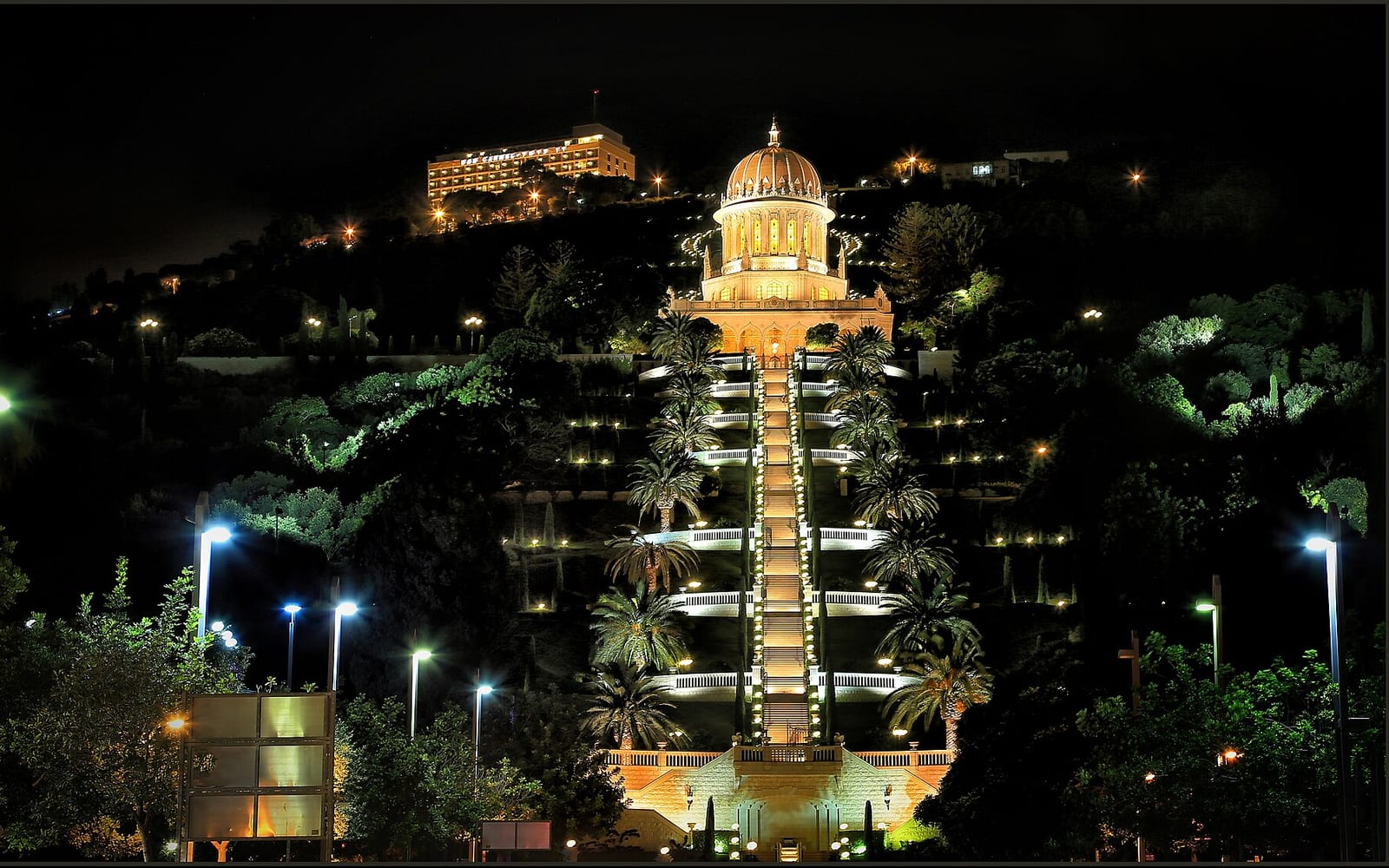
Mount Carmel National Park is the natural counterweight to the urban Haifa experience — Mediterranean pine and oak forest with overlooks toward the sea, the Hai-Bar wildlife reintroduction site that is one of Israel’s significant conservation projects, and the two Druze villages of Daliyat al-Karmel and Isfiya that bring a distinct religious-community presence to the Carmel ridge. The Saturday Druze market is the headline weekend visitor draw; the Little Switzerland trailhead gives the entry-level family hike; the Hai-Bar reserve offers a credible wildlife-observation experience. The visit pairs well with the Bahá’í Gardens upper-terrace overlook and Stella Maris Monastery for a Mount Carmel-spanning day (urban Bahá’í + Catholic monastery + nature park + Druze community) — one of the more thematically complete days available in northern Israel.