The German Colony at the foot of Ben-Gurion Avenue is the 19th-century Templer settlement that became, over the past 25 years, the heritage-and-dining quarter of Haifa and the natural gateway to the Bahá’í Gardens. The colony was founded in 1869 by the Templers (Tempelgesellschaft) — a German Protestant religious community, distinct from the medieval Templar Knights — who came to the Holy Land to build a model agricultural and craft community in preparation for the expected Second Coming.
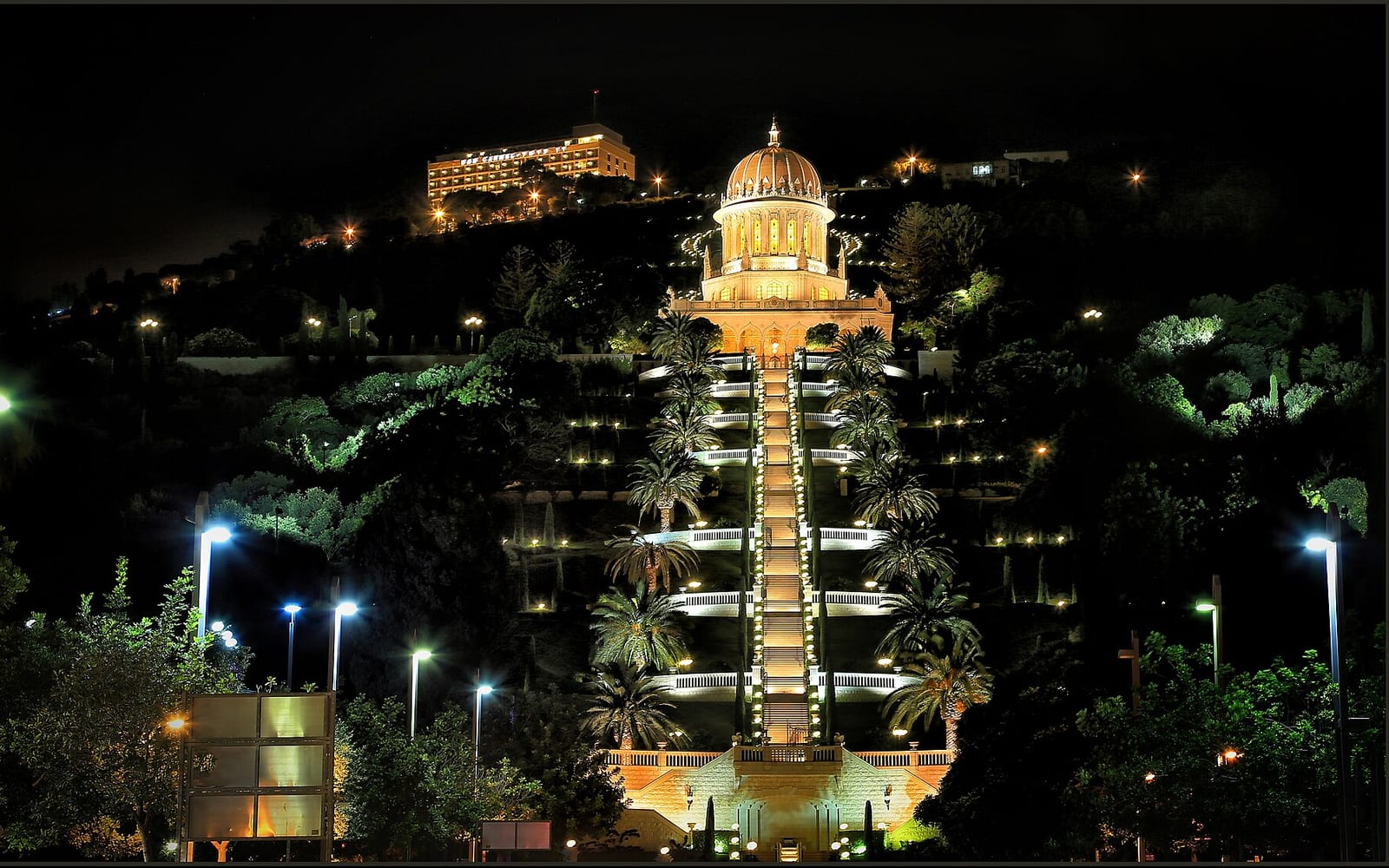
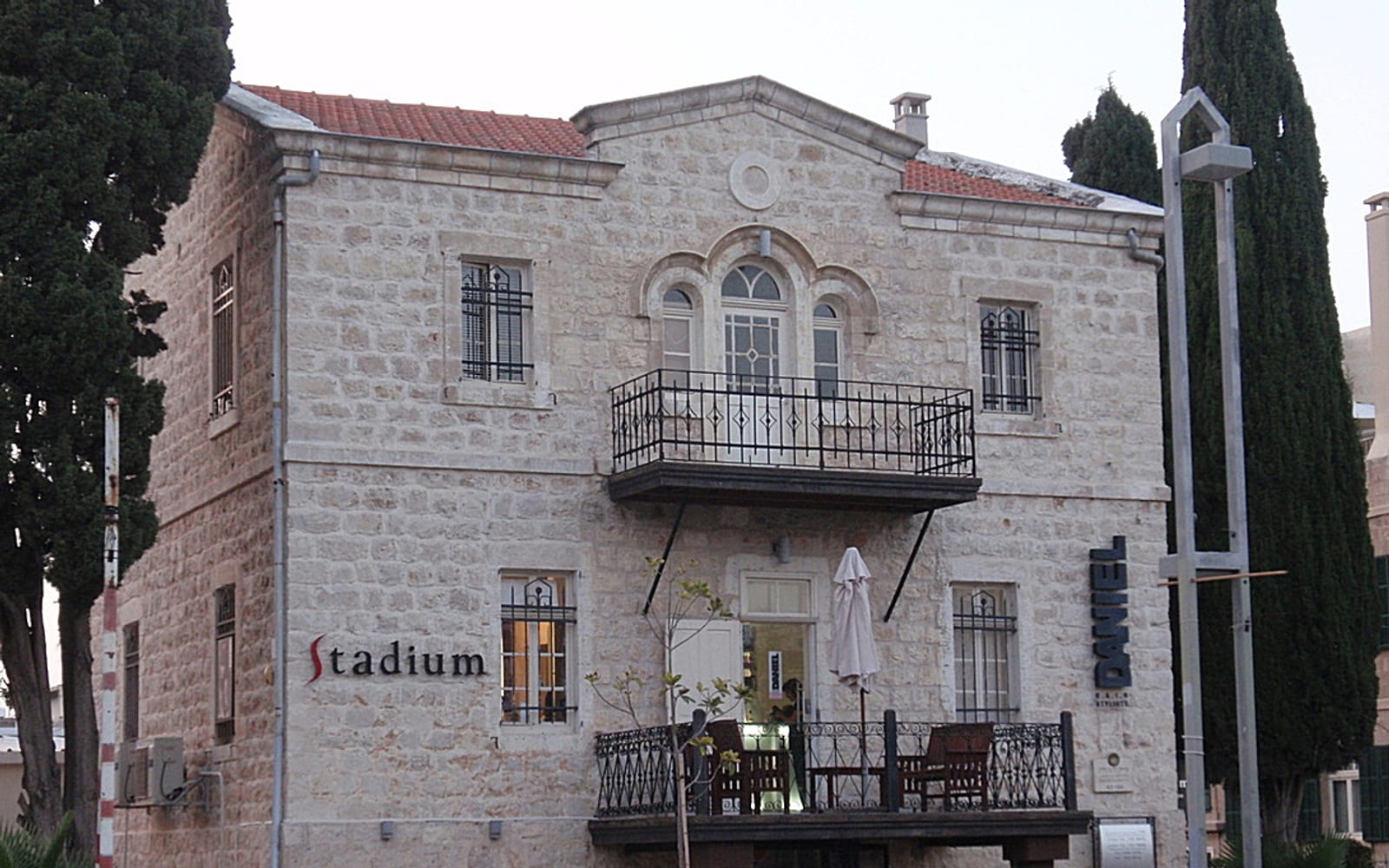
The original Templer settlement consisted of stone houses with pitched red-tile roofs along a wide central avenue (now Ben-Gurion Avenue), with biblical verses carved in German into the lintels above doorways. Many of these inscriptions are still visible today, restored as part of the heritage restoration of the colony from the 1990s onward. The visual axis up Ben-Gurion Avenue — Templer houses on both sides, the rising terraces of the Bahá’í Gardens framed at the top, the golden dome of the Shrine of the Báb at the centre — is the architectural set-piece of the German Colony and among the most-photographed views in Haifa.
Need to know
| Cost | Free — a public neighbourhood with no admission gates. You only pay for food and drink at the brasseries. |
| Hours | The avenue is open 24 hours. Brasseries open daytime and evening; some Jewish-owned places reduce hours Friday afternoon through Saturday, while Arab-Christian-run restaurants typically stay open. |
| Time needed | ~30 min for the architectural walk, plus a brasserie meal. |
| Getting there | Lower entrance at Paris Square (Carmelit funicular terminus); walk up Ben-Gurion Avenue ~10–12 min to the lower-terrace Bahá’í Gardens entrance. |
| Best time | Late afternoon / evening — long shadows on the avenue and the illuminated Shrine dome above after dark. |
| Accessibility | Paved sidewalks and a gently rising avenue — largely accessible. |
What is the German Colony?
The colony was settled by Templer families from the Swabian region of southern Germany — Protestant Pietists who broke from the Württemberg state church in the 1850s and emigrated to the Holy Land in waves from 1868 onward. The Haifa colony was the third Templer settlement in Palestine (after Jaffa and Sarona near Tel Aviv); a fourth was added later at Wilhelma south of Haifa. At its peak in 1939, the Haifa colony numbered around 700 residents.
The Templers were skilled craftsmen and farmers; they introduced mechanized milling, viticulture and quarry-stone construction to coastal Palestine. The colony’s wide central avenue was unusual for the period — at a time when Ottoman urban planning favoured narrow lanes, Ben-Gurion Avenue was laid out 20 metres wide with deep front gardens and street-facing dressed-stone facades. The avenue was intended to frame a view up Mount Carmel; by accident or design, it became the perfect axis for the later Bahá’í Gardens.
The community was expelled during the Second World War (the Templers were affiliated with the German nation and several leading members had joined the Nazi Party in the 1930s; the British Mandate authorities interned the community in Sarona and Wilhelma, then deported them to Australia and Germany). The colony houses passed to Jewish immigrants and were partly rebuilt in the post-1948 period.
The heritage restoration of the German Colony began in the 1990s and accelerated after the Bahá’í Gardens completion in 2001. Today most original Templer houses are restored — biblical inscriptions cleaned, red-tile roofs replaced, gardens replanted — and house brasseries, boutique hotels, ceramic galleries, and small shops. The colony is a designated conservation area.
Visiting the German Colony Today
Access: the colony is a public neighbourhood with no admission gates. The lower entrance is at Paris Square, where the Carmelit underground funicular has its terminus; the upper entrance is the lower-terrace Bahá’í Gardens entrance at the top of Ben-Gurion Avenue. The walk up the avenue takes about 10 to 12 minutes and rises gently. Free walking-tour maps are available at the Haifa Tourist Information Centre at the foot of the avenue.
Atmosphere: the colony is busy daytime (brasserie lunch trade plus Bahá’í Gardens visitor flow) and atmospheric in the evening (illuminated facades, brasserie garden seating, distant view up to the lit Shrine of the Báb dome). Friday afternoons and Shabbat see reduced opening hours at some brasseries; the Arab-Christian-operated restaurants typically stay open through Shabbat.
Photography: the visual axis up Ben-Gurion Avenue from the lower entrance is the headline shot. Best light is late afternoon when long shadow falls across the avenue and the cypress allées up the terraces glow against the sky. The biblical-inscription lintels above doorways are the architectural detail — wide-angle composition recommended.
Top Things to See
The Visual Axis up Ben-Gurion Avenue
The visual axis up Ben-Gurion Avenue is the German Colony’s signature view. Stand at the lower entrance facing up Mount Carmel: Templer stone facades line both sides of the wide avenue, the front gardens slope gently up, the 19 Bahá’í terraces step away in the middle distance, the golden dome of the Shrine of the Báb sits dead-centre at the visual climax. The axis was the Templer original framing; the Bahá’í Gardens designers picked it up deliberately when they laid out the terraces a century later.
Templer House Inscriptions
The biblical inscriptions above the doorways of the original Templer houses are the architectural detail. Most are German-language Protestant verses (Psalms, Gospels, hymn lines), carved into dressed stone lintels above the front doors. Walking up Ben-Gurion Avenue, look at the lintels of houses on either side at street level — most are restored and legible. The Templer ethos — work, family, biblical faith, agricultural craft — surfaces in the choice of verses.
The Brasseries and Garden Seating
The brasseries are the German Colony’s living function. Fattoush (Levantine-Mediterranean with deep front garden, the headline brasserie of the avenue), Douzan (Armenian-Lebanese, generous mezze), Ein el-Wadi (Arabic family-style), and smaller cafés like Café Marrakech (Moroccan-style sweet pastries and coffee) cover the lunch and dinner range. Friday-evening dinner with the Bahá’í terraces illuminated in the background is one of the more memorable Haifa restaurant experiences.
The Templer Heritage Plaques
Several houses along Ben-Gurion Avenue carry heritage plaques in Hebrew, English and German explaining the original Templer family, the building date, and the post-1948 transition. The Tourist Information Centre at the foot of the avenue gives a downloadable walking-route map keyed to the plaque-bearing houses.
Practical Tips
- Walk the visual axis from bottom to top — start at Paris Square and the Carmelit terminus, walk up Ben-Gurion Avenue, end at the lower-terrace Bahá’í Gardens entrance. The composition gets more dramatic with each step.
- Late afternoon for photography — long shadows across the avenue, glow on the cypress allées, illuminated Shrine dome after sunset.
- Lunch at a garden-seating brasserie facing the Bahá’í terraces — Fattoush is the headline choice; Douzan if you want the mezze format.
- Look up at the lintels as you walk — restored Templer biblical inscriptions on most original houses.
- Friday evening Shabbat hours — most Jewish-owned brasseries close Friday afternoon and reopen Saturday evening; Arab-Christian-operated restaurants stay open through Shabbat.
Why Visit the German Colony
The German Colony is the heritage quarter that gives the Bahá’í Gardens their architectural context — a 19th-century Templer settlement laid out as a wide central avenue whose visual axis happens to frame, by accident or design, the future centre of the Bahá’í World Centre. The restored Templer architecture, the biblical inscriptions on the lintels, and the long-running brasseries with garden seating facing the terraces make the German Colony the natural lunch quarter for visitors and the most pleasant evening walk in Haifa. The visit is brief — 30 minutes for the architectural walk plus a brasserie meal — but it is the indispensable companion to the Bahá’í Gardens visit and the most concentrated heritage block in the city.