Yad Vashem — Israel’s central memorial to the six million Jews murdered in the Holocaust — occupies a hilltop campus on Mount Herzl in west Jerusalem. Founded by Knesset law in 1953, it is a memorial, an archive, a research institution, and a documentary museum all at once. Free admission, no advance ticket required for individual entry, and consistently rated among the most important museum visits anywhere in Israel. This guide covers the practical decisions of visiting today: when to come, how to plan a half-day across the campus, the must-see sections, and the guided tour options.
Need to know
| Cost | Free admission to the campus and the Holocaust History Museum. Audio guide rental ~₪35. |
| Hours | Sun–Thu 09:00–17:00, Fri and holiday eves 09:00–14:00, closed Saturday and on Jewish holidays. Last museum entry is 60 min before closing. |
| Time needed | Three hours minimum for the museum alone; a half-day (4–5 hours) for the full campus. |
| Getting there | Light Rail Red Line to Mount Herzl station, ~5-min walk; ~25 min by light rail or ~15 by taxi from central Jerusalem. Bag check at the gate. |
| Best time | Arrive early and allow more time than you expect; the campus is reverent and unhurried. |
| Accessibility | The campus is hilly; wear solid shoes. The Holocaust History Museum is recommended for ages 10+ (no photography inside); the Children’s Memorial is open to all ages. |
What is Yad Vashem?
The name Yad Vashem — “a memorial and a name” — comes from Isaiah 56:5: “even unto them will I give in my house and within my walls a place and a name (yad va-shem) better than of sons and of daughters.” The campus is dedicated to the memory of the victims of the Holocaust and to the rescuers and resistance fighters who acted during it. The Hall of Names holds testimony pages for over 4.8 million victims, identified by name.
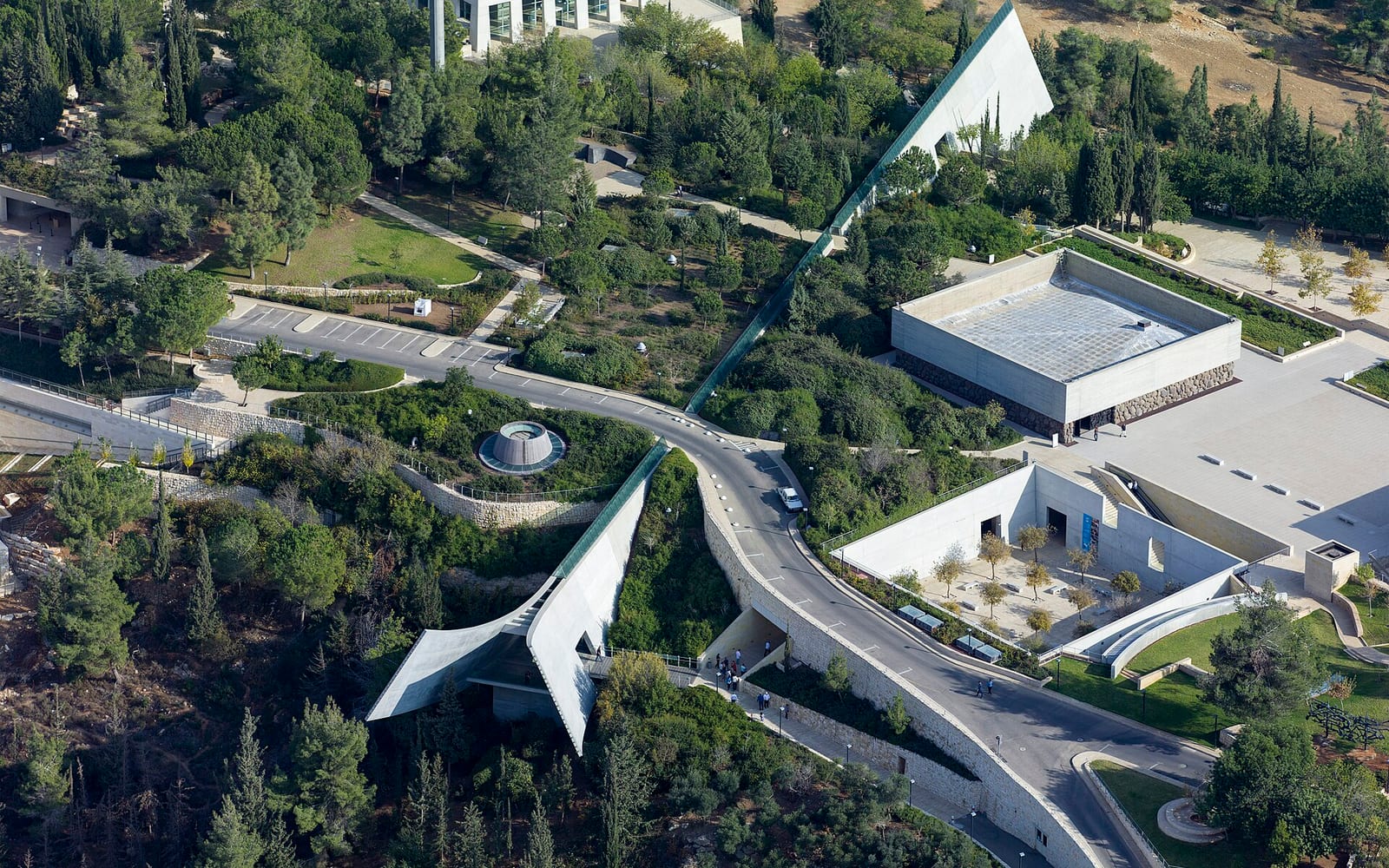
The Holocaust History Museum, opened in 2005 in a triangular concrete prism designed by Moshe Safdie, takes visitors through a chronological narrative of the Shoah using personal objects, photographs, film and survivor testimony. It is the institutional core of the campus and the longest commitment of any visit — three hours minimum, longer if you stop at the survivor testimony stations.
The campus also includes the Children’s Memorial (a single dark space with five candles reflected into the appearance of one and a half million points of light, the number of children murdered); the Hall of Names; the Avenue of the Righteous Among the Nations (honouring non-Jewish rescuers); the Garden of the Righteous; the Janusz Korczak Memorial; and the Cattle Car Memorial outside the main museum.
Visiting Yad Vashem Today
Hours: Sunday to Thursday 09:00 to 17:00, Friday and eve of holidays 09:00 to 14:00, closed Saturday and on Jewish holidays (Passover, Rosh Hashanah, Yom Kippur, Sukkot, etc.). Last entry to the Holocaust History Museum is 60 minutes before closing. Cost: free admission; audio guide rental about ₪35.
Getting there: the light rail Red Line terminates at Mount Herzl station, a 5-minute walk from the Yad Vashem entrance. From central Jerusalem, allow 25 minutes by light rail or 15 by taxi. Security: bag check at the gate; expect 10 minutes during peak season.
Atmosphere: the campus is reverent rather than performative; conversations are kept quiet, phones on silent. Photography is permitted in most outdoor spaces; photography is not permitted inside the Holocaust History Museum — that prohibition is strictly enforced and respected.
Top Things to See
The Holocaust History Museum
The institutional core. Allow three hours minimum. The narrative arc — pre-war Jewish life, rise of Nazism, ghettos, deportations, killing centres, liberation, aftermath — uses personal objects (shoes, suitcases, photographs) and recorded survivor testimony to ground the statistics. The exit gallery, the Hall of Names, displays portraits of the murdered in a cone reaching down to a reflecting pool. Plan this section last.
Children’s Memorial
A few hundred metres from the museum exit. A single dark space, five small candles whose reflections multiply across mirrored surfaces, and recorded names being read continuously. Most visitors stay between two and ten minutes; many emerge changed by it.
Avenue and Garden of the Righteous Among the Nations
Trees and stone plaques along a curving path commemorate non-Jewish rescuers — over 28,000 individuals from more than 50 countries. Walk it slowly; the named cases (Raoul Wallenberg, the Polish Catholic resistance, Albanian Muslim villagers) deserve more than a glance.
Cattle Car Memorial
A real German railway cattle wagon, donated by the Polish government, set on a length of broken track at the edge of the hill. Powerful even at a distance.
Tours of Yad Vashem
Guided tours in English run on a published schedule throughout the day; group tours benefit from advance reservation. A half-day guided tour including transport from central Jerusalem is the practical option if you would rather not navigate the campus alone.
Practical Tips
Allow more time than you think. The published “two-hour tour” is the minimum; visitors who allow only that often leave wanting another hour. Bring water for the outdoor sections (no food inside). Solid shoes — the campus is hilly. Travel insurance is worth carrying for any Israel trip; we link our partner option from the Jerusalem canonical guide. Combine with Mount Herzl military cemetery (free, adjacent) for a full day of national-memory sites in west Jerusalem.
Nearby Attractions
Mount Herzl national cemetery sits next door (a 10-minute walk between the two main gates) and pairs well with Yad Vashem for a full day of national-memory sites in west Jerusalem. The Israel Museum, which holds the Dead Sea Scrolls and the Second Temple Model, is a 15-minute taxi ride east — allow a half-day for the archaeology wing alone. The Mount of Olives Jewish cemetery on the opposite side of the city is covered in our Mount of Olives sub-destination guide. Ein Karem, the village neighborhood that holds the Church of the Visitation and the birthplace tradition of John the Baptist, is a 10-minute taxi ride southwest of Yad Vashem and rewards a relaxed afternoon walk after the intensity of the memorial.