The Basilica of the Annunciation is the largest Christian church in the Middle East and the architectural anchor of Nazareth — the modern Catholic Franciscan basilica completed in 1969 by Italian architect Antonio Barluzzi over the visible ruins of an earlier 4th-century Byzantine basilica and a 12th-century Crusader church. The site is held in Catholic Franciscan custody by the Franciscan Custody of the Holy Land, which has held custodianship of the Annunciation site continuously since 1620.
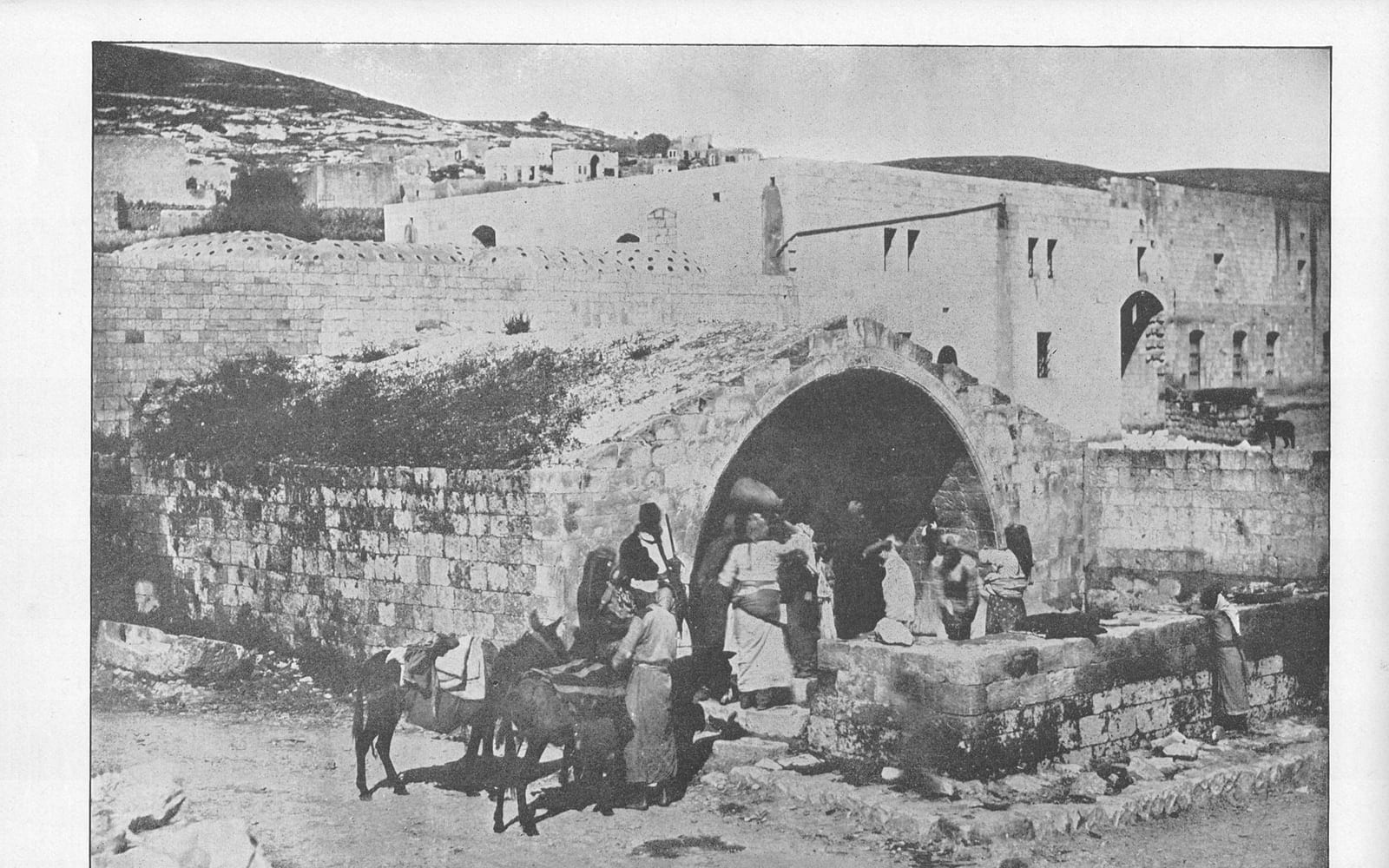
The basilica is the Latin Catholic tradition’s enshrinement of the Annunciation — the Gospel account (Luke 1:26-38) of the angel Gabriel announcing to Mary that she would conceive the Christ. The Catholic tradition places the Annunciation at Mary’s home, the site preserved within the modern basilica’s lower-level grotto chapel. A separate Greek Orthodox tradition places the Annunciation at Mary’s Well a short walk north — both traditions are visited respectfully by Christian pilgrims of every denomination, and standard pilgrim itineraries visit both sites in a single morning.
Need to know
| Cost | Free admission; donations welcomed toward upkeep. |
| Hours | Generally Mon–Sat 08:00–18:00; Sun 14:00–17:00 (Sunday morning reserved for Latin liturgy). Closes earlier on major Catholic feast days. |
| Time needed | 1–1.5 hours for both levels; add 30 min for the Franciscan courtyard, museum and Church of St. Joseph. |
| Getting there | Central Nazareth, ~10 min walk north of Mary’s Well; the Old City souq begins at the southern forecourt. Paid public parking on the southern edge of the Old City. |
| Best time | Outside the Christmas and Easter peaks, and outside the 18:30 daily Mass and Sunday liturgy, for a quieter visit. |
| Accessibility | Active worship site — shoulders and knees must be covered for everyone; shawls available at the entrance. Two levels connected by stairs. |
What is the Basilica of the Annunciation?
The current building is the fifth church to stand on the traditional Annunciation site. A 4th-century Byzantine basilica was the first; it was destroyed in the Persian invasion of 614 CE. A 12th-century Crusader basilica replaced it; that one was demolished by the Mamluk Sultan Baybars in 1263. A small 17th-century Franciscan church (after the Custody acquired the site in 1620) was the third; an 18th-century enlargement was the fourth. The current modern basilica was designed by Antonio Barluzzi (also responsible for the church on the Mount of Tabor, the Basilica of the Agony at Gethsemane in Jerusalem, and the Mount of Beatitudes octagonal church on the Sea of Galilee shore) and completed in 1969.
The two-level structure was Barluzzi’s solution to a difficult conservation problem: the rock face traditionally identified as Mary’s home, plus the visible foundations of the earlier Byzantine and Crusader churches, all needed to remain visible and accessible to pilgrims. The lower-level grotto chapel preserves all three — the rock face at the focal point, Byzantine mosaic floor segments visible in the floor, and Crusader-era columns standing in the lower nave. The upper-level basilica nave sits above the lower level and hosts Latin liturgy.
Visiting the Basilica Today
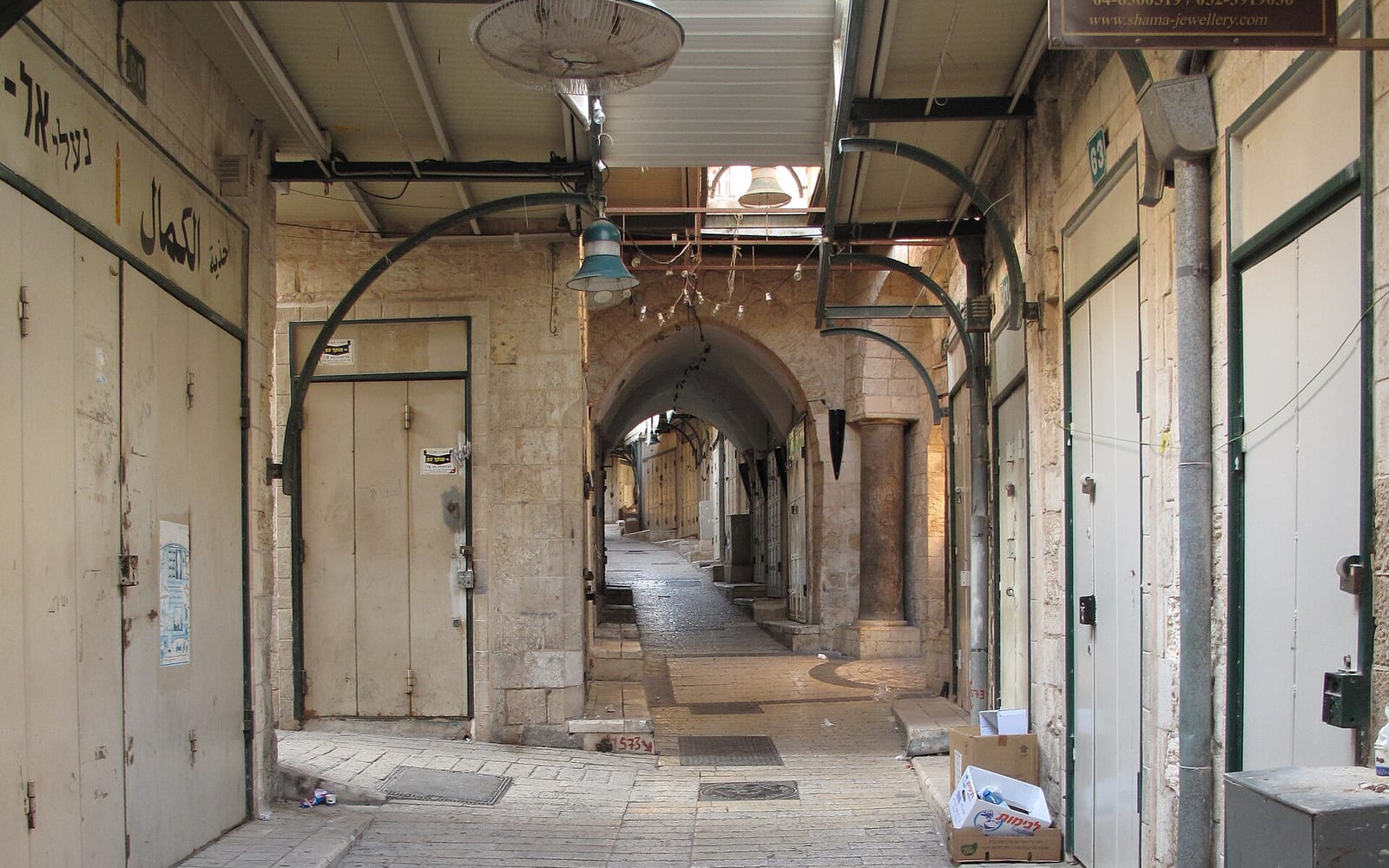
Access: The basilica sits in central Nazareth, a short walk from Mary’s Well (10 minutes north) and the Old City souq (the souq begins immediately at the basilica’s southern forecourt). There is paid public parking on the southern edge of the Old City; walking up through the souq alleys is the more atmospheric arrival. Hours: Monday to Saturday 08:00 to 18:00; Sunday 14:00 to 17:00 (Sunday morning reserved for liturgy). Cost: Free admission; donations welcomed. Dress: Modest dress required throughout — shoulders and knees covered; shawls available at the entrance.
Atmosphere: The basilica handles a significant pilgrim flow (peaking at Christmas and Easter) but typically remains contemplative outside the major feast days. The lower-level grotto chapel is the most prayer-focused space; the upper-level nave is where the international mosaic collection is displayed.
Top Things to See
The International Annunciation Mosaic Collection
The upper-level nave displays one of the most striking collections of contemporary Christian art anywhere in the Catholic world — Annunciation mosaic panels donated by Catholic communities from over forty countries. Each panel depicts the Annunciation in the artistic idiom of its country of origin: Japan’s contribution shows Mary in a kimono with cherry blossoms; Cameroon’s shows the scene in African artistic conventions with brightly-coloured fabric patterns; Venezuela’s evokes the indigenous traditions of the Andean highlands. The cumulative ecumenical effect — the same Gospel scene in forty cultural readings — is one of the great artistic statements in modern Christian architecture.
The Lower Grotto Chapel
The lower-level grotto chapel is the devotional core of the basilica. The chapel is built around the rock face traditionally identified as Mary’s home at the time of the Annunciation, preserved at the focal point of the chapel under a marble altar. Visible portions of the earlier 4th-century Byzantine basilica (mosaic floor segments) and the 12th-century Crusader basilica (column bases, capitals) line the walls. The chapel is open for personal prayer throughout visiting hours; small altars on the side are available for individual or small-group liturgy by visiting clergy.
The Franciscan Courtyard and Small Museum
The basilica forecourt is enclosed by the Franciscan custodial buildings — the friary, the small archaeological museum (free entry; displays Byzantine and Crusader-era stonework recovered during the 1955-69 excavations that preceded the current basilica), and the Church of St. Joseph (a smaller Franciscan church just north of the main basilica, built over the traditional site of Joseph’s carpenter workshop). All three are open to visitors during basilica hours.
Tours of the Basilica
Most travellers visit the Basilica of the Annunciation as part of a Nazareth pilgrim circuit that also covers Mary’s Well, the Old City souq, and Mount of Precipice — typically as a half-day from Tiberias or as a stop on a wider Galilee day tour.
Practical Tips
Cover shoulders and knees — modest dress is enforced at the entrance for both the upper and lower levels. Photography is permitted throughout except during liturgy; the lower grotto chapel often has services in progress at 18:30 (the Latin daily Mass) and on Sunday mornings — visitors should be respectful and refrain from photography during those windows. Combine the visit with Mary’s Well 10 minutes’ walk north for the Greek Orthodox Annunciation site; the two sites together cover both Annunciation traditions in a single morning. Mount of Precipice for the Jezreel Valley panorama and the Jesus Trail head is a 10-minute drive south.
Why Visit
The Basilica of the Annunciation is the single most important Catholic pilgrimage site in the Galilee and one of the four or five most significant in all of Israel. The combination of architectural ambition (Barluzzi’s two-level conservation design), artistic depth (the international mosaic collection) and devotional importance (the preserved rock face at the heart of the lower chapel) make it the natural anchor of any Christian pilgrimage to Nazareth. Pair the visit with the Greek Orthodox tradition at Mary’s Well for the full ecumenical Annunciation circuit.
Nearby Attractions
Mary’s Well + Greek Orthodox Church of the Annunciation sits 10 minutes’ walk north for the Eastern Christian Annunciation tradition. Nazareth Old City + souq begins immediately at the basilica’s southern forecourt — a slow walk through the alleys is the natural way to absorb the Arab-Israeli character of the city. Mount of Precipice is a 10-minute drive south for the Jezreel Valley panorama and the Jesus Trail head. Cana of Galilee is a 15-minute drive northeast for the Franciscan Wedding Church at the traditional site of the Marriage at Cana miracle.