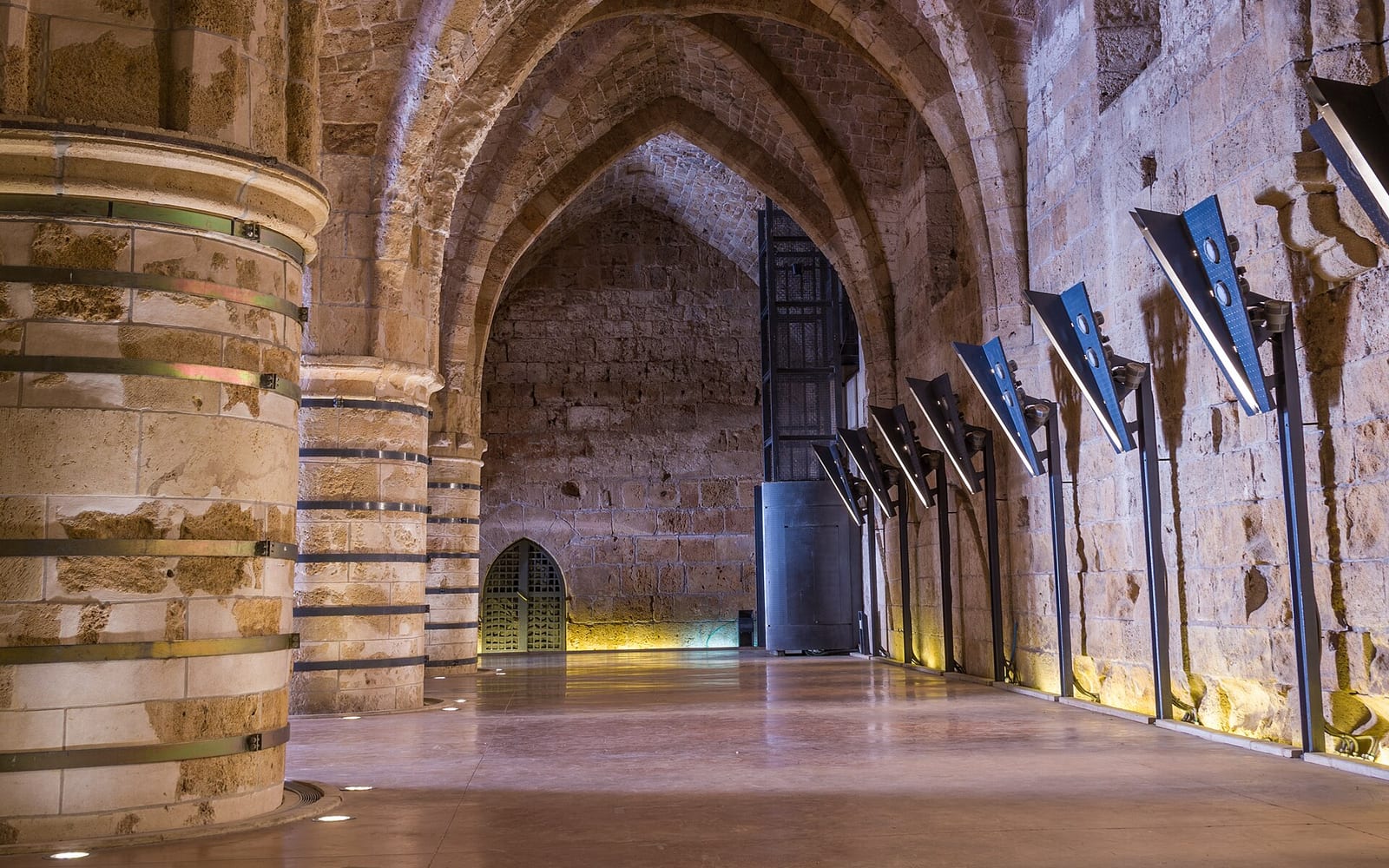
Akko’s Old City is the UNESCO-inscribed Crusader-Ottoman heritage quarter that sits on a small fortified peninsula jutting into the Mediterranean. The unusual feature is the stratigraphic intactness — the Knights Hospitaller citadel and infirmary halls survive intact beneath the modern Ottoman-era streets above, with the medieval and modern layers reachable from the same street via two short staircases. Most medieval European cities lost their underground layers to centuries of rebuilding; Akko preserved hers because the Mamluk destruction of 1291 sealed everything below grade before the Ottomans rebuilt on top in the 18th century.
This guide covers what the UNESCO inscription actually celebrates, the working bazaar that operates inside the walls today, the practical Ottoman-rampart circuit, the eating institutions inside the souq, and how the Old City sits within the wider Akko visitor map.
Need to know
| Cost | Wandering the streets, souq and ramparts is free. A combined ticket at the visitor centre covers the headline indoor sites (Hospitaller Halls, Templar Tunnel, Hamam al-Pasha, Underground Prisoners Museum). Check the official site for current prices. |
| Hours | Streets and souq are open all day; the indoor ticketed sites typically open ~09:00 and close late afternoon. Check the official site for current hours. |
| Time needed | A focused 2-hour loop covers the sea walls and souq; a full day to add the Hospitaller Halls, Templar Tunnel, Khan al-Umdan and a souq lunch. |
| Getting there | ~30 min from Haifa, ~1 hr from Caesarea. Akko is on the coastal rail line; the Old City is a walk or short taxi from the station. |
| Best time | Sunset on the western sea walls is the photographic highlight. Dawn (~06:30) at the fishing harbour for the catch landing. |
| Accessibility | Uneven stone-paved alleys, narrow lanes and several flights of steps. The sea-wall promenade and Khan al-Umdan are mostly accessible; consult the INPA accessibility guide. |
What is Akko’s Old City?
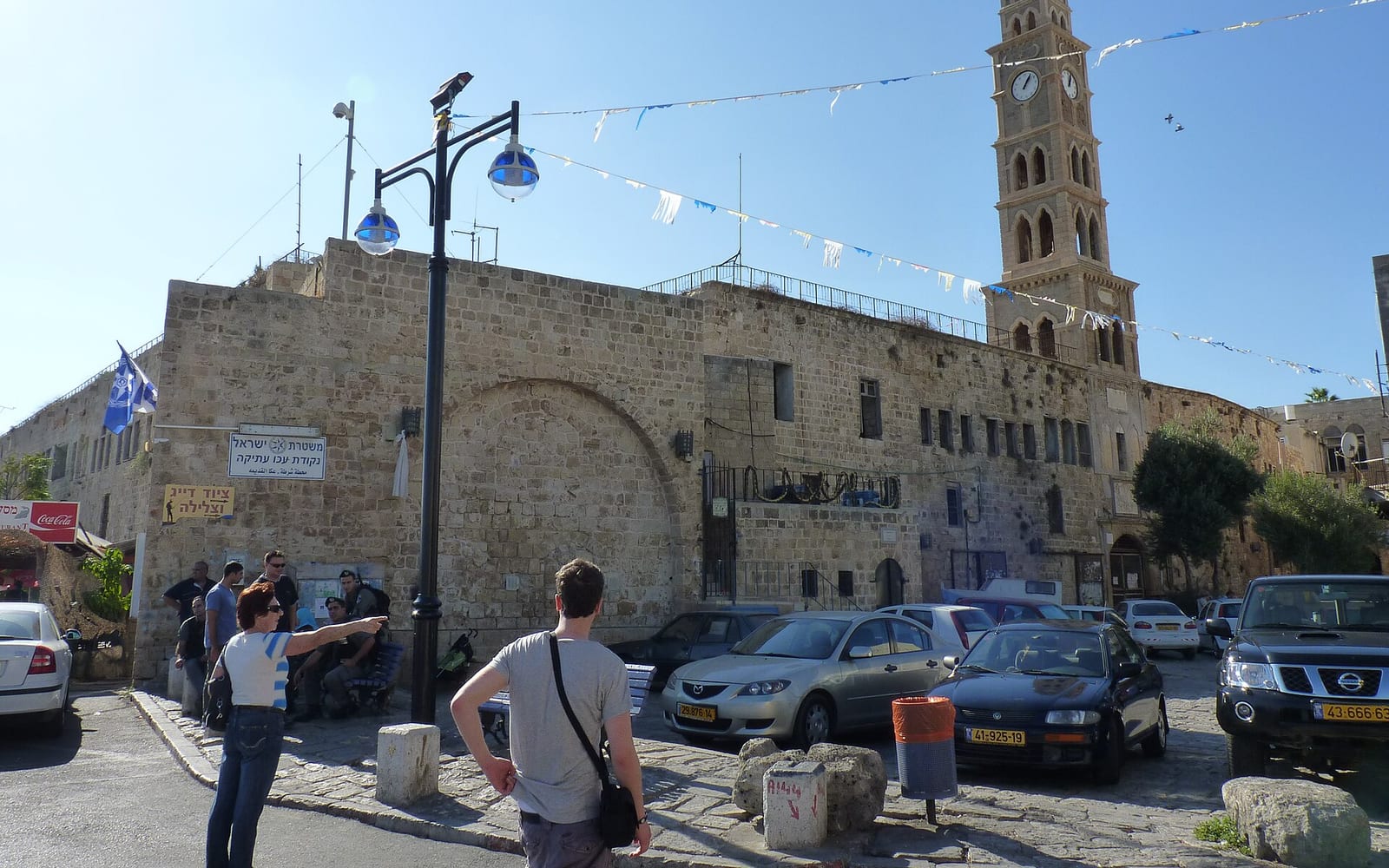
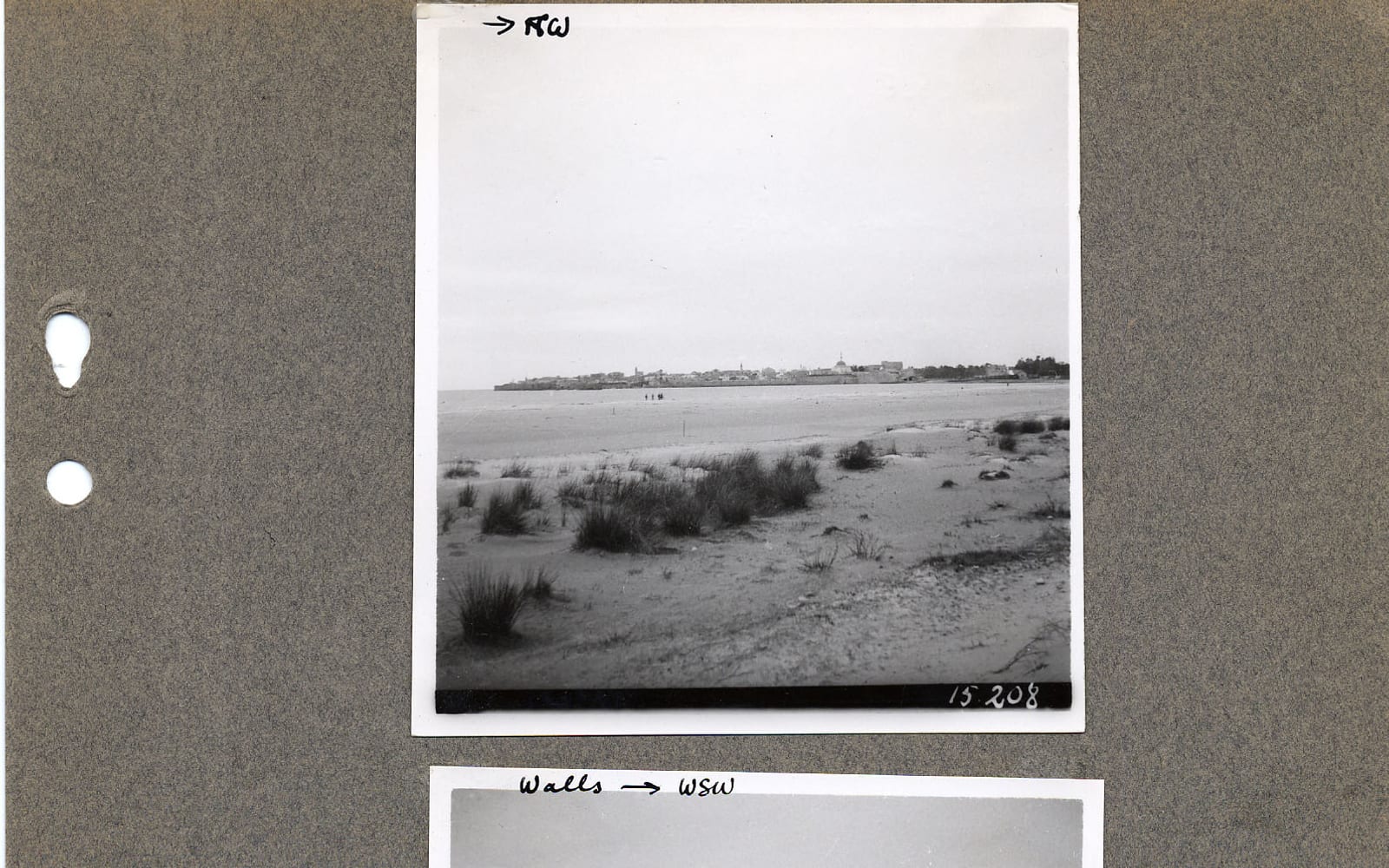
The Old City is a roughly 35-hectare fortified peninsula containing approximately fifty thousand residents — the majority Arab Muslim, with significant Arab Christian and Jewish minorities. The Ottoman walls enclose the entire historic peninsula; inside, the streets are paved in cream sandstone and follow the medieval Crusader spine adapted by Ahmed Pasha al-Jazzar in the 18th century. UNESCO inscribed the Old City in 2001 specifically for the layered, continuously inhabited quality of the site — this is not a museum-frozen archaeological park (like Caesarea) but a working neighbourhood that happens to have a complete 12th-century Crusader citadel under its main street.
Walking the Ottoman Ramparts
The rampart walking circuit is the natural orientation visit. Start at the eastern Land Gate (Ahmed Pasha al-Jazzar’s main land entrance), climb to the rampart, and walk anticlockwise around the peninsula to the western Sea Gate at the seaward extremity. The full circuit takes about 90 minutes and includes:
- The northern wall facing the modern town — the highest section, built up to 12 metres thick at the base; this is what stopped Napoleon’s 1799 siege.
- The western sea wall — the photographic highlight at sunset; sandstone glowing in the western light, fishing boats below, the modern marina visible to the south.
- The El-Jazzar Mosque dome visible from above — the white-domed mosque that anchors the Old City skyline.
The ramparts are signed in English, Hebrew and Arabic.
The Souq
The souq runs along the historical commercial spine — fishmongers, produce stalls, kosher butchers next to Arab-Christian butchers, sweets shops selling knafeh (warm cheese pastry soaked in sugar syrup, finished with crushed pistachio), and the famous hummus institutions where queues form by 11:00.
Hummus Said is the institution — a small storefront where the proprietor closes when the pot is empty (usually 14:00). Cash only, no reservations, sit elbow-to-elbow with locals on plastic stools. The texture is tahini-rich, served warm with a basket of warm pita and pickles. The institution character is the draw; the queue is part of the experience.
The Saturday morning market is one of the few moments in Israel where the daily-life coexistence is structurally legible — Jewish-owned shops are closed for Shabbat while Arab vendors keep full hours; the bazaar atmosphere is unchanged from a weekday because the majority population are Arab residents. Sunday morning reverses the pattern, with Arab Christian families heading to morning church services at the small churches inside the walls.
Notable Sites Inside the Walls
Beyond the dedicated headline sub-destination pages (Hospitaller Knights’ Halls, Templar Tunnel, Khan al-Umdan), the Old City contains several smaller anchors worth a slow walk:
- El-Jazzar Mosque (1781) — the largest mosque in Israel outside Jerusalem, built by Ahmed Pasha al-Jazzar on the foundations of an earlier Crusader cathedral. The white dome anchors the skyline; the courtyard is accessible to non-Muslim visitors outside prayer hours with modest dress.
- Acre Citadel + Underground Prisoners Museum — the Ottoman citadel housed the Acre Prison during the British Mandate; the May 1947 prison break, when Irgun fighters dynamited the wall to free 27 prisoners, is commemorated here.
- Fishing harbour — the small eastern marina is where the active artisanal fishing fleet unloads each dawn around 06:30; one of the few working fishing harbours left on Israel’s Mediterranean coast.
- Sea Mosque + Crusader Cathedral foundations — the partial archaeological remains of the Crusader Cathedral of the Holy Cross are visible at the seaward extremity of the peninsula, repurposed as the foundation of the Sea Mosque.
Practical Notes for Old City Visitors
Combined ticket at the visitor centre covers all four dedicated headline sites (Hospitaller Halls, Templar Tunnel, Hamam al-Pasha Turkish Bath, Underground Prisoners Museum) plus the rampart circuit; this is the right purchase if you plan a full-day visit. Single-site tickets exist but are not worth it.
Walking shoes are essential — the medieval alleys have uneven stone paving and several flights of steps. Avoid heeled shoes.
Respect for residents — schools, mosques, churches and family homes operate inside the walls. Photographing residents (especially women) requires permission. Mosque visiting hours exclude prayer times.
Working harbour atmosphere — the eastern marina at dawn is one of the most photogenic and authentic moments in northern Israel. Arrive by 06:30 to see the catch land and the auction begin.
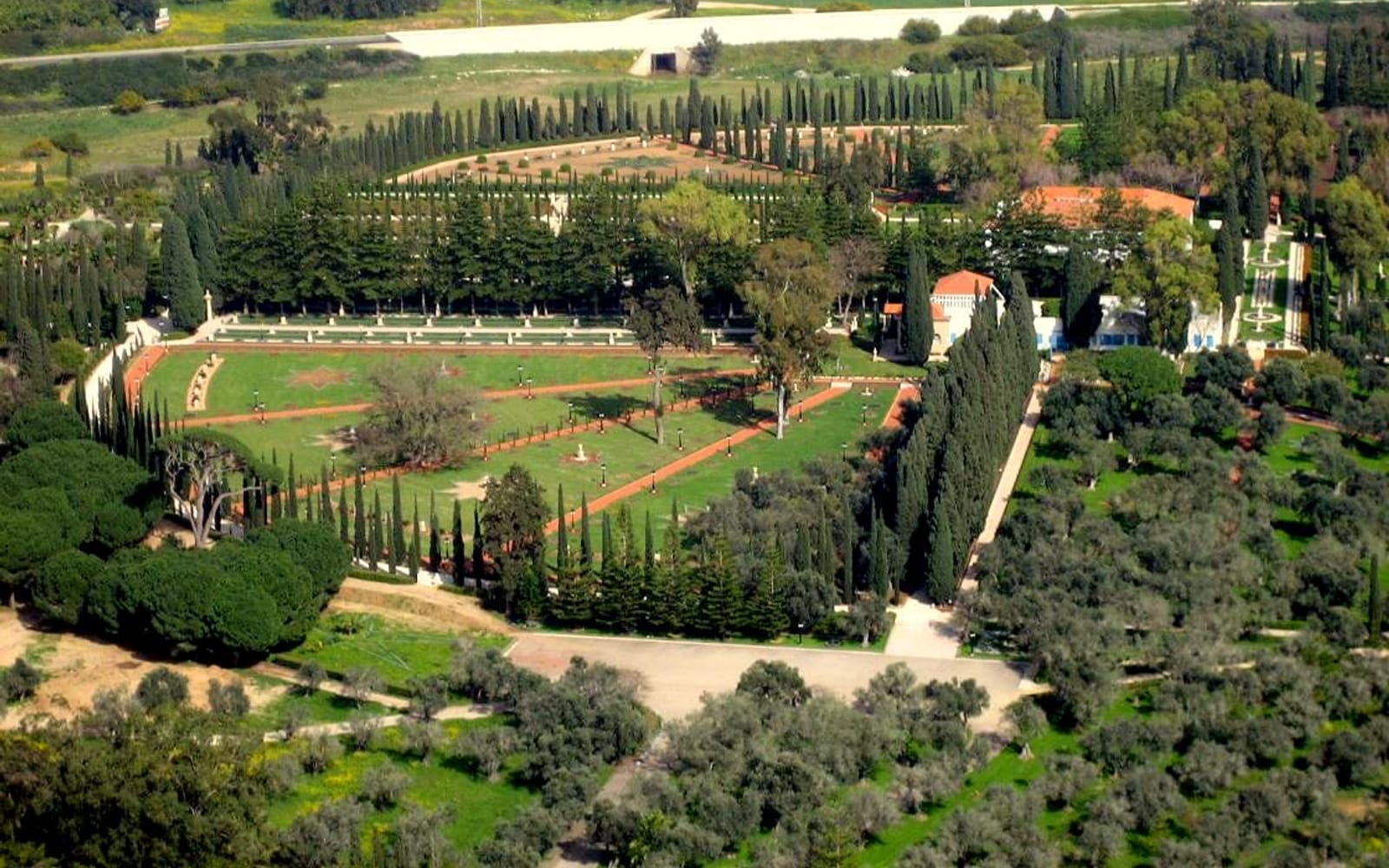
Side trip pairing — the natural pairings from the Old City are the Bahá’í Mansion of Bahjí (4km north, see the dedicated sub-destination page), and the Rosh HaNikra cliffs (30 minutes north on the Lebanon border). South-bound, Haifa is 30 minutes and Caesarea is an hour for the layered Crusader heritage day.
Frequently Asked Questions
The FAQ entries above answer the most common questions about the Akko Old City — the UNESCO inscription specifics, how long to spend, whether the souq is a tourist market or a working bazaar, walking the ramparts and accessibility. The schema-driven FAQPage at the bottom of this page surfaces these to search engines so travellers find them directly from a Google result.