Akko Old City & Knights’ Halls Tour
The Hospitaller fortress, Templar Tunnel and Turkish bazaar with a guide.
Live prices & reviews on GetYourGuide
Affiliate link — we may earn a commission at no extra cost to you.
Book nowvia GetYourGuide
Crusader port city
By The Visit Israel Editorial Team · Last updated
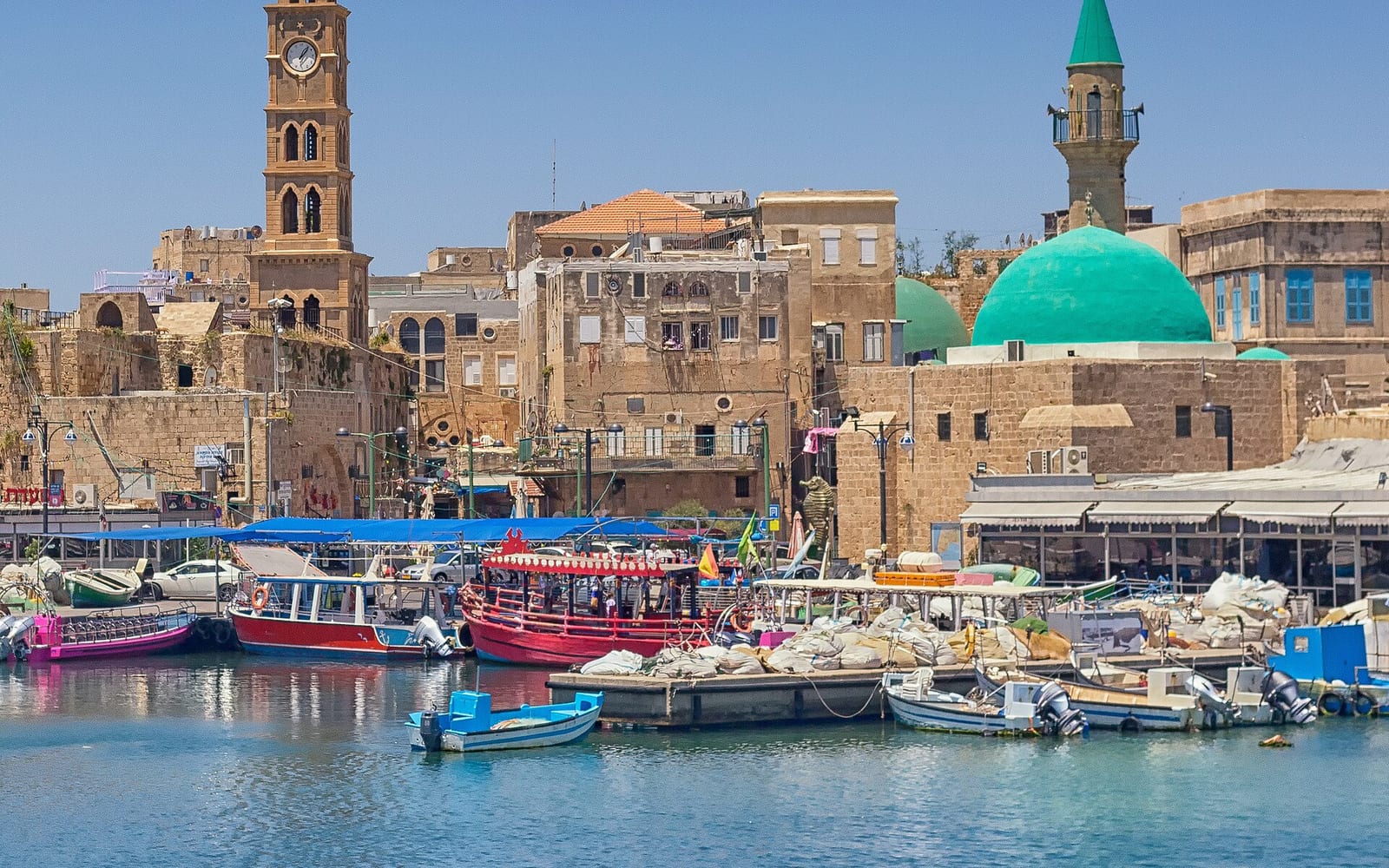
Akko (Acre) is a walled Crusader port on the northern coast and one of the most atmospheric old cities in Israel — a UNESCO World Heritage Site where an Ottoman town sits directly atop an intact medieval Crusader city. You can descend into the vast Hospitaller Knights' Halls, walk the underground Templar Tunnel to the harbour, wander the lively Turkish bazaar, visit the green-domed Al-Jazzar Mosque, and eat some of the best hummus and fresh seafood in the country along the sea walls. Compact and walkable, Akko makes a rewarding day trip from Haifa (about 30 minutes by train) or an offbeat overnight in a restored boutique hotel inside the walls. Spring and autumn are the most comfortable seasons.
Things to do
Walk Akko's UNESCO Old City — Crusader walls, Ottoman souq, fishing harbour and mixed Arab-Jewish neighbourhoods on the northern Mediterranean coast.
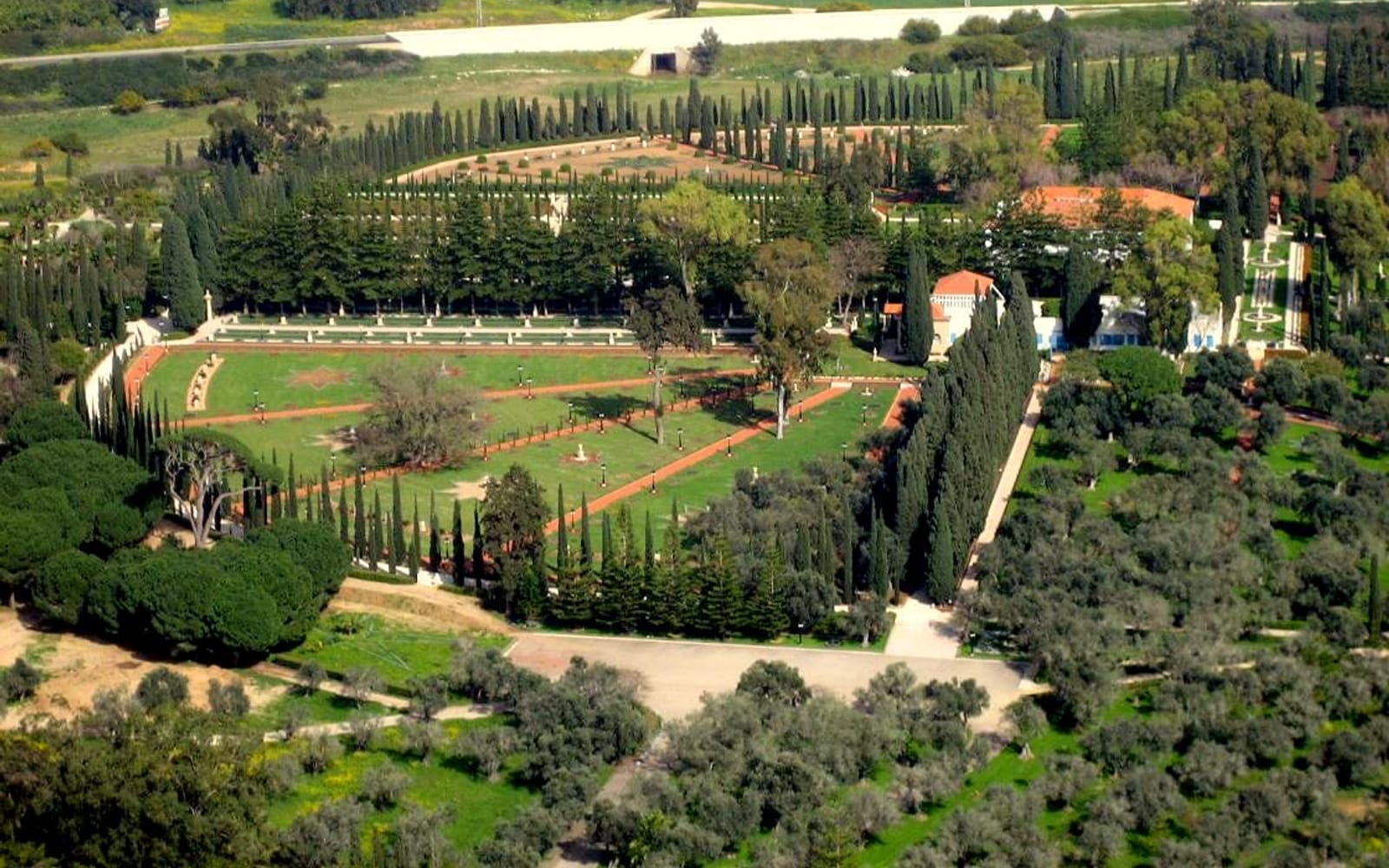
Visit the Bahá'í Mansion of Bahjí near Akko — final residence of Bahá'u'lláh and adjacent shrine; gardens public, shrine respectful for non-Bahá'í visitors.
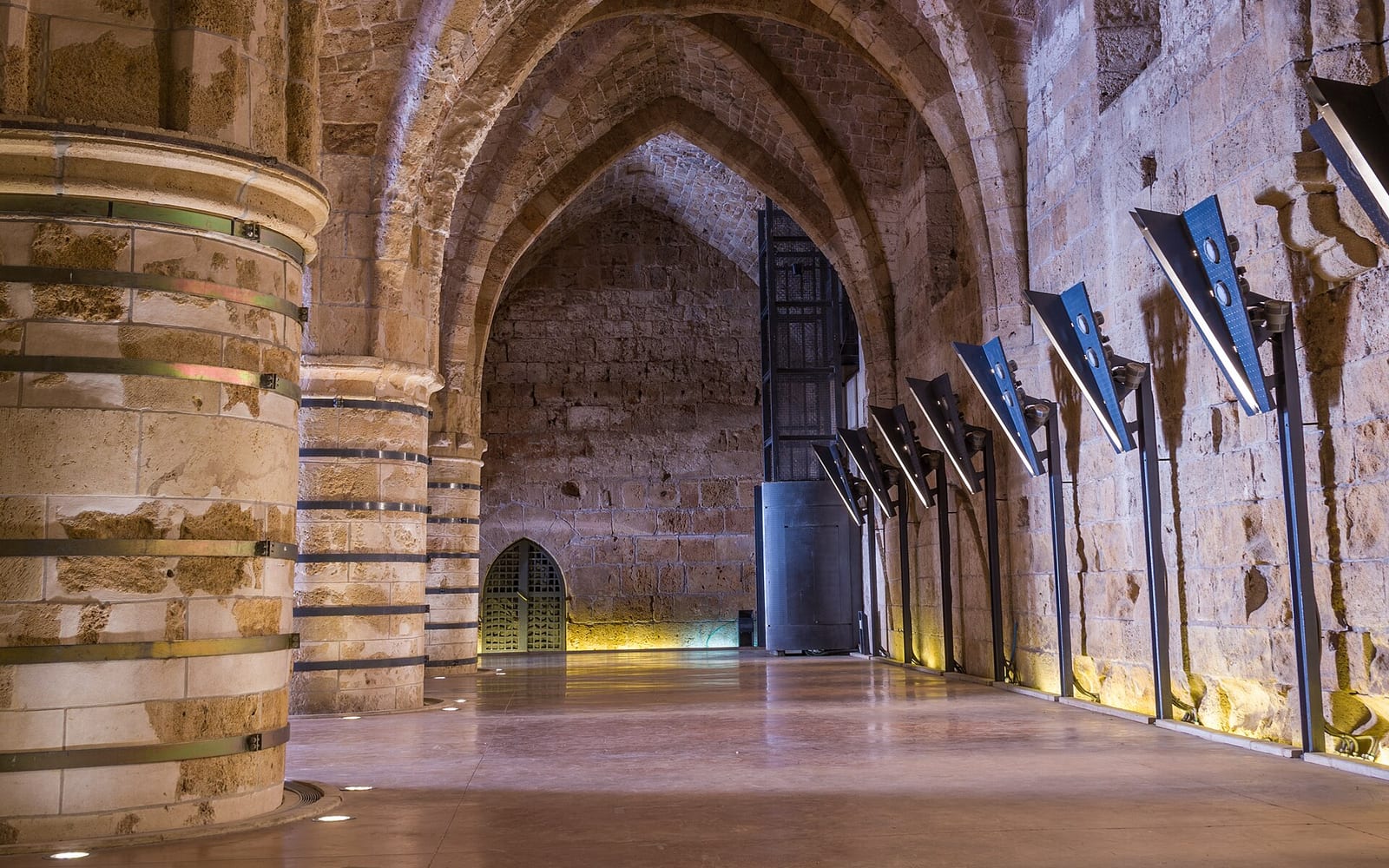
Visit Akko's Hospitaller Knights Halls — the underground 12th-century Crusader infirmary and citadel beneath the UNESCO Old City, restored in the 1990s.
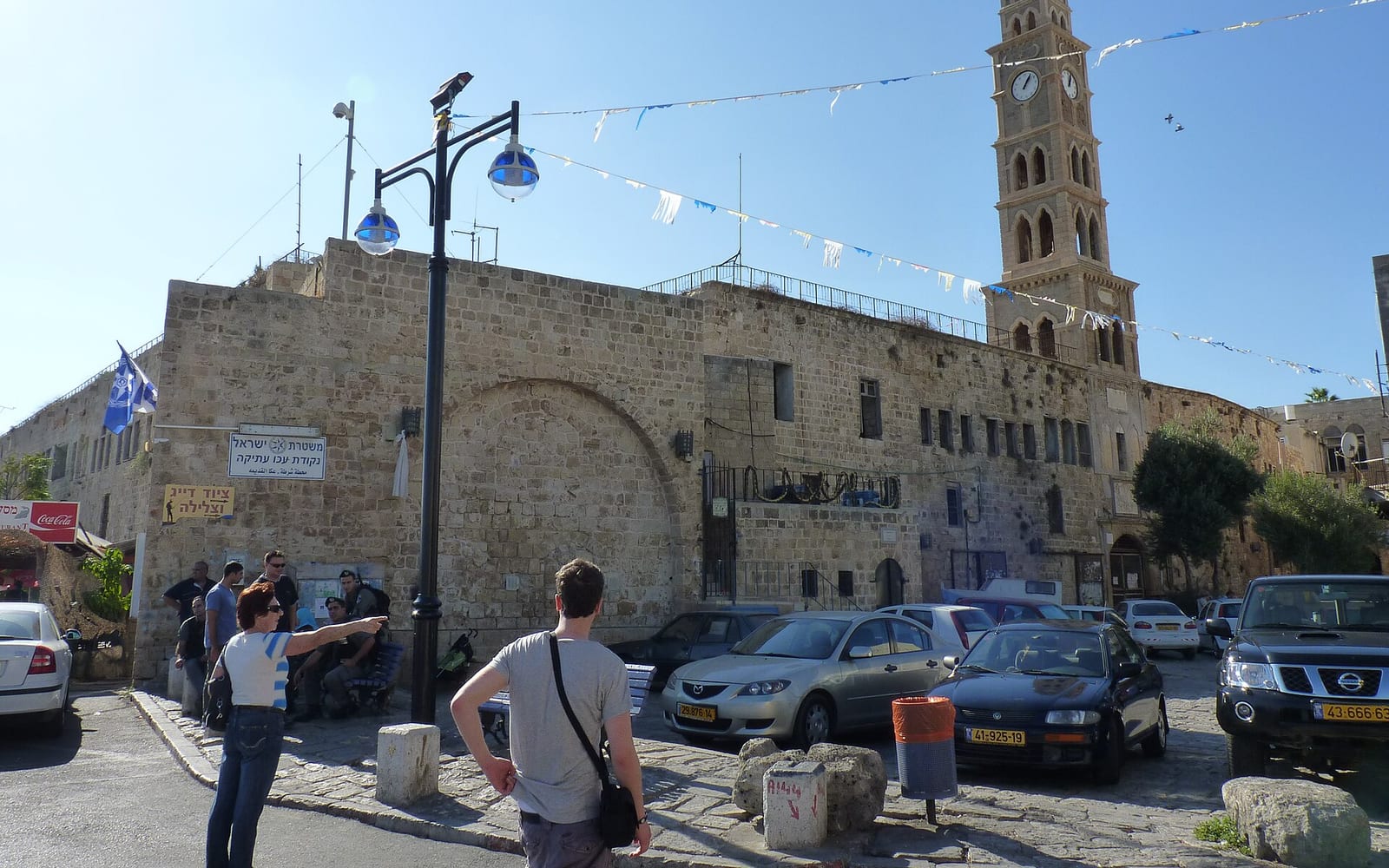
Visit Khan al-Umdan caravanserai in Akko Old City — 1785 Ottoman trading inn built by Ahmed Pasha al-Jazzar with forty granite columns and a 1906 clock tower.
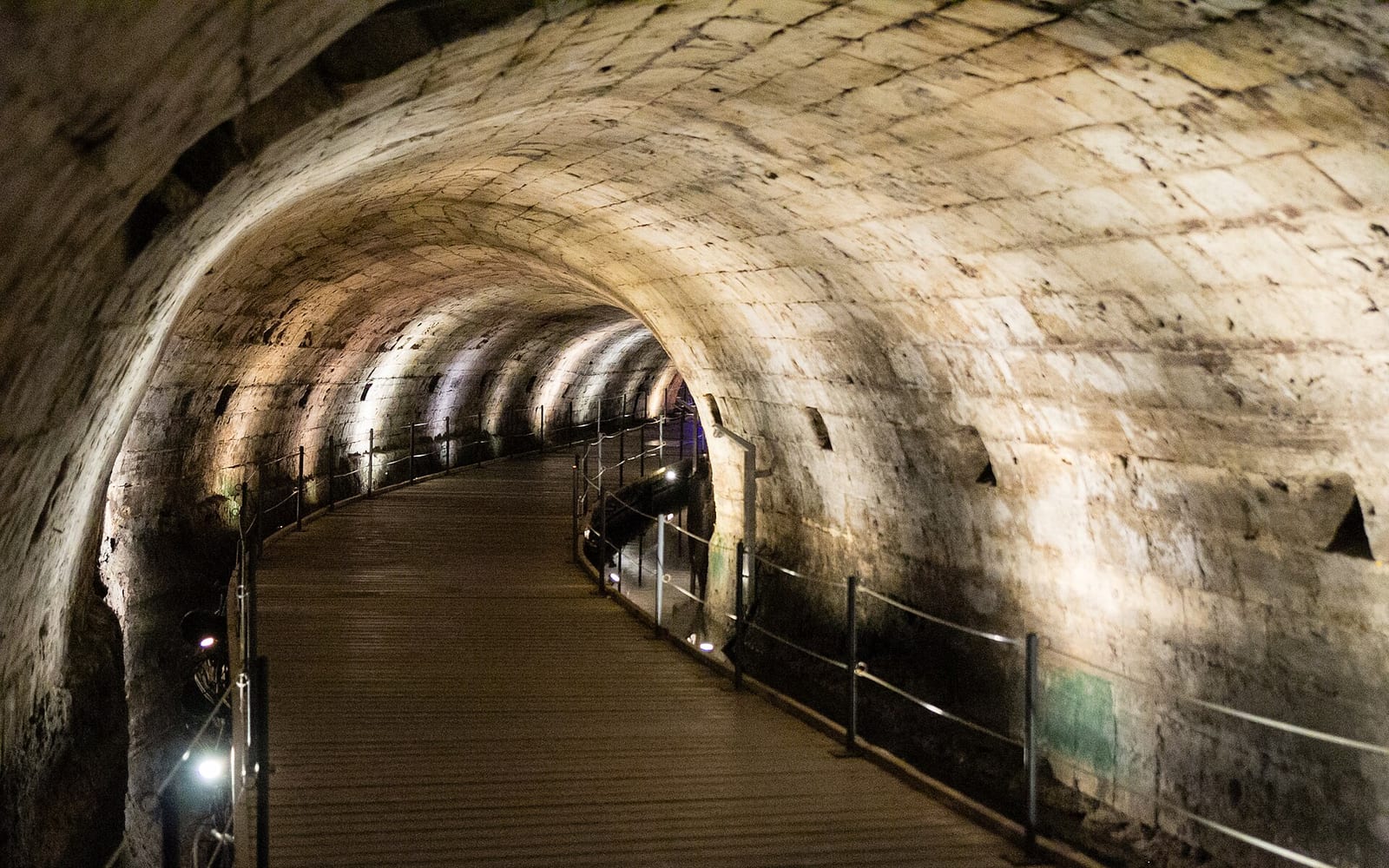
Walk Akko's 350-metre Templar Tunnel — the rediscovered 12th-century underground passage from the Templar citadel to the harbour, lit and open to visitors.
Hand-picked
The Hospitaller fortress, Templar Tunnel and Turkish bazaar with a guide.
Live prices & reviews on GetYourGuide
Affiliate link — we may earn a commission at no extra cost to you.
Book nowvia GetYourGuide
The classic northern-coast trio in one guided day from Tel Aviv.
Live prices & reviews on GetYourGuide
Affiliate link — we may earn a commission at no extra cost to you.
Book nowvia GetYourGuide
Taste hummus, knafeh and fresh seafood through the old-city market.
Live prices & reviews on Civitatis
Affiliate link — we may earn a commission at no extra cost to you.
Book nowvia Civitatis
Where to stay
Old City
Two restored Ottoman palaces merged into a museum-quality boutique inside the walls.
Check rates & availabilityvia Booking.com
Old City Wall
Family-run boutique built into the Crusader-era city wall.
Check rates & availabilityvia Booking.com
Old City
Atmospheric stone hotel in the heart of the old city.
Check rates & availabilityvia Booking.com
Old City
Well-located hostel a short walk from the Knights’ Halls and harbour.
Check rates & availabilityvia Booking.com
Interactive hotel map · powered by Stay22
| Season | Verdict | What to expect |
|---|---|---|
| Spring (Apr–Jun) | Best | Warm, breezy days ideal for the walls and bazaar. |
| Summer (Jul–Aug) | Hot | Hot and humid; explore early and eat by the sea. |
| Autumn (Sep–Nov) | Best | Warm sea and golden light over the harbour. |
| Winter (Dec–Feb) | Mild | Mild and quiet with occasional rain. |
Akko (Acre) is the UNESCO-inscribed Crusader Old City on Israel’s northern Mediterranean coast — a continuously inhabited mixed Arab-Jewish town where 12th-century Knights Hospitaller infirmary halls survive intact beneath the working Ottoman-era streets above. The combination is unusual: in most medieval European cities the underground layers were destroyed by rebuilding, but in Akko the Crusader citadel was sealed by the Mamluks after they conquered the city in 1291, then built over by the Ottomans in the 18th century. The 1990s restoration peeled the layers back. Today you walk through 800-year-old vaulted halls, climb stairs into a working bazaar, eat hummus next to fishing boats unloading their catch, and end the day at the Bahá’í Mansion of Bahjí four kilometres north — the holiest site in the Bahá’í Faith.
This guide covers the city’s layered history (Phoenician → Roman → Crusader → Mamluk → Ottoman → British Mandate → modern Israeli), the headline UNESCO sites (Hospitaller Knights’ Halls, Templar Tunnel, Khan al-Umdan caravanserai, Old City walls), the Bahá’í Mansion of Bahjí visit (with the same conservative photography policy as Haifa Plan 07’s Bahá’í Gardens), the day-trip pairings north to Rosh HaNikra and south to Haifa or Caesarea, and the practical logistics of an active mixed-community town.
The prime windows are spring (March to May) and autumn (October to November) — daytime highs of 22 to 28 degrees, Mediterranean coastal breeze, and the long-shadow afternoon light that flatters the cream-coloured sandstone walls for photography. The shoulder months also coincide with calmer fishing-harbour activity and shorter queues at the Hospitaller Knights’ Halls.
Summer (June to August) is hot — 29 to 33 degrees and the working bazaar in the Old City is at its busiest with both Arab and Jewish Israelis on summer holidays. The compensating advantage is that the underground Crusader halls stay naturally cool (around 18 degrees year-round), making them a literal relief from the surface heat. Mediterranean swimming is at its warmest; the Akko sea wall promenade catches the sea breeze in the late afternoon.
Winter (December to February) is mild — 15 to 18 degrees, occasional rain, and the Old City feels most authentic as a working town rather than a tourism destination. This is the photographer’s window for the Crusader walls (dramatic winter cloud light) and the quietest period inside the underground halls. The Bahá’í Mansion of Bahjí is closed to non-Bahá’í visitors during a longer winter pilgrimage window — check before travelling.
The single most useful editorial note: the Old City is a living urban environment with around fifty thousand residents (majority Arab Muslim, significant Arab Christian and Jewish minorities) — not a curated heritage site. The souq sells fish and produce to locals; the schools above the Knights’ Halls operate on weekdays; the fishing boats unload at dawn. Tourists walk through people’s daily life. Treat the visit as you would walking through a working neighbourhood in any other city — respectful, curious, not as if visiting a stage set.
Akko has a small but growing boutique-hotel cluster inside the Old City walls — including the upscale Akkotel (a restored Ottoman-era building) and the Efendi Hotel (two adjacent Ottoman houses owned by Israeli chef Uri Buri, restored over seven years). Both sit inside the UNESCO inscription zone and offer the rare experience of waking up inside the medieval city. Outside the walls, a handful of business hotels serve the modern town. Most international visitors who plan a north-coast itinerary base in nearby Haifa (twenty-five minutes south) for the wider hotel range, then visit Akko as a full-day excursion.
The Old City’s UNESCO highlights are dense enough to fill a full day. These five experiences are the structural anchor of any first visit.
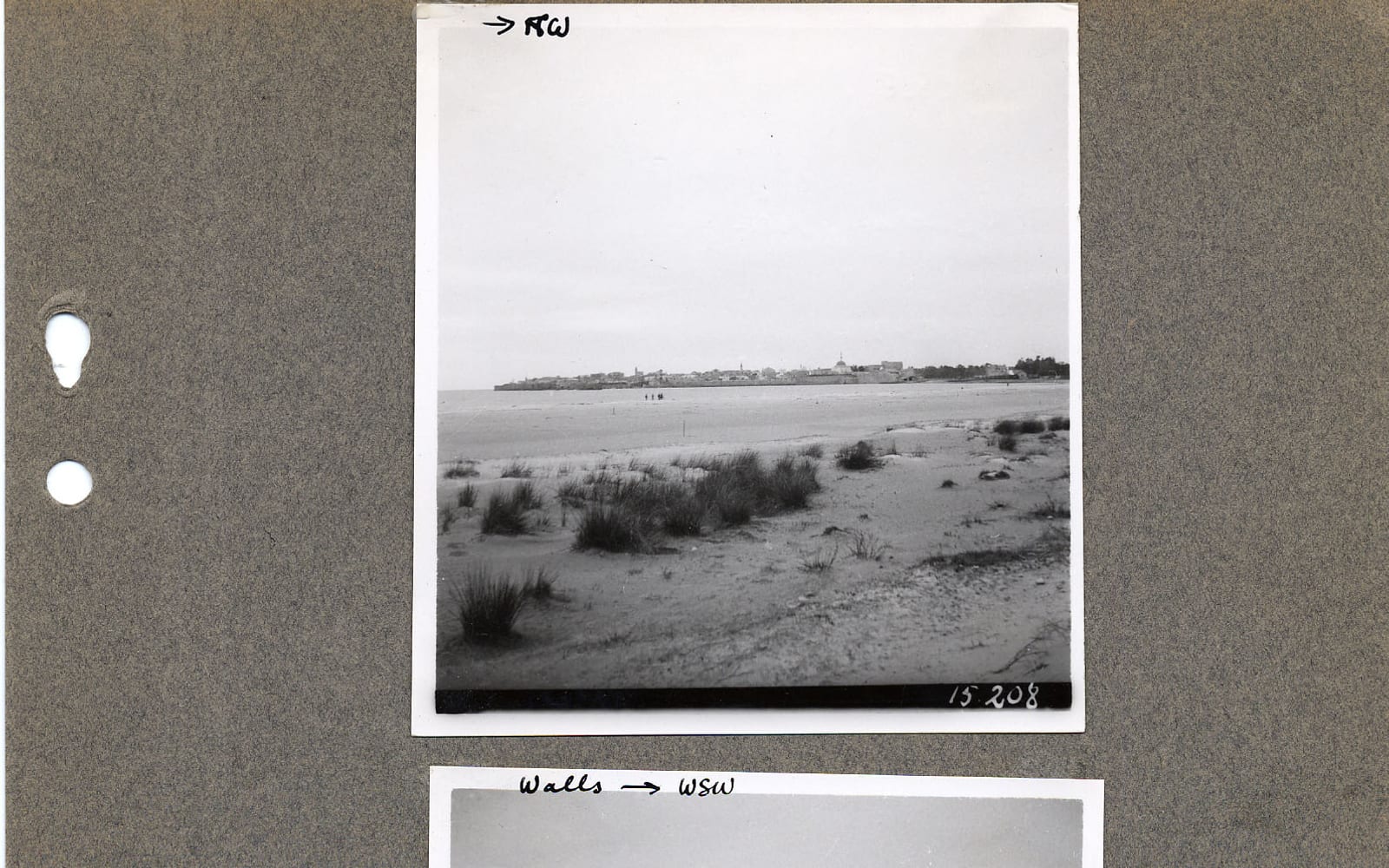
The Old City of Akko is the UNESCO 2001 inscription — a fortified peninsula jutting into the Mediterranean, surrounded by 18th-century Ottoman walls (Ahmed Pasha al-Jazzar’s reinforcement of earlier Crusader fortifications). Inside the walls, the working bazaar runs along the historical commercial spine — fishmongers, produce stalls, kosher and Arab-Christian butchers side by side, sweets shops selling knafeh, and the famous hummus institutions where the queues form by 11:00. The walking circuit from the eastern Land Gate around to the western Sea Gate via the Ottoman ramparts takes 90 minutes and gives the best orientation. The sea walls themselves are an attraction at sunset — locals walking dogs, fishermen mending nets, sandstone glowing in the western light.
The Hospitaller Knights’ Halls are the headline UNESCO visit — the underground citadel and infirmary complex of the Knights Hospitaller (Knights of St John), built between 1104 and 1291 when Akko was the Crusader Kingdom’s most important port and, after Jerusalem fell to Saladin in 1187, its de facto capital. The Knights Hospitaller were the medical order — their infirmary at Akko could accommodate around two thousand patients, making it the largest hospital in the medieval Mediterranean. The vaulted halls, refectory, columned crypt and prison cells are all walkable on a self-guided audio circuit or a guided tour. Restoration began in the 1950s and accelerated in the 1990s; the multimedia layer projected onto the vault walls animates the daily Hospitaller routine. Allow 90 minutes minimum.
The Templar Tunnel is a 350-metre underground passage cut through the bedrock by the Knights Templar in the 12th century, connecting their citadel on the western edge of the Old City to the harbour. It allowed people and goods to be moved discreetly out of sight of the wider town. The Templars (Knights of the Temple of Solomon) were the more militant Crusader order, and their southern Akko citadel was a fortified compound at the seaward extremity. The tunnel was forgotten after the Mamluk destruction of 1291 and rediscovered only in 1994 during a sewage-system survey. Today a wooden walkway lets visitors walk the full length end-to-end (around 15 minutes plus stops). Cool in summer, dry in winter, photogenic any time.
Khan al-Umdan (“Inn of the Columns” or “Caravanserai of the Pillars”) is the most photogenic of the Ottoman-era structures in the Old City — a 1785 caravanserai built by Ahmed Pasha al-Jazzar, governor of the Ottoman province that included Akko. The square courtyard, surrounded by two storeys of vaulted rooms and supported on forty granite columns scavenged from Roman Caesarea, was the trading hub for caravans arriving overland from Damascus. The clock tower added by Sultan Abdul Hamid II in 1906 still keeps the hour. Walk through to absorb the scale; restoration is ongoing and the upper galleries periodically host exhibitions. The adjacent Hamam al-Pasha is the restored Ottoman Turkish Bath — a thirty-minute museum visit with a multimedia narrative voiced by a fictional last-bath-attendant. The combined ticket includes both.
The Bahá’í Mansion of Bahjí is four kilometres north of Akko’s Old City and is the holiest site in the Bahá’í Faith — the final residence of Bahá’u’lláh, the religion’s founder, who lived here from 1879 until his death in 1892. His shrine is adjacent to the mansion. The Bahá’í World Centre at Haifa (see our Haifa travel guide for the related Bahá’í Gardens cascading down Mount Carmel) is the administrative seat; Bahjí is the spiritual pilgrimage destination.
For visitors, the gardens and architectural terraces are open on a controlled-tour basis with conservative photography rules: architectural shots welcome, no photography of pilgrims or worshippers. This is the same Bahá’í International Community policy that governs the Haifa Bahá’í Gardens — both visits follow identical respectful protocols. The Shrine of Bahá’u’lláh interior is closed to non-Bahá’í visitors during pilgrimage hours and opens only at limited windows for respectful architectural viewing. Modest dress is required (covered shoulders, long trousers or skirts).
The bus from Akko to Bahjí runs hourly; a taxi takes ten minutes. Combine with the Old City for a full day. The Bahá’í pilgrimage calendar (April and October peak periods) reduces public visiting hours — check the official Bahá’í World Centre website before planning your day.
The Old City is a stratigraphic record of seven historical periods, each leaving visible building stones:
The Rosh HaNikra grottoes sit at the Lebanon border at the cliff edge where the Galilee meets the Mediterranean. A cable car descends to the sea-carved white chalk caves; the visit takes about 90 minutes. The drive from Akko follows the coast road north past banana plantations.
Nahariya is the small coastal town just north of Akko with the family-friendly Mediterranean beach. Suited to a half-day swim + lunch on the boardwalk.
The full Haifa visit (Bahá’í World Centre, German Colony, Stella Maris Carmelite Monastery, Wadi Nisnas) deserves a separate day — see our Haifa travel guide. The Bahá’í Gardens here cascade down Mount Carmel and complete the pair with the Mansion of Bahjí at Akko.
International flights to Israel land at Ben Gurion International Airport (TLV) near Tel Aviv. From there, three options reach Akko.
Israel Railways is the easiest option — coastal line from Tel Aviv with a stop at the Akko station, a 10-minute walk to the Old City Land Gate. Trains run hourly. Rental car gives flexibility to combine Akko with Haifa, Caesarea or Rosh HaNikra on the same day. Organised day tour is the simplest if you want a guided narrative; the trade-off is the fixed itinerary.
Akko’s food scene is built on two anchors: the famous hummus institutions in the Old City, and the port-side seafood along the modern marina.
Hummus Said is the institution — a small storefront in the souq where the queue forms by 11:00 and the proprietor closes when the pot is empty (usually 14:00). Tahini-rich, warm, served with a basket of warm pita and pickles. Cash only, no reservations, sit elbow-to-elbow with locals. Uri Buri is the celebrated seafood restaurant on the seaward side of the Old City — Israeli-Arab chef Uri Buri’s restaurant is widely cited as one of the best seafood kitchens in the eastern Mediterranean.
Arab-Israeli sweets: the Old City has half a dozen knafeh shops (warm cheese pastry soaked in sugar syrup, finished with crushed pistachio) — the queue tells you which is the locals’ favourite. The Saturday morning market is one of the few places in Israel where Jewish and Arab vendors share the same alleys.
Port-side seafood: the modern marina has a row of sit-down restaurants with sea views — mid-to-high price, suitable for a celebratory lunch after the underground tour.
Combined ticket for the Old City covers the Hospitaller Knights’ Halls + Templar Tunnel + Hamam al-Pasha Turkish Bath + Underground Prisoners Museum + entry to the city walls walking route. This is the right purchase; individual tickets are not worth it.
Bahá’í Mansion of Bahjí: check official Bahá’í World Centre visiting hours before going (closed to non-Bahá’í visitors during pilgrimage hours; April and October pilgrimage peak periods reduce the public window significantly). Modest dress required. No photography of pilgrims or worshippers.
Old City alleys are narrow — wear walking shoes (sandstone underfoot, occasionally uneven). The Old City is a continuous urban environment; respect residents’ privacy when walking past schools, mosques and homes.
Underground halls stay cool — the Hospitaller Halls and Templar Tunnel are around 18 degrees year-round, so bring a light layer in summer. Photography permitted; tripods only on the larger circuits.
Working harbour — the fishing boats unload at dawn. If you can be at the eastern marina by 06:30, you’ll see the catch coming in, the auction in front of the small mosque, and the boats heading back out. This is one of the few working artisanal fishing harbours left on the eastern Mediterranean.
Mixed-community respect — Akko is daily-life coexistence between Arab Muslim, Arab Christian and Jewish Israeli residents. Observe the rhythm: Friday afternoons the mosques fill, Friday evening shops on Jewish streets close for Shabbat, Sunday morning the Arab Christian churches hold services. None of this is performed for tourists; it is the city’s actual life.
Travel insurance — standard travel insurance covers Akko without restrictions (no border-crossing complications; Lebanon border is closed at Rosh HaNikra, so day-trip to the grottoes is on the Israeli side only).
The FAQ entries above answer the most common questions about visiting Akko — the Akko vs Acre dual-naming question, how long to spend, how to get from Tel Aviv, the UNESCO inscription specifics, the Bahá’í Mansion visiting rules, the safety question for mixed Arab-Jewish neighbourhoods, the difference between the Hospitaller Knights’ Halls and the Templar Tunnel, and the best time of year for a visit. The schema-driven FAQPage at the bottom of this page surfaces these to search engines so travellers find them directly from a Google result. If your question is not covered, the contact page is the right next step.
Both names are used internationally. **Akko** is the modern Hebrew toponym (עכו) and the official Israeli name. **Acre** is the historical English toponym used by Crusader chroniclers, Ottoman traders and British Mandate administrators. On this guide we use **Akko (Acre)** on first reference and then **Akko** primarily — the city itself uses both forms on signage, with Akko on Hebrew signs, Akka in Arabic (عكا) and Acre on tourist brochures aimed at English-speaking visitors.
A full day works well — the UNESCO Crusader Old City is dense enough that you can spend three hours underground in the Hospitaller Knights' Halls and the Templar Tunnel, two more hours in the souq + Khan al-Umdan + Ottoman walls, and an hour visiting the Bahá'í Mansion of Bahjí four kilometres north. Two days are needed if you want to add a working day at the Akko port (fishing harbour, seafood lunch) or a side trip to Rosh HaNikra grottoes on the Lebanon border thirty minutes north.
The fastest option is Israel Railways — Tel Aviv Hagana or Savidor Center to Akko station in about 90 minutes (direct coastal line). The station is a ten-minute walk to the Old City entrance. By car, the drive is about 100 kilometres on Highway 2 (Tel Aviv–Haifa coastal highway) then Highway 4 north of Haifa, around 90 minutes outside rush hour. Civitatis and Viator both run Akko + Haifa + Rosh HaNikra day tours from Tel Aviv (pickup ~08:00, return ~18:30).
The Old City of Akko was inscribed by UNESCO in 2001 as a layered Crusader–Ottoman heritage city. The unusual feature is the **continuous habitation** — the Crusader-era citadel and Hospitaller infirmary halls survive intact beneath the modern Ottoman-era streets above. You can walk through the 12th-century Knights' Halls and then climb up to a working Ottoman street with shops, schools and Arab-Israeli families living above them. UNESCO recognised the rare stratigraphic intactness — most medieval European cities lost their underground layers to rebuilding.
The architectural gardens and public terraces of the Bahá'í Mansion of Bahjí are open to all visitors on a controlled-tour basis, four kilometres north of the Old City. The Shrine of Bahá'u'lláh — the holiest site in the Bahá'í Faith — is closed to non-Bahá'í visitors during pilgrimage hours, opening only at limited windows for respectful architectural viewing. Modest dress required (covered shoulders, long trousers or skirts). Photography of the gardens and exteriors is welcome; no photography of pilgrims or worshippers per the Bahá'í International Community policy. See our Haifa travel guide for the related Bahá'í Gardens at the World Centre.
Akko is safe for tourists. The Old City is a continuously inhabited urban environment, not a museum — around fifty thousand residents call it home, the majority Arab Muslim with significant Arab Christian and Jewish minorities. Tourists walk through working bazaars, fishing wharves and residential alleys all day. Standard travel-safety practice (mind your wallet in crowds; be respectful in residential areas; observe Ramadan or other religious calendars if visible). The coexistence is the daily reality, not a curated experience.
They are two separate Crusader military orders that headquartered in Akko after Jerusalem fell to Saladin in 1187. The **Knights Hospitaller** (Knights of St John) operated the underground citadel and infirmary halls beneath the modern Old City — restored in the 1990s and the headline UNESCO visit. The **Knights Templar** built a 350-metre secret underground tunnel from their citadel to the harbour, used for moving people and goods in safety. The Templar Tunnel was rediscovered in 1994. Both visits are included in the Old City combined ticket.
Spring (March to May) and autumn (October to November) are best — daytime highs of 22 to 28 degrees, Mediterranean coast wind keeping things comfortable, and the long-shadow afternoon light that flatters the sandstone walls for photography. Summer is hot (29 to 33 degrees, busy beaches) but the underground Crusader halls stay cool and the working harbour is at its liveliest. Winter is mild (15 to 18 degrees, occasional rain) — quietest for archaeology, dramatic light for photography, and most authentic for experiencing the Old City as a working town rather than a tourism destination.
Israel's spiritual heart
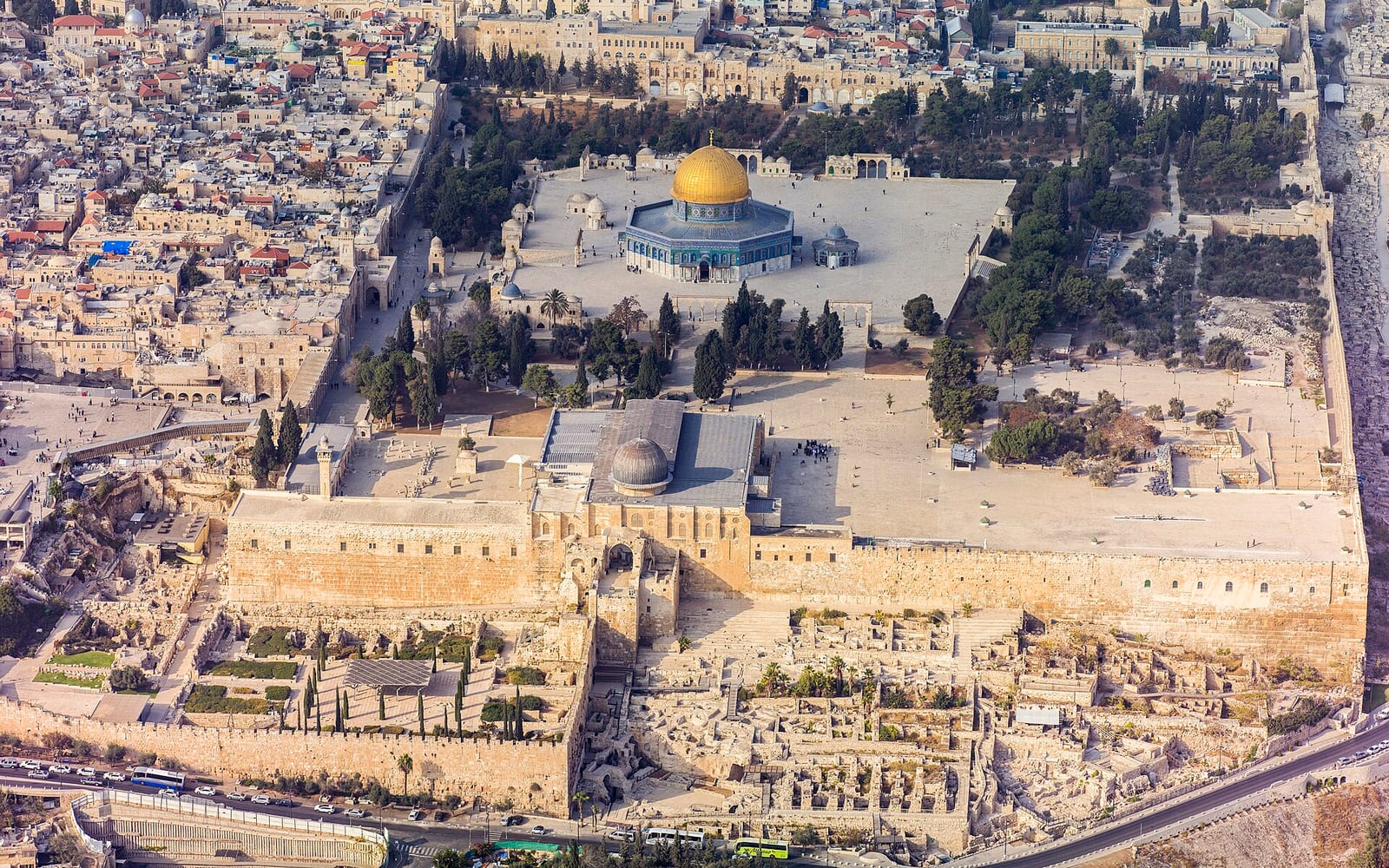
Old City quarters, the Western Wall and the Church of the Holy Sepulchre, with day trips to the Dead Sea.
Explore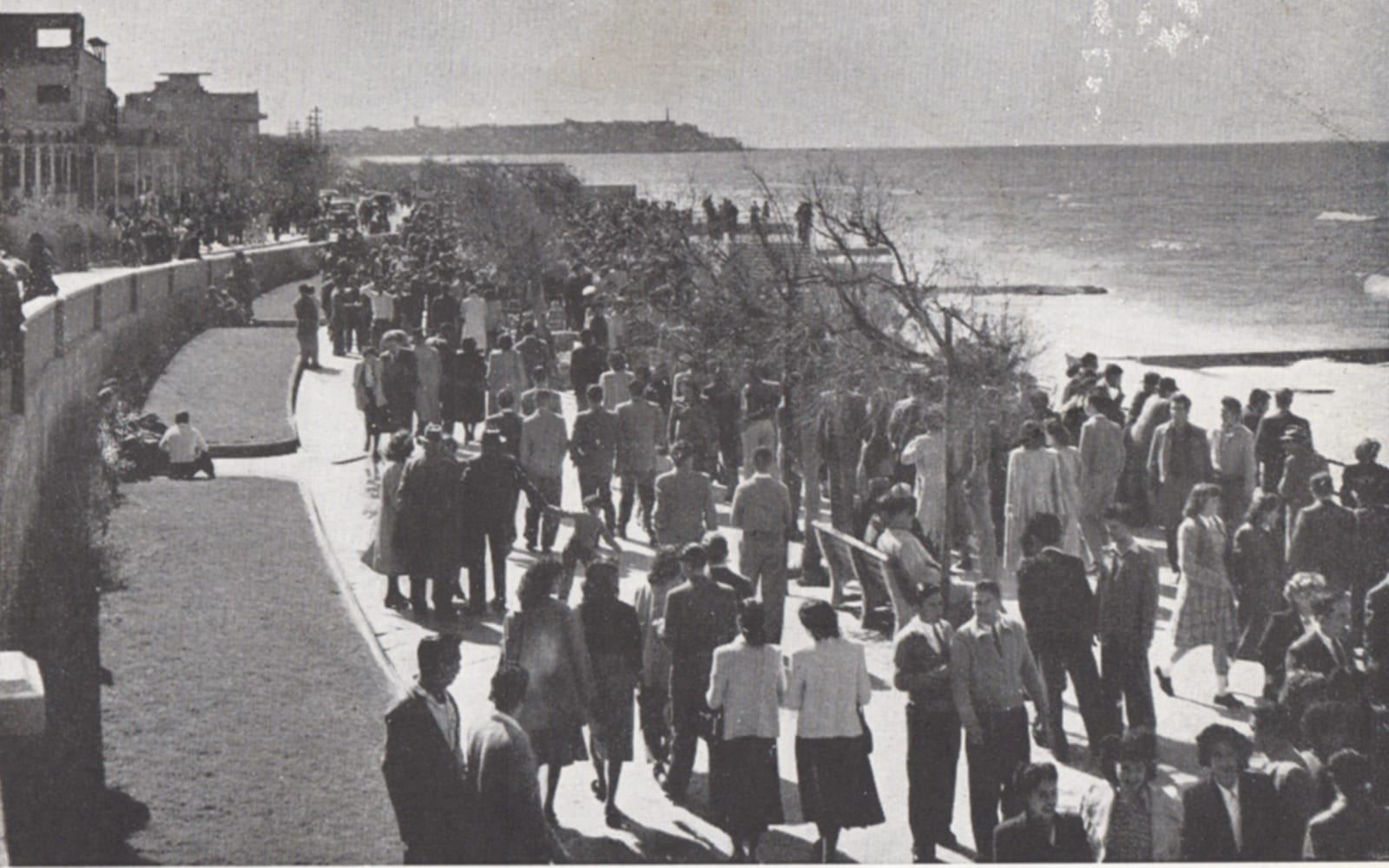
Mediterranean cool
Golden beaches, Bauhaus architecture and a 24-hour food, art and nightlife scene.
Explore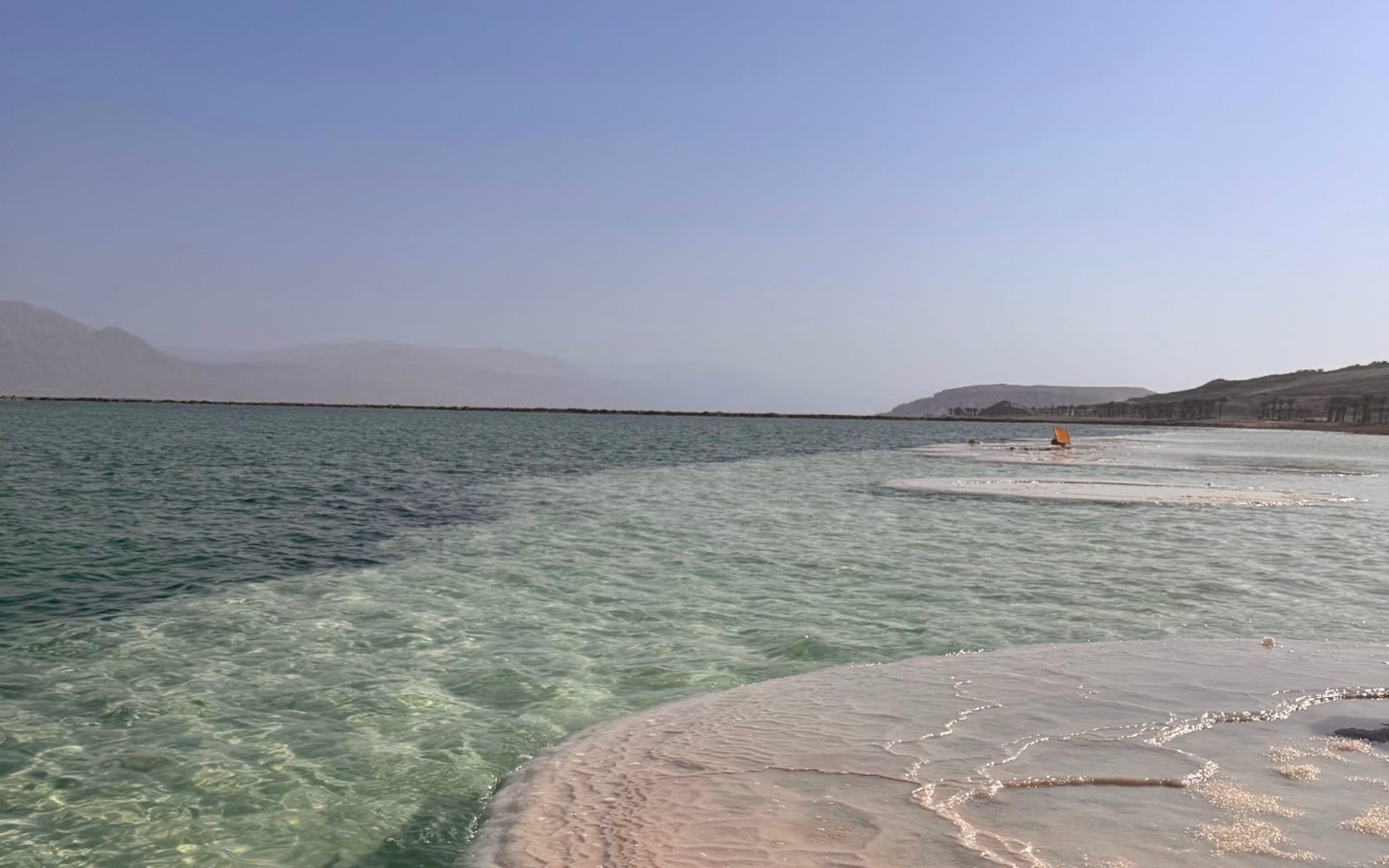
The lowest place on Earth
Float on mineral-rich water, climb Masada at sunrise and hike the Ein Gedi oasis.
ExploreBy The Visit Israel Editorial Team · Last updated