Caesarea, Haifa & Akko Day Tour
Roman Caesarea, the Bahá’í Gardens and Crusader Akko in one guided day.
Live prices & reviews on GetYourGuide
Affiliate link — we may earn a commission at no extra cost to you.
Book nowvia GetYourGuide
Roman ruins by the sea
By The Visit Israel Editorial Team · Last updated
Caesarea Maritima is one of Israel's most spectacular archaeological sites — a grand Roman port city built by Herod the Great in the 1st century BCE, now a national park spread along the Mediterranean coast between Tel Aviv and Haifa. You can watch the sea break against a restored Roman theatre that still hosts concerts, walk the hippodrome and Herod's cliff-edge palace, explore the Crusader fortress and harbour, and snorkel an underwater archaeological park. North of the ruins, a high-arched Roman aqueduct runs straight along a golden beach — one of the country's most photogenic spots. Caesarea is an easy half-day from Tel Aviv, Haifa or Netanya and pairs well with Akko and Haifa on a northern coastal day trip.
Things to do
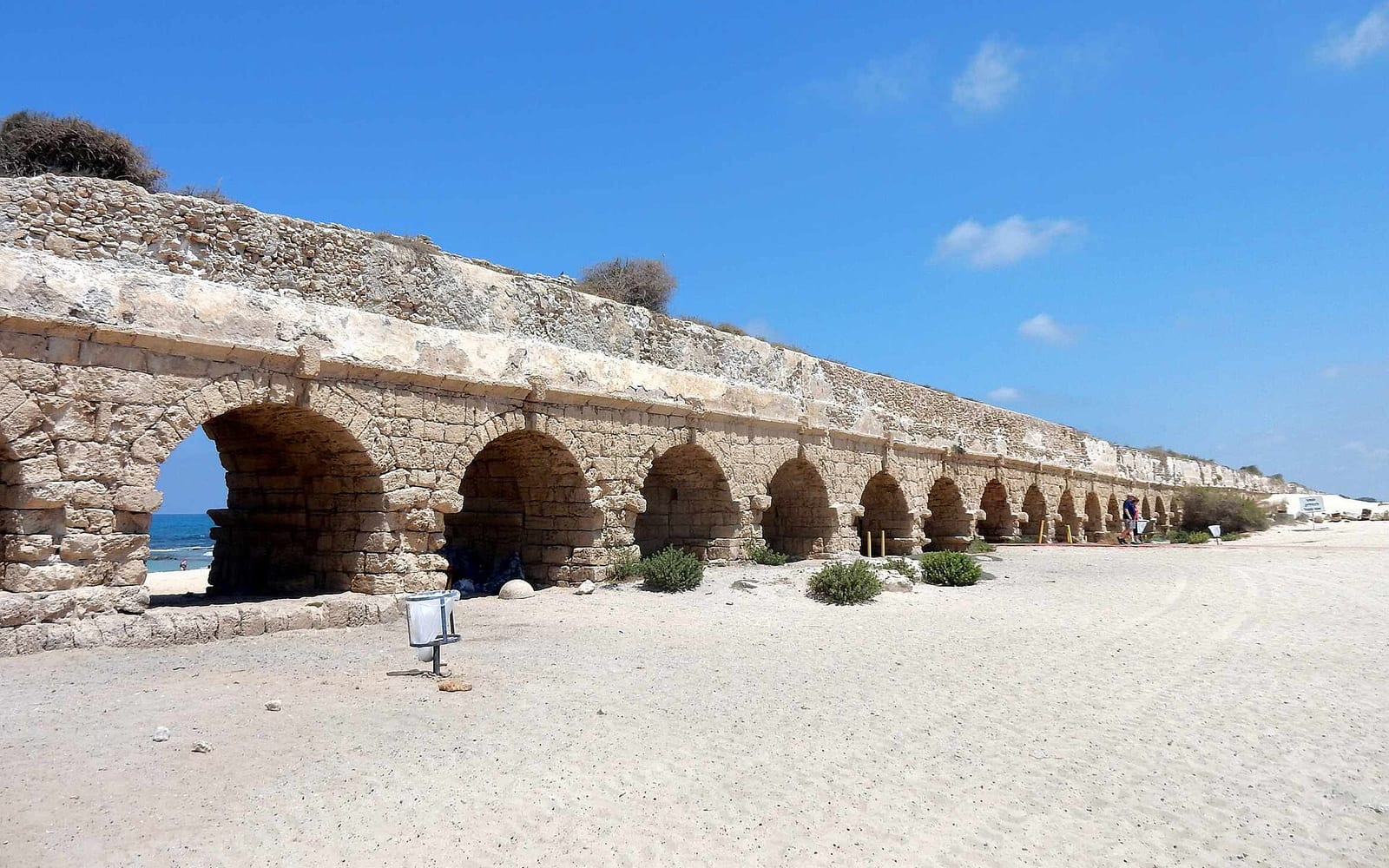
Swim at Caesarea Aqueduct Beach — open Mediterranean coast directly beneath the surviving 2nd-century Roman aqueduct arches; free public beach, no fee.
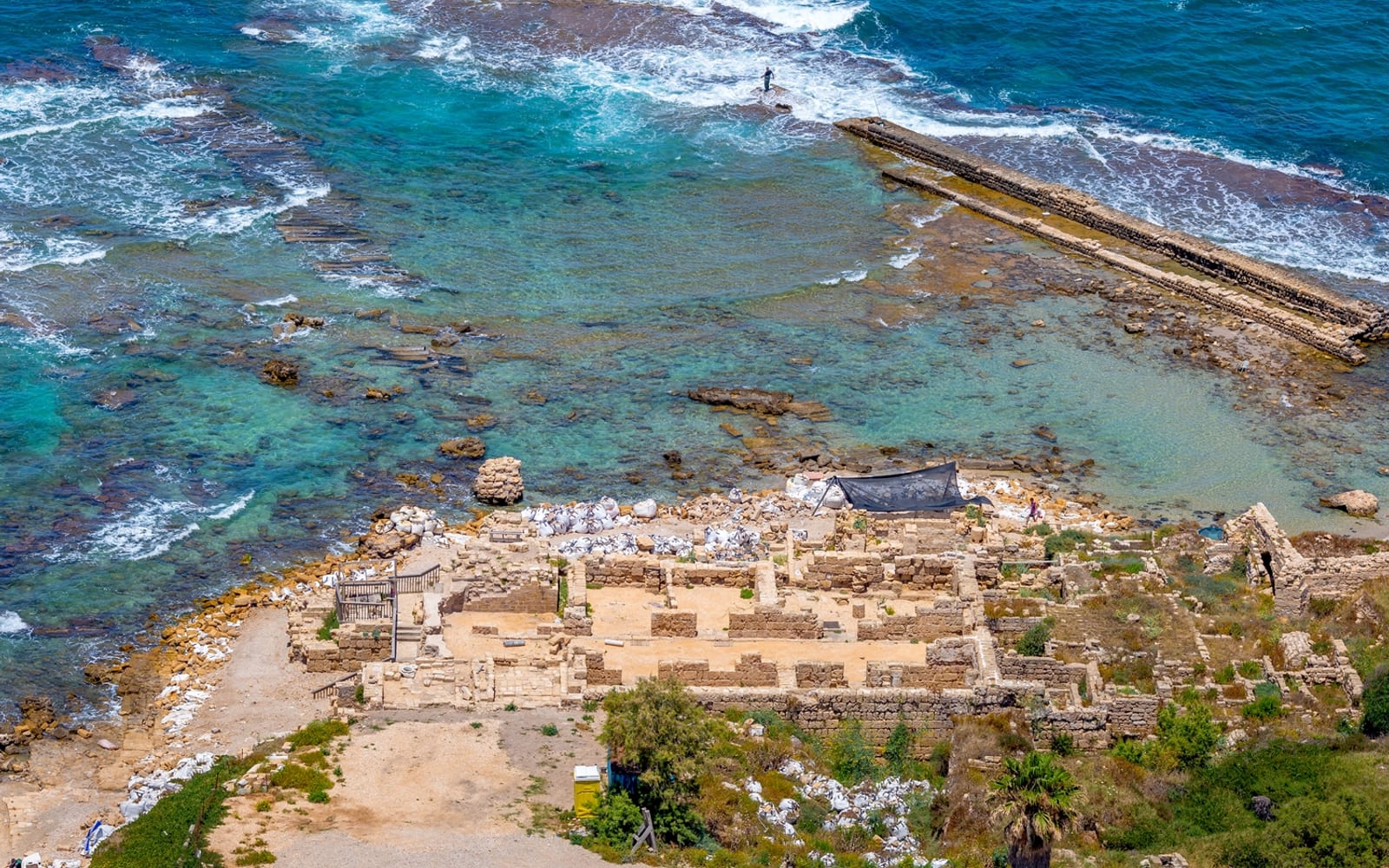
Explore the Caesarea Maritima harbour — Herod the Great built the first artificial deep-water port using hydraulic concrete, now partially submerged.
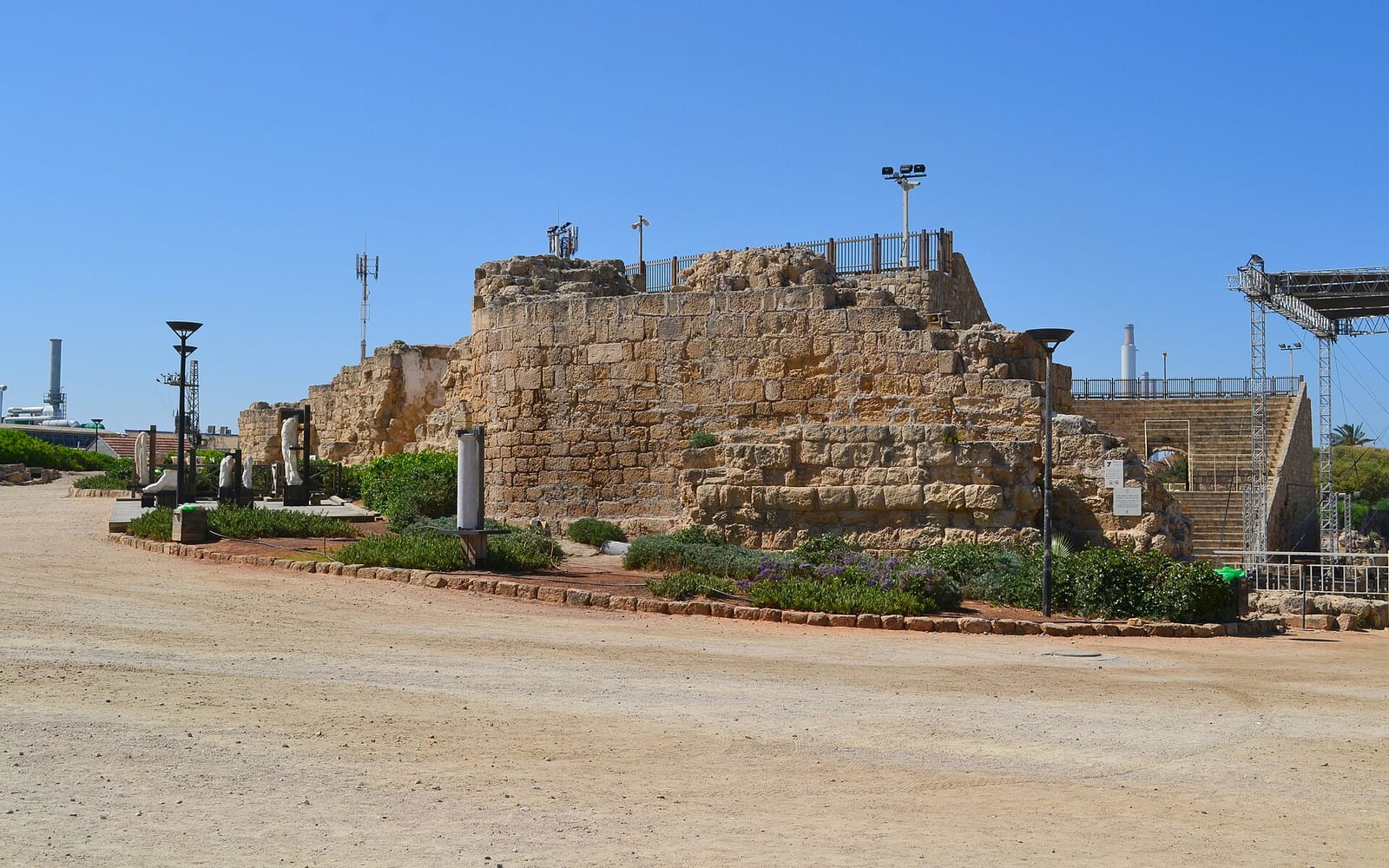
Visit Caesarea National Park — Herodian Roman port, restored Roman Theatre, Crusader walls and underwater archaeology on the Mediterranean coast.
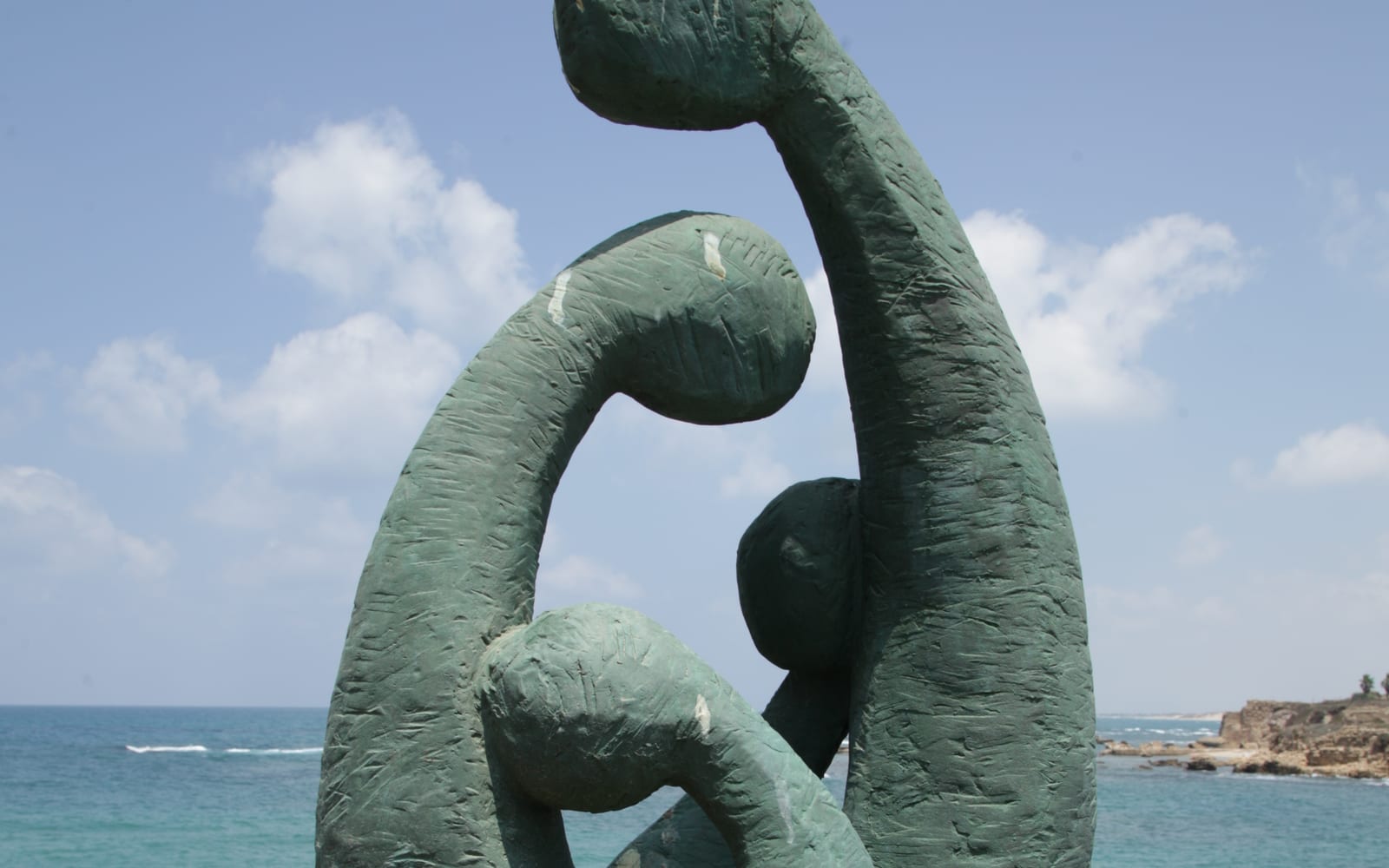
Visit the Ralli Museum in modern Caesarea — Harry Recanati private collection of Latin American + European modern art; free admission, sculpture gardens.
Hand-picked
Roman Caesarea, the Bahá’í Gardens and Crusader Akko in one guided day.
Live prices & reviews on GetYourGuide
Affiliate link — we may earn a commission at no extra cost to you.
Book nowvia GetYourGuide
The theatre, harbour and Crusader fortress with an expert guide.
Live prices & reviews on Viator
Affiliate link — we may earn a commission at no extra cost to you.
Book nowvia Viator
Caesarea’s ruins and the aqueduct beach on a relaxed coastal day.
Live prices & reviews on Civitatis
Affiliate link — we may earn a commission at no extra cost to you.
Book nowvia Civitatis
Where to stay
Caesarea
Resort hotel beside Israel’s only 18-hole golf course, near the ruins.
Check rates & availabilityvia Booking.com
Netanya (nearby)
Seafront suites a short drive south, a handy coastal base.
Check rates & availabilityvia Booking.com
Hadera (nearby)
Practical mid-range option just north of the park.
Check rates & availabilityvia Booking.com
Interactive hotel map · powered by Stay22
| Season | Verdict | What to expect |
|---|---|---|
| Spring (Apr–Jun) | Best | Warm, clear days perfect for the seaside ruins. |
| Summer (Jul–Aug) | Hot | Hot and bright; bring shade and combine with the beach. |
| Autumn (Sep–Nov) | Best | Warm sea, soft light and fewer crowds. |
| Winter (Dec–Feb) | Mild | Mild with rain spells; atmospheric and quiet. |
Caesarea Maritima is the layered-history archaeological park on Israel’s Mediterranean coast — a Herodian Roman port that grew into a Byzantine and Crusader town and is now a UNESCO-inscribed national park 45 minutes north of Tel Aviv. The setting is unusual: you walk through restored Roman theatre seating, the partial reconstruction of a chariot hippodrome, the submerged remains of the first artificial deep-water harbour in antiquity, and a complete medieval Crusader gatehouse — all in a coastal park with Mediterranean swimming beaches on either side. A complete guide to things to do in Caesarea begins with the disambiguation: this is Caesarea Maritima (Mediterranean coast, Herodian Roman port), NOT Caesarea Philippi / Banias (a different ancient cult site in the Golan Heights — see our Golan travel guide). The two share only the name; they were two separate cities founded by Herod’s family to flatter the Roman emperors.
This guide covers when to come, where to stay across the small Caesarea hotel cluster and the nearby Zichron Yaakov winery village option, the headline archaeology (Roman Theatre, Crusader Harbour, Aqueduct Beach, Ralli Museum), the natural day-trip pairings (Haifa + Bahá’í Gardens; Akko UNESCO Old City; Zichron Yaakov winery tasting), the train + drive options from Tel Aviv, and the practical realities of an archaeological park on an active swimming beach. Caesarea rewards a focused half-day or full-day visit on the way north — not a long overnight stay.
The prime windows are spring (March to May) and autumn (September to November). Daytime highs of 22 to 28 degrees, Mediterranean sea temperature comfortable for swimming, and the long-shadow afternoon light that flatters the ruins for photography. The combination of an outdoor archaeological park with adjacent open Mediterranean beaches means the weather matters more here than at an indoor museum.
Summer (June to August) is hot — 30 to 33 degrees, the Mediterranean is at its warmest (around 28 degrees), and the beaches are busy. The Roman Theatre hosts a summer concert series (Israeli and international acts perform on the restored ancient stage); evening attendance is a memorable way to see the site. Plan morning archaeology, swim midday, and book a theatre evening if your dates align.
Winter (December to February) is mild — 15 to 18 degrees, occasional rain, sea too cold for most swimming. The archaeology is uncrowded and the dramatic winter light is excellent for photography. This is the photographer’s window. The Aqueduct Beach can have wind and surf; combined ticket to the National Park gives you the indoor archaeology museum on rainy days.
The site shows six distinct historical layers — pre-Herodian Phoenician (small fishing village), Herodian Roman (the artificial harbour and city, 25 to 13 BCE), Byzantine (4th to 7th century, basilica and administrative buildings), early Islamic (8th to 11th century), Crusader (12th to 13th century, walled town and citadel), and Ottoman (16th to 19th century, small village). Each layer left visible building stones, and the National Park signage walks you through the chronology in order. Spending two hours with the audio guide is the difference between “old stones on a beach” and “this was the Roman capital of Iudaea province for 600 years”.
Caesarea itself has a small accommodation footprint. The Dan Caesarea hotel is the established luxury option (also home to the Caesarea Golf Club, one of Israel’s two 18-hole courses), suited to travellers who want pool + spa + on-site dining. A handful of boutique guesthouses operate in the modern Caesarea residential community. Otherwise, most international visitors do not stay overnight in Caesarea — the practical accommodation choice is to base in one of three nearby towns.
Zichron Yaakov (20 minutes north) is the most evocative nearby base — a 1880s winery village founded by Baron Edmond de Rothschild, now a small town of boutique hotels, winery tasting rooms (Carmel Winery, Tishbi, several smaller producers) and farm-to-table restaurants. Suited to travellers who want the wine-country pairing.
Haifa (30 minutes north) is the closest urban base — full hotel range, the Bahá’í Gardens, and a working port city feel. Suited to travellers who plan to combine Caesarea with Haifa and Akko in a north-coast loop. See our Haifa travel guide for the full Bahá’í Gardens visit (note the conservative photography policy at the terraced gardens).
Tel Aviv (45 minutes south) is the default day-trip base — most international visitors stay in Tel Aviv and treat Caesarea as a half-day excursion. The drive is straightforward on Highway 2; the railway also works with a short shuttle.
The archaeology is the headline. These five experiences cover the National Park ticket and the natural nearby pairings.
The National Park is the entire archaeological zone — Roman Theatre + Hippodrome + Herodian harbour ruins + Crusader walls + Byzantine basilica foundations + Ottoman-era citadel — combined under a single entrance ticket. Allow 2 to 3 hours minimum for highlights; a full archaeology visit (with the audio guide) takes 4 hours. The park has its own visitor centre, a small archaeology museum, an orientation film, and signed walking routes that proceed in chronological layer order.
The combined ticket is the right purchase — it includes the Time Trek multimedia experience inside the harbour ruins (a short film projected onto Crusader walls that animates the harbour’s appearance in Herodian times) and the underwater archaeology park (snorkel-accessible reconstruction of submerged harbour structures, seasonal). National park annual pass is honoured.
The Herodian harbour, known in antiquity as Sebastos, was the first artificial deep-water port built using hydraulic concrete that set underwater. Herod’s engineers (working around 22 to 10 BCE) used a Roman cement formulation containing volcanic ash imported from the Bay of Naples — the same hydraulic concrete used at Pozzuoli and Ostia — and poured massive blocks directly into the sea on top of wooden caissons. The harbour was the largest in the eastern Mediterranean for several centuries, and was the export point for grain shipments to Rome.
The harbour today is mostly submerged (sea level rose and seismic subsidence dropped the breakwaters by several metres around the 6th century CE), but the surface remains are walkable. The Time Trek multimedia experience makes the engineering visible. Snorkel-accessible underwater archaeology park operates in summer.
The Roman Theatre at Caesarea is the oldest and most complete in Israel — built by Herod around 22 BCE, restored under the British Mandate and again in the 1960s. It seats 4,000 and is the original semi-circular Roman design (later Byzantine and Crusader theatres tended toward smaller intimate spaces). It still hosts the Caesarea summer concert series — Israeli artists, international acts, classical concerts under the open sky.
Next to the theatre, the Hippodrome (Stadium of Herod) is the partial reconstruction of a chariot-racing stadium — 250 m long, original starting gates and stone seating tiers visible. The Hippodrome was used for chariot races and gladiatorial games through the Roman and early Byzantine periods. Most photographs of Caesarea show this combination (theatre + hippodrome + sea horizon).
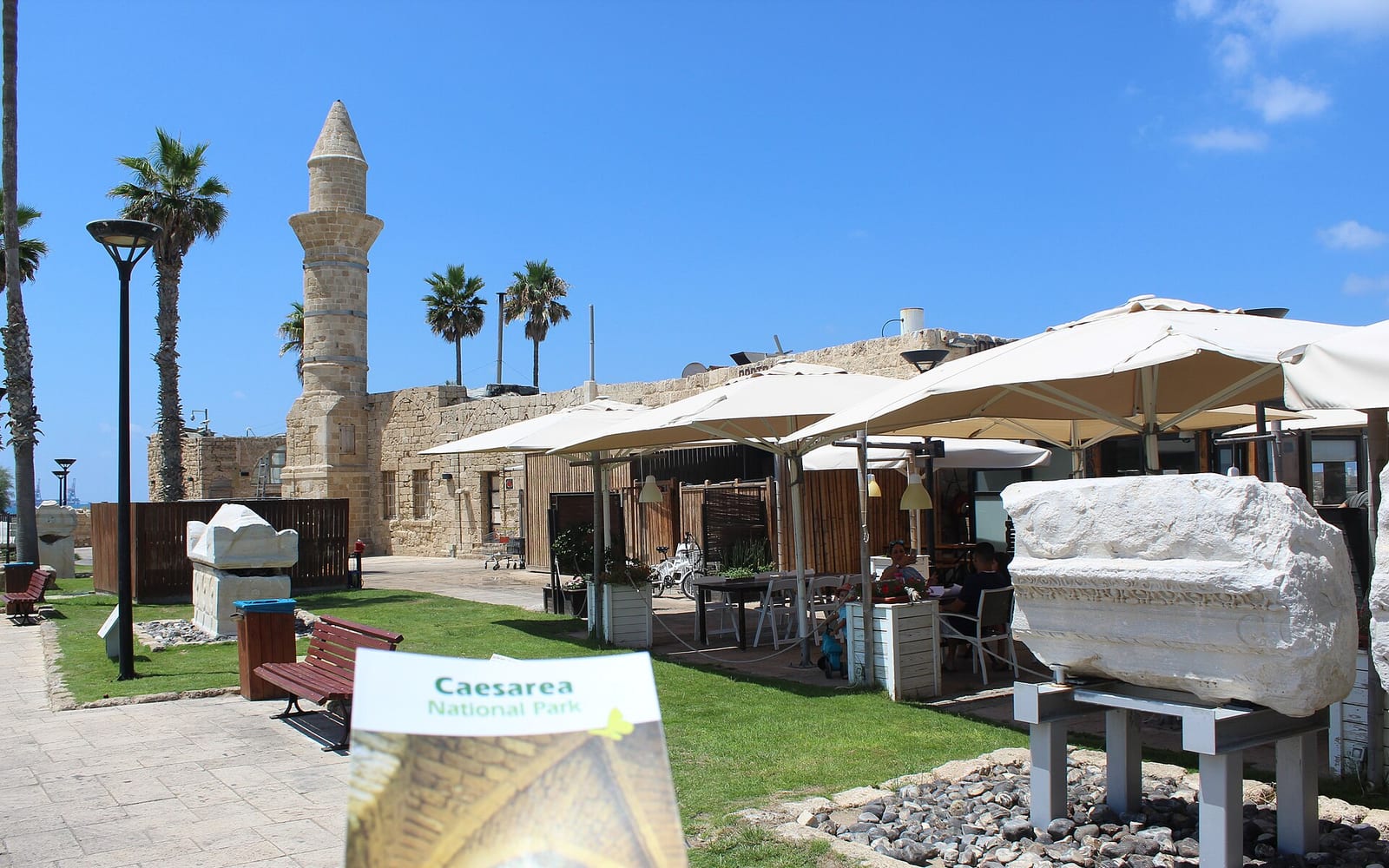
The Crusader Cathedral ruins, on the harbour promontory, are the partially preserved walls and floor plan of the 12th-century cathedral of St Peter — built when Caesarea was a Crusader stronghold capital, destroyed by the Mamluks in 1265.
Aqueduct Beach is a 1 km stretch of open Mediterranean coastline 10 minutes north of the National Park entrance. The signature feature is the surviving Roman aqueduct — a 6 km double-arched water-supply line built around 130 CE under Hadrian, restored and partially preserved as a long row of arched piers that march directly into the surf. The beach below has soft sand, gentle slope, free public access, no entrance fee, and a small parking area.
This is a regular swimming beach with the aqueduct as the backdrop — the combination is the photographer’s draw. No reef, no snorkelling — just open Mediterranean Sea with 2,000-year-old infrastructure overhead. Best at sunset (the arches face west and frame the horizon).
The Ralli Museum is a separate contemporary art museum in the modern Caesarea residential area, about 1 km from the National Park. It holds the private collection of banker Harry Recanati — a substantial Latin American + Spanish + European modern art collection (Dalí, Miró, contemporary Argentinian and Mexican painters). Admission is free, the building is purpose-built with sculpture gardens and reflecting pools, and it works as a 90-minute counterweight to the archaeology if you want a complete art day.
The museum is best for travellers with a contemporary-art interest. If you came for Roman + Crusader history, this is a “skip with no regret” page. If you came for both, it is a free bonus.
This bears repeating because the confusion is common. Caesarea Maritima (the subject of this guide) is the Mediterranean coast port founded by Herod the Great around 25 BCE as a port of trade and the Roman provincial capital. It was named in honour of Caesar Augustus.
Caesarea Philippi is a completely different ancient site, 200 kilometres north, at the foot of Mount Hermon in the Golan Heights — the modern archaeological site is called Banias (Arabic for “Paneion”, from the Greek god Pan whose cult site this was). It was named Caesarea Philippi by Herod Philip (Herod the Great’s son) around 2 BCE in honour of Caesar Augustus AND himself (Philip) to distinguish his city from his father’s. Christian readers will recognise Caesarea Philippi from the Gospel scene of Peter’s confession (Matthew 16:13 to 20).
The two share only the dynastic naming pattern. They were two separate cities founded by two Herodians (father and son) to flatter Augustus. Caesarea Maritima is a Mediterranean port; Caesarea Philippi is a freshwater spring + cult site at the headwaters of the Jordan River. See our Golan travel guide for the full Banias / Caesarea Philippi page; the Banias spring + Hermon stream waterfall + ancient cult niches make a separate half-day visit.
Haifa is the closest urban pairing — the working port city on the slope of Mount Carmel, home to the Bahá’í Gardens (the World Heritage terraced gardens descending from the Shrine of the Báb to the German Colony at the foot of the mountain). The garden is open to visitors on a controlled-tour basis with conservative photography rules; the panoramic terraces are spectacular. Combine with the Stella Maris Carmelite monastery and a meal in the German Colony. See our Haifa travel guide for the full Bahá’í Gardens visit policy.
Akko is the UNESCO Crusader Old City — a continuously inhabited fortified town with Crusader knights’ halls preserved beneath the modern Ottoman-era town above. The combination of Crusader subterranean and Ottoman aboveground is unique. Akko pairs naturally with Caesarea as a “Crusader heritage” loop (both were Crusader Kingdom strongholds; Caesarea was the southern coast, Akko was the northern capital after Jerusalem fell). See our Akko travel guide.
The Zichron Yaakov winery village pairs naturally with Caesarea as a wine-country day — 20 minutes drive, several wineries (Carmel Winery, Tishbi, smaller boutique producers), the historic main street and the First Aliyah Museum. The combination “Roman ruins + Israeli winery tasting” is one of the most common day-trip pitches from Tel Aviv.
International flights to Israel land at Ben Gurion International Airport (TLV) near Tel Aviv. From there, three options reach Caesarea.
Rental car is the most flexible — 45 minutes from central Tel Aviv on Highway 2 (Tel Aviv to Haifa coastal highway), exit at the Caesarea junction, signed access to the National Park entrance. The same drive from Haifa is 30 minutes south. Parking at the National Park is paid; parking at Aqueduct Beach is free. Most travellers combine Caesarea with at least one other coastal stop (Zichron Yaakov, Haifa, or Akko), making a rental car the natural choice.
Israel Railways runs the coastal line — Tel Aviv Hagana / Tel Aviv Savidor Center to Caesarea-Pardes Hanna in about 35 minutes. From the station, a 10-minute taxi or shuttle bus reaches the National Park entrance. Cheapest option if you do not want to drive; combine with a Haifa onward continuation on the same line for a no-car north-coast day.
Organised day tour from Tel Aviv — Civitatis, Viator and GetYourGuide all run small-group Caesarea + Haifa + Akko day tours, departing central Tel Aviv hotels around 08:30 and returning around 18:00. This is the easiest option if you do not want to drive and want a guided narrative; the trade-off is the fixed itinerary and the long single day.
Caesarea’s food scene is built around two threads — modern fine dining at the small Caesarea hotel + modern harbour restaurants, and the wine-country food in the nearby Zichron Yaakov main street.
Modern Caesarea harbour has a row of seafood + Mediterranean restaurants on the new marina (separate from the archaeological harbour) — sit-down meals with sunset views, mid-to-high price range. Good for a celebratory lunch after the National Park.
Zichron Yaakov main street offers the wine-country pairing — small bistros, winery tasting rooms with cheese boards, the Pasha sushi spot for a non-Mediterranean break, and the bakery institutions for casual lunch. The 20-minute drive north pays for itself in food + atmosphere quality.
Inside the National Park itself, the café at the visitor centre handles basic sandwiches + coffee — adequate but not destination food. Plan to eat outside the park.
Combined ticket at the National Park covers the Roman Theatre + Hippodrome + Herodian harbour + Crusader walls + Time Trek multimedia + small archaeology museum. National Parks annual pass honoured. Buy at the entrance or online; no need to pre-book unless you want a specific guided tour slot.
Audio guide is the difference between a casual walk and a real visit — without it, you walk past ruins without understanding the chronology. Rent at the entrance or download the official Israel Nature and Parks app.
Sun protection — most of the archaeology is open-air with little shade between the Roman Theatre and the harbour. Hat, sun shirt, sunscreen. Bring water (refill stations exist near the visitor centre).
Swimming combination — bring a swimsuit if you intend to combine archaeology with Aqueduct Beach. The two are 10 minutes apart by car. Park first at the National Park, do archaeology in the morning, drive to Aqueduct Beach for an afternoon swim with the aqueduct overhead.
Roman Theatre concerts — check the summer concert calendar before your visit. Tickets sell out for international acts; Israeli pop concerts have a wider availability. The acoustics are excellent (this is what made the Romans build it).
Underwater archaeology snorkel — operates seasonally (summer + early autumn) when sea conditions allow. Book at the visitor centre on the day; bring your own mask + fins if you have them. Beginner-friendly; the submerged structures are in 1 to 4 metres of water.
Photography — the Crusader gatehouse + Roman Theatre + Aqueduct Beach are the three iconic shots. Late afternoon light is best for the aqueduct (west-facing arches frame the sunset).
Travel insurance — standard travel insurance covers Caesarea without restrictions (no diving below 18 m here unlike Eilat; no border-crossing complications unlike Bethlehem).
The FAQ entries above answer the most common questions about visiting Caesarea — how long to spend, the Caesarea Maritima vs Caesarea Philippi distinction, how to get from Tel Aviv, what is inside the National Park, the swimming question at Aqueduct Beach, the Ralli Museum’s place in the visit, and whether to use Caesarea as an overnight base. The schema-driven FAQPage at the bottom of this page surfaces these to search engines so travellers find them directly from a Google result. If your question is not covered, the contact page is the right next step.
Half a day (4 to 5 hours) is the sweet spot — the National Park combined ticket covers the Roman Theatre, the Herodian Harbour ruins, the Crusader walls and the small archaeology museum, plus you can drive 10 minutes south to the Aqueduct Beach. A full day adds the Ralli Museum and a sit-down seafood lunch at the modern harbour restaurants. Most visitors come as a day trip from Tel Aviv or Haifa, not as an overnight base.
This guide covers Caesarea Maritima on Israel's Mediterranean coast, about 45 minutes north of Tel Aviv. It is the Roman port founded by Herod the Great around 25 BCE and inscribed by UNESCO in 2010. Caesarea Philippi is a completely different ancient site at Banias in the Golan Heights, 200 km away in the north. The two share only the name (Roman tribute to Augustus Caesar) and are otherwise unrelated. If you are looking for Banias spring and the Caesarea Philippi cult site, see our Golan travel guide.
The fastest option is a 45-minute drive north on Highway 2 (Tel Aviv to Haifa coastal highway), exit at the Caesarea junction. The Israel Railways line stops at Caesarea-Pardes Hanna station; a 10-minute taxi or shuttle bus connects to the National Park entrance. Civitatis and Viator both run Caesarea day tours from Tel Aviv (combined with Haifa or Akko); these collect at central Tel Aviv hotels at around 08:30 and return by 17:30.
The National Park covers the entire Herodian + Roman + Byzantine + Crusader archaeological zone — the restored Roman Theatre (still hosts summer concerts), the partially reconstructed Roman amphitheater (Hippodrome of Herod), the Herodian harbour ruins on the seafront, the Crusader walls and gatehouse, the underwater archaeology park (Sebastos), and a small archaeology museum. The combined ticket also includes a short orientation film.
Caesarea, Akko and Jerusalem each cover a distinct historical layer. Caesarea is the Herodian Roman port plus Crusader walls — secular archaeology on a beautiful Mediterranean setting. Akko is the larger UNESCO Crusader Old City with a continuous Ottoman-era town on top. Jerusalem is the deepest religious-heritage destination. The three pair well as a north-coast loop (Caesarea + Akko + Haifa) or as a contrasting day-trip set from Tel Aviv (one day each).
Yes. Aqueduct Beach is the open Mediterranean shoreline running directly beneath the surviving Roman aqueduct arches (built around 130 CE, restored 19th century). It is a free public beach, no entrance fee. Sand bottom, gentle slope, sun loungers in summer. The combination — swimming with a 2,000-year-old aqueduct as the backdrop — is the photographer's draw. No reef snorkelling here; this is regular Mediterranean coast.
The Ralli Museum is a separate contemporary art museum in modern Caesarea, about 1 km from the National Park. It holds the private collection of Harry Recanati (Latin American + European modern art, with a Spanish-Latin American emphasis). Admission is free. It is not Roman or Crusader — it is a 20th-century-art counterweight to the archaeology. Most visitors who like contemporary art add 90 minutes; visitors focused on Roman history skip it.
Caesarea has a small luxury hotel cluster (Dan Caesarea, a few boutique villas) and the modern Caesarea residential community is upscale and quiet. Most international visitors do not stay overnight in Caesarea itself; the natural overnight bases are Tel Aviv (45 minutes south), Haifa (30 minutes north), or Zichron Yaakov (a winery village 20 minutes north). Use those as your base and visit Caesarea as a half-day excursion.
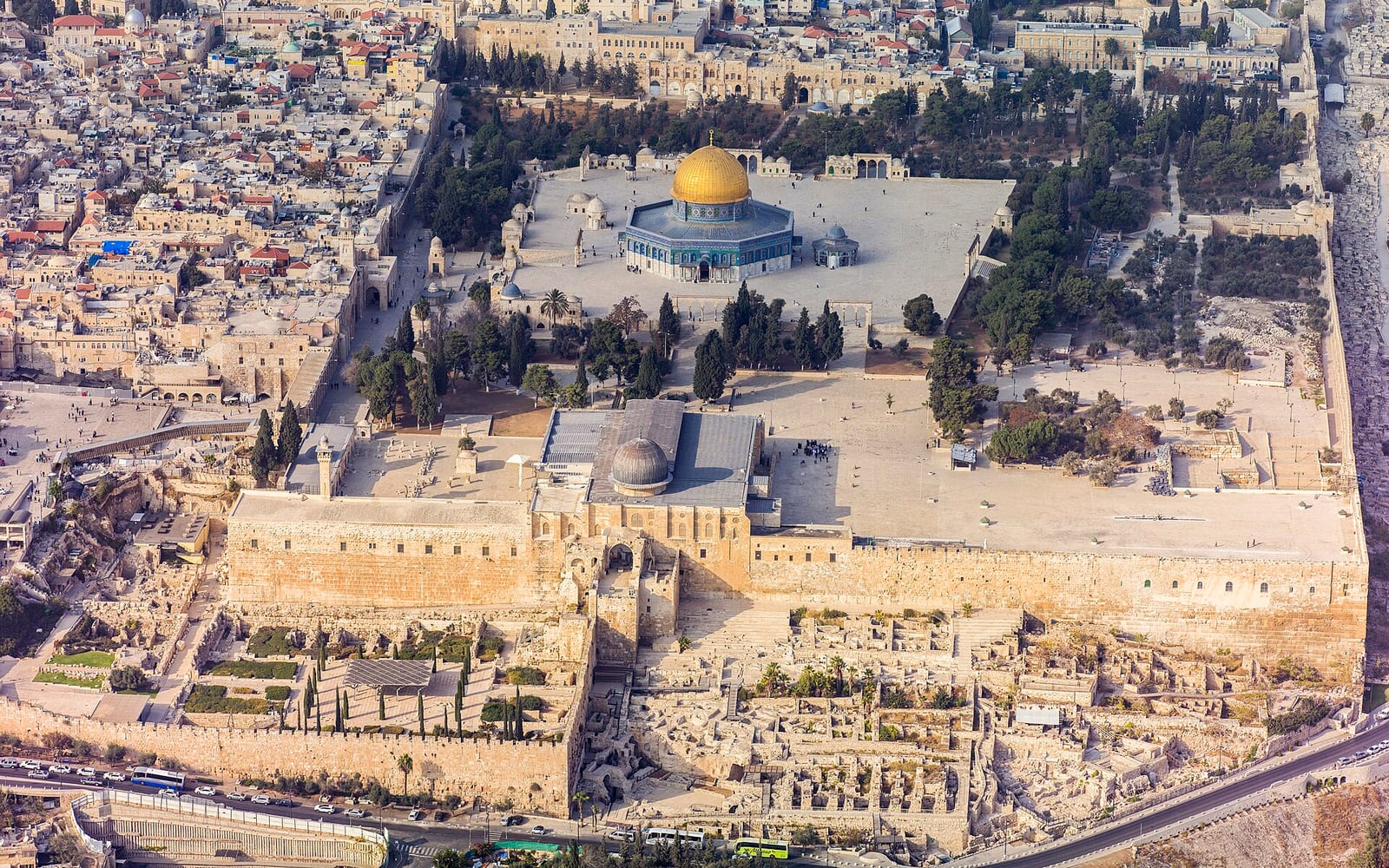
Israel's spiritual heart
Old City quarters, the Western Wall and the Church of the Holy Sepulchre, with day trips to the Dead Sea.
Explore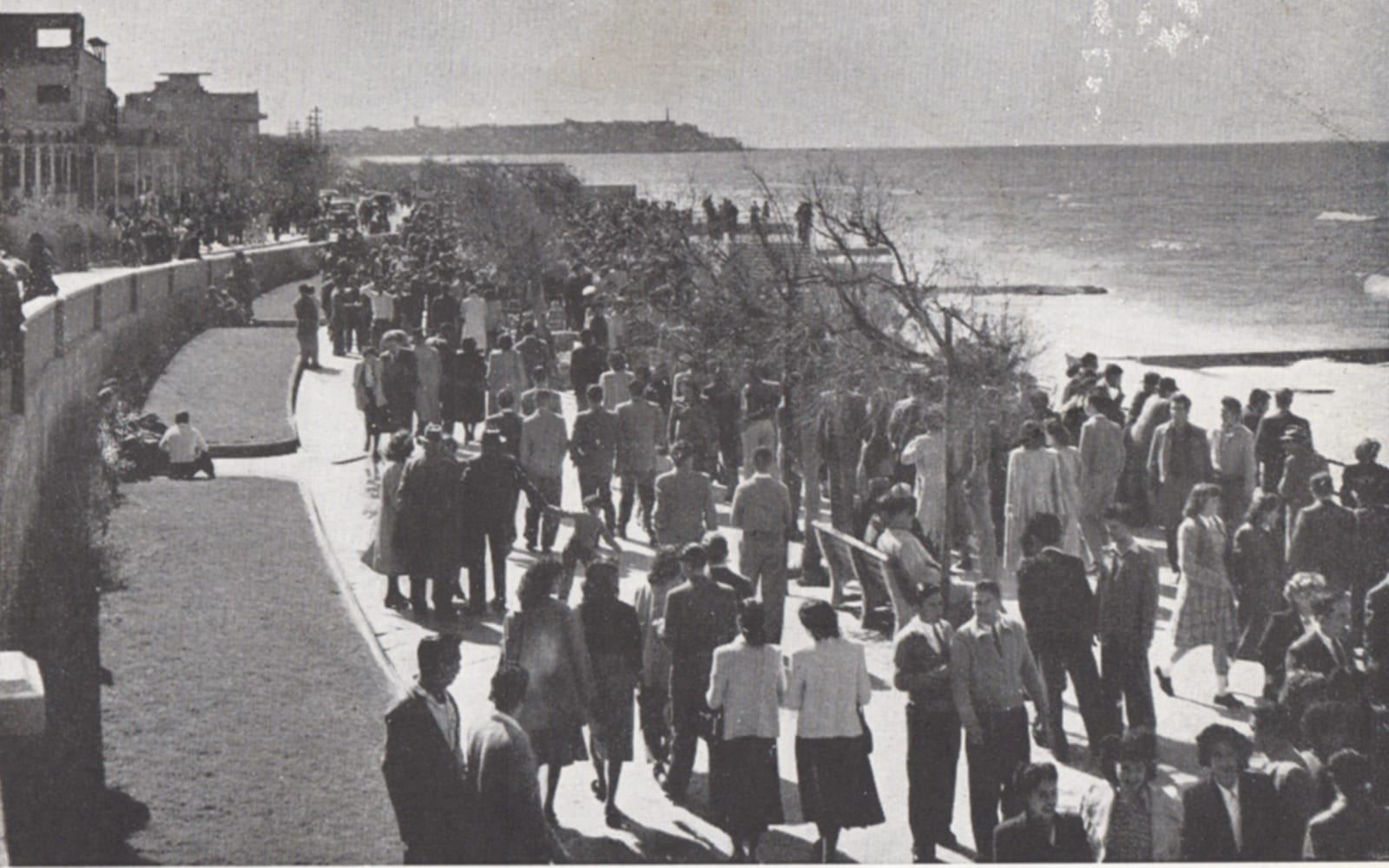
Mediterranean cool
Golden beaches, Bauhaus architecture and a 24-hour food, art and nightlife scene.
Explore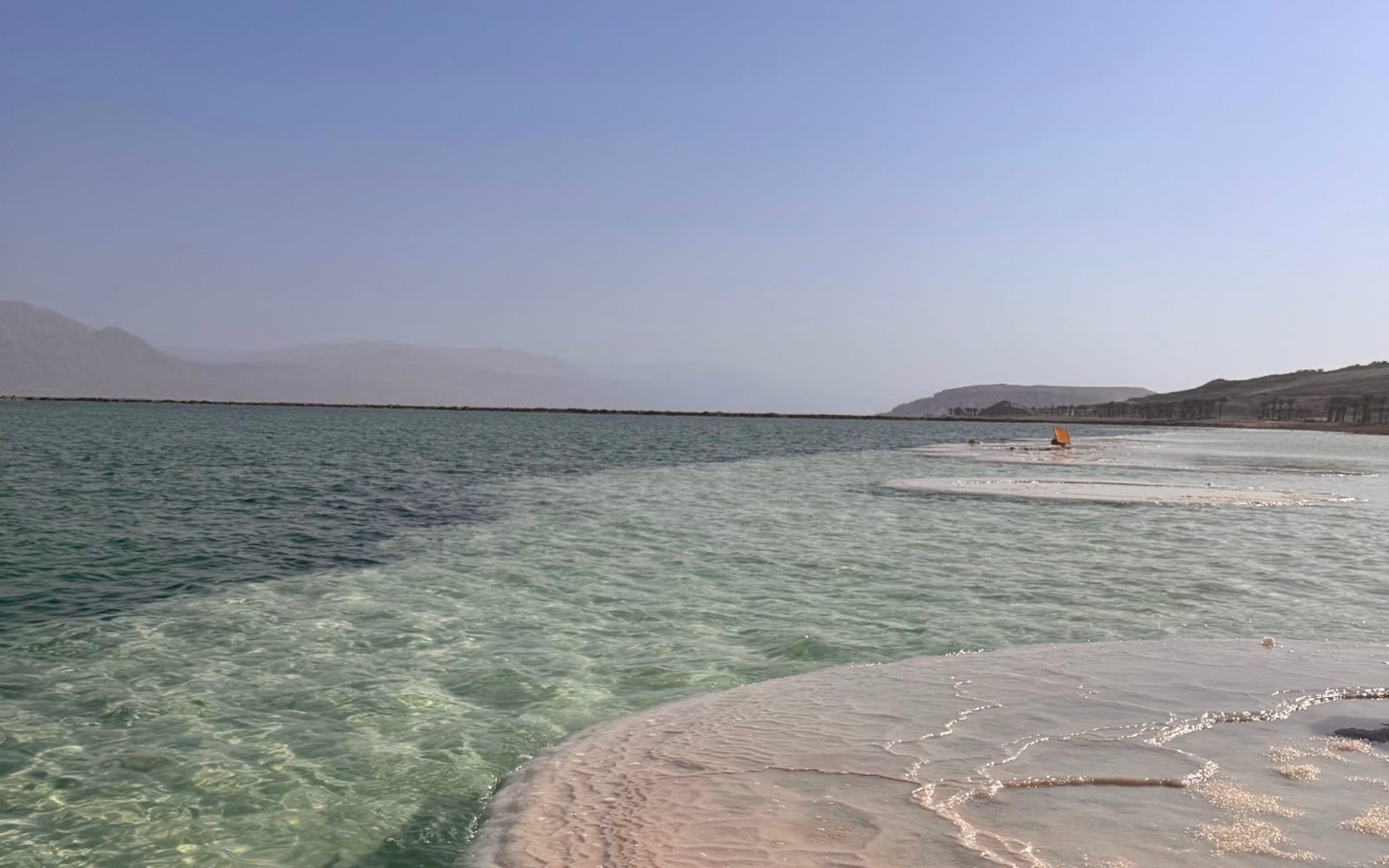
The lowest place on Earth
Float on mineral-rich water, climb Masada at sunrise and hike the Ein Gedi oasis.
ExploreBy The Visit Israel Editorial Team · Last updated