The Ralli Museum in modern Caesarea is a contemporary art museum holding the private collection of Harry Recanati, an Israeli-Greek banker (1919 to 2014) who founded four Ralli Museums worldwide (Caesarea, Jerusalem, Punta del Este in Uruguay, Santiago in Chile) — all with free admission as part of the Recanati Foundation’s mission to make Latin American + Spanish art accessible to general visitors. The Caesarea museum is the original of the four and holds the largest single grouping of the collection.
This guide covers the collection, the building and sculpture garden, the visit logistics, and how the Ralli Museum fits as a contemporary-art counterweight to a Caesarea archaeology day.
Need to know
| Cost | Free. No ticket and no reservation for individual visitors; group bookings (10+) need advance contact. Donations welcomed but not requested. |
| Hours | Typically Sat–Thu ~10:30–15:00, closed Friday and major Israeli holidays. Hours vary — check the Ralli Foundation website before driving over. |
| Time needed | 60–90 min for the galleries and sculpture garden; up to ~2 hours for art enthusiasts. |
| Getting there | ~5 min from the Caesarea National Park entrance in modern Caesarea; signed “Ralli Museum”, free on-site parking. ~50 min from Tel Aviv. |
| Best time | Morning is calmest. A good fully air-conditioned midday stop between morning archaeology and an afternoon beach. |
| Accessibility | Purpose-built with open courtyards and ground-level galleries — largely accessible. |
What is the Ralli Museum?
The collection emphasis is 20th-century Latin American + Spanish + European modern art — including significant works by Salvador Dalí (Spanish surrealism), Joan Miró (Catalan abstraction), and a substantial group of contemporary Argentine, Mexican, Chilean and Spanish painters. Recanati assembled the collection from the 1950s through the 1990s, focusing on Latin American Surrealism and post-war abstraction as distinct schools that received less attention in mainstream European and North American museums.
The Caesarea museum was the first of the four Ralli Museums, opened in 1993. The Jerusalem branch (the second, opened later) holds Jewish-themed art from the same collection. The two Latin American branches (Uruguay and Chile) hold rotating exhibitions from the same Recanati estate.
The Caesarea building is purpose-built with open courtyards, sculpture gardens, reflecting pools, and a Mediterranean-style architectural vocabulary that integrates the art with the surrounding modern Caesarea residential community. The architecture is itself part of the visitor experience.
Visiting the Ralli Museum Today
Hours: the museum is open Saturday to Thursday, typically 10:30 to 15:00, closed Friday and major Israeli holidays. Hours can vary seasonally — check the Ralli Foundation website before driving over.
Entry fee: free. No ticket, no reservation needed for individual visitors. Group bookings (10+) require advance contact via the foundation.
Getting there: drive 5 minutes from the Caesarea National Park entrance — exit the park, follow signs to “Ralli Museum” through the modern Caesarea residential streets. Free on-site parking. From central Tel Aviv it is 50 minutes total via Highway 2.
Atmosphere: the museum is intentionally quiet and uncrowded — the free admission combined with limited marketing keeps visitor numbers modest. Morning visits are calmest; the contemporary-art-interested traveller often has galleries effectively to themselves.
Top Things to See and Do
Dalí Gallery
The Salvador Dalí room holds the museum’s most-recognised works — a small but significant collection of Dalí paintings, prints and sculptures, with the architectural-surrealism period prominent. The collection sits in the context of broader Spanish modernism including Joan Miró and several contemporary Spanish painters.
Latin American Surrealism
The Latin American Surrealism galleries are the museum’s distinguishing feature — works by Roberto Matta (Chilean), Wifredo Lam (Cuban), Remedios Varo (Mexican), and others. This is the gallery you visit the Ralli Museum specifically to see; the school received less coverage in European-North American museums and the Caesarea collection is one of the best public displays of it outside Latin America.
Sculpture Garden + Reflecting Pools
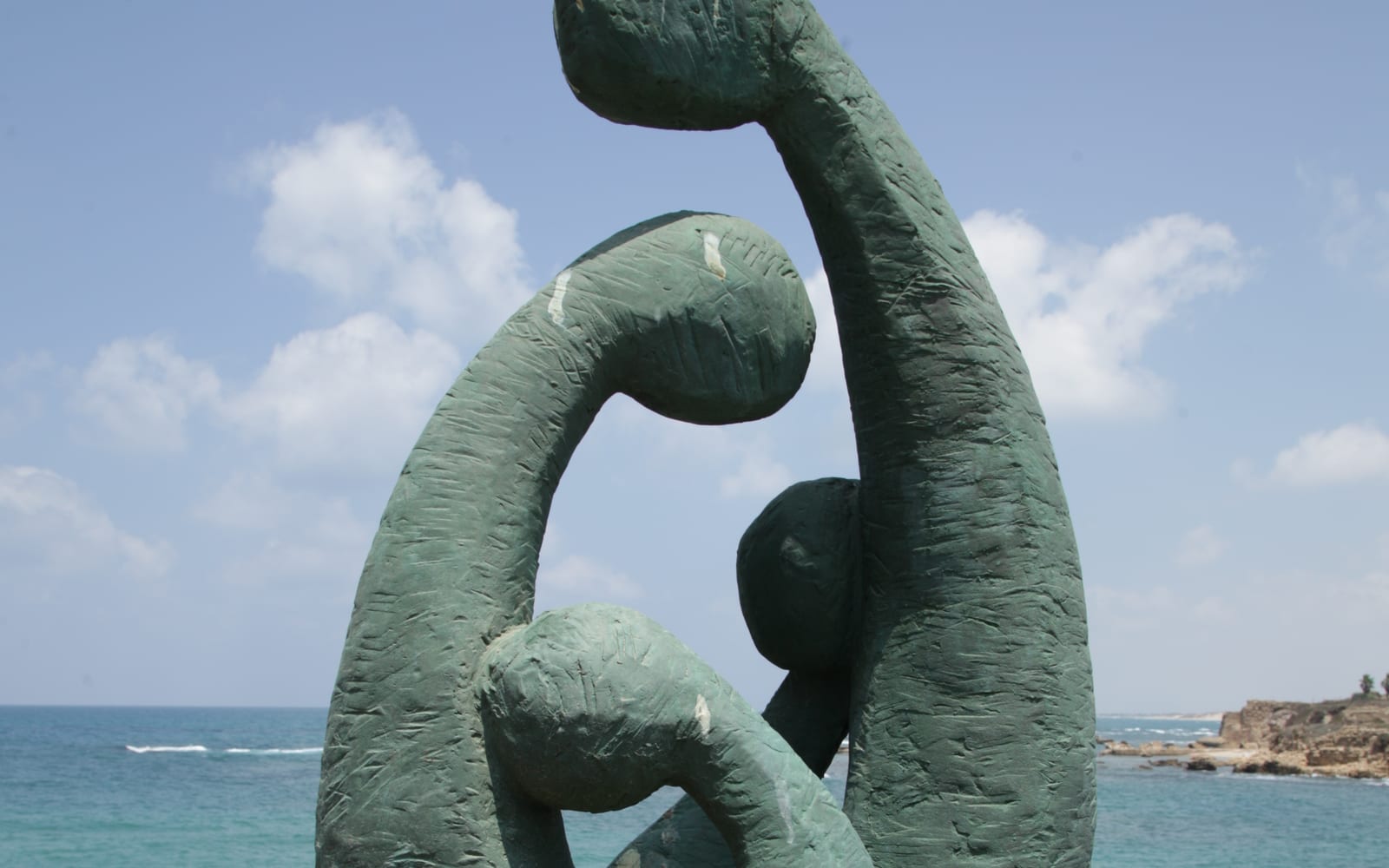
The outdoor sculpture garden complements the indoor galleries — sculpture works integrated with reflecting pools and Mediterranean planting. The building’s open courtyards blur the line between indoor and outdoor space, working naturally with the Caesarea climate.
Contemporary Argentine + Mexican Painters
The Argentine and Mexican painter galleries hold smaller-scale works that round out the collection — post-war Argentine abstraction, Mexican muralist-tradition contemporary work, and a small but representative group of European modernism that completes the Recanati collection’s international scope.
Tours of the Ralli Museum
The museum is self-guided — no docent tours for individual visitors. Wall labels in English and Hebrew. Group tours (10+) can be arranged through the Ralli Foundation with advance booking. Several Caesarea cultural day tours include the Ralli Museum as a 60-to-90-minute stop, paired with the National Park archaeology.
Nearby Attractions
The Caesarea National Park is 5 minutes south — the natural pair if combining archaeology and contemporary art. Aqueduct Beach is 10 minutes north — pair the museum with a beach afternoon. Zichron Yaakov is 15 minutes north — winery village for a full cultural day. The modern Caesarea harbour restaurants are 5 minutes west — sit-down lunch option after the museum.
Practical Tips
Free admission — bring nothing but yourself. Donations welcomed but not requested. The free model is part of the Recanati Foundation’s mission.
Hours vary — the museum’s smaller scale and free-admission model mean shorter hours than commercial museums. Check the Ralli Foundation website before driving over (typically Saturday to Thursday, 10:30 to 15:00).
Photography — generally allowed without flash. Confirm at the entrance for specific exhibitions; some loaned works may have restricted-photography rules.
Air conditioning — the museum is fully air-conditioned, making it the natural midday-summer pairing with morning archaeology and afternoon beach.
Combine with archaeology — most visitors who include the Ralli Museum do it as 60 to 90 minutes between the National Park (morning) and Aqueduct Beach (afternoon). The three-stop sequence fits comfortably in a single day from Tel Aviv.
Skip with no regret — if you came to Caesarea specifically for Roman + Crusader history, the Ralli Museum is a “skip with no regret” page. The collection is contemporary art with no Caesarea-archaeology connection.
Why Visit
The Ralli Museum is the rare combination of free admission, high-quality contemporary art (Dalí, Miró, Latin American Surrealism), and a purpose-built building with sculpture gardens — sitting 5 minutes from one of the most important archaeological parks in the country. The contrast between a Herodian Roman port morning and a Latin American Surrealism afternoon is itself part of the value: it argues that Caesarea is not only ancient history but also a contemporary cultural setting.
For travellers with any contemporary-art interest, the Ralli Museum is the 60 to 90 minutes that elevates a Caesarea archaeology day into a full cultural one — at zero additional cost.