Israeli food is one of the highlights of any visit — a delicious collision of Middle Eastern, North African, Eastern European and Mediterranean traditions. Here’s how to navigate it.
Kosher, briefly
Many (not all) restaurants are kosher, which for a traveller mainly means three things: meat and dairy are kept separate (a steakhouse won’t do cheese; a dairy café won’t do meat), pork and shellfish aren’t served, and kosher kitchens close for Shabbat. A teudat kashrut certificate on the wall signals kosher status.
Crucially, plenty of Israel is not kosher. Tel Aviv brims with non-kosher restaurants open all week, and Nazareth, Haifa’s mixed neighbourhoods and Arab towns serve pork, seafood and meat-with-dairy freely. Whatever your diet, you’ll eat well.
What to eat
- Hummus — taken seriously here; eaten warm, for breakfast or lunch, at a dedicated hummusiya.
- Falafel & sabich — the great street sandwiches, stuffed into pita with salads and tahini.
- Shakshuka — eggs poached in spiced tomato, a brunch staple.
- Mezze & mixed grill — the spread of small plates and grilled meats central to Arab-Israeli dining.
- Knafeh — warm cheese pastry in syrup; superb in Akko and Nazareth.
- Bakery culture — borekas, rugelach and fresh challah before Shabbat.
Where to eat
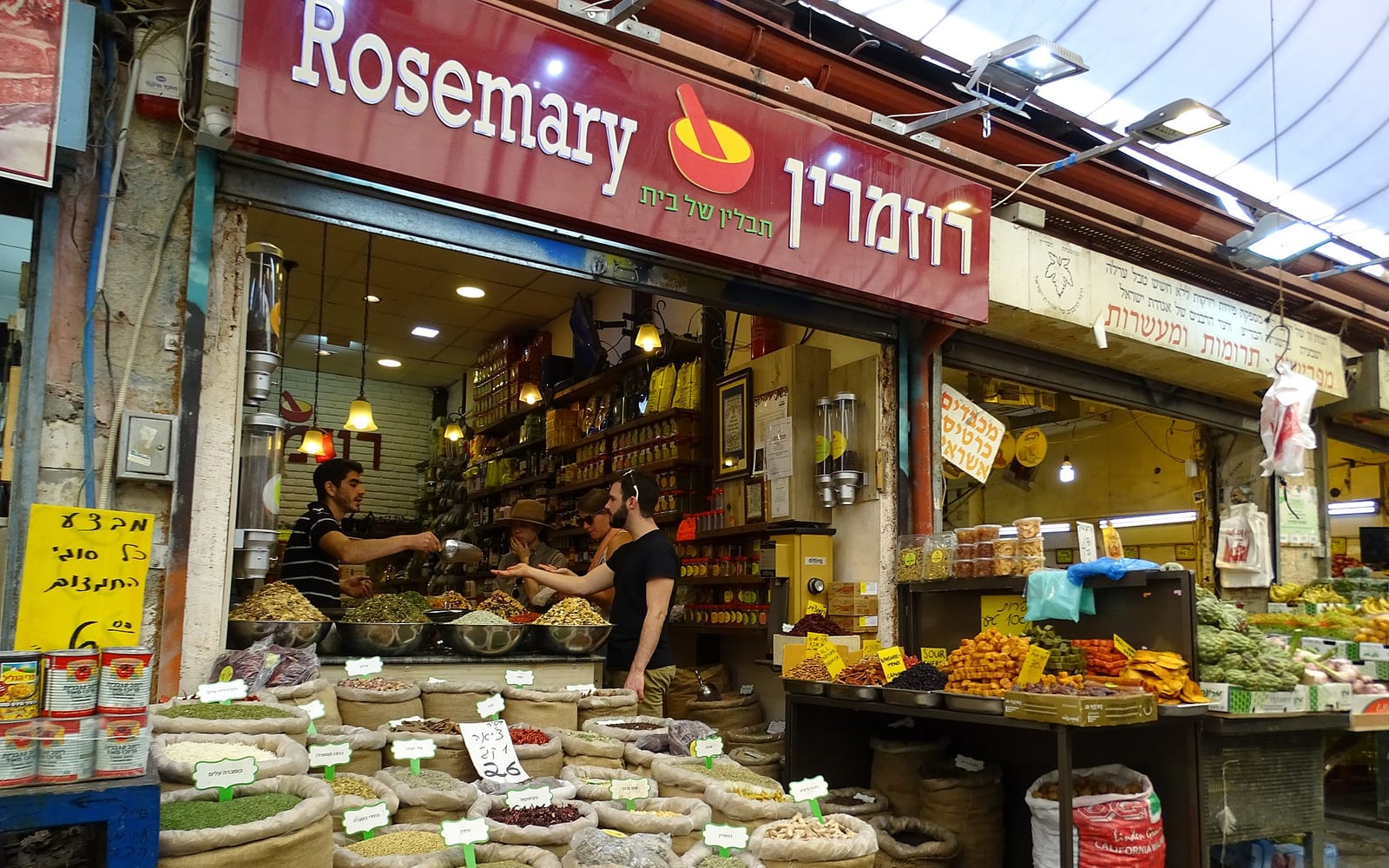
The markets are the heart of it: Mahane Yehuda in Jerusalem and the Carmel Market in Tel Aviv are equal parts grocery, street-food hall and nightlife. Old Jaffa, the lanes of Nazareth’s old city, and Haifa’s Wadi Nisnas are outstanding for Arab-Israeli cooking.
Practical tips
Tap water is safe to drink. Vegetarians and vegans are exceptionally well catered for — Israel is one of the easiest countries anywhere for plant-based eating. See the vegan & vegetarian Israel guide for dedicated restaurant picks in Tel Aviv and Jerusalem, and how to use the kashrut system to your advantage as a plant-based traveller. Budget for food using our cost guide, and remember kosher spots close Friday afternoon to Saturday night.
Looking for a specific restaurant? Use our kosher & vegan restaurant finder to filter well-known options by city and dietary type. For celiac and gluten-free travel, see the Israel gluten-free guide for safe dishes, Hebrew phrases, and city-by-city restaurant tips.