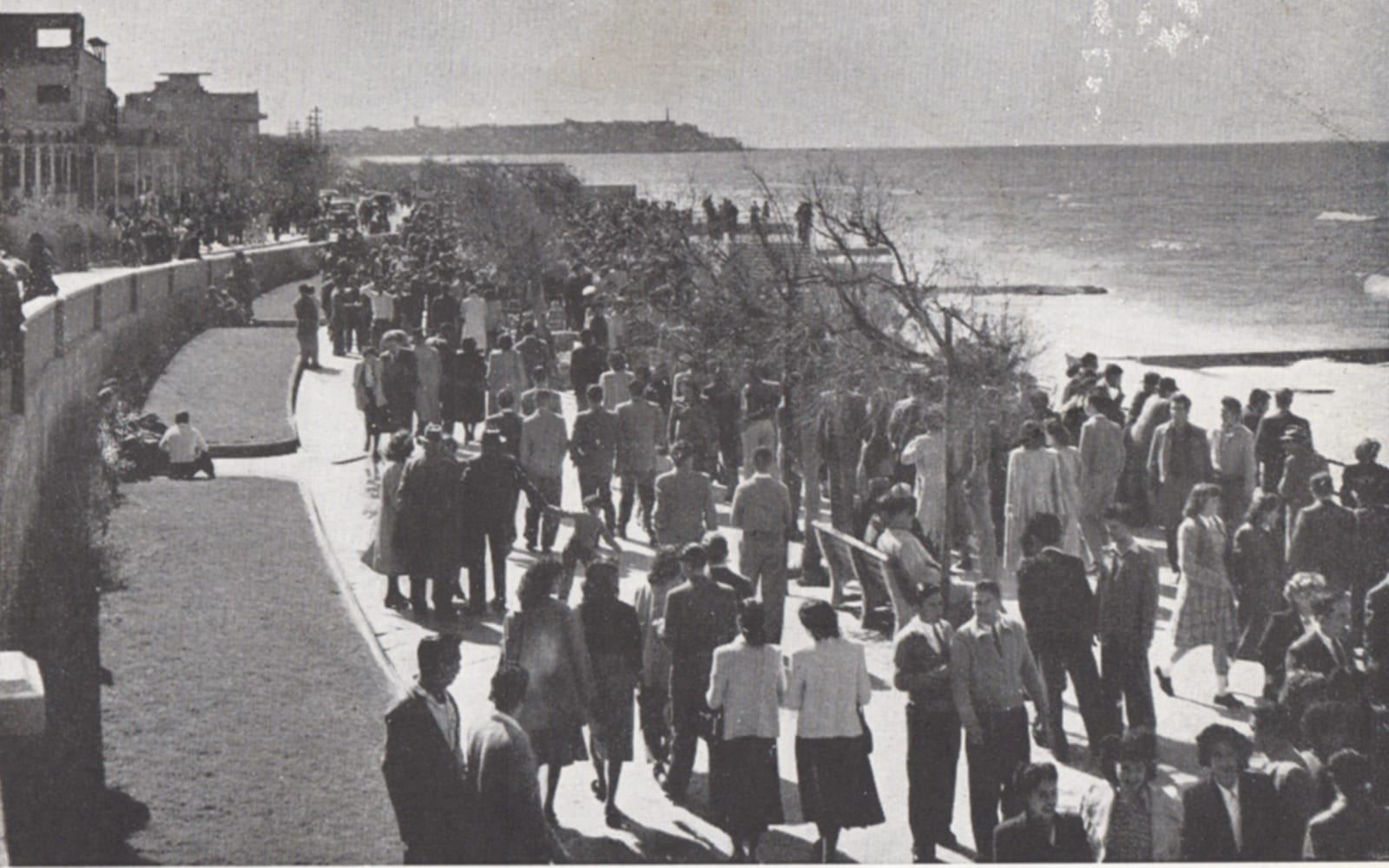
Israel’s two biggest cities sit less than an hour apart but feel like different countries. Here’s how to choose — or, better, how to split your time.
The one-line difference
Jerusalem is ancient, holy and intense — a walled Old City sacred to three religions. Tel Aviv is young, secular and Mediterranean — beaches, Bauhaus, bars and brunch.
Side by side
| Jerusalem | Tel Aviv | |
|---|---|---|
| Best for | History, religion, archaeology | Beaches, food, nightlife |
| Vibe | Reverent, traditional | Relaxed, 24/7, secular |
| Signature sights | Western Wall, Holy Sepulchre, Old City | Old Jaffa, beaches, White City |
| Beaches | None | 14 km of them |
| Nightlife | Quiet | Among the world’s best |
| On Shabbat | Largely shuts down | Stays lively |
| Day trips | Dead Sea, Bethlehem, Masada | Caesarea, Haifa, the north |
Which fits your trip?
- Choose Jerusalem if you’re drawn to history and religion, want to be near the Dead Sea and Bethlehem, and don’t mind quiet evenings.
- Choose Tel Aviv if you want sun, sea, food and nightlife, and a livelier base — including on Shabbat.
The honest answer: do both
They’re 45 minutes apart by train, so there’s little reason to choose. The classic week splits roughly three nights in each — see our 7-day Israel itinerary and the first-time guide to plan it.