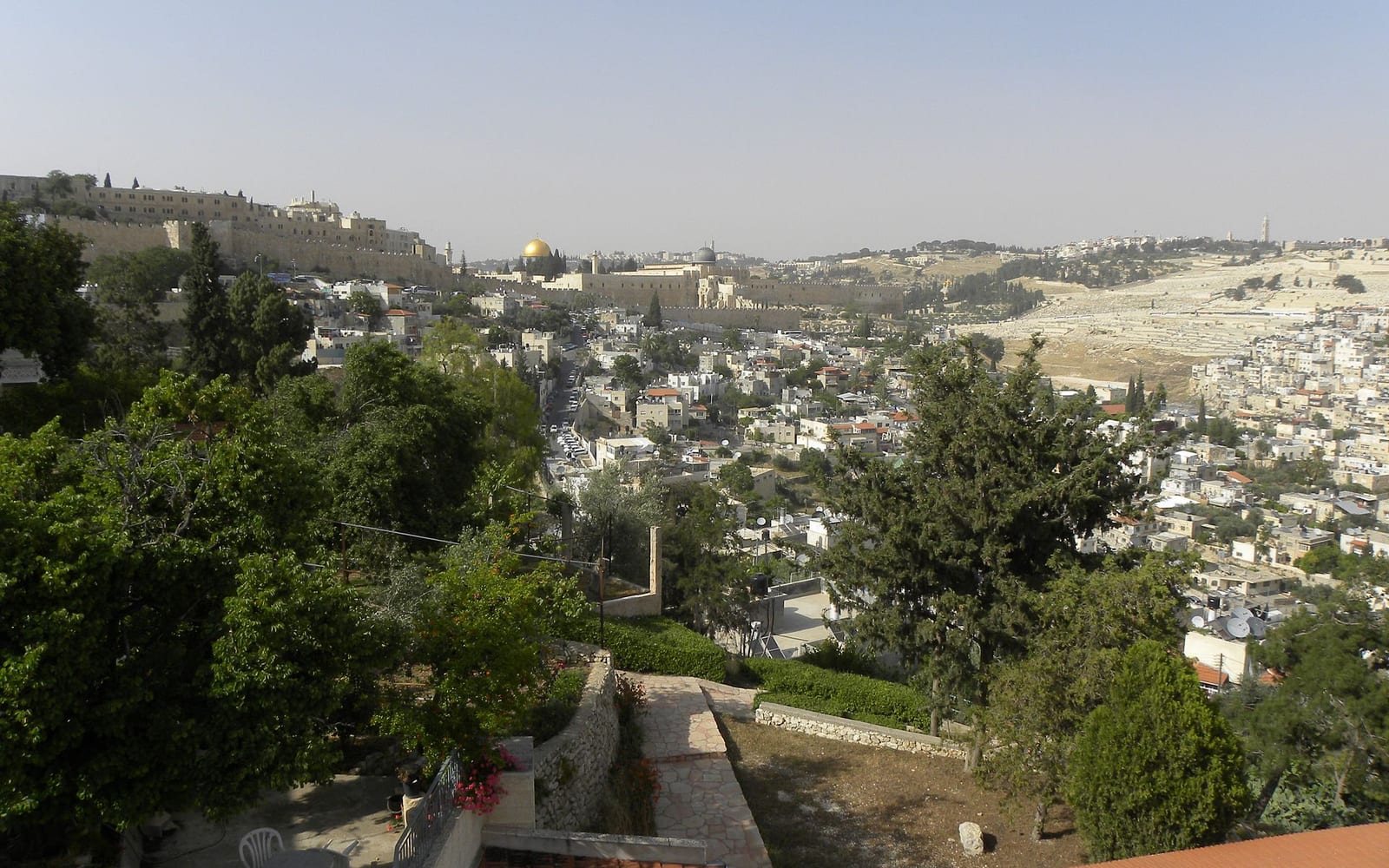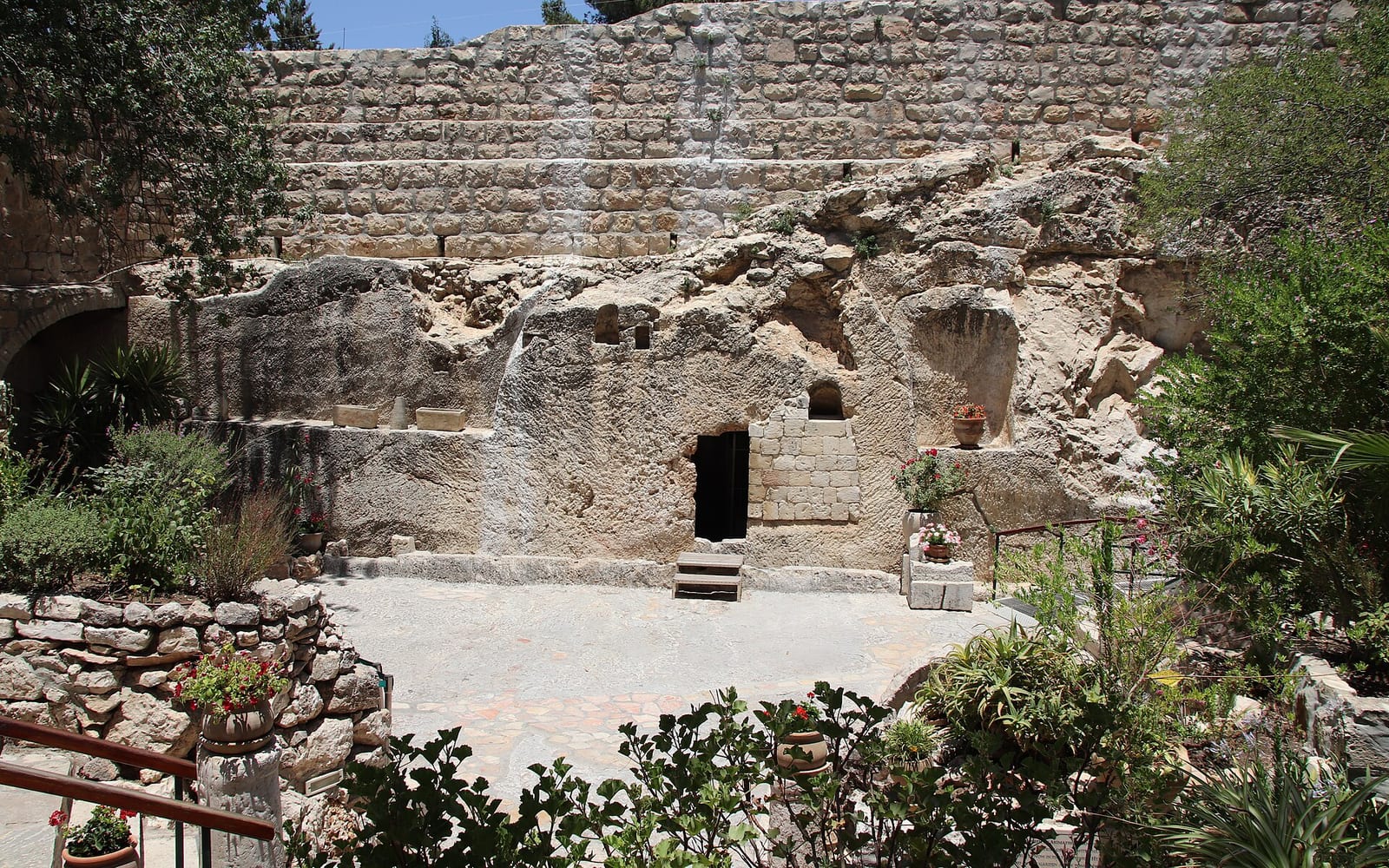
Just a few minutes’ walk north of the Old City walls, the Garden Tomb offers something rare in Jerusalem: quiet. This serene, leafy garden — with an ancient rock-cut tomb at its heart — is venerated by many Protestant Christians as a possible site of the burial and resurrection of Jesus, and it provides a contemplative counterpoint to the crowded, incense-filled grandeur of the Church of the Holy Sepulchre.
Need to know
| Cost | Free (donations welcomed); free guided tours in English and other languages. |
| Hours | Mon–Sat ~08:30–12:00 and 14:00–17:30; closed Sundays and major holidays. Closed over the midday break. |
| Time needed | 45 min–1 hour; longer if you join a tour or a service. |
| Getting there | Conrad Schick Street, off Nablus Road. ~5-min walk north of Damascus Gate; beside the East Jerusalem (Nablus Road) bus station. |
| Best time | Mid-morning on a weekday for calm; Easter week is busy with worship groups. |
| Accessibility | Mostly flat, paved garden paths; the area in front of the tomb is wheelchair-friendly, though the tomb chamber itself has a step at the entrance. Accessible toilets on site. |
What the Garden Tomb is
The Garden Tomb came to prominence in the 19th century, when the rocky escarpment beside it — resembling, to some eyes, a skull — was identified as Golgotha, the “place of the skull” of the Gospel accounts. The British general Charles Gordon popularised the identification in the 1880s, and the spot is still sometimes called Gordon’s Calvary. An adjacent rock-cut tomb completed the picture for its proponents, who valued its setting “outside the city wall” and “in a garden,” echoing the Gospel descriptions. The site is cared for today by the Garden Tomb Association, a UK-based Christian charity, whose volunteers run the free tours.
It is important to set expectations honestly: most scholars and the long Christian tradition favour the Holy Sepulchre, venerated since at least the 4th century, as the historic site. The Garden Tomb’s archaeological case is widely considered weak, and the tomb itself likely dates to an earlier period than the 1st century. Its enduring appeal is devotional and atmospheric rather than evidential — a place to reflect, sing and pray in calm surroundings. Both sites are worth visiting for what each offers.
What you will see
- The tomb — a rock-hewn chamber with a channel for a rolling stone, which you can look into. A simple wooden door bears the words “He is not here — for He is risen.”
- Skull Hill (Gordon’s Calvary) — a viewpoint over the rocky face above the bus station, where the “skull” features can still be made out.
- The gardens — quiet terraces, benches and a large ancient cistern and winepress, which proponents note suggest a wealthy garden owner.
- Spaces for worship — numerous Protestant and evangelical groups hold services and communion here, especially around Easter. A small shop sells books and communion supplies.
Garden Tomb vs Holy Sepulchre
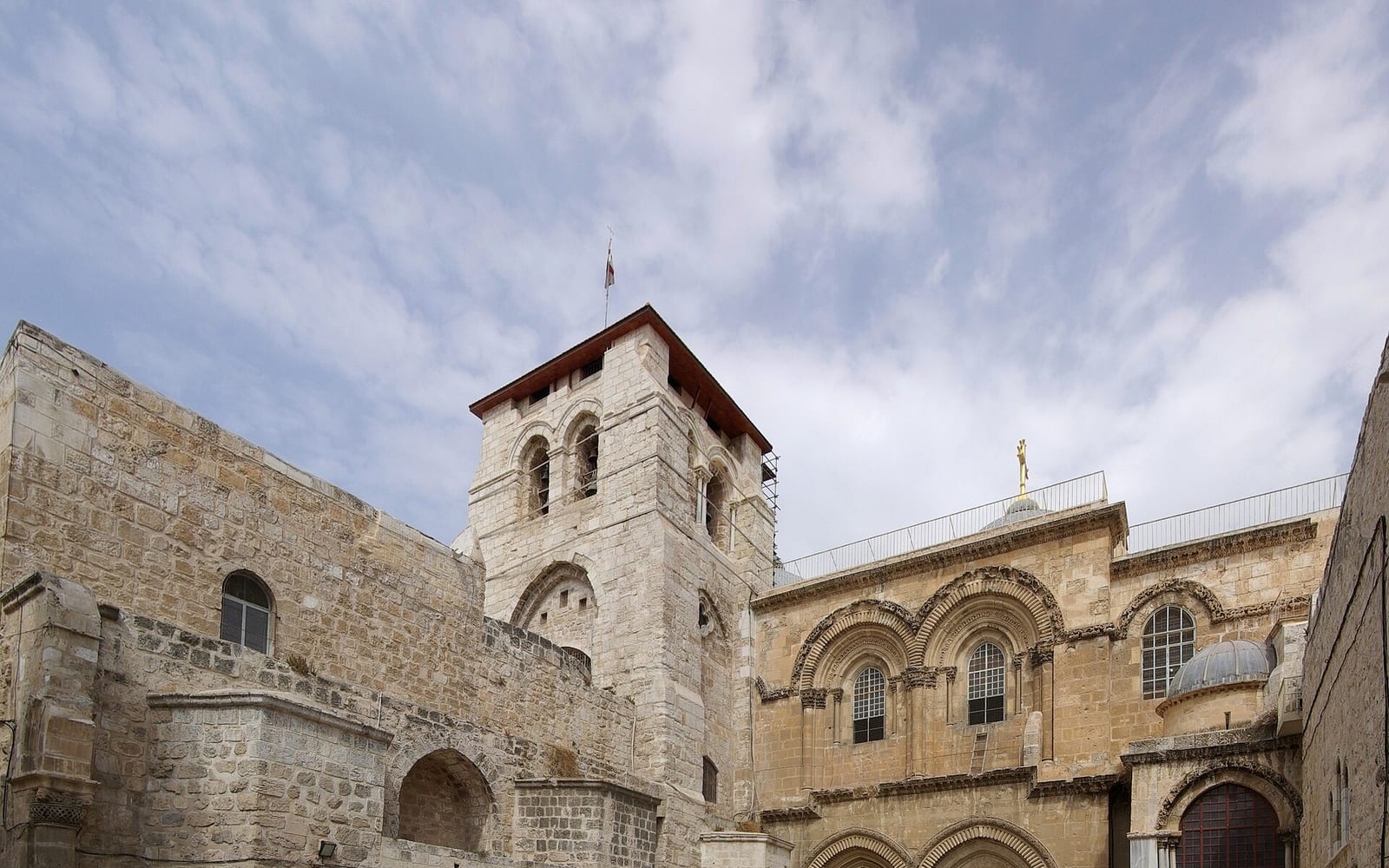
The two sites complement each other and many visitors see both. The Holy Sepulchre is the historic site, venerated for some seventeen centuries, shared by six Christian communities, and almost always busy and atmospheric — incense, candlelight, the queue for the Edicule. The Garden Tomb is a 19th-century identification with a far weaker archaeological case, but it is calm, green and unhurried, and its plain rock-cut tomb gives a clearer mental picture of a 1st-century burial than the much-built-over Holy Sepulchre can. Think of the Holy Sepulchre as the historic and liturgical centre, and the Garden Tomb as a quiet place for reflection — not as competing claims to settle.
Visiting tips
- Entry is free (donations welcomed), with free guided tours by the volunteer staff — these add real context and are worth joining.
- Mind the hours. It is closed on Sundays and over the midday break; arrive mid-morning or mid-afternoon. The Holy Sepulchre, by contrast, opens far earlier and later.
- It is run for worship, so dress and behave respectfully; groups may be holding services, and quiet is appreciated.
- Getting there & safety. It’s a 5-minute walk from Damascus Gate along Nablus Road, beside the busy East Jerusalem bus station. The garden itself is gated and supervised; in the surrounding streets, take the same sensible precautions you would in any busy transport hub, and return in daylight.
- Pair it with the Holy Sepulchre to experience both traditions — they are about 15 minutes apart on foot.
Plan your visit
The Garden Tomb sits just outside the Old City near Damascus Gate, an easy add-on to the Old City, the Via Dolorosa and the Holy Sepulchre. A natural route walks the Via Dolorosa to the Holy Sepulchre, then exits via Damascus Gate to finish in the calm of the Garden Tomb. See the full Jerusalem guide and the 3-day Jerusalem itinerary to plan your route, and the first-time-in-Israel guide for the essentials.