The walled plateau at the heart of Jerusalem’s Old City is the most significant — and most sensitive — single site in the city. Known to Jews as the Temple Mount (Har HaBayit) and to Muslims as the Haram al-Sharif (the Noble Sanctuary), it is sacred to both faiths, and visiting it thoughtfully repays a little preparation. This guide covers what the site is, how to enter as a tourist, and the rules that keep a visit respectful.
Need to know
| Cost | Free. You pass through Israeli security screening at the Mughrabi Gate. |
| Hours (non-Muslims) | Mon–Thu + Sat, typically ~07:30–10:30 and a short afternoon slot ~12:30–13:30 (winter ~07:30–11:00). Closed Fri, Islamic holidays; restricted during Ramadan. Subject to short-notice closure. |
| Time needed | 45 min–1 hour on the esplanade; add 30–60 min for the security queue. |
| Getting there | Enter via the Mughrabi Gate wooden bridge from the Western Wall plaza (near Dung Gate). Buses and taxis serve Dung Gate; ~10-min walk from Jaffa Gate. |
| Best time | Arrive before the gate opens (queue forms early); morning light is best for the Dome of the Rock. Avoid Fridays, Islamic holidays and Ramadan. |
| Accessibility | The Mughrabi Bridge is a long covered ramp (manageable but steep in places); the esplanade itself is broad and largely flat with some steps between levels and uneven historic paving. |
What is the Temple Mount / Haram al-Sharif?
This raised, roughly 14-hectare esplanade is the holiest site in Judaism and the third-holiest site in Islam.
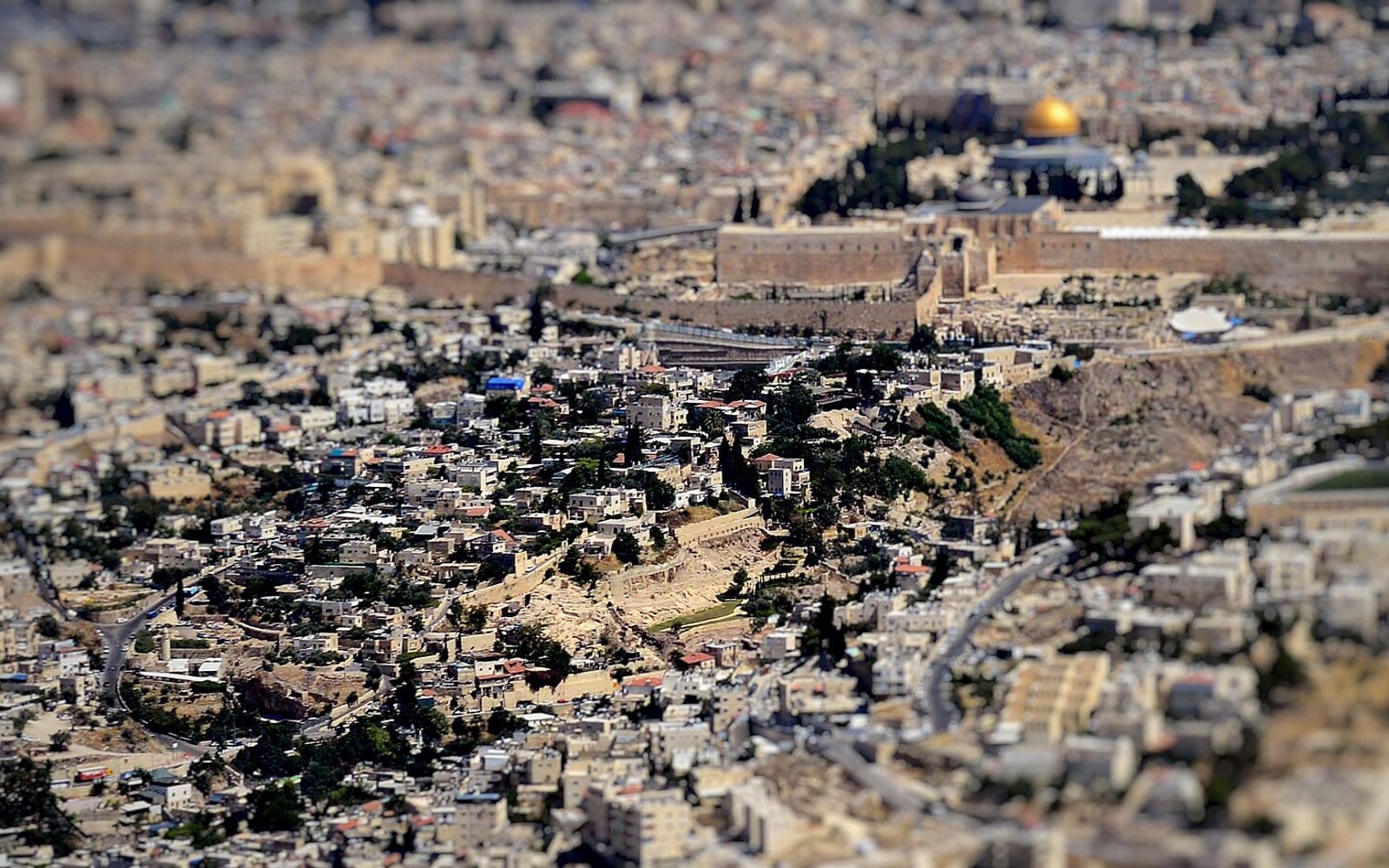
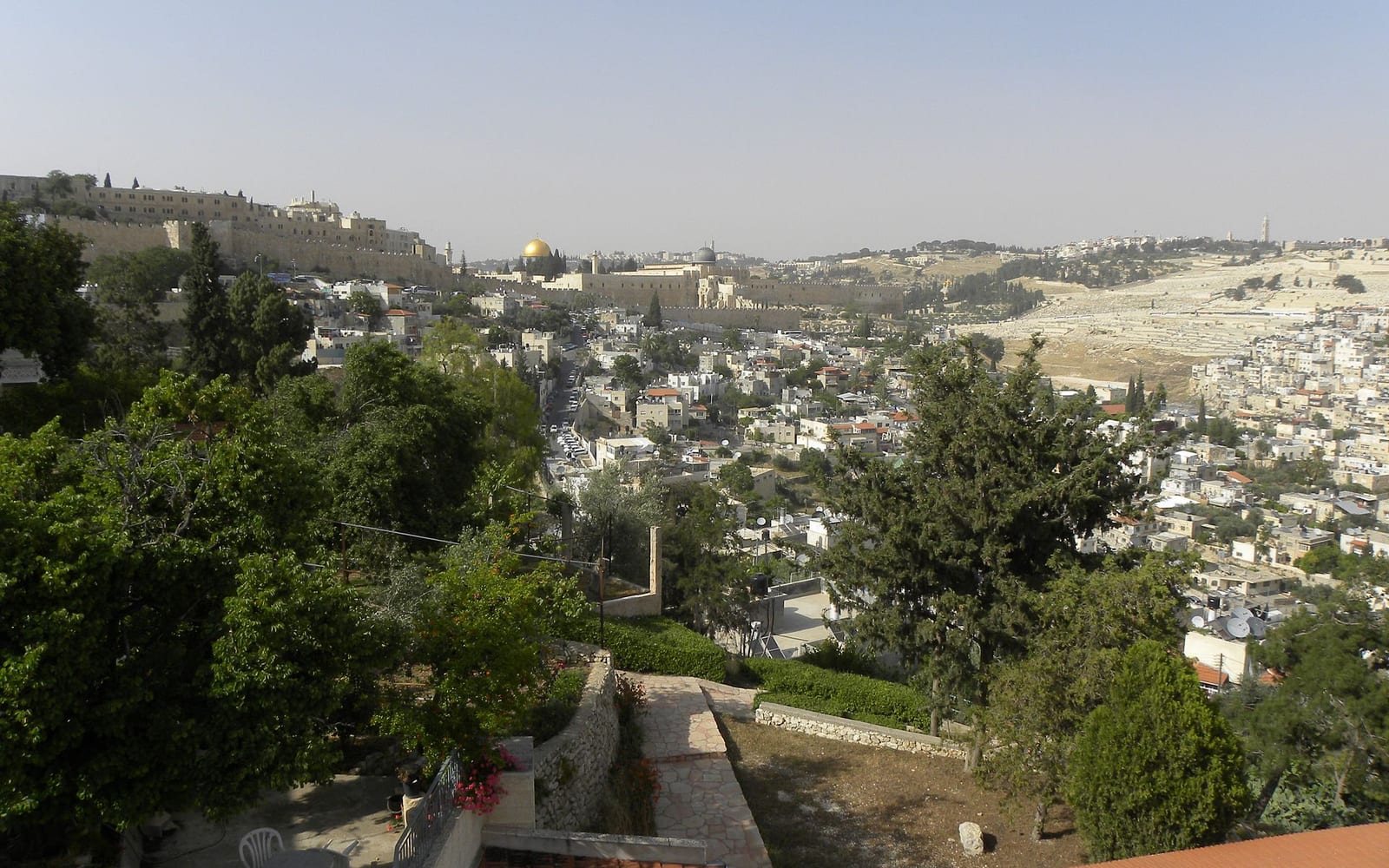
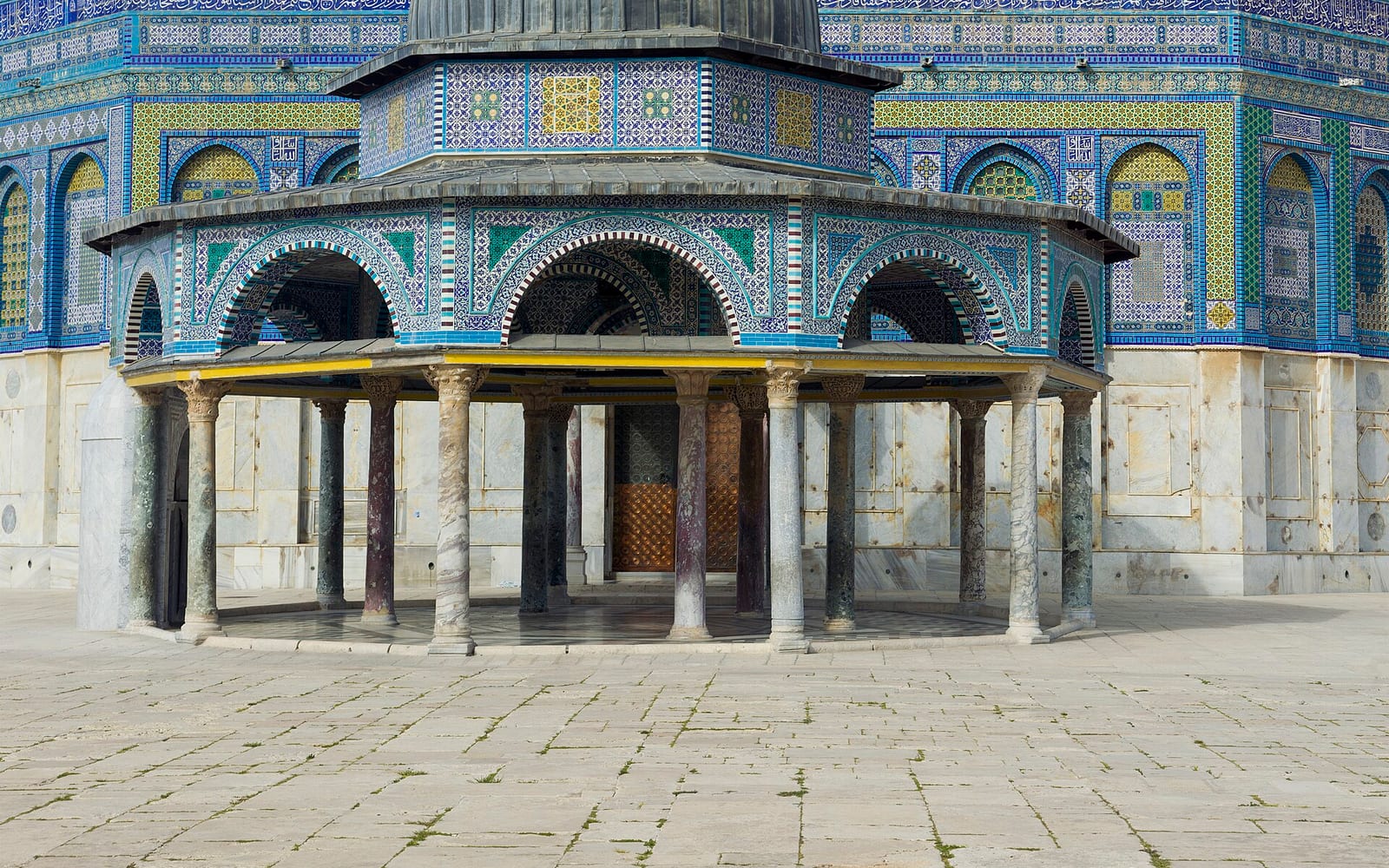
For Jews, it is the location of the First and Second Temples; the Western Wall below is a surviving section of the retaining wall Herod the Great built to expand the platform. For Muslims, the compound holds the Dome of the Rock and the Al-Aqsa Mosque, and is associated with the Prophet Muhammad’s Night Journey. The golden Dome of the Rock, completed in 691 CE, is one of the oldest works of Islamic architecture in the world and Jerusalem’s most recognisable landmark; it shelters the rock sacred to both traditions.
The compound is administered by the Jordanian-run Islamic Waqf (religious trust), while security and access are managed by the Israeli police. A long-standing arrangement known as the status quo governs worship and access. We describe the practical visitor rules below and keep to the facts — the site sits at the centre of deeply held religious attachments for millions of people.
How to visit as a non-Muslim
Entrance. Non-Muslims enter only through the Mughrabi Gate, reached by a covered wooden bridge that rises from the Western Wall plaza (by the security checkpoint near Dung Gate). All other gates are reserved for Muslim worshippers.
Hours. Non-Muslim visiting is limited to set windows, typically mornings, Monday to Thursday and Saturday — often roughly 07:30–10:30 plus a shorter afternoon slot around 12:30–13:30 (about 07:30–11:00 in winter). The compound is closed to non-Muslims on Fridays and Islamic holidays, and during Ramadan access is more restricted. These times shift and can be cut short or suspended without notice for security reasons, so confirm locally the day before and arrive at opening — there is only one queue and it builds fast.
Security & wait times. Everyone passes Israeli screening at the bridge. In quiet periods the wait is 15–20 minutes; in peak season or on the run-up to closing time, expect 30–60 minutes or more, and the gate stops admitting visitors well before the official close. Because the window is short, get in line before opening.
What you can’t bring. No non-Islamic religious items, texts or symbols (Bibles, prayer books, large crosses, etc.) — these may be refused or confiscated at security. Non-Muslim prayer and religious ritual are not permitted on the compound under the status quo. Large bags are discouraged; bring water and sun protection, as there’s little shade.
On the esplanade. Once up, you can walk the open plaza, admire the Dome of the Rock and Al-Aqsa exteriors at close range, and take photographs outdoors. The interiors of the Dome of the Rock and Al-Aqsa Mosque are open to Muslims only.
The rules — and why they matter
- Dress modestly. Shoulders and knees fully covered for all genders; no tight or revealing clothing. Cover-ups are not provided, so come prepared.
- No non-Muslim prayer or religious displays. Under the status quo, non-Muslims may visit but not pray or conduct rituals, and non-Islamic religious texts or symbols are not allowed. Security enforce this.
- Be respectful and unobtrusive. Keep your voice down, don’t photograph people at prayer, and follow the directions of the Waqf custodians and police at all times.
- Allow time and patience. Screening can be slow and the visiting window is short — plan your morning around it.
What you’ll see
- The Dome of the Rock — the octagonal, gold-capped shrine over the sacred rock, its exterior sheathed in dazzling blue-and-gold Ottoman tilework. The most photographed building in Israel.
- The Al-Aqsa Mosque — the silver-grey-domed congregational mosque at the compound’s southern end.
- The esplanade itself — fountains, cypress trees, arcades (the qanatir) and open views over the Old City rooftops and the Mount of Olives.
Plan your visit
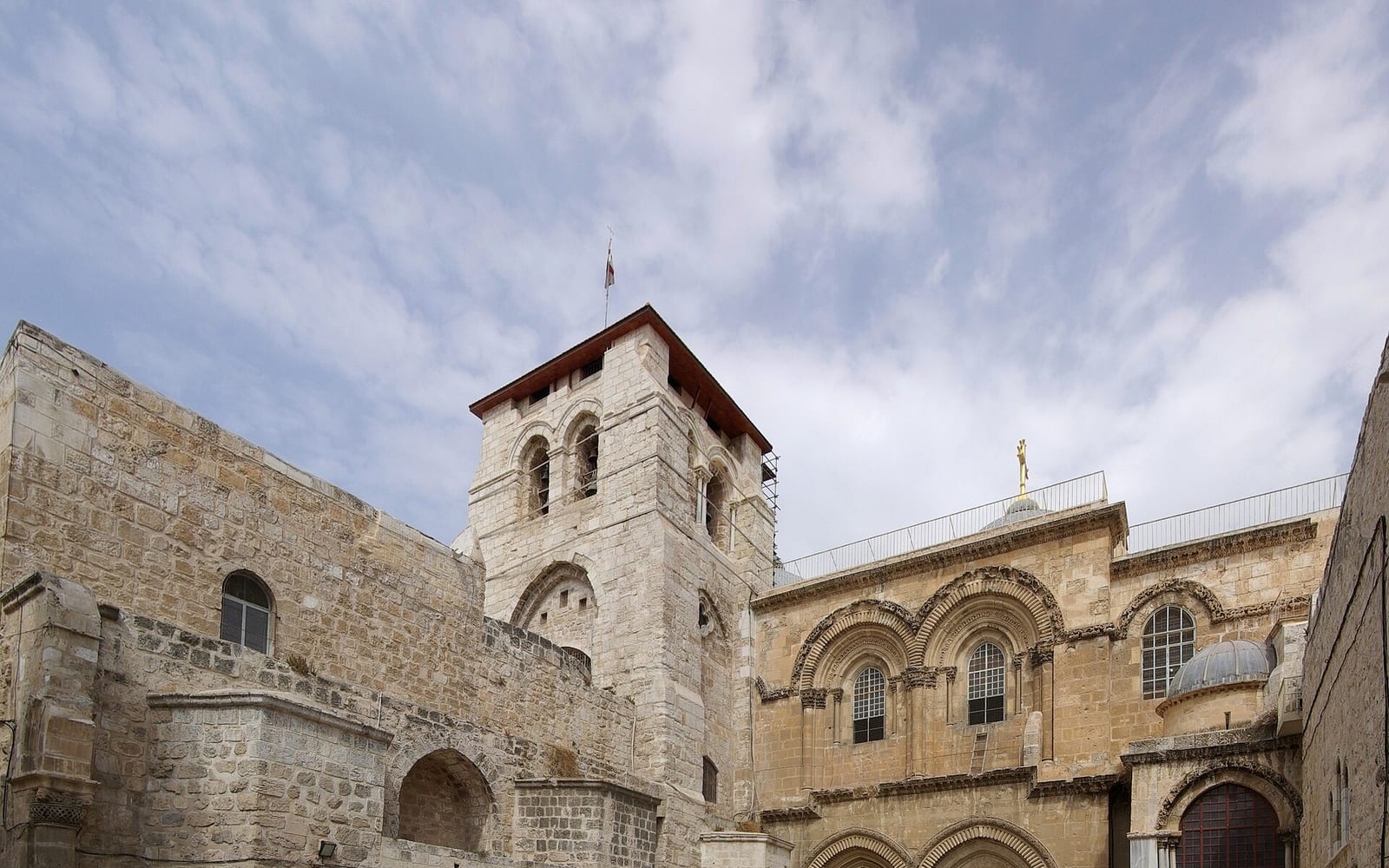
The Temple Mount sits a few minutes’ walk from the Western Wall, the Church of the Holy Sepulchre and the Old City markets — see the full Jerusalem guide to string them together, and the 3-day Jerusalem itinerary for timing. Because the hours are tight and unpredictable, many visitors join a guided Old City tour that builds the Temple Mount window into the morning, then continues to the Western Wall and Christian Quarter once the compound closes to non-Muslims. Keep your head and shoulders covered for the nearby holy sites too, and read our first-time-in-Israel guide before you go. For a comprehensive pre-visit briefing — what you can and cannot access, exact entry rules, dress code, and historical context — see the Temple Mount / Haram al-Sharif non-Muslim visitor guide.