The Israel Museum is the country’s largest and most important cultural institution — an expansive, beautifully laid-out campus in West Jerusalem that holds two of the most significant exhibits in the land: the Dead Sea Scrolls and a vast model of Jerusalem as it stood in the Second Temple period. It is an essential half-day, especially for anyone interested in the archaeology and history behind the sites in the Old City. It is also one of the best rainy-day and family options in the city — most of the galleries are indoors and air-conditioned, with a dedicated Youth Wing.
Need to know
| Cost | Adult |
| Hours | Roughly Sat–Mon & Wed–Thu 10:00–17:00; Tue 16:00–21:00; Fri & holiday eves 10:00–14:00. Closed some Sundays seasonally — confirm on the official site. |
| Time needed | 3–4 hours for the highlights; a full day for enthusiasts. |
| Getting there | Givat Ram, West Jerusalem. Buses 7, 9, 14, 35 to the Israel Museum / Ruppin stops; ~10–15 min taxi from the Old City. No light-rail stop at the door. |
| Best time | Weekday mornings are quietest; Tuesday’s late opening (until 21:00) is ideal in summer heat. |
| Accessibility | Step-free throughout, lifts between levels, free wheelchairs to borrow, accessible toilets and parking. The outdoor model and Art Garden have paved, gently sloping paths. |
The highlights
The Shrine of the Book & the Dead Sea Scrolls
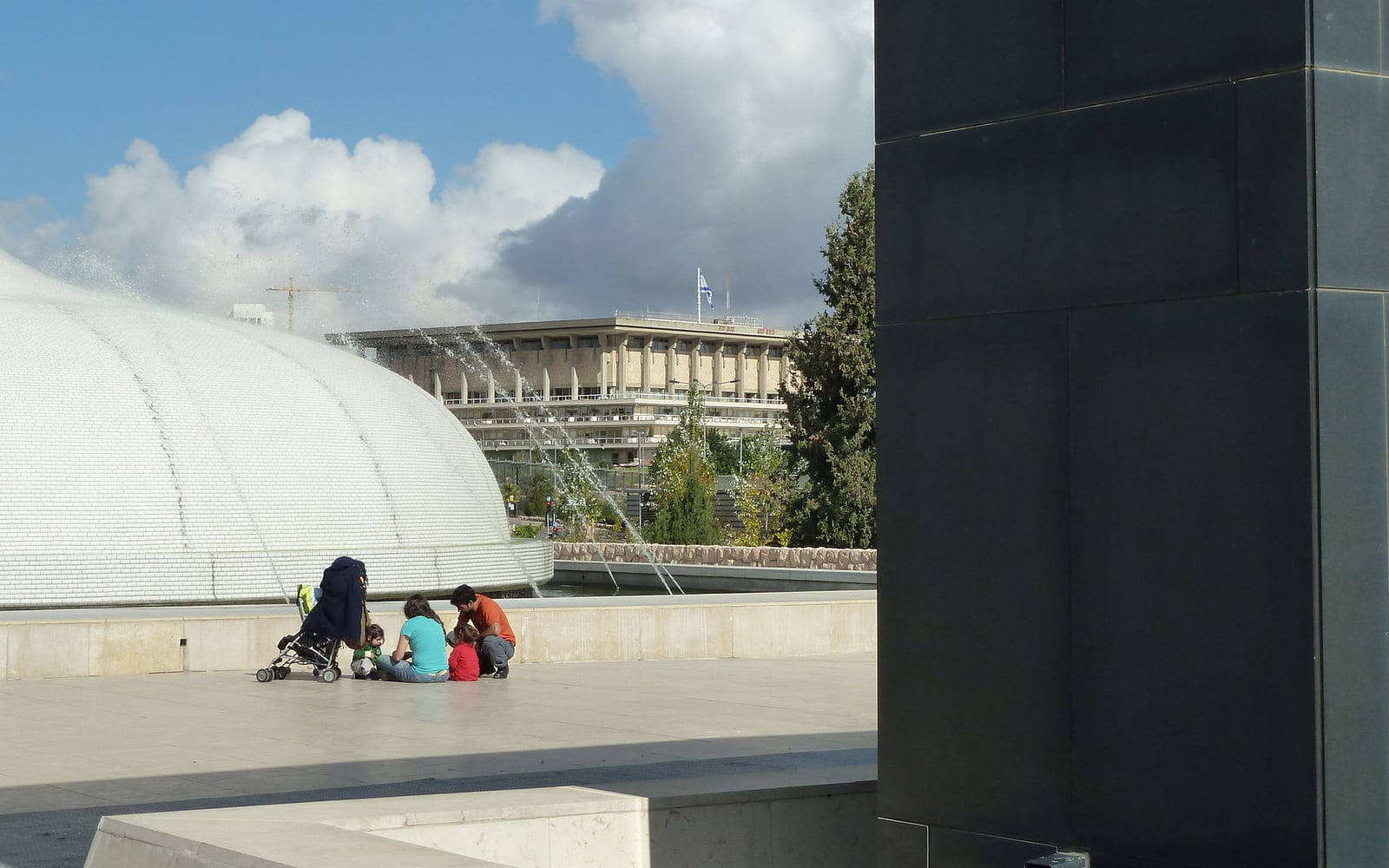
The museum’s signature building is the Shrine of the Book, a striking white domed structure (its lid echoes the jar lids in which the scrolls were found) set opposite a black basalt wall — a deliberate evocation of the War of the Sons of Light against the Sons of Darkness. Inside are the Dead Sea Scrolls, the roughly 2,000-year-old manuscripts discovered at Qumran by the Dead Sea, among the oldest known biblical texts in the world. To protect the fragile originals, the centrepiece Great Isaiah Scroll is shown as a facsimile while genuine fragments rotate through the surrounding cases. The lower gallery also displays the Aleppo Codex, the most authoritative medieval manuscript of the Hebrew Bible.
The Second Temple Model
Beside the Shrine sits a sprawling 1:50 scale model of Jerusalem in 66 CE, on the eve of the Great Revolt against Rome — the city at the height of the Second Temple period, with Herod’s temple complex, the Antonia Fortress and the streets that lie beneath today’s Old City. Originally built in the 1960s for the grounds of the Holyland Hotel and relocated here in 2006, it covers nearly 1,000 square metres. Walking around it brings the Temple Mount and Western Wall vividly to life, and it makes far more sense if you see it before exploring the Old City rather than after.
Archaeology, Jewish art and fine art
The main galleries are outstanding:
- Archaeology Wing — a sweeping journey through the material history of the land, from prehistory through the biblical and classical periods, including the silver “House of David” inscription and the oldest-known fragment of the priestly blessing.
- Jewish Art & Life Wing — three complete synagogue interiors transplanted from Italy, Germany, India and Suriname, ritual objects, and the rhythms of Jewish life across the diaspora.
- Fine Arts Wing — European masters, Israeli art, and a strong modern and contemporary collection.
- The Billy Rose Art Garden — a hillside sculpture garden designed by Isamu Noguchi, with works by Rodin, Picasso, Henry Moore and others, and fine views west.
- The Ruth Youth Wing — hands-on, exhibition-led activities that make this one of Jerusalem’s most child-friendly museums.
Practical tips
- Buy online for a small saving and to skip the ticket line; keep the repeat-visit entitlement in mind if you can’t finish in one day.
- Start with the Shrine of the Book and the model before the indoor galleries, especially in summer (both involve outdoor walking on the campus).
- Bags and lockers — large bags go through security; free cloakroom lockers are available near the entrance. Photography without flash is generally fine, but the Shrine of the Book interior is dim and tripods are not allowed.
- Eating — there are cafés and a restaurant on site (Modern and a casual café-bistro), so you don’t have to leave to refuel; nearest outside options are around the Knesset and Givat Ram.
- Combine tickets — a joint ticket with the neighbouring Bible Lands Museum is good value if you’re already in Givat Ram.
- Closing days vary — hours shorten on Friday and holiday eves for Shabbat, and some Sundays are closed seasonally, so confirm the day’s schedule before setting out.
Plan your visit
Pair the Israel Museum with the related sites it illuminates — Qumran and the Dead Sea on one day, the Old City, Temple Mount and Yad Vashem (also in West Jerusalem) on others. The Bible Lands Museum and Knesset are a short walk away in the same district. See the full Jerusalem guide and the 3-day Jerusalem itinerary to slot it in — a museum-and-model morning is the best possible primer before you walk the Old City.