Managing money in Israel is straightforward once you understand two things: the local currency (the New Israeli Shekel, ₪), and how to avoid Dynamic Currency Conversion — the hidden fee that catches most first-time visitors at ATMs and card terminals. Get those right, and the rest falls into place.
The New Israeli Shekel (NIS / ₪)
Israel’s currency is the New Israeli Shekel, abbreviated NIS or ₪ (Unicode: ₪). One shekel divides into 100 agorot, though the agora is rarely used in daily transactions.
Coins: ₪0.5, ₪1, ₪2, ₪5, ₪10
Banknotes: ₪20, ₪50, ₪100, ₪200
The ₪50 note is the most widely circulated denomination for everyday purchases. The ₪200 note is less commonly used and some small vendors may struggle to make change — avoid paying with ₪200 for small purchases under ₪50.
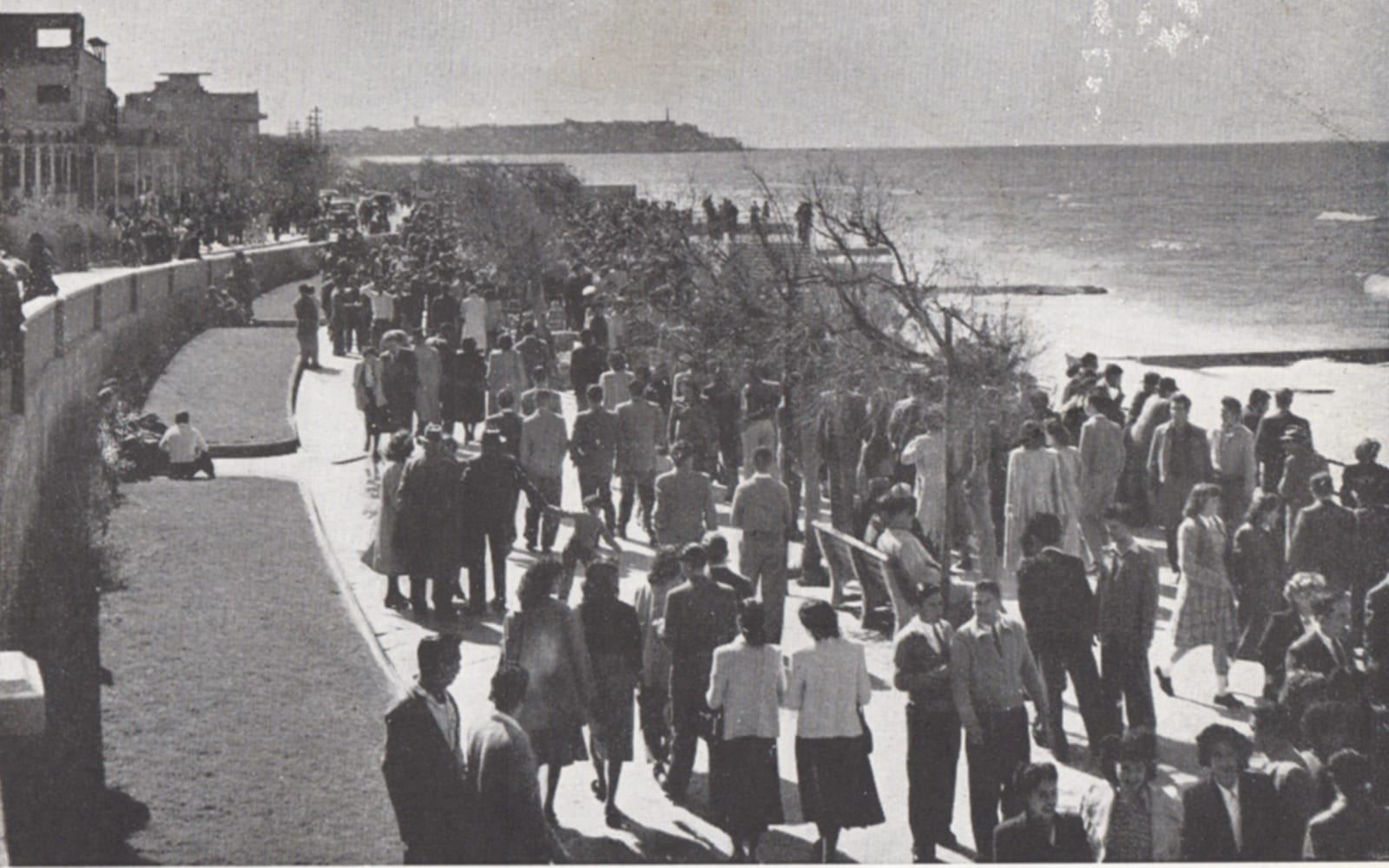
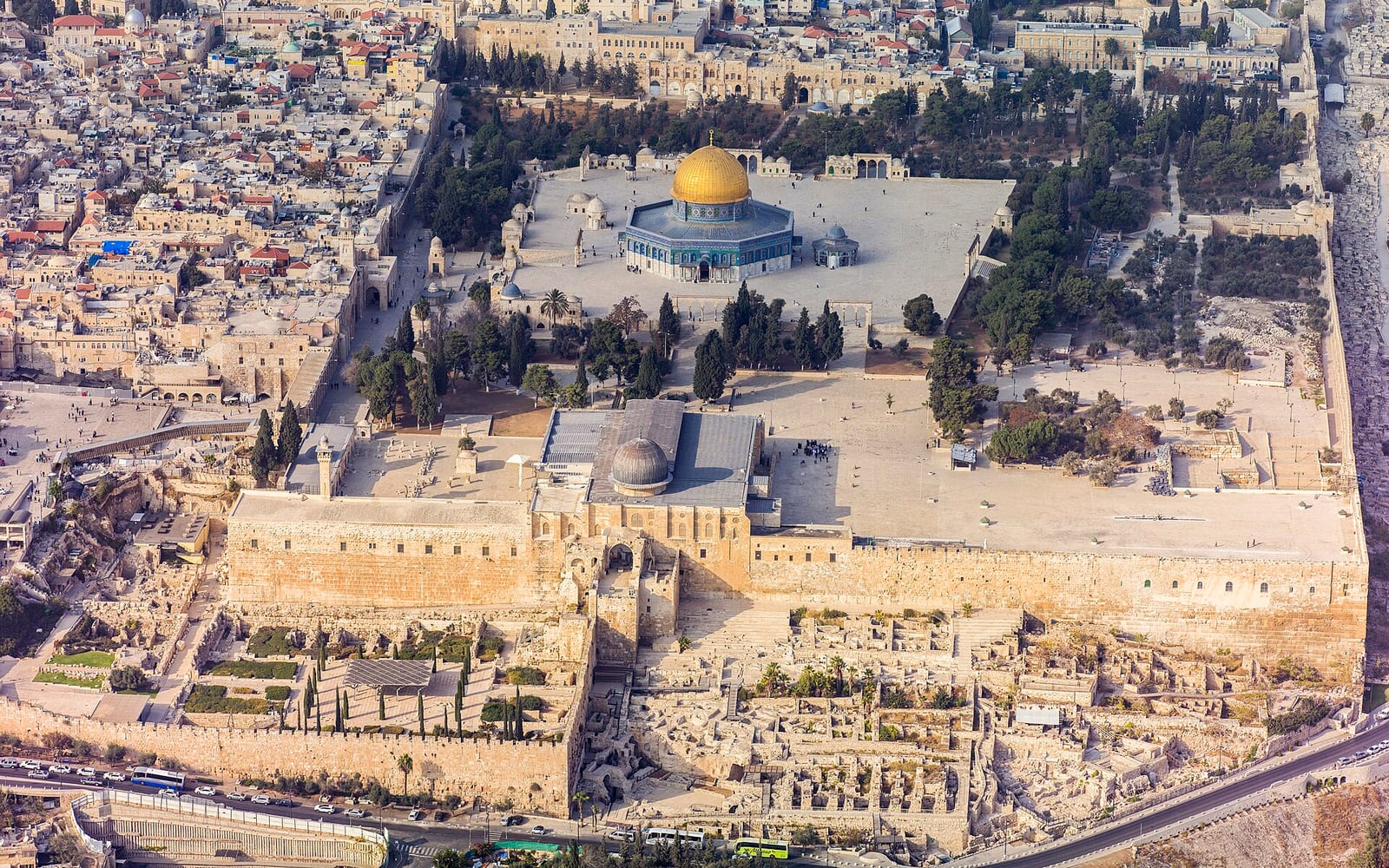
USD and EUR are accepted in tourist-facing hotels and some shops in Jerusalem’s Old City and along Tel Aviv’s beachfront, but you have no control over the exchange rate applied, and change comes back in shekels. Pay in shekels wherever possible.
ATMs in Israel
Bank ATMs in Israel are reliable and widely available in all cities and tourist areas. The best machines to use are those operated by the major Israeli banks:
- Bank Leumi (green/white branding) — the most widely distributed
- Bank Hapoalim — largest retail bank; ATMs at major junctions and malls
- Bank Discount — strong in Tel Aviv and Jerusalem city centres
- Mizrahi Tefahot — common in areas with a large religious community
Avoid convenience-store and hotel ATMs
Standalone machines inside convenience stores, petrol stations, and some hotel lobbies charge higher withdrawal fees and often push DCC conversion more aggressively. Use a bank-branded machine on the street where possible.
4-digit PIN requirement
Israeli bank ATMs require a 4-digit PIN. If your bank card has a 5- or 6-digit PIN, contact your bank before travelling to have it shortened to 4 digits — many ATMs will not accept longer PINs at all, and you may find your card locked after three failed attempts.
Always choose NIS
The single most important ATM tip: when the machine (or a card terminal) asks whether you want to complete the transaction in your home currency or in NIS, always choose NIS.
Avoiding Dynamic Currency Conversion (DCC)
Dynamic Currency Conversion is the single biggest money pitfall for tourists in Israel — and in most other countries. Here is how it works:
When you pay by card at a shop, restaurant, or ATM, the terminal may detect that your card is foreign and offer to convert the charge into your home currency at the point of transaction. The offer looks helpful: “We can charge you £42.80 instead of ₪199 — would you like to proceed?”
What the prompt does not say is that the exchange rate applied is set by the payment terminal provider, not your bank, and it is typically 5–10% worse than your bank’s interbank rate. The provider pockets the difference.
How to decline DCC:
| Scenario | What to do |
|---|
| ATM asks “Would you like to withdraw in [home currency]?” | Choose NIS / local currency |
| Card terminal shows “Do you accept conversion?” | Tap No or Decline |
| Staff pre-selects your home currency | Ask them to reprocess in NIS |
If you accidentally accept DCC, the charge will still appear on your card statement — but at the inflated rate. There is no recourse once you have accepted.
Paying by card in Israel
Visa and Mastercard contactless are accepted virtually everywhere in Israel — supermarkets, restaurants, hotels, taxis, petrol stations, and most shops. Tap-to-pay is standard.
American Express is accepted selectively. Large hotels and upmarket restaurants take it; everyday cafés and smaller shops often do not. Carry a Visa or Mastercard as your primary card.
Before you travel:
- Notify your bank of the travel dates and destination — some banks block foreign transactions without prior notification.
- Enable international payments if you have not used the card abroad recently.
- Note the emergency number on the back of your card in case of loss or theft.
Low-fee card options worth considering for frequent travellers: Wise (formerly TransferWise) and Revolut both offer multi-currency accounts that typically apply the mid-market exchange rate with low or no foreign transaction fees. These are not affiliate recommendations — they are editorially noted as genuinely useful options for travellers who make many card purchases abroad.
Cash strategy: when you need it
Despite Israel’s strong card infrastructure, cash remains necessary in several situations:
Markets
Israel’s famous street markets are a cultural highlight — and many stalls are cash-only:
- Machane Yehuda Market, Jerusalem — the most famous covered market; permanent stalls have card readers but most open-air food traders and spice vendors are cash-only
- Carmel Market (Shuk HaCarmel), Tel Aviv — similar mix; cash pays faster and prevents awkward waits
- Old City Bazaar, Jerusalem — predominantly cash; vendors in the Muslim Quarter and Armenian Quarter rarely accept cards
Carry at least ₪150–250 in small notes (₪20 and ₪50) before entering any market.
Other cash-only situations
- Some parking metres (particularly older machines in Jerusalem)
- Local minibus services (sherut shared taxis)
- Small religious-site entrance donations or tzedakah (charity) boxes
- Some Druze and Bedouin village shops in rural areas
Shabbat cash strategy
ATMs can run low on cash on Fridays, particularly in Jerusalem and other cities with large religious communities, as people withdraw for Shabbat shopping early in the day. If your plans involve a Shabbat stay, withdraw the cash you need on Thursday evening or Friday morning before 11am. ATM refills do not happen from Friday afternoon until Saturday night.
Many small local restaurants, vendors, and shops also close from Friday afternoon until Saturday night — so the cash you carry is what you have.
Currency exchange
If you need to exchange physical banknotes (USD, EUR, GBP):
| Location | Rate quality | Notes |
|---|
| Ben Gurion Airport exchange desks | Poor | Convenient but expensive |
| Hotel exchange desks | Poor to fair | Avoid; convenience premium |
| City bureaux de change (Jerusalem Old City, Ben Yehuda St, TLV Dizengoff) | Fair to good | Better than airport; rates vary |
| Bank ATM (withdraw NIS directly) | Best | Recommended approach |
The most efficient option for most visitors is simply to withdraw NIS from a bank ATM on arrival rather than exchanging foreign cash. The ATM exchange rate is set by the international interbank market; a bureau applies a spread on top of that.
For up-to-date NIS exchange rates, check xe.com — never rely on rates quoted in a guide or article, which can be outdated by the time you read them.
Practical summary
- Use bank ATMs (Leumi, Hapoalim, Discount, Mizrahi): best exchange rates.
- Always choose NIS at ATMs and card terminals: avoid Dynamic Currency Conversion.
- 4-digit PIN required: shorten your PIN before travelling.
- Visa or Mastercard as your primary card; Amex as a backup only.
- Carry ₪200–400 cash for markets, Shabbat, and cash-only vendors.
- Withdraw early on Friday if you need cash for the weekend.