Israel is one of the world’s most rewarding destinations for travellers over 50 and 60 — concentrated ancient history, spiritual depth, modern infrastructure, and world-class medical facilities within a country so small that you can reach almost any site by mid-morning. This guide covers the practical questions that matter most: when to go, how to pace a trip, which sites suit older travellers best, and whether to travel independently or with a small-group escorted tour.
When to go: best seasons for senior travellers
Spring (March–May) and autumn (October–November) are the prime windows. Temperatures are comfortable — typically 18–26°C in Jerusalem and Tel Aviv, slightly cooler in the Galilee, warmer near the Dead Sea. Tourist numbers are lower than midsummer, and the landscape is at its finest: spring brings wildflowers across the Galilee hills and Negev; autumn turns the Jerusalem hills golden.
Avoid late July–August if heat is a concern. Jerusalem regularly reaches 30–33°C; the Dead Sea and Negev can hit 38–42°C. Midday outdoor activity becomes uncomfortable; archaeological parks with little shade (Masada summit, Avdat) should be visited at sunrise or late afternoon. Tour operators who specialise in senior travel build their itineraries around early starts and a midday hotel return.
December to February offers mild temperatures (12–18°C) and almost empty sites — an appealing trade-off for travellers who can tolerate some rain. The Christmas period in Jerusalem and Nazareth brings crowds around December 24–25, but January and February are very quiet indeed.
Pace: how many sites per day
The right rhythm for a comfortable Israel trip is 2–3 sites per day, with hotel return by early afternoon. Budget group tours often attempt 5–6 stops; that pace is exhausting and leaves little time to absorb each site. The better approach:
- Morning visit (8–10am start): coolest part of the day; archaeological parks are quieter early
- Midday break (12:30–3pm): lunch and rest at the hotel or a shaded café — this is when heat and foot traffic peak
- Afternoon visit (3–5:30pm): optional second stop for indoor sites (museums, churches, galleries) or a shorter outdoor walk; skip entirely in July–August
This rhythm fits naturally into how specialist escorted tours structure their days. Independent travellers with a private driver and guide can set their own pace.
Key sites: senior-friendly picks
Dead Sea and Ein Bokek
The Dead Sea is one of the most manageable and rewarding experiences in Israel. The resort beach strip at Ein Bokek is flat, paved, and designed for easy access — hotels, restaurants and a public beach all at the same level. Floating in the Dead Sea requires no swimming ability; the extraordinary salt concentration makes it effortless, and many travellers find the mineral-rich water therapeutic. Most Ein Bokek hotels have spa facilities offering Dead Sea mineral mud treatments, massages and beauty treatments using locally sourced minerals. Travellers with chronic skin conditions such as psoriasis or eczema may also want to read the Dead Sea medical tourism guide, which covers structured three-to-four week climatotherapy stays and EU health insurance reimbursement options.
Practical note: the Dead Sea is hot in summer (June–September). Spring and autumn visits are more comfortable. Spend no more than 15–20 minutes in the water at a time — the salinity is extreme, and any cuts or eyes exposed to the water sting immediately. Bring water shoes for the pebbly lake floor.
Masada — use the cable car
Masada is fully accessible without the hiking trail. The cable car runs from the base to the summit plateau in under 3 minutes and provides full access to the archaeological park: Herod’s palace ruins, Roman-era cisterns, an ancient synagogue, and sweeping views over the Dead Sea basin. A visitor centre, café and shaded rest areas are on the summit.
The Snake Path hike (the famous sunrise approach) is steep and takes 45–90 minutes uphill — it is not suitable for most travellers with joint or cardiac concerns. The cable car alternative is used by a large proportion of all visitors and is in no way a lesser experience. Check current operating hours at parks.org.il before visiting; summer and winter hours differ.
Jerusalem — with the right expectations
Jerusalem’s Old City is among the most extraordinary places on earth, and most senior travellers find it manageable with realistic preparation:
- The Western Wall plaza and Jewish Quarter are the most accessible sections — a broad stone plaza with a flat approach and no significant stairs to the Wall itself
- The Muslim and Christian Quarters involve narrow lanes and uneven Jerusalem stone — comfortable shoes with grip are essential; walking sticks or trekking poles are genuinely useful
- Via Dolorosa to the Church of the Holy Sepulchre involves steps and stone paving; allow extra time and build in rest stops
- Inside the Church of the Holy Sepulchre the entrance is at ground level; the Edicule involves a small threshold step
A private guide makes the Old City significantly more enjoyable — they know which streets avoid the steepest cobbled sections, how to time the crowds at each site, and where shaded rest points are.
Caesarea — one of the most accessible archaeological parks
Caesarea, the ancient harbour city built by Herod the Great, has well-maintained paved walkways through its Roman theatre, Crusader fortifications and Herodian harbour ruins — mostly flat, with good shade cover in the morning. It works well as a half-day morning visit on a Tel Aviv → northern Israel drive. The Israel National Parks Pass covers entry.
Galilee — boat trip and viewpoints
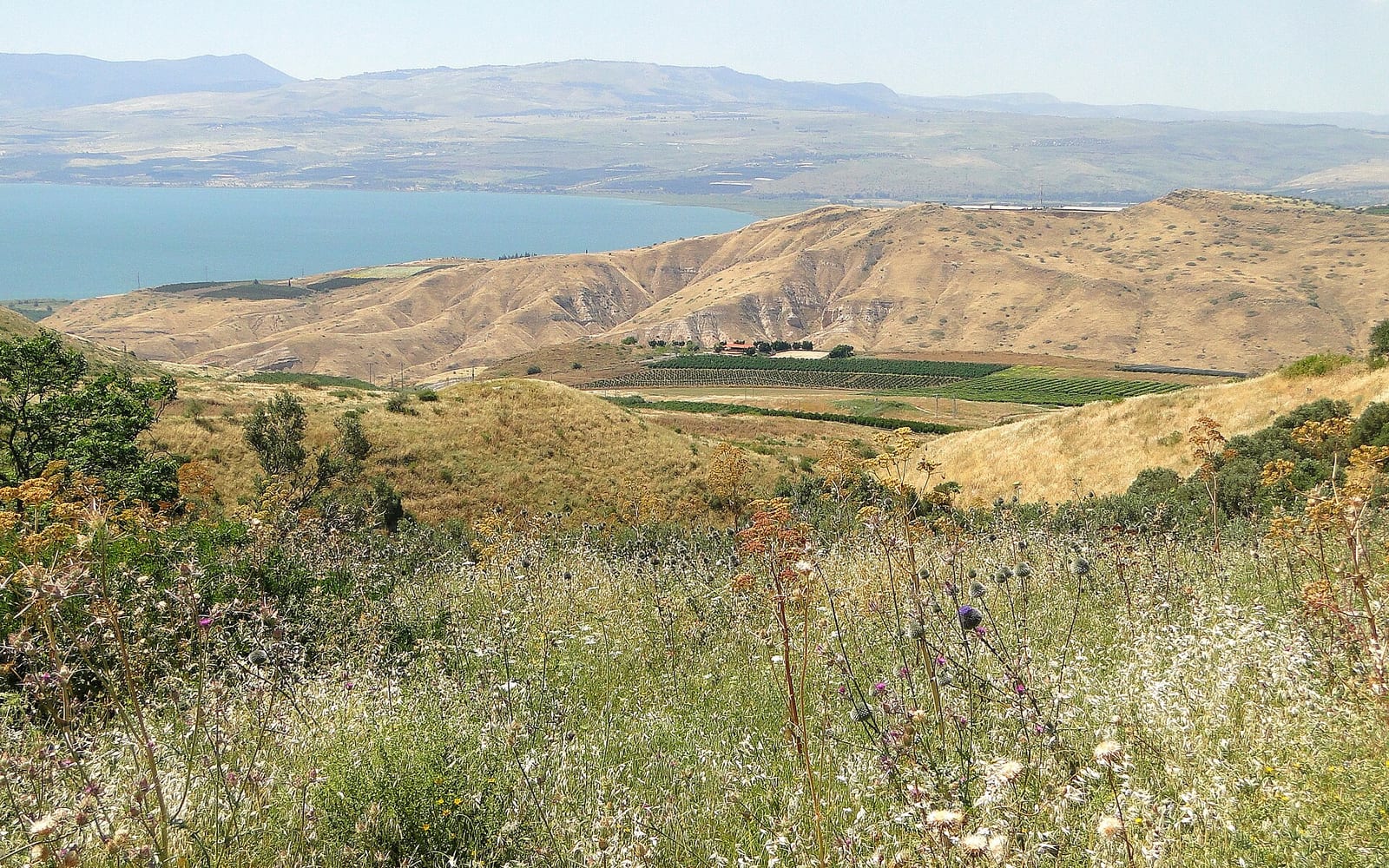
The Galilee region offers several experiences well-suited to senior travellers: a boat trip on the Sea of Galilee (calm water, 45–60 minutes, no physical exertion) is a highlight for Christian pilgrims and general visitors alike. The Mount of Beatitudes viewpoint above the lake is accessible by paved path and has one of the finest views in the region. Nazareth and the Basilica of the Annunciation (modern building with lift access) are a short drive from the lake.
Dead Sea spa hotels — built-in recovery days
Many senior-focused itineraries include 1–2 nights at a Dead Sea spa hotel as a deliberate rest segment. Flat terrain, mineral spa treatments, and hotel dining all at the same level make these days low-exertion but high-experience. Operators including Bein Harim and Abraham Tours build Dead Sea overnights into their senior programs.
Small-group tours vs independent travel
Small-group escorted tours
The primary advantage of a small-group escorted tour (typically 6–20 people) is that all logistics and accommodation selection are handled by operators with experience in the Israeli market. Specialist companies choose hotels for:
- Proximity to hospitals and pharmacies
- Lift-accessible or ground-floor rooms (often guaranteed contractually)
- Restaurants that can accommodate dietary requirements
Bein Harim Tourism Services and Abraham Tours are among the most experienced operators for this segment. TourRadar lists Israel tour packages from multiple operators, with filters for group size, trip length and comfort tier — useful for comparing departure dates, inclusions and price ranges across the market.
A well-paced 7-day small-group tour typically covers Jerusalem (2–3 nights), the Dead Sea (1 night), the Galilee (1–2 nights), and Haifa/Caesarea (1 night). Some itineraries include the Negev or Eilat.
Private guided tours
Hiring a private guide and driver for some or all days is a popular option for senior travellers who want full flexibility. A private guide costs more per person than a group tour seat, but gives you:
- Itinerary adjusted to your physical pace on the day
- Air-conditioned vehicle available at all times
- The guide’s judgment about when to push on and when to rest
- Personalised focus: Christian pilgrimage, Jewish heritage, archaeology, food — whatever matters most to you
Abraham Tours and most Jerusalem-based agencies arrange full-day private guided experiences. Compare rates directly with operators.
Independent travel
Israel is manageable for independent senior travel by car. Driving in Israel is on the right; rental cars are widely available from major international companies at Ben Gurion Airport. The intercity bus network is good but involves Hebrew-language signage and security queues — manageable, but more tiring than a private vehicle. Private airport transfers to your first hotel are strongly recommended for a relaxed start; see the airport transfers guide.
Medical and practical considerations
Medical care: Israel’s hospital system is world-class. Hadassah Medical Center (Jerusalem), Ichilov/Sourasky (Tel Aviv) and Rambam (Haifa) all operate to European standards. Travel insurance covering emergency medical evacuation is strongly recommended — the travel insurance guide explains what to look for in a policy suited to older travellers, including pre-existing condition coverage.
Medication: Pharmacies in Israel (beit merkachat / בֵּית מֶרְקַחַת) are well-stocked and pharmacists typically speak English. Bring a full supply of prescription medications plus at least 2 weeks’ extra; some drugs are available locally under different brand names. Carry a written list of generic drug names and dosages in English.
Heat management: seniors are more susceptible to heat exhaustion. Carry water at all times (bottled water is inexpensive and available everywhere — see the cost and budget guide). Wear a hat and sunscreen SPF50+. Schedule outdoor activity before 11am and after 4pm from May to September.
Walking surfaces: Israel’s major sites involve more walking than many visitors expect. Jerusalem stone is beautiful but polished-smooth in high-traffic areas and can be slippery. Wear soft-soled shoes with grip; a lightweight folding walking stick provides useful stability in the Old City and on archaeological sites.
Dietary requirements: Israeli cuisine is highly accommodating. Vegetarian, dairy-free and low-sodium options are available in most restaurants; the Israeli food guide explains the cuisine traditions and what to expect at markets and restaurants.
Packing notes
- Walking shoes with grip are the single most important item — not sandals
- Layers: spring and autumn mornings can be cool (10–15°C); afternoons warm (22–28°C)
- Modest clothing: required at the Western Wall, churches and religious sites (shoulders and knees covered); see the dress code guide
- Sun protection: hat, SPF50+ sunscreen, UV-blocking sunglasses
- Walking stick or trekking poles: optional but valuable for the Old City and rocky terrain
See the full Israel packing list for a comprehensive checklist, and the Israel weather and packing guide for month-by-month advice.
Use the trip cost calculator to budget your trip, and the how many days guide to decide on length. For Christian-heritage itineraries, see the Holy Land pilgrimage guide; for Jewish heritage, see the Jewish heritage guide.
See also: Israel with kids · Accessible travel in Israel · First time in Israel · Best time to visit Israel · Dead Sea · Jerusalem · Masada · Caesarea · Israel medical tourism guide