Israel and Turkey are two of the most consistently searched destination comparisons among European travellers planning an Eastern Mediterranean holiday. Both offer ancient history, strong food cultures, warm-water coastlines and good air connectivity from Europe. The choice depends on what you prioritise. Here is how they compare across the questions that matter most.
Side by side
| Criterion | Israel | Turkey |
|---|
| Best known for | Jerusalem, history, the Dead Sea float, Tel Aviv urban life | Istanbul, Cappadocia, turquoise coast beaches, Ephesus |
| Coastline | 273 km Mediterranean + Red Sea (Eilat) | 8,000+ km across Mediterranean, Aegean & Black Sea |
| Typical mid-range daily cost | ₪600–900 / person (approx €150–230) | Significantly lower at current lira exchange rates |
| Visa | ETA-IL (~USD 7, online) | e-Visa (~USD 50 for most nationalities) |
| Flight time from London | ~4.5 hrs (Ben Gurion, TLV) | ~3.5 hrs (Istanbul, IST/SAW) |
| Flight time from New York | ~10 hrs (TLV) | ~10 hrs (IST) |
| Historical density | Very high — major sites within a compact footprint | Very high — spread across a much larger country |
| Nightlife | Tel Aviv = world-class club scene | Istanbul + Bodrum = strong; varies by region |
| Safety for tourists | High in mainstream areas | High in main tourist areas; check eastern regions |
| Best season | Spring (Mar–May) and autumn (Sep–Nov) | Spring (Apr–Jun) and autumn (Sep–Oct) |
| Best for | Cultural intensity, religious sites, urban energy | Beach variety, value, historical breadth, Istanbul |
Costs
Israel is a middle-income-to-high-income country with prices comparable to Western Europe. Accommodation, restaurant meals and taxis in Tel Aviv and Jerusalem are priced at a level that surprises some first-time visitors. A mid-range hotel in Tel Aviv runs ₪700–1,200 per room per night; a restaurant meal ₪80–150 per person without drinks; an Uber-equivalent taxi across central Tel Aviv ₪40–70.
Turkey, by contrast, has seen its lira depreciate sharply against the euro, dollar and pound in recent years, making it excellent value for visitors earning in hard currencies. An equivalent quality hotel in Istanbul’s tourist districts costs a fraction of what the same room would cost in Tel Aviv; restaurant meals and local transport are dramatically cheaper.
For budget-conscious travellers or families, Turkey is the clearer choice on cost. For travellers whose primary goal is cultural intensity and who are comfortable with Western European price levels, Israel’s higher costs reflect a distinct and valuable experience.
See the Israel cost and budget guide for detailed breakdowns by accommodation tier, city and season.
Beaches
Turkey wins on beach variety. The Turquoise Coast — from Fethiye and Ölüdeniz through Kaş, Kalkan and Antalya — offers dozens of sheltered bays with dramatic limestone cliffs, clear water and minimal development. Bodrum, Çeşme and Marmaris offer a more resort-oriented Aegean coast. The variety and total length of Turkey’s coastline is simply not comparable to Israel’s.
Israel’s beaches reward concentration. Tel Aviv’s Mediterranean beach strip — 14 km of sandy public beaches immediately accessible from the city centre — is exceptional for an urban beach experience. The Red Sea beaches of Eilat, particularly Coral Beach with its offshore reef, offer some of the most accessible snorkelling in the region. The best beaches in Israel guide covers the full national range.
If you are choosing primarily based on beach holidays, Turkey offers substantially more variety and scale. If you want to combine a great urban beach with major city life, Tel Aviv is hard to beat.
History and culture
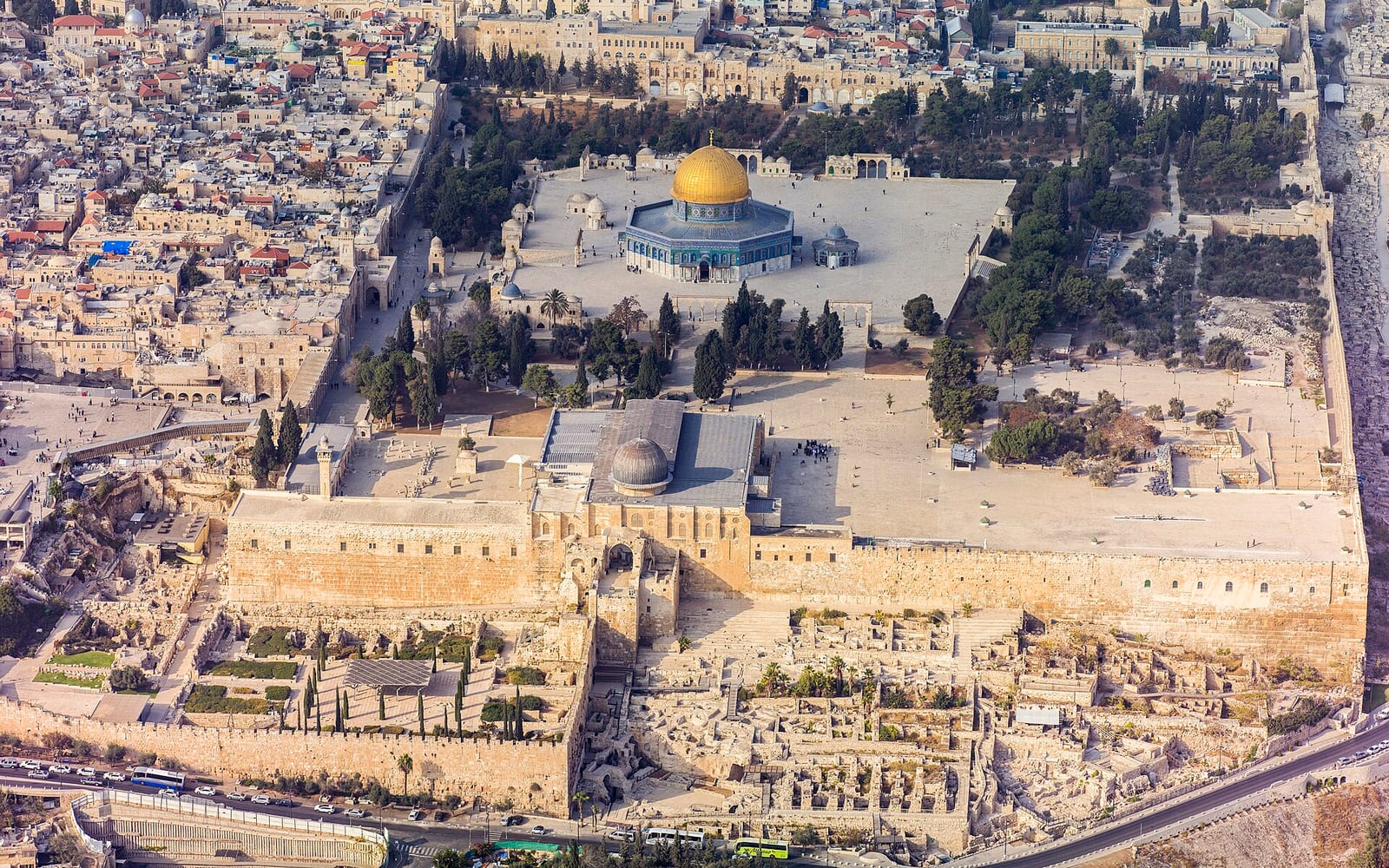
Israel’s claim to historical intensity is nearly unrivalled globally. In Jerusalem, a city of around 900,000 people, you can walk in 20 minutes from the site where the Second Temple stood to the Church of the Holy Sepulchre to the Dome of the Rock — three of the most significant religious monuments in human history in a single Old City. Add Yad Vashem, the City of David underground excavations, Hezekiah’s Tunnel, the Israel Museum’s Dead Sea Scrolls and the Shrine of the Book, and Jerusalem alone could absorb a week.
Outside Jerusalem: Masada (the desert fortress where the Jewish Revolt ended), Caesarea (a Herodian port city now partially underwater), Akko (a Crusader port city with intact subterranean fortifications), Capernaum (Jesus’s ministry base on the Sea of Galilee), and the ancient Nabataean city at Avdat.
Turkey’s history is vast in scale but spread across a much larger country. Ephesus (near Izmir) is the best-preserved Greco-Roman city in the Eastern Mediterranean — a serious rival to Pompeii. Istanbul holds the Hagia Sophia (1,500 years old, originally a Byzantine cathedral, later an Ottoman mosque), the Blue Mosque, Topkapi Palace, the Byzantine Hippodrome and a 6th-century underground cistern. Cappadocia has 10th-century Byzantine cave churches hidden in volcanic rock formations. Göbekli Tepe (near Şanlıurfa) is the world’s oldest known temple complex, predating Stonehenge by 6,000 years.
For maximum historical impact per day, Israel delivers more, faster. For historical breadth — multiple civilisations across a landscape the size of France — Turkey offers more ground.
Food
Israeli and Turkish food share Ottoman and Levantine roots — hummus, kebab, baklava, börek, stuffed vine leaves, flatbreads and mezze culture appear in both. The differences are in the layers each country adds.
Israeli cuisine synthesises Jewish diaspora cooking with local Levantine tradition: Yemenite malawach flatbread, Persian-style rice, North African shakshuka, Eastern European schmaltz herring and pickles all arrived with different waves of immigration and became part of the Israeli kitchen. Tel Aviv has a world-class restaurant scene with dense fine-dining and notably Israel has one of the highest per-capita vegan populations globally — plant-based options are widespread and high quality.
Turkish food offers a broader street-food landscape: simit (sesame ring bread), balık ekmek (grilled fish sandwich on the Galata Bridge), döner variants, midye dolma (stuffed mussels), kofte, lahmacun and pide. Istanbul’s Spice Market and the covered bazaars are genuine food destinations.
For travellers with dietary restrictions — particularly vegans, vegetarians and those managing kosher diets — Israel is exceptionally well equipped. For pure street-food breadth at low cost, Turkey has more variety.
See the Israeli food and cuisine guide for the full picture.
Safety
Both destinations are safe for mainstream tourism, with important nuances.
Israel has a sophisticated, pervasive security infrastructure that is visible and effective. Bag checks at mall entrances, security checkpoints at major sites and trained armed forces are part of daily life — and they work. The is-israel-safe guide covers the security context in detail, including what the security situation means in practical terms for visitors and how to check your home government’s current advisory. The primary areas of concern are in specific geographic zones; mainstream tourist itineraries (Jerusalem, Tel Aviv, Galilee, Dead Sea, Eilat) are highly secure.
Turkey is safe in Istanbul, Cappadocia, and the Aegean and Mediterranean coasts — the areas most visitors spend their time. Multiple governments advise against travel to specific provinces in southeastern Turkey (particularly those near the Syrian border). Istanbul itself has experienced terrorist incidents in the past decade; the risk for tourists has diminished but is not zero. Always check your government’s current travel advisory before booking.
For first-time visitors coming from Europe or North America, both destinations feel safe in practice in their major tourist zones.
Visas and entry
Israel (ETA-IL): Citizens of the EU, USA, UK, Canada, Australia and many other countries can apply for an Electronic Travel Authorisation (ETA-IL) online. The fee is approximately USD 7 and the authorisation is typically granted within minutes. This replaced the previous visa-on-arrival system in 2025. See the Israel visa information guide for full details by nationality.
Turkey (e-Visa): Most European, American, Canadian and Australian nationals can apply for a Turkey e-Visa online at e-visa.gov.tr. The fee for many nationalities is currently around USD 50, and the e-Visa is typically issued instantly. Citizens of some countries (including Germany and the Netherlands) have recently had visa requirements adjusted — verify your specific nationality’s requirements at the official Turkish MFA site before booking.
Getting there from Europe
Both destinations are well-served from major European hubs.
Israel: From London (Heathrow/Gatwick/Luton), El Al and British Airways fly to Ben Gurion Airport (TLV) in approximately 4.5 hours; EasyJet has served the Gatwick route seasonally (verify current status on easyjet.com before booking). From Amsterdam, Paris, Frankfurt and Rome, flights are typically 3.5–4.5 hours. Low-cost carriers have increased Israel routes since 2023.
Turkey: Istanbul is closer to Western Europe — roughly 3.5 hours from London, 2.5 hours from Rome or Vienna. Pegasus Airlines and Turkish Airlines offer competitive fares from across Europe. Bodrum and Antalya have direct charter and low-cost connections from the UK, Germany and Scandinavia in summer. Note: as of mid-2026, Turkish Airlines has not restored its Tel Aviv (TLV) service — verify current routes at turkishairlines.com before planning a combined itinerary.
Flexible-date searches often reveal 30–40% differences between weeks — use the Skyscanner flights card above to compare fares for both destinations.
Who should visit Israel
- Travellers whose primary goal is experiencing the world’s most historically dense city (Jerusalem)
- First-time Middle East visitors who want a Western-infrastructure country with strong English coverage
- LGBTQ+ travellers (Tel Aviv is one of the most queer-friendly cities in the world)
- Food-focused travellers with dietary restrictions (kosher infrastructure, high vegan density)
- Winter-sun seekers (Israel’s Mediterranean coast + Eilat Red Sea remain warm October–April)
- Visitors combining with Petra or a Jordan extension (easy from Eilat or via the Jordan River crossing)
See first time in Israel for a practical planning overview.
Who should visit Turkey
- Travellers prioritising beach variety and the classic Mediterranean coast holiday
- Budget-conscious travellers who want maximum value from hard currencies
- History enthusiasts who want to explore multiple civilisations across a large, diverse landscape
- Visitors combining with a Greek island extension (ferry connections from the Aegean coast)
- Families who want large resort infrastructure with a softer price point
Combining both
Israel and Turkey are not efficiently combinable in a single trip — there are no direct flights between the two countries (as of 2026), and routing via a third hub adds time and cost. Travellers who want both tend to visit on separate trips.
A common Eastern Mediterranean multi-year plan: Israel for cultural intensity on trip one (Jerusalem, Tel Aviv, Galilee, Dead Sea), Turkey on trip two for historical breadth (Istanbul, Cappadocia, Aegean coast). Both reward multiple visits and reward dedicated first trips more than combined itineraries.
More: First time in Israel · Best time to visit Israel · Israel costs and budget guide · Best beaches in Israel · Is Israel safe? · Israel visa information · Israel vs Jordan · Israel vs Egypt · Israel vs Greece · Israel vs Dubai · Israel vs France · Dead Sea vs Eilat · Tel Aviv vs Jerusalem