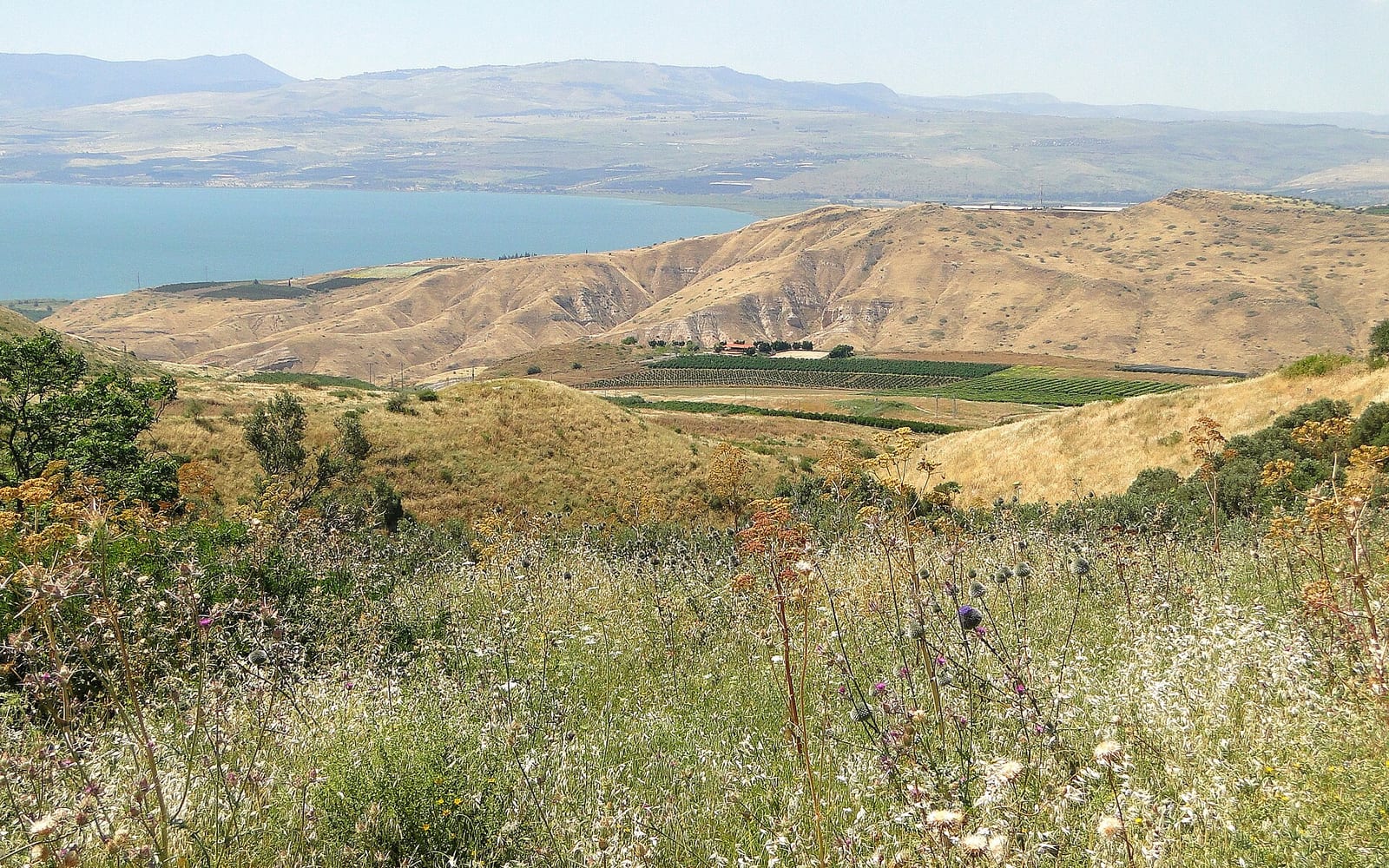
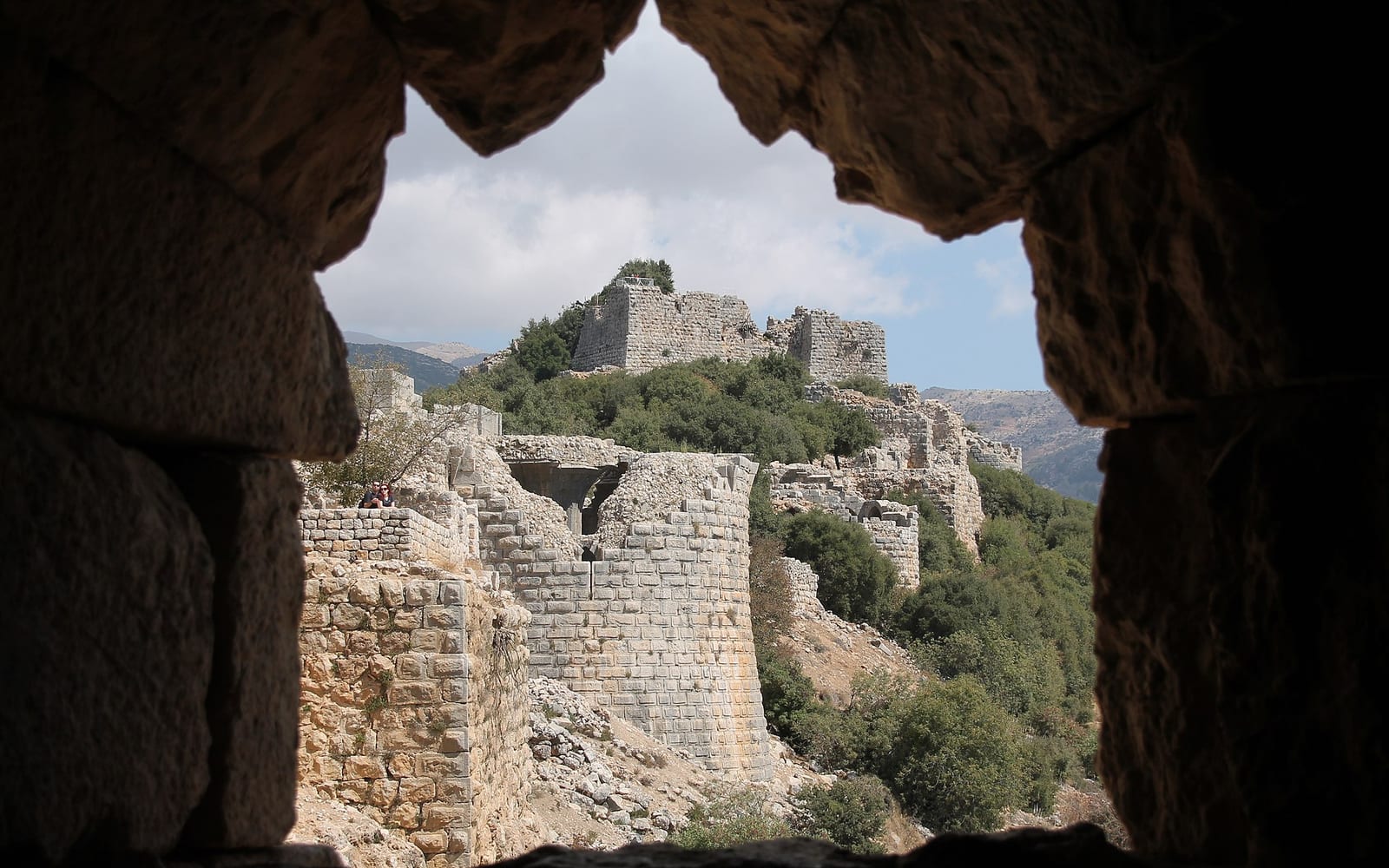
Israel has a quiet but well-developed horseback riding scene — concentrated in the Galilee and Golan Heights, where rolling hills, forest trails and Sea of Galilee panoramas make for memorable rides. The landscape and the operators here have attracted equestrian visitors from across Israel and abroad for decades, with the Galilee’s Vered HaGalil having operated since 1961 as one of Israel’s pioneering rural tourism businesses.
This guide covers the main riding centres, what to expect from a trail ride, the best season to go, and practical booking notes.
Why Galilee and Golan for horseback riding
The northern regions offer terrain that simply doesn’t exist elsewhere in Israel:
Galilee — rolling limestone hills covered in wild oak, pine and scrubland, with views across the Sea of Galilee (Kinneret) from many elevated trails. The temperature is cooler than the coast and the landscape is green from November through June.
Golan Heights — volcanic basalt plateau with dense oak and pine forests, dramatic canyon rims, and panoramic views extending to Mount Hermon, the Sea of Galilee and, on clear days, Mount Lebanon. The Golan sits 300–1,000 m above the coastal plain and feels genuinely different from the rest of Israel.
By contrast, desert riding in the Negev exists (Mitzpe Ramon and Eilat have small operations) but the extreme heat window is narrow — only October through April — and the operator infrastructure is less developed.
Main riding centres
Vered HaGalil — Upper Galilee
The most established equestrian centre in Israel and one of the country’s oldest rural tourism operations, Vered HaGalil (meaning “Rose of the Galilee”) has been running trail rides and guesthouse stays near Korazim since 1961. It sits on a hilltop above the northwestern shore of the Sea of Galilee with panoramic views across the lake and into the Golan Heights.
Routes: one-hour introductory trail rides; two-hour hillside routes with Sea of Galilee views; half-day programs; multi-day overnight trail rides for experienced riders (the longest descends through the Galilee hills to the Jordan Valley).
Who it suits: all experience levels. Beginners get a well-paced orientation ride; experienced riders can arrange longer, faster-paced routes with advance notice.
Practical notes: advance booking essential, especially for weekends, Israeli holidays and the multi-day programs. The guesthouse on-site offers rooms for overnight stays — a natural pairing with an early-morning ride before the day’s heat.
Habokrim Ranch — Kibbutz Merom Golan, northern Golan Heights
Habokrim (“Cowboy Ranch” in Hebrew) operates from Kibbutz Merom Golan on the northern Golan plateau, near the volcanic Golan cone landscape and the Banias Springs nature reserve. The terrain is distinctly Golan — basalt rock outcrops, dense oak forests and open grassland with views toward Mount Bental and the Syrian border ridge.
Routes: one- to two-hour guided trail rides through Golan oak forest; sunset rides available in season. The ranch also runs a cowboy-style cattle farm operation alongside the tourism activity.
Who it suits: intermediate and beginner riders. The ranch has a genuine working-farm character that appeals to visitors wanting an agricultural angle alongside the riding.
Moshav Ramot — southern Golan Heights
Moshav Ramot sits on the southern Golan plateau overlooking the Sea of Galilee from the east — a spectacular vantage point with the lake below and the Galilee hills across the water. The moshav has a small equestrian centre offering guided trail rides on the Golan plateau.
Routes: one-hour introductory and family rides; sea-view plateau rides. The riding centre caters primarily to families and Israeli domestic tourism.
Who it suits: beginners and families with children. The southern Golan location combines easily with a day at the Sea of Galilee beaches or a visit to Katzrin.
Kibbutz Ein Dor — Jezreel Valley
Kibbutz Ein Dor’s riding centre sits in the Jezreel Valley, south of Mount Tabor, on a flat agricultural plain that allows for a different riding style than the hill-country operators. The kibbutz sits near the ancient town of Ein Dor, mentioned in the biblical account of King Saul — adding a low-key archaeological angle to a trail ride in the valley.
Routes: flat valley trail rides; mountain views toward Gilboa Ridge and Mount Tabor. Shorter sessions available for families.
Who it suits: younger children and those for whom hilly terrain is a concern. The flat Jezreel terrain is less demanding than the Galilee hillsides.
What to expect on a trail ride
Before departure — the guide will match you to a horse based on your experience level and physical build. You will receive a basic orientation: how to hold the reins, how to stop and steer, and what to do if the horse reacts unexpectedly. First-time riders should not find this intimidating — the horses used at Israeli tourist ranches are calm trail animals, not unpredictable competition horses.
During the ride — the guide leads at the front. The pace is typically walk for beginners, with trot sections introduced if the group is comfortable. Canter is usually reserved for riders who indicate prior experience. The guide controls the group’s position and deals with any horse behaviour. You are not expected to manage difficult situations independently.
What to wear — closed-toe shoes (trainers are acceptable; sandals are not). Long trousers to avoid saddle rub. Helmets are provided at all the major centres; wearing one is mandatory. A light layer for Galilee mornings (which can be cool even in summer) and sunscreen for afternoon rides.
Combining with the Jesus Trail
Vered HaGalil sits close to one section of the Jesus Trail — the 65 km walking route connecting Nazareth to Capernaum on the Sea of Galilee shore. The Galilee hillside landscape that trail riders cover on horseback is the same terrain hikers walk through on the trail’s northern section. Riders who are also interested in Galilee’s Christian heritage can pair a morning trail ride at Vered HaGalil with an afternoon walk on a section of the Jesus Trail near Capernaum or the Mount of Beatitudes.
Season and planning table
| Season | Galilee/Golan | Negev (Mitzpe Ramon) | Notes |
|---|
| Mar–May | Excellent | Good | Peak green season; wildflowers; book well ahead for Passover |
| Jun | Good | Avoid midday | Galilee warm but manageable; Negev hot by 10:00 |
| Jul–Aug | Early morning only | Avoid | Summer heat; operators run 07:00–09:00 sessions only |
| Sep–Oct | Excellent | Excellent | Best all-round; autumn colour begins in Golan |
| Nov–Feb | Possible; muddy trails possible | Good | Winter rains make some Galilee paths slippery; Negev stays dry |
Practical notes
- Booking: book online or by phone — arriving without a reservation risks finding sessions full, particularly at Vered HaGalil. Galilee operators are popular with Israeli domestic travellers, not just international tourists.
- Getting there: all four main operators require a rental car. Public transport does not serve the rural Galilee and Golan riding centres directly. From Tiberias, the Sea of Galilee lake road reaches Vered HaGalil in about 20 minutes; from Katzrin, Habokrim is around 25 minutes north.
- Safety: horseback riding carries inherent physical risk. All operators require a signed waiver. Inform the staff of any back or joint concerns before mounting. Stay with the guide throughout the ride.
- Children: minimum age is typically 8–12 years depending on the operator; minimum height requirements apply at some centres. Confirm with your chosen ranch before booking with young children.
More: Hiking in Israel · Adventure sports & outdoor activities · Galilee region guide · Golan Heights guide · Israel with kids · Car rental in Israel · Cycling in Israel