Nazareth (Hebrew: נָצְרַת, Arabic: النَّاصِرَة) is one of the oldest continuously inhabited cities in the world and Israel’s largest Arab city, home to around 77,000 residents today. For Christian pilgrims it is the city of the Annunciation — the site where, by tradition, the angel Gabriel appeared to Mary; the city where Jesus grew up; and the starting point of the Galilee ministry. For non-religious travellers, it is Israel’s most immersive Arab-Israeli city: a living, working urban centre where Arabic is the language of daily life, the Old City souq is authentic rather than touristic, and the food scene — centred on knafeh, Arabic sweets, and some of the best hummus in the north — is genuinely distinctive.
Nazareth is the third most-visited Christian destination in Israel after Jerusalem and Bethlehem, yet it sees far fewer foreign visitors than those cities. That asymmetry is one of its attractions: the atmosphere is less frantic, the sites are rarely overcrowded (outside Christmas and Easter), and the interaction between the city’s Christian and Muslim Arab communities plays out in the daily life of the streets rather than in a museum.
The Basilica of the Annunciation
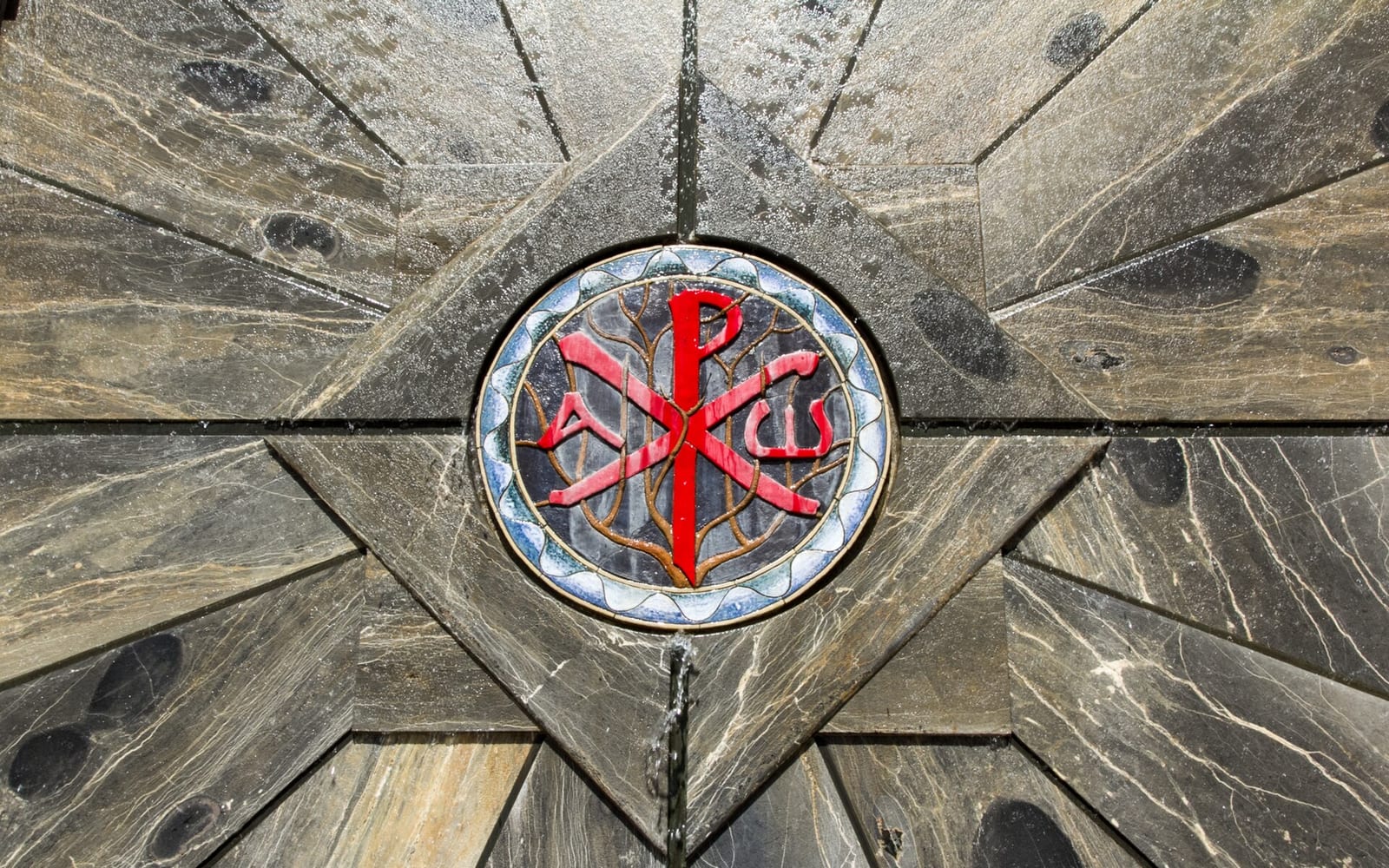
The Basilica of the Annunciation is the largest church in the Middle East and the defining structure of modern Nazareth — its vast dome visible from across the valley. Built by the Franciscan Custody of the Holy Land and completed in 1969 (designed by Giovanni Muzio), it was built over the ruins of earlier Byzantine and Crusader churches and, in the lowest level, the Grotto of the Annunciation itself: the cave beneath the altar that tradition identifies as the site of Mary’s home and the appearance of the Angel Gabriel.
The church operates on two levels. The lower church descends to the Grotto — a small, atmospheric cave chapel where pilgrims pray at the spot marked as the Annunciation site. The upper church is a vast, light-filled space whose most remarkable feature is the international character of its art: dozens of mosaic panels donated by Catholic communities from around the world, each depicting Mary and the infant Jesus in the national artistic style of the donor country. The Japanese panel (a serene, ukiyo-e style depiction), the Nigerian panel (vivid colours, traditional West African dress), and the Mexican panel are among the most striking. Walking the perimeter of the upper church is, in its own way, a visual tour of global Catholicism.
Practical notes:
- The Basilica is Franciscan-administered; modest dress is required (covered shoulders and knees for all; a scarf is available at the entrance if needed)
- Renovation and restoration work occurs in phases — hours and access to specific chapels can change. Always verify current visitor arrangements at custodia.org or the Franciscan Custody’s communications before visiting
- The site is most atmospheric on weekday mornings before organised tour groups arrive; late afternoons can be surprisingly quiet
- Photography is permitted in most of the church, but silence and respectful behaviour are expected throughout
Mary’s Well and the Church of St Gabriel
A short walk north from the Basilica brings you to Mary’s Well — a reconstructed Ottoman-era fountain in the city’s central square, marking the site of the spring around which the ancient village of Nazareth was built. The well is mentioned in the Protoevangelium of James (a 2nd-century apocryphal text) as the location where the angel first appeared to Mary before the Annunciation event at her home.
Directly above the spring, the Church of St Gabriel (the Greek Orthodox Basilica of the Annunciation) is built over the water source itself. The Greek Orthodox tradition places the Annunciation here, at the well, rather than at the Franciscan site — the two churches represent two Christian traditions’ claims to the same theological event, co-existing in the same small city with remarkable matter-of-factness. The Byzantine-era church interior is richly decorated with icons and candlelight, and you can descend to the crypt where the ancient spring still flows beneath the church floor.
The square around Mary’s Well has become a pleasant gathering place: a handful of good cafés face the fountain, and the White Mosque (a functioning local mosque; visitors are welcome in the courtyard at appropriate times, outside prayer hours) adds to the sense of the city’s layered character.
Nazareth Village
Nazareth Village is a living-history museum built on a plot of first-century agricultural terraces uncovered during development. Actors in period dress demonstrate 1st-century Galilean life — farming, weaving, carpentry, wine pressing, olive oil production — in reconstructed structures that follow the archaeological evidence from the period. The guided tour lasts approximately 90 minutes and covers the terraces, a synagogue reconstruction, a winepress, and the village homes.
The experience is valuable not as entertainment but as historical context: Nazareth Village conveys what daily life in a 1st-century Jewish agricultural village actually looked like — the physical scale of the houses, the agricultural cycle, the centrality of the synagogue — in a way that no written description can quite match. For Christian pilgrims, it brings the Galilee ministry into concrete focus; for other visitors, it is a genuinely serious piece of living archaeology.
Practical notes:
- Tours run by appointment; advance booking is strongly recommended, especially during peak pilgrimage seasons (Easter, Christmas, and summer)
- Check current tour times and booking arrangements directly at nazarethvillage.com
- Allow at least two hours, plus travel time from the Basilica (a 10–15 minute walk south)
The Old City souq
Nazareth’s Old City is not a heritage park but a working Arab-Israeli urban quarter — the souq is where residents buy their spices, fabrics, and groceries alongside the tourist shops selling ceramics and religious souvenirs. Walking into it from Casa Nova Street, the atmosphere changes: the streets narrow, Arabic is spoken on all sides, and the smells of za’atar, cardamom, and fresh-baked bread fill the alleys.
The market is at its most active on weekday mornings. The main corridor runs from the area around the Basilica south through the covered sections toward the central market area. Key things to look for:
- Spices and herbs: the stalls selling za’atar blends, sumac, dried herbs, and dried fruit are excellent — za’atar bought loose from a Nazareth spice merchant is markedly different from the packaged supermarket versions
- Arabic sweets: several long-established pastry shops line the approaches to the market. Knafeh is the signature item (see the FAQ section), but baklava, maamoul (shortbread with date or walnut filling), and sesame-studded ka’ak rings are also produced fresh daily
- The White Mosque: the Nabi Sa’in Mosque, built in the early 19th century, is visible along the northern approach to the souq. Its courtyard is generally accessible for respectful visitors; observe local norms around prayer times
The souq is busiest and most atmospheric from around 08:00–13:00 on weekdays; it quietens significantly in the early afternoon heat.
Where to eat
Nazareth has a genuinely strong food scene by small-city standards, centred on the Arab-Israeli culinary tradition that combines Palestinian village cooking with Lebanese, Syrian, and Israeli influences.
- Knafeh: the best versions in Nazareth come from the pastry shops around Mary’s Well and along the main souq corridor. There is no single definitive address — the standard is consistently high, and it is worth trying more than one shop
- Hummus: several local institutions serve hummus that rivals anything in Tel Aviv or Jerusalem. Portions are typically larger and prices lower. Look for hummus that is made fresh each morning and served warm with olive oil, whole chickpeas, and fresh vegetables on the side
- Diwan restaurant (near the Basilica) and El-Babour (in the old flour mill near the souq) are among the most consistently cited addresses for a sit-down meal of Arab-Israeli cooking — warm salads, lamb dishes, and a bread basket that arrives with za’atar and olive oil. Reservations are advisable at busy periods
- Arabic breakfast: several cafés near Mary’s Well serve the Arab-style morning spread — hummus, ful (stewed fava beans), labneh (strained yoghurt), fresh vegetables, and pita bread with olive oil. This is a genuinely good way to start a day in Nazareth and is relatively inexpensive
The city’s restaurants are predominantly halal and are not kosher-certified. Most are open seven days a week; a few close on Fridays for Jumu’ah (the Friday noon prayer) and reopen in the afternoon.
Ramadan in Nazareth
Nazareth’s Ramadan evenings rival its Christmas festival for atmosphere. After iftar, the Old City market and the streets around the central mosque come alive with lanterns, grilled meat stalls, knafeh vendors and an ebullient community gathering that continues late into the night. Arab-owned restaurants in the Old City operate on adjusted daytime hours during Ramadan — closed during fasting hours, open well past midnight after sunset. See the Ramadan in Israel guide for full logistics and dates.
The Christmas festival
Nazareth’s Christmas Eve celebration is regularly reported as the largest in Israel. The city’s Arab Christian community — predominantly Greek Orthodox, Roman Catholic, Melkite, and Maronite — fills the streets around the Basilica and the Old City for an evening of carol singing, open churches, decorated streets, and festive markets. The atmosphere is markedly different from the heavily touristed Christmas experience in Bethlehem: Nazareth’s celebration is primarily local, attended by Israeli Arab Christian families alongside international visitors.
Practical notes:
- Dates, specific programming, and logistics change each year — check the Nazareth Municipality (nazareth.muni.il) for current information as the date approaches
- Access to the Old City centre may be restricted by road closures on the evening of 24 December; parking is limited and the area becomes very crowded — arriving early or by public transport is advisable
- Christmas in Israel falls on 25 December (Catholic/Protestant), 7 January (Eastern Orthodox) and mid-January (Armenian) — Nazareth has all three communities, so celebrations span a wider period than the single date suggests
Practical planning
Getting there from Tel Aviv:
- By car: approximately 90km via Highway 6 (Kvish 6) and Route 60; allow 75–90 minutes outside rush hours
- By public transport: train from Tel Aviv to Kfar Saba–Kochav Yair (~45 min), then bus 823/824 to Nazareth (~45 min); or direct Egged/Kavim bus from Tel Aviv Central Bus Station (~1.5–2 hours by express)
Getting there from Haifa:
- Bus 331/332 (Egged) from Haifa Lev HaMifratz to Nazareth central bus station: approximately 45–55 minutes
- By car: approximately 35km via Highway 75; around 35–45 minutes
Getting there from Jerusalem:
- By car: approximately 150km via Highway 6; allow 1.5–2 hours
- By organised tour: the most practical option for Jerusalem-based visitors, typically departing 07:30–08:00
Half-day vs full day: A half-day (3–4 hours) covers the Basilica, Mary’s Well, and a walk through the souq. A full day of 5–7 hours adds Nazareth Village (advance booking required) and a leisurely lunch. Combining with the Sea of Galilee (1 hour east) extends a full northern day very naturally — see the itinerary note below.
Parking: The city has paid parking lots near the Basilica. The Old City alleys are not navigable by car. Arriving by 09:00 avoids the worst of the limited parking near the Basilica.
Combine with nearby destinations
- Zippori National Park (5 km northwest, 10 minutes by car): the Roman mosaics site of ancient Sepphoris — start here at 8:00am before the site heats up, see the “Mona Lisa of the Galilee” mosaic and the Byzantine synagogue floor, then drive to Nazareth. The Zippori / Sepphoris guide covers the mosaics, Roman theater, and the site’s connection to Galilee history
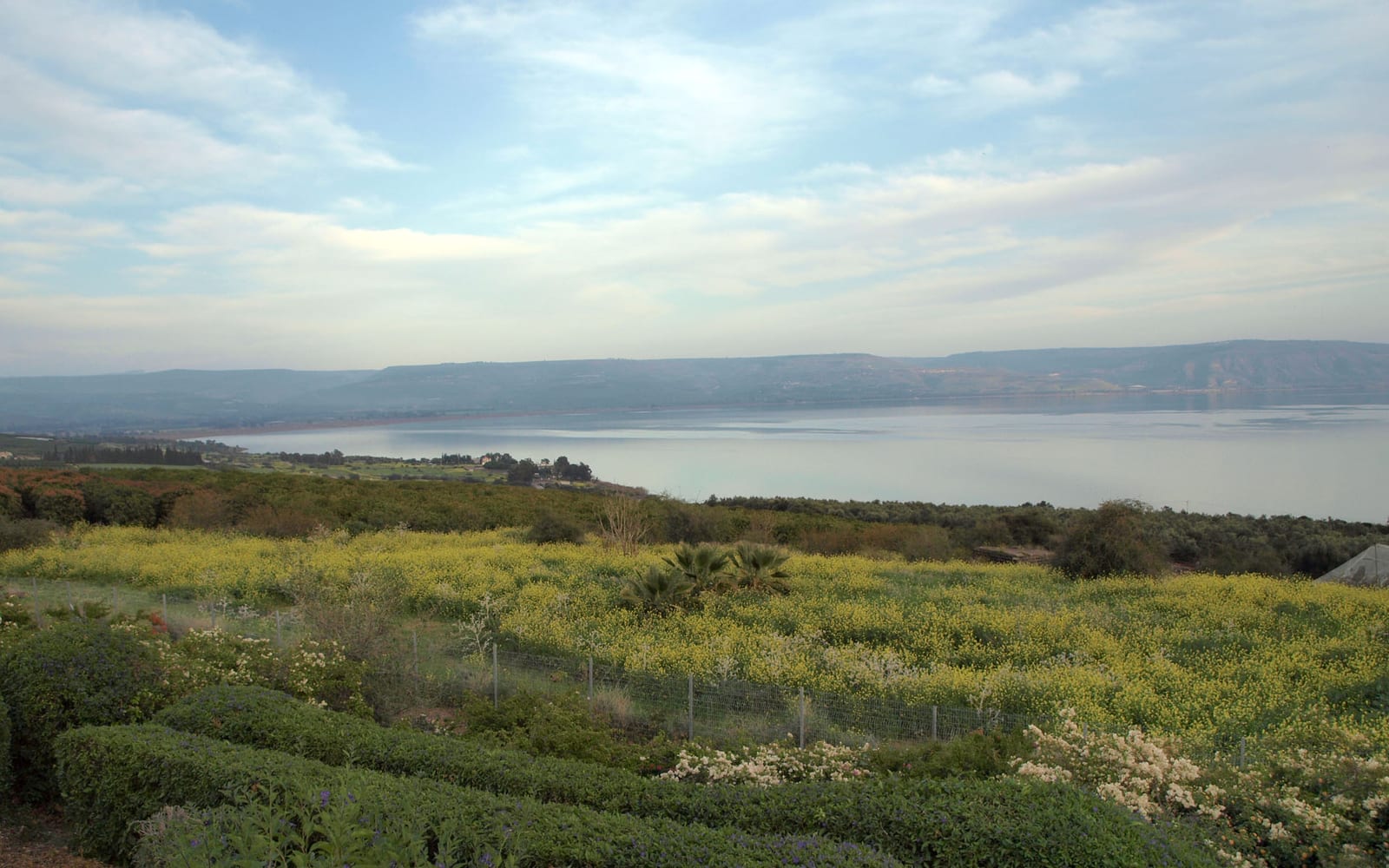
- Sea of Galilee / Tiberias (60 km east, about 1 hour by car): the natural pairing — Nazareth as the morning’s spiritual and urban destination, the lake for afternoon swimming, a boat tour, or the lakeside atmosphere at Tiberias. The Tiberias & Sea of Galilee guide covers Hamat Tiberias’s zodiac mosaics, the Jesus Boat Museum, and using Tiberias as a base; the Nazareth & Sea of Galilee day trip guide covers the single-day Christian Galilee circuit in detail
- Safed (Tzfat) (70 km north, about 70 minutes by car): the kabbalistic hilltop city makes a striking contrast to Nazareth’s urban Arab character. See the Safed travel guide
- Akko (Acre) (55 km north-west via Haifa, about 60–70 minutes): the UNESCO Crusader city — combining Nazareth with Akko gives you Christian pilgrimage and medieval history in one northern day. See the Akko travel guide
- Haifa (35 km west, 35–45 minutes): the Bahá’í Gardens and German Colony are a natural pairing with Nazareth on a northern coastal/Galilee day. Haifa → Nazareth → Sea of Galilee covers three very different faces of northern Israel
Cross-links
Hungry after the souq? The Galilee food guide covers Nazareth’s Arab-Israeli restaurant scene — from Diana and El Babour for mezze to the best knafeh spots — alongside Saint Peter’s fish in Tiberias, Druze flatbread villages and Golan Heights wine. Planning a Galilee trip? The Galilee region guide gives the full geographic picture. Deciding which type of Nazareth tour is right for you — full-day city focus, combined Sea of Galilee day, Christian pilgrimage circuit, or Jesus Trail hike? The Nazareth tours compared guide breaks down every format with honest pricing. For the broader Galilee, the Galilee tours compared guide reviews the main operators. For the Christian pilgrimage context — the theological significance of the Basilica, the Christian communities of the Galilee — see the Christian pilgrimage guide. For day-trip planning from the coast, day trips from Tel Aviv includes Nazareth among the northern options. If you are planning a Bar or Bat Mitzvah trip with a Galilee component, the Bar and Bat Mitzvah in Israel guide covers the northern itinerary options. The Jewish heritage guide gives broader historical context on the Galilee region’s significance across traditions.
Looking for where to stay? The best hotels in Nazareth guide covers all tiers — from Rimonim Nazareth near the Basilica to the Sisters of Nazareth Guesthouse (with its remarkable first-century archaeological site beneath the building) and boutique Old City options, with booking context for the Christmas and Easter peak periods.