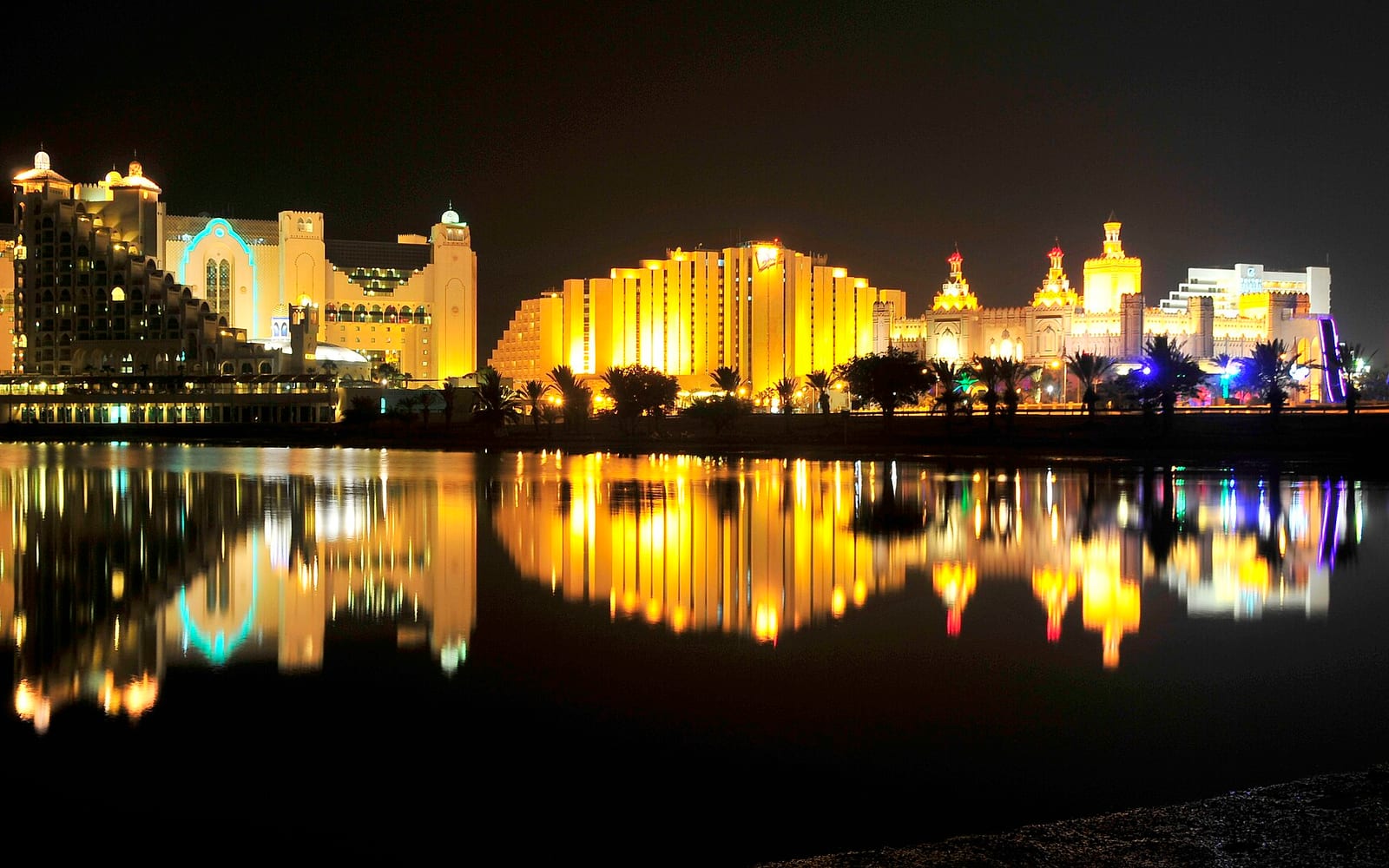
Petra Day Trip from Eilat
Early pickup in Eilat, the Wadi Araba crossing with the group visa arranged, a two-hour drive to Wadi Musa, a guided walk through the Siq to the Treasury and back across the border by evening.
Photo: Lio Voo · Pexels · Pexels License
By The Visit Israel Editorial Team · Last updated
Affiliate disclosure:some links below are affiliate links. If you book through them we may earn a small commission at no extra cost to you. It helps keep this guide free.
Early pickup in Eilat, the Wadi Araba crossing with the group visa arranged, a two-hour drive to Wadi Musa, a guided walk through the Siq to the Treasury and back across the border by evening.
The unhurried version: a full day at Petra with time for the Monastery, a night in a Bedouin camp in Wadi Rum with a sunset jeep drive, and the return to Eilat on the second day.
For travellers who are not going south: a dawn flight to Eilat, transfer to the border, the guided Petra visit and the evening flight back to Tel Aviv, all coordinated by the operator.
Petra, the Nabataean city carved into the sandstone canyons of southern Jordan, is the most popular cross-border excursion from Israel and, by some distance, the most expensive day trip in the region. From Eilat it is genuinely close: the border is a ten-minute drive from the hotel strip and the site is two hours beyond it. From Tel Aviv or Jerusalem it takes either a domestic flight or an overnight. This guide compares the three ways of doing it, explains the border and visa logistics honestly, and helps you decide how much time Petra deserves in your itinerary.
| Eilat day trip | Petra + Wadi Rum (2 days) | Tel Aviv with flights | |
|---|---|---|---|
| Total time | One long day, about 14 hrs | 2 days / 1 night | One very long day, about 16 hrs |
| Getting there | Coach from Eilat to the border | Same, then overnight in Wadi Rum | Flight TLV–Eilat, then the border |
| Time inside Petra | 4–5 hrs | A full day, 6–8 hrs | 4–5 hrs |
| Sees the Monastery | No | Yes | No |
| Best for | Travellers already in Eilat | Anyone for whom Petra is the highlight | Centre-of-country base, no southern stay |
If you are already in Eilat, this is the obvious choice. The day starts around 6:30 am with hotel pickup, a short drive to the Wadi Araba crossing (also called the Yitzhak Rabin terminal on the Israeli side), the border formalities, and then a two-hour drive with the Jordanian guide to Wadi Musa. You arrive mid-morning and walk the Siq, the 1.2 km gorge whose walls narrow to a few metres before opening abruptly onto the Treasury, the facade everyone has seen in photographs. From there the main trail continues past the Street of Facades and the theatre to the Royal Tombs and the Colonnaded Street. Lunch is usually a buffet in Wadi Musa, and you are back in Eilat by 8 pm.
What you miss: the Monastery (Ad Deir), an 800-step climb to a facade larger than the Treasury and far quieter, and the Treasury by night candlelit event held on selected evenings. Both need a second day or an overnight. A single day is enough to grasp the scale of Petra and to decide whether you want to come back; it is not enough to see it properly.
For most people who have travelled to Israel with Petra in mind, this is the format to book. The first day crosses the border and spends the full day at Petra, with time for the Monastery and the High Place of Sacrifice ridge. In the late afternoon you drive an hour south to Wadi Rum, the desert of red dunes and sandstone mountains, for a jeep drive at sunset and a night in a Bedouin camp, where dinner is cooked in an earth oven and the sky is genuinely dark. The second morning has a slower Wadi Rum drive or a camel ride before the return to the border and Eilat by mid-afternoon.
Some operators run this in reverse, with Wadi Rum first, which puts you at the Petra gate early on day two before the coaches arrive. Either order works; the reverse gives the best light in the Siq.
Because you sleep in Jordan, the Jordan Pass becomes worthwhile: it bundles the visa fee with Petra entry and several other sites, and the visa component is only waived for stays of at least one night. Buy it online before you leave Israel; it cannot be bought at the crossing.
If you are based in Tel Aviv or Jerusalem and will not be going south at all, several operators sell a package built around a dawn flight from Ben Gurion to Eilat’s Ramon Airport, a transfer to the border, the same guided Petra visit as the Eilat day trip, and an evening flight back. It works, but it is the longest and most expensive day option, and everything depends on the early flight running to time. It suits travellers on a tight schedule who would rather pay for convenience than give Petra two days. If you have the days, an overnight in Eilat before and after the two-day trip is a more relaxed way to get the same result, and Eilat itself is a resort worth a night or two; see our Eilat hotels guide.
The crossing itself is routine, but the paperwork catches people out. As of 2026:
Israeli rental cars cannot be taken into Jordan. If you want to drive in Jordan you cross on foot, take a taxi to Aqaba and rent there, which is only worth the complexity if you are spending several days on the Jordanian side. For entry rules on the Israeli side, see visa information.
Petra is priced well above any other day trip from Israel because it combines border fees, a Jordanian guide and vehicle, and one of the most expensive entry tickets in the Middle East. As of 2026, guided one-day tours from Eilat generally cost between US$200 and US$300 per person; two-day Petra and Wadi Rum trips between US$300 and US$450; and the flight-based day from Tel Aviv from around US$400 upward. Private guide-and-driver arrangements are priced per vehicle and become competitive for families of four or more. Always check the live price and the inclusions list.
What to bring. Closed walking shoes, a hat, sunscreen, water and a small daypack. The Petra day covers eight to ten kilometres on uneven ground, and the Monastery adds a steep climb. For Wadi Rum, a warm layer for the night.
When to go. March to May and October to November are ideal. Summer days in Petra reach 35 to 40°C by early afternoon, which is one more reason to prefer the two-day format with an early start. Winter is cool and clear, with occasional rain that can close the Siq for a few hours. See best time to visit Israel for the regional picture.
Combining with the desert. If you are driving down to Eilat, the Negev and the Ramon Crater are on the way, and Masada and the Dead Sea are a natural stop on the return; see the Masada visitor guide.
Yes, from Eilat. The Wadi Araba (Yitzhak Rabin) crossing is a ten-minute drive from the city, and Petra is about two hours further on the Jordanian side. A typical day runs from around 6:30 am to 8 pm and gives you four to five hours inside the site, enough for the Siq, the Treasury, the Street of Facades and the Royal Tombs. It is a taster rather than the full experience: the Monastery climb and the Treasury by night are out of reach in a single day.
Most nationalities can obtain a Jordanian visa at the Wadi Araba crossing, and organised tours arrange a group visa as part of the package, which is the main reason to book one. Independent travellers should check current rules for their passport before going. The Jordan Pass, which bundles the visa fee with Petra entry, only waives the visa if you stay at least one night in Jordan, so it makes sense for the two-day formats but not for a same-day return.
Expect an Israeli exit fee, a Jordanian border fee and the Petra entrance ticket, all of which change from time to time. Petra charges day visitors who do not overnight in Jordan a higher rate than overnight visitors, as of 2026. Tours quote a headline price and list which fees are included; read that list carefully, because some exclude the border fees and collect them in cash on the day. Guided one-day tours from Eilat generally cost between US$200 and US$300 per person, and two-day Petra and Wadi Rum tours between US$300 and US$450.
If your trip is centred on Israel, go from Eilat: the border is minutes away and Petra is two hours beyond it. Amman is three to three and a half hours from Petra and only makes sense if you are dedicating several days to Jordan, in which case Petra becomes one stop on a loop that includes Jerash, the Jordanian Dead Sea shore and Wadi Rum.
Carry your physical passport, valid for at least six months beyond your travel dates. The crossing stamps Jordanian entry and exit; Israel issues entry on a separate slip rather than in the passport. Keep the slip you received on arrival in Israel with your passport, because you need it to re-enter.
About two hours each way on the Desert Highway from Aqaba to Wadi Musa, the town at the entrance to Petra. Tours use minibuses or coaches with a Jordanian driver and guide who meet you on the Jordanian side of the crossing. Add 30 to 60 minutes for border formalities in each direction, more at peak periods such as Easter and the October holidays.
Closed walking shoes, because a Petra day involves eight to ten kilometres on stone and sand, a hat and sunscreen, at least 1.5 litres of water to start, and cash in Jordanian dinars for drinks and small purchases. For the two-day trip add a warm layer: Wadi Rum nights are cold year-round and can drop near freezing in winter. Modest dress is appropriate in Wadi Musa.