Israel has an unusual concentration of wellness experiences drawn from three very different traditions: the hypersaline mineral waters of the Dead Sea (the most extreme bathing environment on earth), the ancient volcanic hot springs of Tiberias (used therapeutically since Roman times), and the Ottoman hammam heritage preserved in the old cities of Akko, Jerusalem and Jaffa.
This guide covers each experience type, what to expect, where to go and how to make the most of it.
Dead Sea: mineral floating and mud treatments
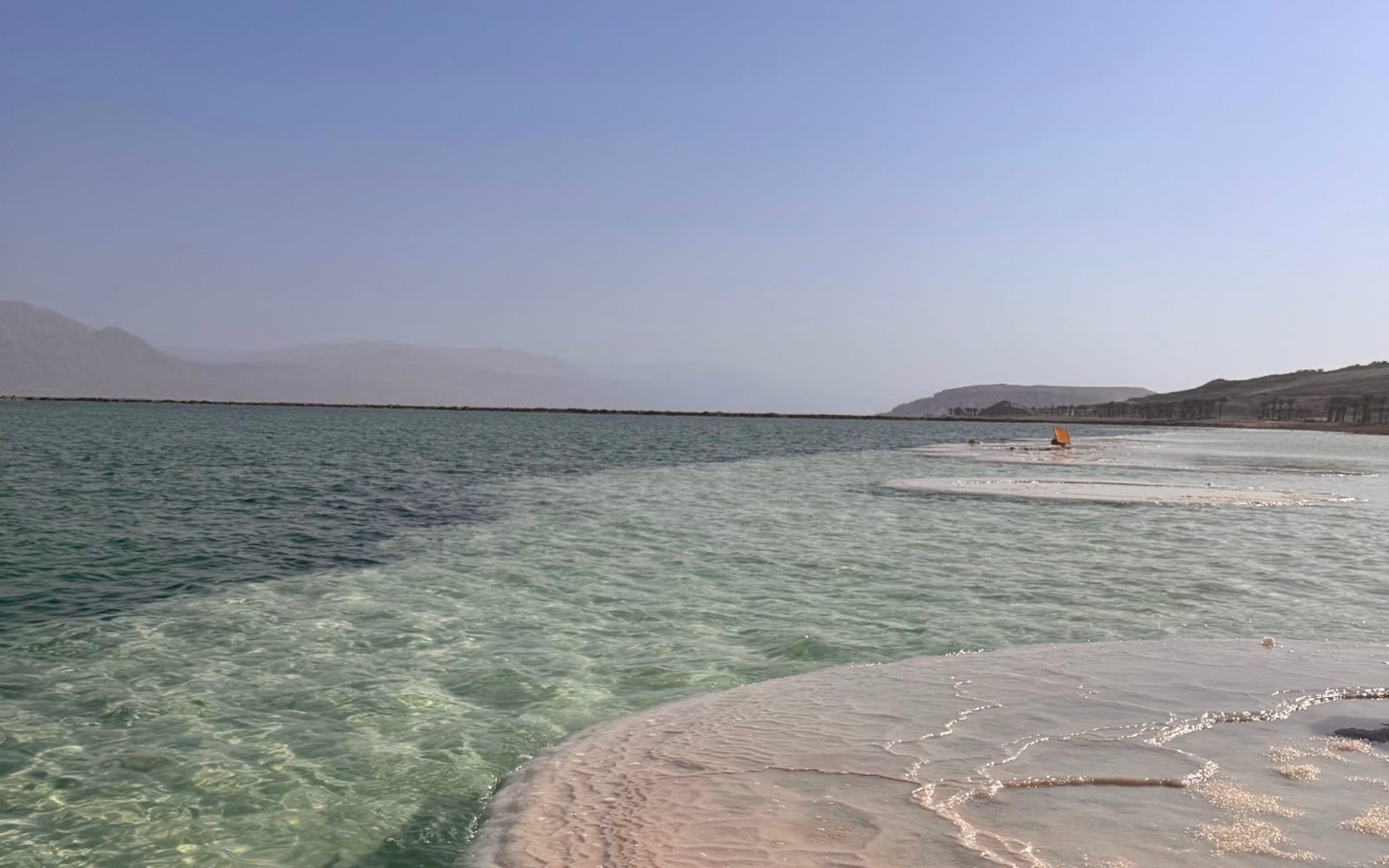
The Dead Sea is the lowest point on earth at roughly 430 metres below sea level, and its water contains approximately 34% dissolved minerals — about ten times the salinity of the Mediterranean. At that concentration, the human body floats automatically. You cannot sink even if you try.
The float experience
Entering Dead Sea water for the first time is disorienting in a pleasant way. You sit back, lift your feet and bob like a cork. Reading a newspaper while floating is the cliché; most visitors spend the first 10–15 minutes alternating between disbelief and laughter. The water is warm (typically 30–32°C in summer, 22–24°C in winter), flat and utterly calm — the density suppresses waves almost entirely.
Limit your first float to 15–20 minutes. The mineral concentration draws moisture from your skin rapidly and leaves it feeling tight. Two or three shorter floats with rinse breaks is more comfortable than one long session.
The only rule with any real consequences: do not let Dead Sea water touch your eyes or get in your mouth. A splash to the face is intensely painful and requires immediate fresh-water rinsing.
The mineral mud ritual
The beach ritual accompanying a float is the black mineral mud application. Dead Sea mud is rich in magnesium, bromide and sulphur — minerals associated with soothing dry skin, psoriasis and joint discomfort. The therapeutic evidence is strongest for psoriasis (peer-reviewed studies show measurable benefit), though individual results vary. The cosmetic effect on skin is more reliable: most people emerge with noticeably softer skin after a mud-and-float session.
How to do it: scoop or buy a small pot of the black mud (sold at beach kiosks, or available at dedicated mud stations at most beaches). Apply generously to arms, legs and torso. Avoid the face if you have sensitive skin, and keep it away from eyes. Wait 10–15 minutes as it dries to a grey crust, then rinse in the sea. Follow immediately with a fresh-water shower.
Where to float
Kalia Beach is the northernmost public beach on the Israeli Dead Sea shore, roughly 45 minutes by car from Jerusalem. Entry (approximately ₪60–90 per adult, verify at the gate) covers changing rooms, showers, loungers and access to a fresh-water rinse point. A mud station and café are on-site. Kalia is the most popular day-trip option from Jerusalem.
Ein Bokek is the resort hub — a concentrated strip of hotels at the southern end of the Israeli shore, each with a private beach, thermal pools, spa facilities and mud stations. Hotel guests use the resort beach; some hotels sell day-passes to non-guests (₪100–200 range — check directly with the hotel, as this policy and pricing varies). For overnight visitors, the spa hotels at Ein Bokek represent Israel’s most developed wellness offering: mineral pools, saline pools at various concentrations, Dead Sea mud wraps, and professional treatment programmes.
For a more complete guide to Ein Bokek hotels, seasonal pricing and tips on combining the Dead Sea with Masada, see the Dead Sea visitor guide and Dead Sea hotels guide. If you are travelling specifically to treat psoriasis, eczema or vitiligo, our Dead Sea medical tourism guide covers the full clinical picture: the UVB mechanism behind the therapeutic effect, 3–4 week medical stay logistics, hotel clinics in Ein Bokek and EU health insurance reimbursement pathways.
Tiberias hot springs: Hamat Tiberias
The mineral hot springs at Hamat have flowed since antiquity. Ancient Roman Tiberias was partly built to exploit these thermal waters; Byzantine travellers documented them; the Talmud references their properties. The springs flow at approximately 60°C naturally and are cooled to bathing temperature for the pool complex that operates within what is now Hamat Tiberias National Park.
The waters are rich in sodium chloride, magnesium and bromide — a different mineral profile from the Dead Sea, with a more sulphurous character that some find distinctly medicinal in smell. The therapeutic tradition here is specifically Roman: the ancient bathing complex served legionaries, traders and travellers along the Via Maris.
The site today: The National Park preserves the remarkable Hammat Tiberias Synagogue mosaic — a 4th-century Byzantine floor with a complete zodiac wheel and menorah panel, among the finest ancient mosaics in Israel. The thermal pool complex sits within the same site, offering a rare combination of genuine archaeology and actual bathing.
Practical: Check hamat-tiberias.co.il or parks.org.il for current pool hours and pricing before visiting — the thermal pool operation varies seasonally and pool access has separate pricing from the archaeological park. Israel National Parks Pass covers the archaeological sections; confirm thermal pool inclusion at the gate. The site is 2 km south of central Tiberias; accessible by car or a 15-minute walk south along the waterfront promenade.
For the full Tiberias context — waterfront restaurants, Sea of Galilee boat tours and the broader Galilee trip planning — see the Tiberias & Sea of Galilee guide.
Hammam experiences: the Ottoman bath tradition
The Ottoman Empire governed what is now Israel for roughly 400 years (1516–1917), and the hammam — the traditional steam bath — was a central feature of urban life throughout that period. The ritual follows a defined sequence: steam room (harara) to open the pores; an exfoliation scrub using a rough-textured kese glove; a vigorous soap-and-foam massage on a heated marble slab (göbek taşı); and a cool-water rinse and rest.
Israel has several surviving Ottoman hammam structures, though not all operate as active baths.
Akko (Acre)
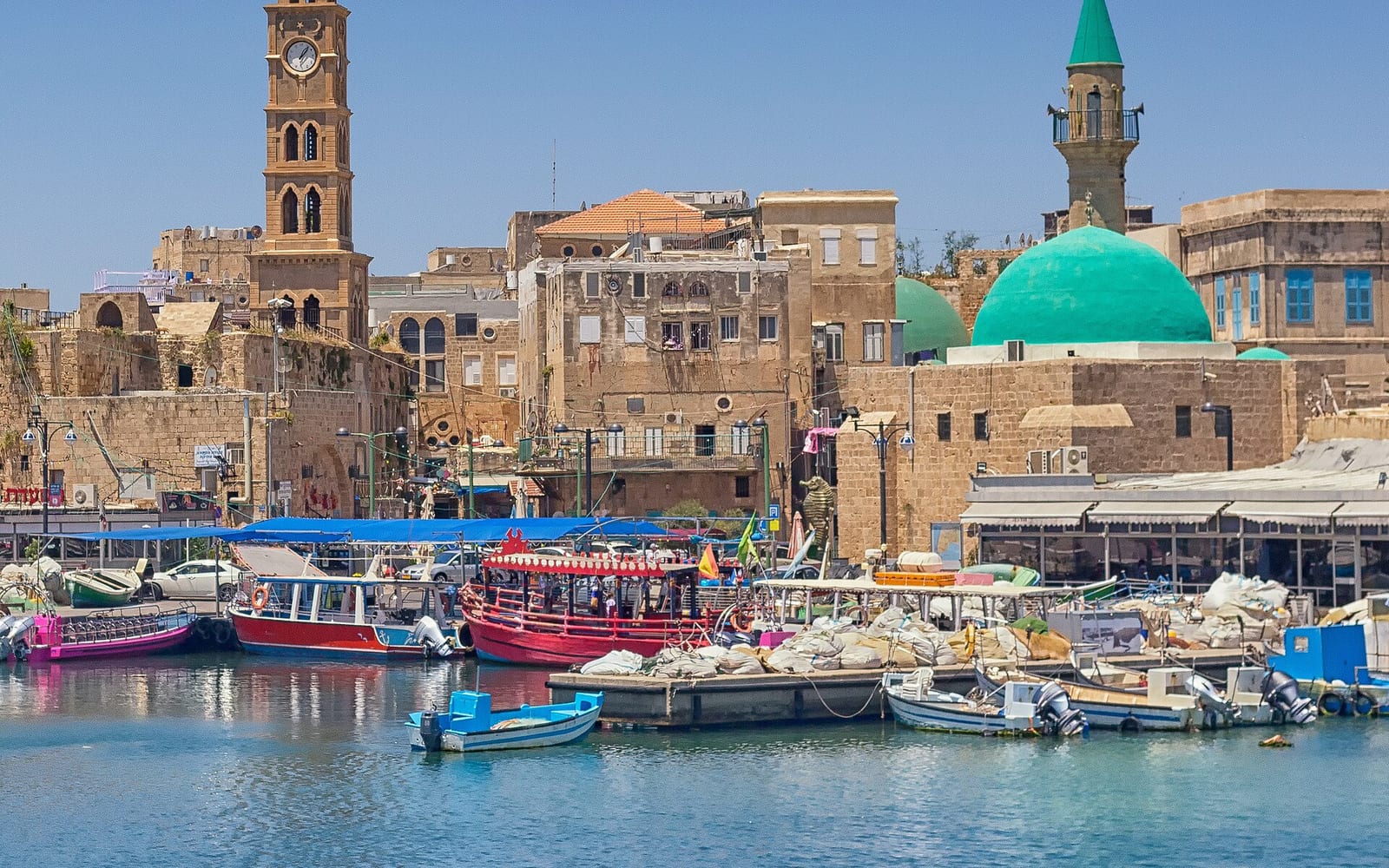
Akko’s Al-Basha Hammam is the largest surviving Ottoman bathhouse in Israel, built in the 18th century by the powerful governor Jazzar Pasha (who also built the great mosque). The complex contains three large steam chambers with original domed ceilings and star-shaped light vents — the architecture is genuinely impressive. Part of the complex functions as a sound-and-light museum installation; for an active hammam experience, operators in Akko run sessions using the restored sections. Check with the Akko (Acre) visitor information or directly with Old City tour operators for current session bookings.
Jerusalem
Jerusalem’s Old City has a long Ottoman hammam tradition in the Muslim Quarter. Several heritage hammam spaces have been restored, and a small number operate active bathing sessions — typically marketed to tourists as a “traditional hammam experience” combining steam, scrub and massage. The Jewish Quarter and Christian Quarter have their own hammam-adjacent spa offerings in heritage building conversions. Searching for “hammam Jerusalem” via GetYourGuide or Viator will surface current availability and pricing (expect ₪150–300 per session).
Jaffa and Tel Aviv
Old Jaffa has several wellness operators in the historic lanes near the port that offer hammam-inspired treatments — not always in original Ottoman structures, but drawing on the tradition. Tel Aviv’s urban spa scene is substantial and growing, offering everything from float tanks to signature Israeli treatments incorporating Dead Sea minerals and native botanicals. These are less about historical architecture and more about a contemporary wellness day in a compact, walkable city.
Ein Gedi: springs in the desert
The Ein Gedi area offers a smaller-scale hot spring alternative to Ein Bokek. The Kibbutz Ein Gedi Hotel operates a sulphur thermal pool fed by springs sourced from the Judean Desert cliffs above — a quieter, more intimate setting than the resort strip, with the Dead Sea visible below and Nubian ibex wandering the grounds at dusk.
The surrounding Ein Gedi Nature Reserve — with its year-round spring-fed streams, David’s Waterfall and Nahal Arugot gorge — complements a wellness stay with active hiking. Many visitors pair a morning hike with an afternoon in the spa. For full nature reserve details including trail conditions and transport logistics, see the Ein Gedi guide.
Comparing the main wellness destinations
| Destination | Water type | Best for | Proximity to other attractions |
|---|
| Ein Bokek (Dead Sea) | Hypersaline mineral | Full spa resort; float + mud + treatments | Masada 25 min, Ein Gedi 20 min |
| Kalia Beach (Dead Sea) | Hypersaline mineral | Day trip; budget float experience | Jerusalem 45 min |
| Hamat Gader | Sulphur mineral hot spring | Roman ruins + alligator park + thermal resort | Tiberias 45 min; Golan sites 30 min |
| Hamat Tiberias | Sulphur mineral hot spring | Historic thermal bathing + archaeology | Tiberias centre 2 km; Sea of Galilee |
| Ein Gedi Kibbutz | Sulphur hot spring | Rural retreat; combines with nature reserve | Masada 30 min, Ein Bokek 20 min |
| Akko Hammam | Steam bath (traditional) | Ottoman heritage experience | Akko Old City; day trip from Haifa |
| Jerusalem/Jaffa hammam | Contemporary hammam | Urban wellness; combine with city sightseeing | Tel Aviv 50 min; Jerusalem Old City |
Planning tips
Combine wellness with sightseeing. The Dead Sea corridor packs easily with Masada (30 min from Ein Bokek), the Ein Gedi Nature Reserve (20 min), and the drive along Route 90 through dramatic desert scenery. A 2-night Dead Sea stay with Masada on day one and spa on day two is one of the most efficient Israel itinerary structures. For the Golan thermal option, see the dedicated Hamat Gader & Israel thermal springs guide — it covers the Roman ruins, alligator park, and multi-temperature pool complex at the southern Golan’s premier hot-spring resort.
Book spa treatments in advance. Ein Bokek spa hotels can fill their treatment slots weeks ahead during Passover, Sukkot and summer school holidays. Day-pass availability also tightens in peak periods. For hammam operators, advance booking is typically required regardless of season.
Shabbat and Jewish holidays. Most hotel spas remain open through Shabbat; the hotels themselves operate fully. Kalia Beach public facilities close for Shabbat (Friday sunset to Saturday night). Jewish holidays bring a surge of Israeli domestic visitors to Ein Bokek — the resort strip is loudest and busiest at Passover and during the Sukkot holiday week.
Dead Sea water level. The Dead Sea water level has been declining for decades (approximately 1 metre per year). The shoreline has receded significantly from some older maps and photographs. All current Israeli Dead Sea beaches are on the southern basin; the northern basin near Ein Feshkha is no longer a public swimming area. Current beach locations are accurate in this guide as of 2026 — verify conditions at the gate on arrival.
Skin preparation. If you have any active cuts, open wounds, or have recently had waxing or laser treatments, wait until healing is complete before entering Dead Sea water. The brine will sting intensely in any broken skin. Similarly, do not shave within 24 hours.
For accommodation at the Dead Sea, rates, resort comparisons and booking timing, see the Dead Sea hotels guide. For a broader introduction to what the Dead Sea region offers — history, geology and combining with nearby sites — see the Dead Sea visitor guide. Planning a group spa trip as part of a Tel Aviv bachelorette or hen party? See the dedicated guide for group hotel picks and Dead Sea day-trip logistics.
For yoga retreat centres, meditation communities and spiritual programmes — from the Desert Ashram in the Negev to Or HaLev’s Jewish contemplative weekends in the Galilee — see the Israel yoga & meditation retreats guide, which covers all the main centres, booking routes and seasonal timing. For a different desert wellness experience — focused on luxury resort architecture, biohacking spa programmes and world-class stargazing rather than mineral bathing — see the luxury Arava desert & Six Senses Shaharut guide. Six Senses Shaharut is a MICHELIN Guide-listed property in the southern Negev, approximately 45 km north of Eilat, and represents a distinct category of wellness travel from the Dead Sea tradition. Planning a honeymoon with the Dead Sea or Galilee hot springs as a centrepiece? See the Israel honeymoon guide for couples-focused hotel picks and romantic experience ideas.