Israel’s food scene is a genuine culinary crossroads — Ashkenazi, Sephardi, Mizrahi, Arab, Persian, Yemenite and Mediterranean traditions layered into a cuisine that is impossible to capture in a restaurant alone. The best way to understand it is to go behind the counter: into the markets, the kitchens and the back-street food stalls where the real cooking happens.
This guide covers the main formats — guided market tours, hands-on cooking workshops, and neighbourhood food walks — and where to find them across Jerusalem, Tel Aviv and Jaffa. For context on what you’ll be tasting, see our Israeli food & cuisine guide. For restaurant recommendations by city, see the Tel Aviv food guide.
Guided market food tours
Machane Yehuda, Jerusalem
Machane Yehuda — the “Shuk” — is Jerusalem’s main open-air market and the most visited food destination in the city. About 250 stalls spread across two main covered lanes and a surrounding street network, selling everything from Middle Eastern spices and Levantine pastries to fresh-pressed juice, imported cheeses and artisan halva.
A guided market tour adds what independent exploration can’t: a local guide who knows which stall makes the best ka’ak (sesame bread rings), which halva producer lets you taste three varieties before committing, and how to read the seasonal produce that signals what is (and isn’t) worth buying that week.
What a tour typically covers:
- Spice stalls — za’atar (the dried herb-and-sesame blend), sumac, baharat, Hawaiian black salt, and the vendor who sources wild thyme from the Galilee hills
- Pastry and bread — bourekàs fresh from the oven, ka’ak rings, rugelach, krantz (babka), sfenj (Israeli doughnuts)
- Halva — tahini-based confection in dozens of flavours; quality varies enormously between stalls
- Fresh juice — pomegranate, lemon-mint, carrot and whatever is seasonal
- Cold cuts and cheese — Israeli dairy culture is strong; many stalls age their own lebne (strained yogurt) and hard cheeses
Evening tours offer a different experience: after dark the market converts from produce stalls to a packed bar-and-restaurant strip. Several of the stall facades fold up and become kitchen windows; the lanes fill with people eating shawarma, drinking craft beer and listening to live music — particularly on Thursday nights.
Tours run daily; duration is typically 2–3 hours. Browse options on GetYourGuide or Viator — compare inclusions carefully (some cover all tastings in the price; others are tips-based above a base fee).
Carmel Market, Tel Aviv
Carmel Market (Shuk HaCarmel) is Tel Aviv’s largest and most chaotic market — a dense, colourful kilometre of fresh produce, nuts, olives, pickles, spices, street food and cheap goods running from Allenby Street to Magen David Square. It is noisier, more fast-paced and more affordable than the Machane Yehuda, and it connects at its north end to the Nahalat Binyamin arts market (open Tuesday and Friday).
A guided Carmel tour focuses on the food vendors: the sabih stall (fried aubergine + egg in pitta — a Mizrahi Iraqi-Jewish import), the hummus counter, the pickle barrel sellers, and the spice row where bags of amba (fermented mango pickle) and dried fenugreek compete with Israeli spice blends. Evening is not as dramatically different from daytime as Machane Yehuda, but the end-of-day energy (vendors discounting produce before closing) has its own rhythm.
Many cooking-class operators use the Carmel Market as the first stop of a half-day experience (see below).
Cooking classes and workshops
Carmel Market cooking workshop (Tel Aviv)
The most popular format: start at the Carmel Market with a guided shopping pass — choosing the day’s seasonal vegetables, selecting the right tahini, picking fresh herbs — then move to a kitchen nearby for a hands-on cook-off. A typical 3–4 hour session produces:
- Hummus from scratch (dried chickpeas, overnight soak, the tahini ratio debate)
- Shakshuka — eggs poached in spiced tomato and pepper sauce
- Israeli salad — the finely diced tomato-cucumber-parsley combination that appears at every Israeli breakfast
- Mezze spread — baba ghanoush, roasted aubergine, fresh pita
Full-day formats add a main protein (slow-braised lamb, stuffed vine leaves, grilled fish) and a dessert (malabi, baklava, or a Levantine semolina cake). You eat what you cook; the guide typically joins you for the meal. Group sizes vary — smaller is better for hands-on time at the stove.
Hummus and challah workshops
Hummus workshops are a growing format among culinary-tourism operators: a 90-minute to 2-hour deep-dive into a single dish. The argument for the format is that hummus has almost no margin for shortcuts — it is time-sensitive (fresh warm hummus is categorically different from cold), the chickpea-to-tahini ratio is genuinely contested between traditions, and the accompaniments (ful, hard-boiled egg, fried onions, raw onion, olive oil, paprika) vary by community. Learning to make it yourself means understanding why Israeli breakfast culture revolves around it.
Challah-baking workshops work best Thursday or Friday (when fresh challah is culturally relevant — baked before Shabbat). You learn to make and braid the enriched, slightly sweet bread, then bake it in a domestic oven. Some workshops fold in a brief Shabbat context (candles, kiddush, Havdalah) for non-Jewish visitors who want to understand the ritual. The loaf goes home with you or is eaten on the spot with butter and sea salt.
Both formats run in Jerusalem (several operators cluster near Machane Yehuda) and Tel Aviv.
Neighbourhood food walks
Jaffa: where cuisines meet
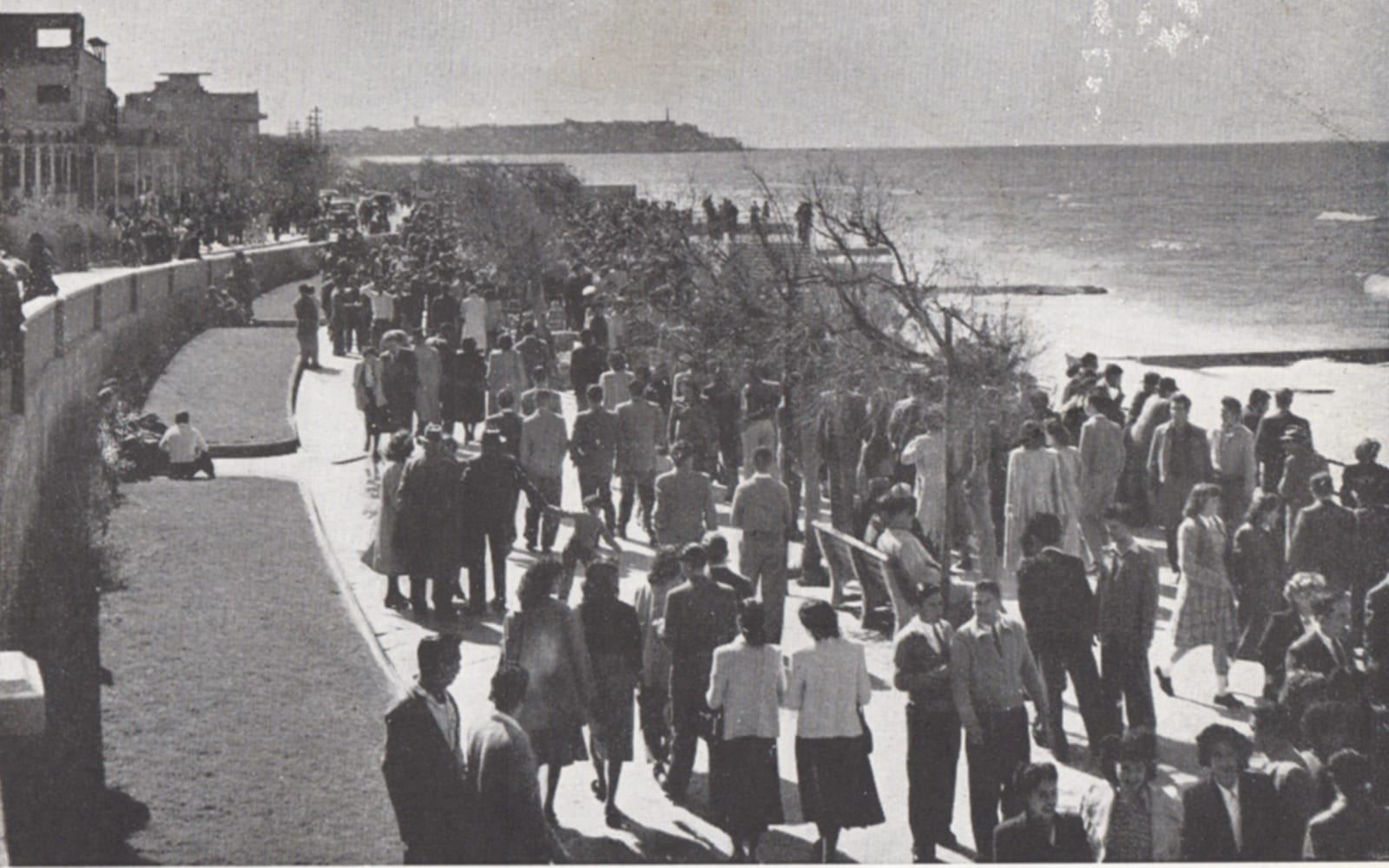
Old Jaffa has one of the most layered food scenes in the country. The neighbourhood’s Arab-majority population maintained an unbroken culinary tradition through the 20th century, and the area has drawn a second wave of Jewish Israelis from Persia, Yemen and North Africa — each community with its own street food. A guided Jaffa food walk typically covers:
- Arab hummus — Jaffa is home to several hummus houses with decades of history; a warm bowl with ful and chopped salad in an old stone room is a genuinely different experience from the Tel Aviv café version
- Persian Jewish pastry — flaky pastries filled with herbs, spinach, potato or meat; the Persian Jewish community around Jaffa maintains its own baking traditions
- Yemenite kubane — a dense, buttery enriched bread slow-baked overnight, traditionally eaten Saturday morning after Shabbat ends; some Jaffa bakeries sell it through the week
- Jaffa port seafood — the renovated port has restaurants serving fresh Mediterranean fish and shrimp; a guided food walk often ends here with a drink and a view of the sea
Walks typically run 2.5–3 hours and cover about 2–3 km on foot. The Jaffa flea market (Shuk HaPishpeshim) is often incorporated as a detour.
Old City food walk, Jerusalem
The Old City of Jerusalem compresses multiple food cultures into less than a square kilometre. The Muslim Quarter and Christian Quarter have the densest concentration of street food — the format is Arab:
- Kanafeh — the Old City’s defining street snack: shredded phyllo or semolina pastry packed with white cheese, baked until golden, soaked in rose-water syrup and served hot, ideally right out of the large round tray
- Knafeh variations by shop — each seller claims a unique recipe; guided comparisons make the differences legible
- Freshly baked tabun bread — flatbread from a wood-fired clay oven, eaten with olive oil and za’atar
- Juice stalls — fresh pomegranate, lemon-mint, carrot; prices are fixed (no bargaining)
- Spice souk — sacks of sumac, dried rose petals, Turkish coffee grounds, and ras el hanout blends lining the covered lane
After the Old City, some tours continue into the Jewish Quarter to contrast the style: Ashkenazi pastry shops with rugelach and kokosh, kosher deli counters, and Mizrahi bakeries carrying different spice traditions to the Arab Quarter stalls next door.
Tips for booking food experiences in Israel
- Dietary requirements: Most market tours and cooking classes accommodate vegetarian and vegan requests without difficulty — the plant-forward nature of Israeli cuisine (hummus, mezze, vegetable dishes) means the core of most experiences is already suitable. Gluten-free is harder (bread and pastry feature heavily); flag it when booking.
- Timing: Morning is best for Machane Yehuda and Carmel Market visits — vendors are fully stocked and energised. Evening tours of Machane Yehuda (Jerusalem) are best Thursday–Saturday. Jaffa food walks work well mid-afternoon when the neighbourhood is less crowded than the tourist-busy midday.
- Shabbat: The Machane Yehuda market is closed from Friday afternoon to Saturday night. Carmel Market closes Friday afternoon and re-opens Sunday. Some food-tour operators do not run on Shabbat. Plan accordingly — or choose a Shabbat-specific experience (walking in the Jewish Quarter, Havdalah at the Western Wall) as a different kind of food-and-culture evening.
- What to wear: Comfortable closed shoes are essential — Tel Aviv’s Carmel Market is flat; Machane Yehuda and the Old City involve stone paving and uneven steps. Dress modestly if the tour enters the Old City.
- Language: Most market-tour guides operate in English. If you want a Hebrew-speaking local rather than a tour-group format, ask operators directly — some offer smaller private experiences.
For context on what you’ll be eating, the Israeli food & cuisine guide explains the traditions behind each dish. For the deeper heritage story behind each diaspora tradition, see the Israeli culinary heritage tourism hub. For restaurant picks in the cities, see the Tel Aviv food guide. For a full culinary trip structure, use the Israel itinerary planner or explore our 5-, 7- and 10-day itinerary guides. If you are timing a visit around the culinary calendar — Eat Tel Aviv in May, the Sarona Wine Festival in June, A Story of Food at Passover, or the Galilee olive harvest in November — see our Israel food festivals guide.