Tel Aviv has a coffee culture that surprises most visitors. The city is home to one of the most developed third-wave specialty coffee scenes in the Middle East — and also to the ancient tradition of botz, unfiltered Turkish-style black coffee that predates espresso by centuries. Understanding both is the key to drinking well here.
This guide covers the specialty roasters, the neighbourhood circuit, the traditional alternatives, and the practical details of café culture in Israel’s most caffeinated city.
Two traditions
Tel Aviv’s coffee story splits into two parallel lines.
Botz (Hebrew: בוץ, ‘mud’) is the older tradition. Fine coffee grounds are poured into a small cup and near-boiling water added directly; the grounds settle slowly to the bottom and you drink the clear top without disturbing the sediment. It is intensely flavoured, often cardamom-spiced, and completely unfiltered. Botz survives in older Israeli cafés, Arab-Israeli coffee shops, traditional hummusiyot (hummus restaurants), and neighbourhood kiosks. It costs almost nothing and tastes like the city itself.
Third-wave specialty coffee arrived in Tel Aviv from around 2010 and grew rapidly through the decade. Independent roasters began sourcing direct-trade beans from Ethiopia, Colombia and Yemen, investing in precision grinders and espresso machines, and training baristas to compete internationally. Israeli baristas have placed at European Championship of Coffee competitions in the years since. By 2026, over 60 independent specialty roasters and cafés operate across the city — a density comparable to Melbourne or Copenhagen, in a city a fraction of the size.
The contrast between these two traditions is, in itself, Tel Aviv’s coffee hook.
The specialty roasters
The following cafés and roasters are consistently cited in Israeli food media and the barista community as of 2026 research. Tel Aviv’s scene is dynamic — verify current hours and locations via Google Maps before visiting, as cafés open, close and move.
Nahat
Multiple locations including Dizengoff Street and Rothschild Boulevard. Direct-trade sourcing, rotating seasonal espresso menus, strong filter programme. One of the most respected names in the Israeli specialty scene and a good introduction to what Tel Aviv’s baristas are doing.
Cafelix
Three locations across the city. Known for precise single-origin espressos and old-school French-press service — a deliberate contrast to the pour-over trend. Consistent quality across branches.
Caffe Tamati
Near the Carmel Market. Where market energy meets specialty technique — tables outside, a parade of market shoppers, excellent coffee. Worth pairing with a market graze.
Way Cup
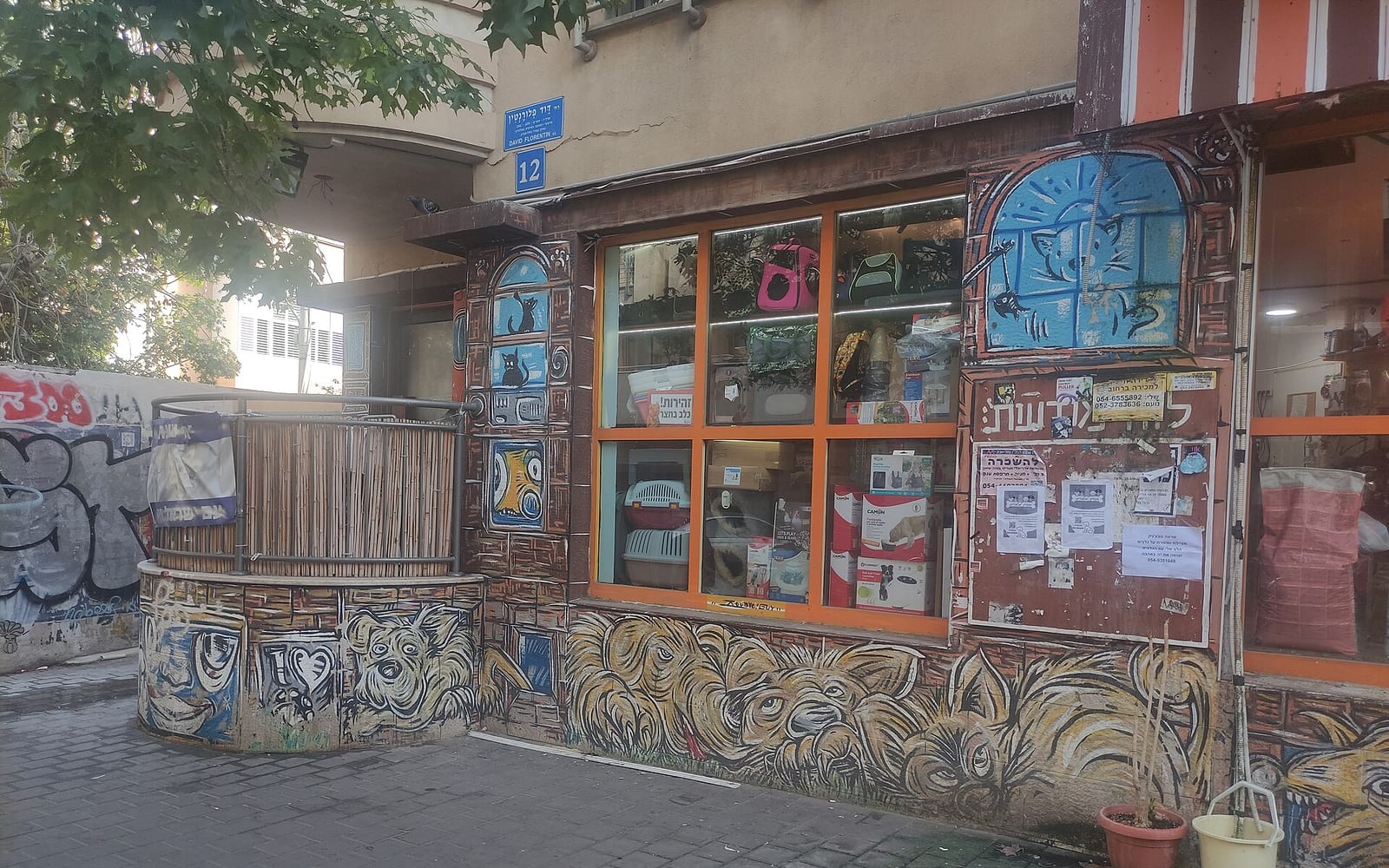
Florentin neighbourhood. A Florentin institution known for natural-process Ethiopian coffees and a relaxed neighbourhood regulars culture. Particularly popular for Saturday morning coffee sessions.
Mae
Bograshov area. Small, focused, exceptional milk technique. The flat white and cortado here draw a devoted following.
Origem
Neve Tzedek. A boutique roaster with a tasting-menu philosophy — espresso flights, comparative filter sessions, seasonal menus. More formal than most; worth the visit if coffee is a serious interest.
Jera
Near Gordon Beach. The combination of beach proximity and serious specialty coffee is rare; Jera delivers both. Good for the end of a coastal walk or a pre-beach morning espresso.
The neighbourhood coffee circuit
The most rewarding way to explore Tel Aviv’s specialty scene is a morning circuit that traces the city’s café geography from south to north:
Florentin → Neve Tzedek → Carmel Market → Rothschild Boulevard → Dizengoff → Gordon Beach
Start in Florentin (south Tel Aviv), the neighbourhood where much of the third-wave scene put down roots. Streets like Florentin Street and Vital Street have a concentration of independent cafés, and the morning pace here is genuinely slow — Florentin locals sit for an hour over a single coffee in the same way Parisian café culture is supposed to work but rarely does. See the Tel Aviv neighborhoods guide for the full Florentin context.
Continue into Neve Tzedek, Tel Aviv’s oldest neighbourhood — restored Ottoman-era architecture, boutique shops and cafés in 19th-century stone buildings. Café options here tend toward the boutique end of the spectrum; Origem is the anchor specialty roaster.
Cut through or into the Carmel Market for a botz or an iced coffee at Caffe Tamati and a walk through the produce and spice stalls. The market’s coffee culture is older and more chaotic than the specialty scene — small kiosks serving botz and strong espresso in the market interior; specialty cafés at the edges. See the Carmel Market guide for full market logistics.
Head north along Rothschild Boulevard — the leafy central artery with Nahat and several smaller specialty options — then up Dizengoff Street for a second (or third) stop.
End at Gordon Beach or the Hayarkon Park area, where beach-adjacent café culture takes over from neighbourhood specialty in the afternoon. Jera is the main specialty option near the beach. The walk covers roughly 5–7 km; a full circuit with two or three stops is a morning well spent.
Where to try botz
If you want to try traditional botz, avoid the specialty cafés (where it is rarely on the menu) and look instead to:
- Older neighbourhood kiosks — small informal spots in any part of the city, identifiable by the small gas-flame heating metal coffee pots and the lack of espresso equipment
- Arab-Israeli cafés in Jaffa, particularly in the Jaffa Old City lanes; botz with cardamom is standard here
- Traditional hummusiyot — most hummus restaurants serve coffee and many keep a pot of botz on the counter
- The Levinsky Market spice district — several older food stalls serve botz alongside their spice and dried-goods trade
The experience is notably different from a specialty café: no pour-over technique, no glass cupping notes, no curation — just a very strong, very flavoured cup for almost nothing.
Café culture and practical tips
Hours. Most specialty cafés open 07:00–08:00 daily. Tel Aviv cafés are generally not kosher-certified and therefore not required to close on Shabbat — Saturday morning café-hopping is a thoroughly Israeli urban ritual. Check individual café hours via Google Maps; seasonal adjustments are common.
Sitting culture. Israeli café culture expects you to sit and stay. Ordering a single espresso and occupying a table for two hours is completely normal behaviour — staff will not rush you. On busy Saturday mornings, a long wait for a table is the norm at popular spots.
Iced coffee year-round. Café kar (iced coffee) is available at virtually every café regardless of season. In summer (June–September), cold brew, iced filter and espresso-over-ice dominate the menu. Even in winter, iced drinks are ordered regularly.
Tipping. At table-service cafés, a 10% tip is appropriate and expected. Counter-service cafés typically have a tip jar but do not expect a tip — use your judgement.
Payment. Credit and debit cards are accepted almost universally at specialty cafés; cash is preferred at older kiosks and market stalls serving botz.
Coffee and food: what pairs well
Tel Aviv specialty cafés generally do not run full kitchen operations. For serious food alongside specialty coffee, look to café-bakery hybrids (several on Rothschild Boulevard combine espresso bars with fresh-baked pastry counters) or combine a café visit with a visit to the Carmel Market for a more substantial graze. The Tel Aviv food guide covers restaurants, markets and the broader food scene.
The city’s vegan and vegetarian scene is strong and intersects heavily with specialty coffee culture — most third-wave cafés offer dairy alternatives as standard, and plant-based pastry options are common.