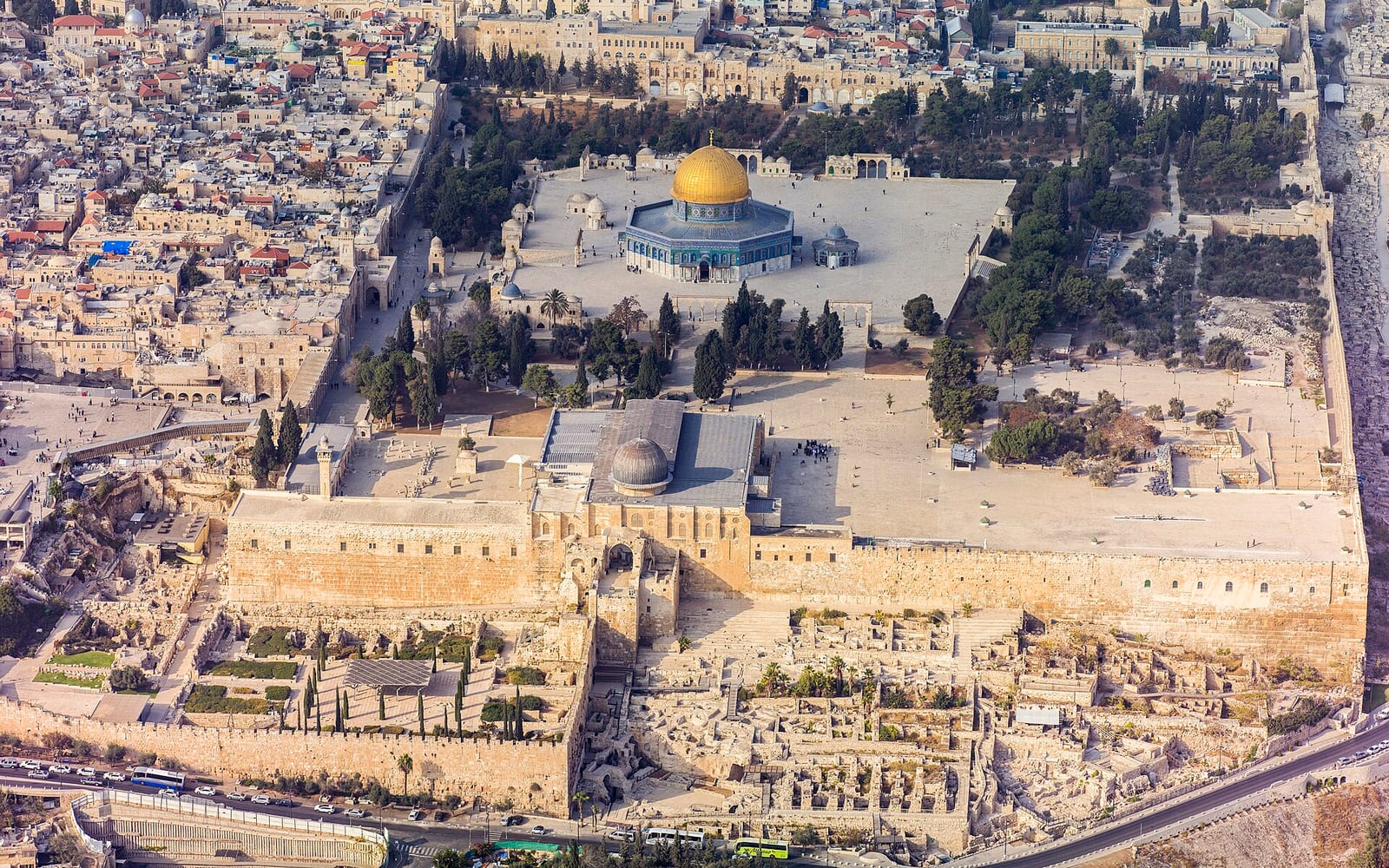
Jerusalem is the perfect base for day trips — the desert, the lowest point on Earth, the Mediterranean coast and even Bethlehem are all within easy reach. Here are the best, and how to do each.
Bethlehem — ~30 min. The Church of the Nativity, in the West Bank; go with a guide or shared taxi (carry your passport).
Jericho — ~35–40 min. The world’s oldest continuously inhabited city; the Mount of Temptation cable car; Hisham’s Palace mosaics; and the famous Medjool dates market. Note: Jericho is Palestinian Authority Area A — foreign tourists may enter freely with a passport; Israeli citizens cannot. Most rental car agreements prohibit Area A — a guided tour or shared sherut from Damascus Gate is the practical choice.
Herodion — ~25 min. King Herod’s burial mountain — an artificial cone he engineered as his own mausoleum. The 2007 discovery of the royal tomb, upper palace ruins and a panorama to the Dead Sea. No crowds, INPA pass valid, closer than Masada. Area C West Bank — foreign tourists enter without a permit via Route 356.
Latrun — ~35 min by car, on Route 1 west.Yad La-Shiryon (Israel’s largest tank museum, site of the decisive 1948 Battle of Latrun), the Trappist monastery winery and Mini Israel scale-model park. The roadside 1948 convoy wrecks in the Sha’ar HaGai gorge on the drive out are left in place as war memorials.
Judean Hills wine trail — ~30–50 min by car. Boutique wineries in the forested western hills — Tzora, Flam, Castel and others — most requiring advance booking. Combine with Ein Kerem village for lunch and Beit Guvrin caves for a full Judean Hills day. Car or guided wine tour essential; see the Judean Hills wine trail guide for a producer-by-producer itinerary.
Soreq (Avshalom) Stalactite Cave — ~30 min by car via Route 1 west and Route 38. Israel’s largest limestone cave, maintained at 22°C year-round — a genuine cool refuge in summer. Guided tours only (40–50 min, departs every 30–45 min). Combine with the Beit Guvrin-Maresha Bell Caves (40 min south on Route 38) for a full Judean Hills cave day. No public bus to the cave entrance — car or guided day tour required.
Valley of Elah — ~45 min by car on Route 38. The Shephelah valley associated with the David-Goliath narrative — the Elah Stream still carries smooth limestone pebbles; the Azekah ridge, the ancient Philistine city of Gath (Tel es-Safi, under active excavation), and Khirbet Qeiyafa (Iron Age IIA fortified city with the earliest known proto-Hebrew inscription) are all within a compact half-day circuit. Free stream access; INPA pass covers Azekah and Qeiyafa. See the Valley of Elah visitor guide for the full site-by-site route.
The Galilee — longer, ~2.5 hrs. Big as a day; better with an early start or a tour.
Petra — a 2-day overnight rather than a day trip, but a bucket-list add-on.
How to do them
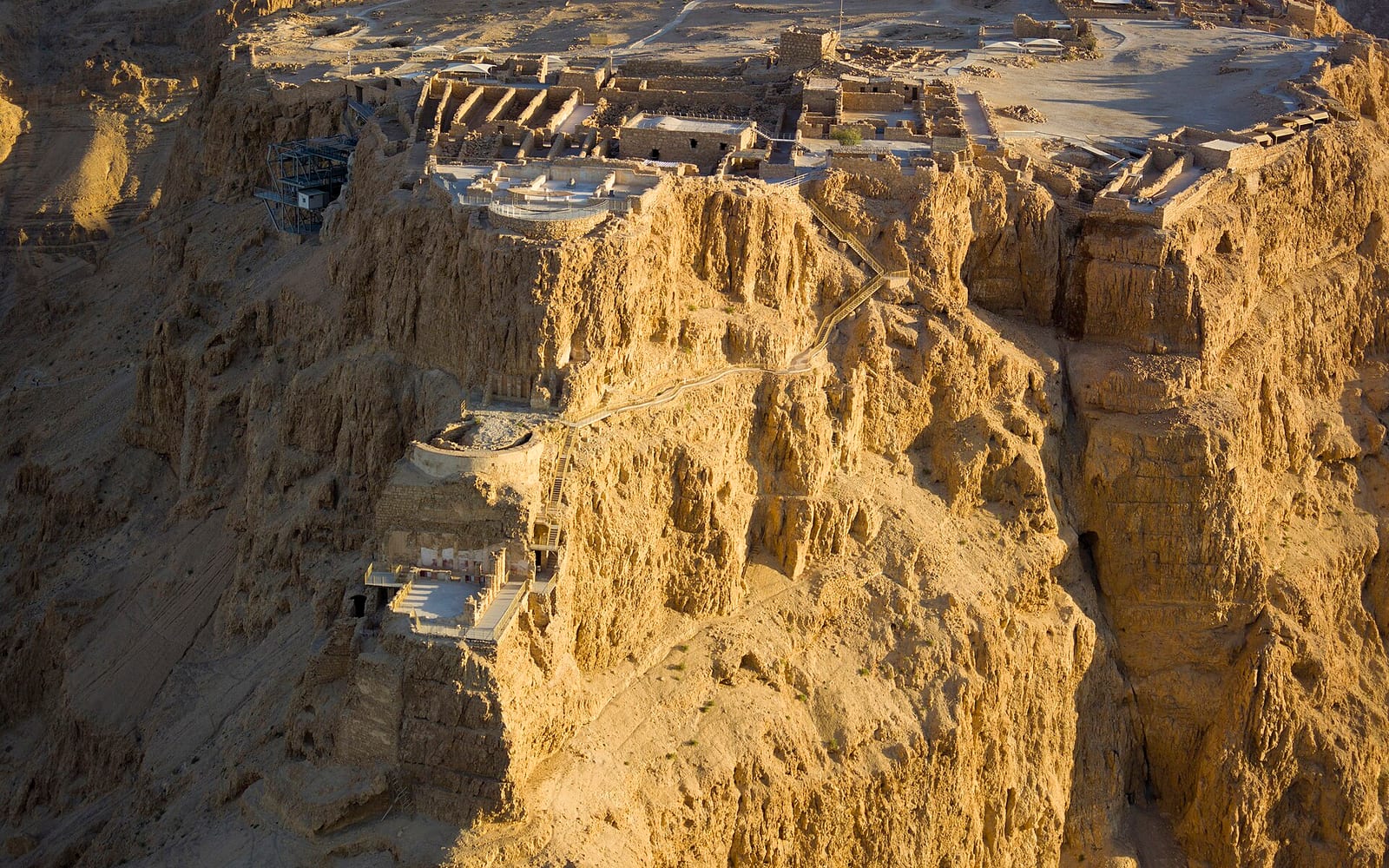
For the desert trips, a guided day tour (above) removes the logistics — especially the pre-dawn Masada start. For Tel Aviv, just take the train. For flexibility across several trips, consider renting a car for a couple of days.
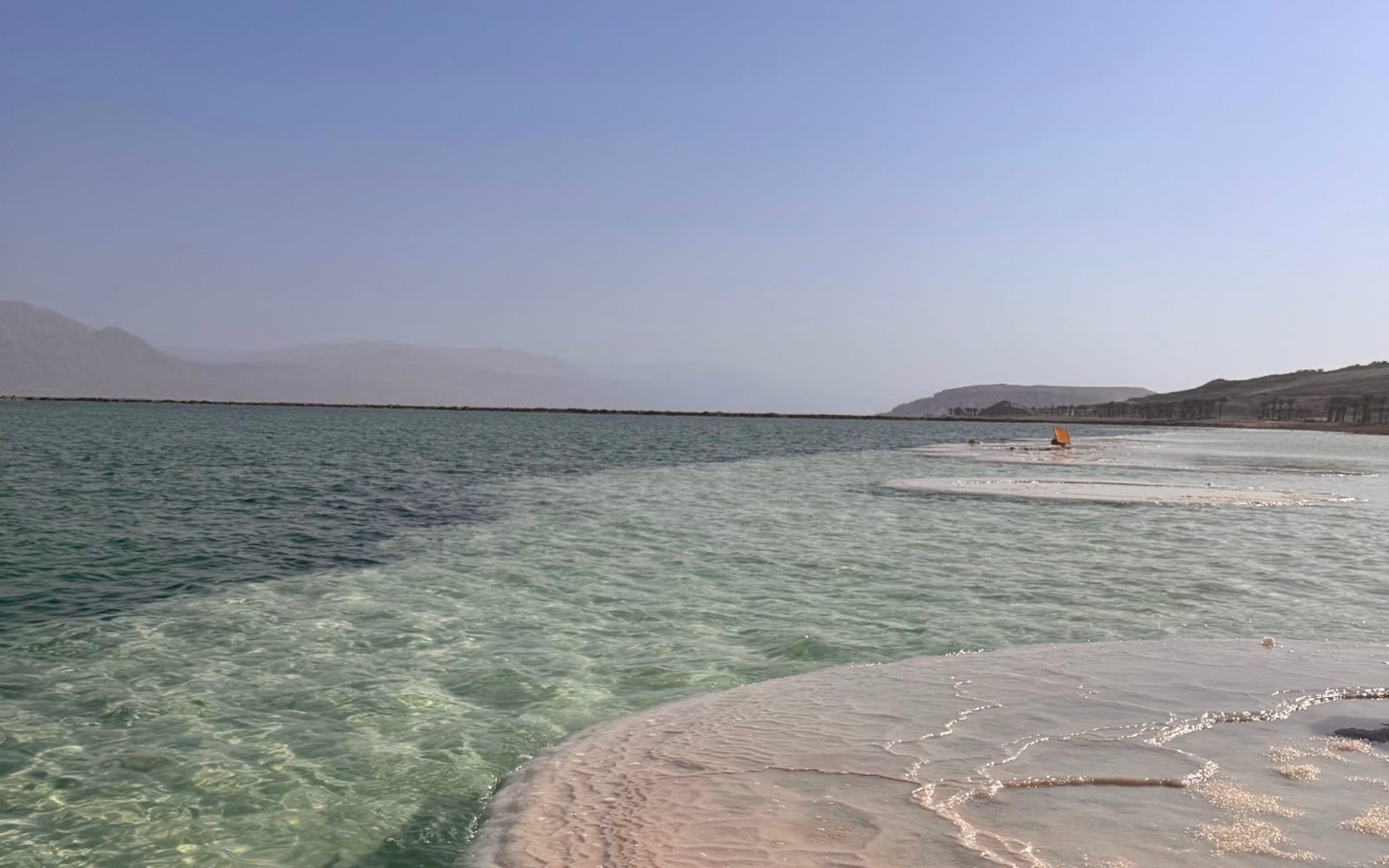
The Masada sunrise and Dead Sea day trip is the classic and most popular — a dawn ascent of the Masada fortress, the Ein Gedi oasis, and a float in the Dead Sea, all within about 90 minutes of the city. Bethlehem and Tel Aviv/Jaffa are the other top choices.
Can you do Tel Aviv as a day trip from Jerusalem?
+
Yes, easily — the high-speed train links the two cities in about 45 minutes, so you can spend a full day on the Tel Aviv beaches, in Old Jaffa and at the Carmel Market and be back for dinner.
How do you get to the Dead Sea from Jerusalem?
+
It is about a 90-minute drive. An organised tour is the easiest way (it handles the pre-dawn Masada start), but buses run to Ein Gedi and Ein Bokek, and a rental car gives you full flexibility.