Carmel Market (Shuk HaCarmel) is Tel Aviv’s oldest and most famous outdoor market, open since 1920 along the narrow lanes of HaCarmel Street. Two hundred and twenty stalls run for several blocks between King George Street and Allenby, carrying everything from Medjool dates and fresh-ground spices to vintage denim and knock-off sunglasses. The market is the clearest expression of daily Tel Aviv life — loud, colourful, perpetually chaotic, and one of the best places in the city to eat.
A guided food tour is the fastest way to learn the market’s rhythms; the booking options above combine Carmel Market with Old Jaffa for a full morning. But the market is perfectly navigable independently — this guide covers the layout, the best stalls, the food, and the famous Friday transformation.
Market layout
The market runs roughly north to south, with two distinct halves that attract different visitors:
The northern section (entering from King George Street) is the food and produce half. This is where serious cooks shop and where the best street food is found. Stalls carry spices, dried fruits, nuts, fresh herbs, olives, tahini, artisan honeys, Israeli dates and seasonal vegetables. The pomegranate juice presses are concentrated near the north entrance — the juice is squeezed to order and one of the iconic market tastes. Burekas and bread stalls cluster in the middle section.
The southern section (approaching Allenby Street) shifts to clothing, homewares, household goods and some secondhand items. The energy here is more bazaar than food market. Bargaining is normal on un-tagged clothing and household goods; start around half the asking price and expect to settle somewhere between. Cash is the rule; some stalls now accept contactless payment but do not count on it.
Running parallel on Tuesdays and Fridays — the Nahalat Binyamin artisan market sets up along Nahalat Binyamin Street, immediately adjacent. Israeli artists and craftspeople sell ceramics, jewellery, prints, leather goods and handmade toys. The combination of food market and artisan market on a Friday morning is Tel Aviv at its most enjoyable.
What to eat
The market stalls are built for eating while walking. The standouts:
Pomegranate juice — fresh-squeezed at the entrance presses, typically available autumn through spring when pomegranates are in season. One glass in the morning is the right way to start.
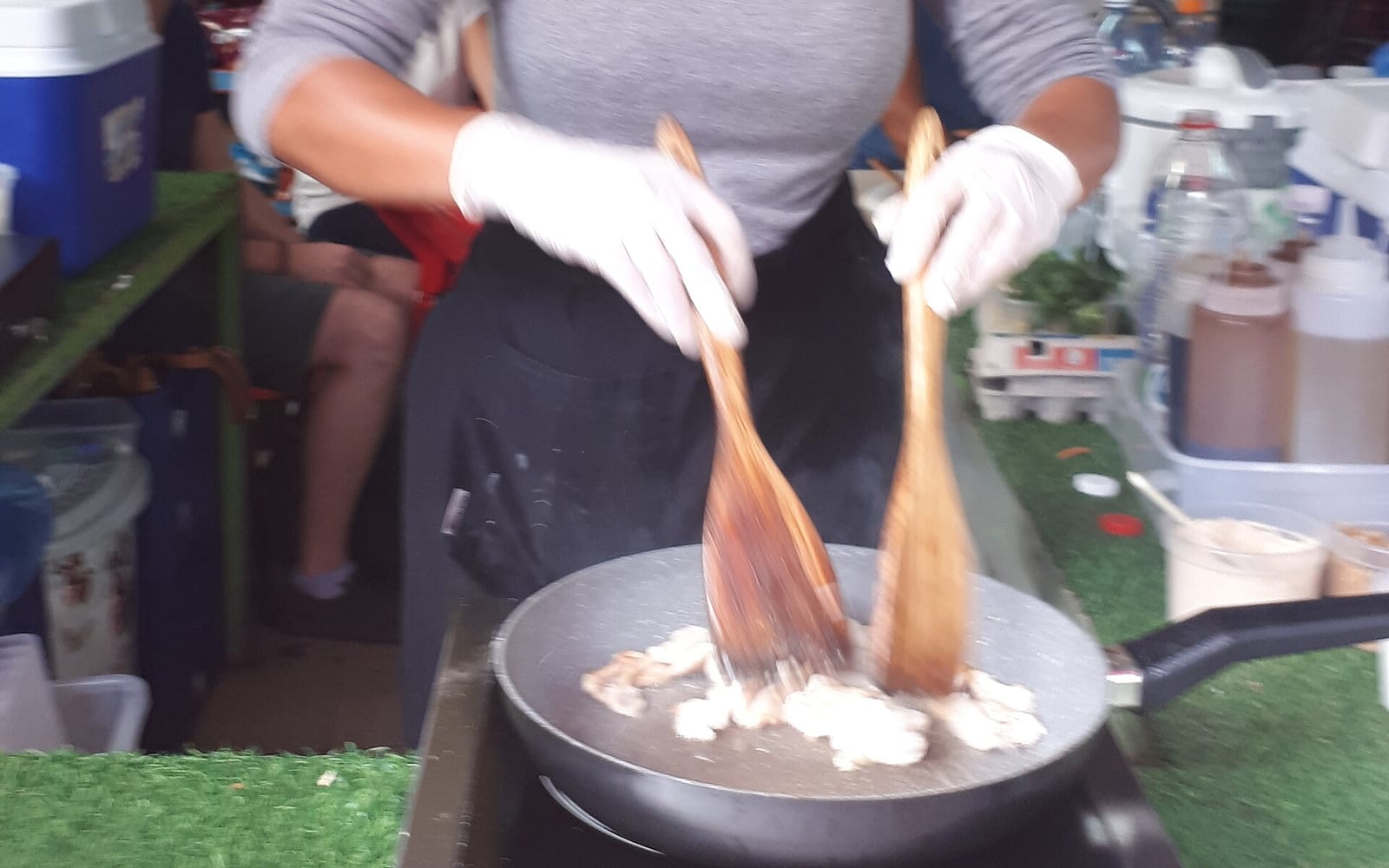
Burekas — warm, flaky pastry filled with cheese, potato or spinach, baked on-site and sold by weight or piece. Buy from a stall with a visible oven and a queue; pre-packaged or glass-display burekas are not worth your time.
Falafel in pita — multiple falafel stalls operate along the market; the best have a visible frying setup, a crowd, and clearly cost you nothing to queue for.
Knafeh — the sweet shredded-wheat-and-cheese pastry soaked in orange-blossom syrup. A cart at the southern end of the market has been selling it for years and is an institution. Hot, sweet, best eaten immediately.
Roasted corn and sweet potato — carts appear at peak hours in summer and autumn, roasting on charcoal. Simple and good.
Spices to take home — the northern section’s spice stalls offer za’atar (the herb-and-sesame blend), sumac (tart purple powder for everything), amba (pickled mango condiment), baharat (the warming meat-spice blend), and dried rose petals. Most sell in vacuum-sealed bags suitable for travel.
The Carmel Market’s most surprising trick: on Friday afternoons the produce stalls close around 2pm for Shabbat, the lanes empty out briefly — and then, from about 5pm, the same streets reopen as a bar and street-party strip.
Pop-up bars set up inside emptied stalls, DJs appear in doorways, the crowd shifts from families with shopping bags to people with bottles of local craft beer, and the whole market section becomes one of the more unusual urban nightlife experiences in Israel. It runs through Friday evening until late, and the surrounding permanent bars (several line HaCarmel Street) feed into it.
The Friday evening scene is free, informal, and very crowded in summer. Arriving around 5–6pm while there is still light is easier than arriving after dark when the lanes are packed.
This is distinct from the regular Tel Aviv nightlife scene (bars, clubs, beach parties) — the Friday market transformation is family-adjacent in the early evening and purely street-party in character, not a club scene.
HaBasta: the best restaurant adjacent to the market
On the market’s edge, HaBasta is consistently listed among the finest farm-to-table restaurants in Israel — small plates built around whatever arrived from the farms that morning, a short wine list focused on Israeli natural wines, a narrow dining room that books out weeks in advance on weekends.
It is the kind of restaurant where the menu changes daily because the kitchen only works with what is freshest, and where a meal of six or seven small plates is a serious cooking experience rather than a market snack. Reservation required, particularly for Friday lunch and any weekend sitting. Book directly via the restaurant’s website well in advance.
HaBasta is not a casual market-adjacent café — it is a destination in its own right, reached through the market rather than despite it.
The Port: north-end boutique
At the northern tip of the market block, a converted warehouse space houses what locals call “The Port” (HaNamal) — a cluster of a wine shop, a small bar with rotating taps, a vinyl record corner and occasionally a gallery. Hours are irregular; it is more a neighbourhood fixture than a tourist stop, but worth knowing if you arrive at the north entrance and want a coffee or a glass of wine before diving into the market.
Hours: Sunday–Friday, approximately 8am to dusk. Closed Saturdays. Friday produce stalls close around 2pm; some clothing stalls stay open later.
Best time to visit: Friday morning (9–10am) for the full experience with the Nahalat Binyamin artisan market alongside. Midweek mornings for lower crowds and excellent choice. Avoid late Friday afternoons (closed for Shabbat).
Payment: Cash preferred across most stalls. Some accept contactless — do not count on it. ATMs are available nearby on Allenby and King George Streets.
Bargaining: Normal for clothing and household goods. Most food and produce stalls have posted prices and do not expect negotiation.
Getting there: HaCarmel Street, between King George (north) and Allenby (south), central Tel Aviv. 10–15 minute walk south of Dizengoff Square. The Tel Aviv Red Line light rail stops nearby. No dedicated parking — the area is pedestrianised during market hours.
Accessibility: The market lanes are paved but narrow, often crowded, and can be difficult to navigate with a wheelchair or pushchair during peak hours. The northern entrance from King George is slightly wider and easier than the Allenby end. Midweek mornings offer the best accessibility conditions.
Plan your visit
Combine the market with the Tel Aviv food guide for the city’s broader eating scene — sit-down restaurants, neighbourhood-by-neighbourhood. The Israeli street food guide covers the specific dishes in more depth across all cities. For a complete contrast — curated, all-weather, premium — Sarona Market is a 15-minute walk or cab ride away and pairs well with a Carmel Market morning.
Immediately south of the Carmel Market’s Allenby entrance is Kerem HaTeimanim — Tel Aviv’s Yemenite Quarter — where jachnun, malawach and lachuch are served from family-run kitchens in whitewashed lanes. A natural extension of any Carmel Market morning.
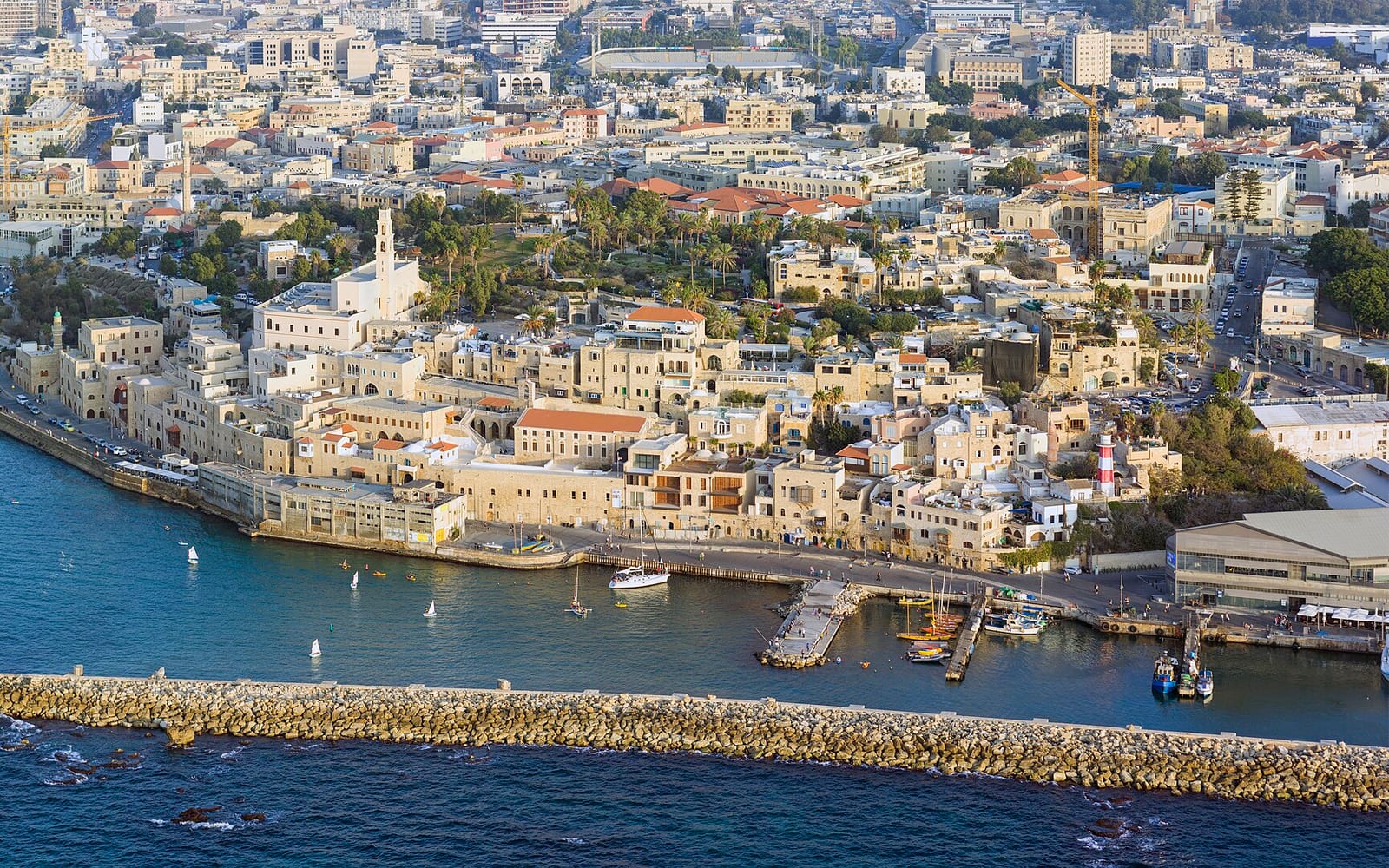
For the rest of the day: the White City Bauhaus buildings are a 10-minute walk north along Rothschild Boulevard. Old Jaffa is 20 minutes south along the beach promenade — see the complete Jaffa travel guide for Abu Hassan, the Flea Market and the port. Israel food tours and cooking classes covers the organised version, including market tours with a guide.
If you are keeping kosher, most of the produce market is naturally kosher; the kosher food guide explains what to look for in prepared food stalls.