Tel Aviv spreads across a connected arc of neighborhoods that look and feel entirely different from each other — the Bauhaus boulevards of Rothschild, the 19th-century Templer lanes of Neve Tzedek, the street-art grit of Florentin, the ancient port of Old Jaffa, the beachfront hotels of the Tayelet. All are within a 30-minute walk of each other, yet each has a distinct character, accommodation profile and eating scene. This guide explains each neighborhood so you can choose the base — or the day’s walking route — that matches your trip.
Neighborhoods at a glance
| Neighborhood | Best for | Vibe | Hotel type | Walk to beach |
|---|
| Rothschild & White City | First-timers, couples, central access | Café-lined Bauhaus boulevard, cosmopolitan | Boutique to upscale | ~10 min |
| Neve Tzedek | Design lovers, couples, quiet | Charming restored Templer lanes, boutiques | Small boutique, apartments | ~10 min |
| Florentin | Budget travellers, nightlife, young crowd | Street art, bars, gritty-creative | Hostels, budget B&Bs | ~20 min |
| Old Jaffa (Yafo) | History, atmosphere, design hotels | Ancient port, Flea Market, Arab-Jewish mix | Design & boutique | ~5 min |
| Beachfront (Hayarkon) | Sea views, families, resort feel | Hotel strip, promenade walks, beach clubs | Mid-range to luxury resort | On the water |
Hotel prices fluctuate with season and demand — always check live rates before booking.
Rothschild Boulevard & the White City (Lev Ha’ir)
The all-round best base for a first visit.
Rothschild Boulevard is the tree-lined, café-lined pedestrian axis of central Tel Aviv. It runs from Habima Square at the north (home to the National Theatre) south to Allenby Street, flanked by a UNESCO-recognised concentration of 1930s Bauhaus and International-Style architecture — the famous White City. The boulevard itself is a daily local commute: juice stands, boutique hotels, brunch cafés (Café Café, Benedict, small espresso shops) and evening bars at the south end near Allenby.
Why stay here: you can walk to the Carmel Market in five minutes, to Neve Tzedek in ten, to the beach in ten, and to most major Tel Aviv attractions in under twenty minutes on foot. The neighbourhood has the highest density of good restaurants per block in the city.
Eat: the Rotschild strip has all-day dining from morning burekas to evening steakhouses and cocktail bars. The streets off it — Mazeh, Bograshov, Allenby — add another layer of choice from hummus joints to French-influenced bistros. Carmel Market is a five-minute walk for street food and fresh juice.
Stay here if: you want a single base from which to reach everything, or if you are visiting for only 2–3 nights and want to be walking-distance from the most. Mid-range boutique hotels (Norman Hotel, Brown TLV) and upscale options (The Vera, Townhouse TLV) concentrate here.
Key streets: Rothschild Boulevard itself; Dizengoff and Bograshov streets running off it; the short pedestrian lanes between Allenby and Florentin for evening bars.
More on the architecture and walking route: Rothschild & the Bauhaus White City and the Tel Aviv White City guide.
Neve Tzedek
Charm, boutiques and the city’s oldest lanes.
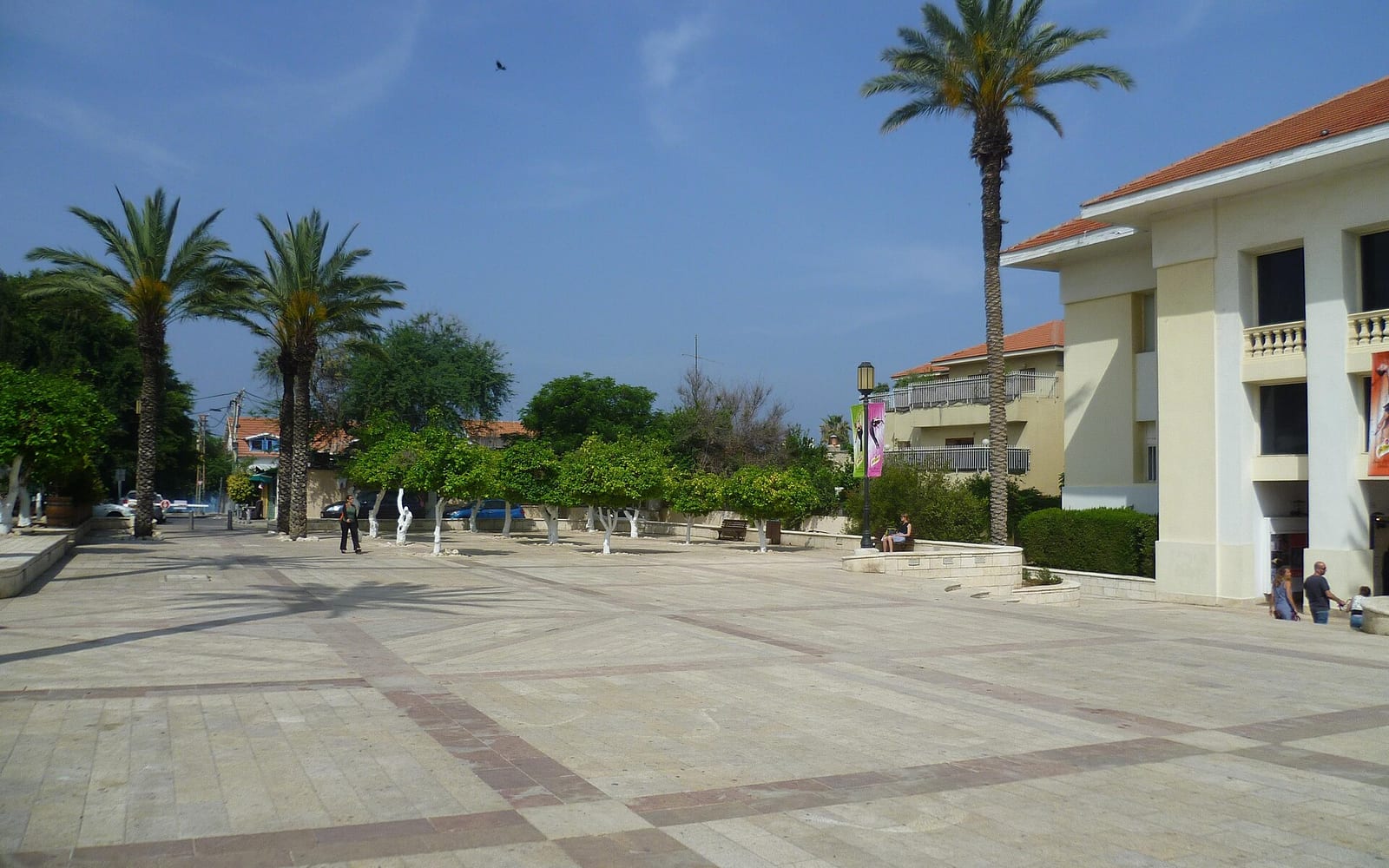
Neve Tzedek (“Oasis of Justice”) is Tel Aviv’s oldest neighbourhood — founded in 1887 as the first Jewish settlement outside Jaffa, predating Tel Aviv’s official founding by more than two decades. The streets are narrower and quieter than Rothschild, lined with restored single-storey Templer houses and small boutique shops on Shabazi Street, the neighbourhood’s main axis. The Suzanne Dellal Centre — home of the Batsheva Dance Company — anchors the south end, and HaTachana (the restored Ottoman railway station, now a restaurant and design-shop complex) sits immediately adjacent.
Why stay here: Neve Tzedek is the most photogenic and residential quarter in the city — quiet morning streets, good brunch cafés, independently-owned design and jewellery shops, and an intimate scale that Rothschild’s boulevard doesn’t have. It is a 10-minute walk to Carmel Market, 15 minutes to Old Jaffa, and 10 minutes to the beach via HaTachana.
Eat: the neighbourhood is not a major restaurant hub but has dependably good café options: Café Dallal on Shabazi for all-day brunch, several neighbourhood espresso spots. HaTachana immediately south has a concentrated cluster of restaurants and wine bars that run all day and into the evening.
Stay here if: you want charm over convenience — the neighbourhood has a handful of boutique hotels and many well-reviewed short-stay apartments. Not ideal if you need budget accommodation or want to walk out the door into lively nightlife.
Key streets: Shabazi Street (the main axis); Pines and Yehieli streets for the densest cluster of restored Templer houses.
More: Neve Tzedek complete guide.
Florentin
Budget, street art and the city’s best late-night scene.
Florentin sits south of Rothschild, between Neve Tzedek and the Jaffa border, and is the creative and nightlife heart of south Tel Aviv. The streets — Frenkel, Vital, Florentin — are covered in murals by known Israeli street artists; design studios, small galleries, and vintage shops fill the ground floors; bars take over from around 21:00 Thursday through Saturday. The quarter is also Tel Aviv’s cheapest and most hostel-dense area.
Why stay here: the best value accommodation in central Tel Aviv — hostels with sociable atmospheres (Abraham Hostel’s Tel Aviv branch is nearby), cheap private rooms, a vibrant food and café scene by day, and a nightlife corridor that runs until early morning on weekends. The Red Line light rail Salame station puts the rest of the city 5–10 minutes away.
Eat: Florentin has a strong café culture by day — espresso shops, vegan food stops, Yemenite food joints. By night the focus shifts to casual bars, street-food late-night spots, and pizza slices. Carmel Market is a 10-minute walk north.
Stay here if: you want the lowest prices in a central location, you plan to be out late, or you are happy with a slightly grittier environment in exchange for the nightlife access. The quarter is safe but feels less polished than Rothschild or Neve Tzedek.
Key streets: Frenkel Street (best murals); Vital Street and Florentin Street (bars); Levinsky Street (spice market, one block east).
More: Florentin complete guide and the Tel Aviv nightlife guide.
Old Jaffa (Yafo)
Ancient port, Flea Market, and the city’s most atmospheric stays.
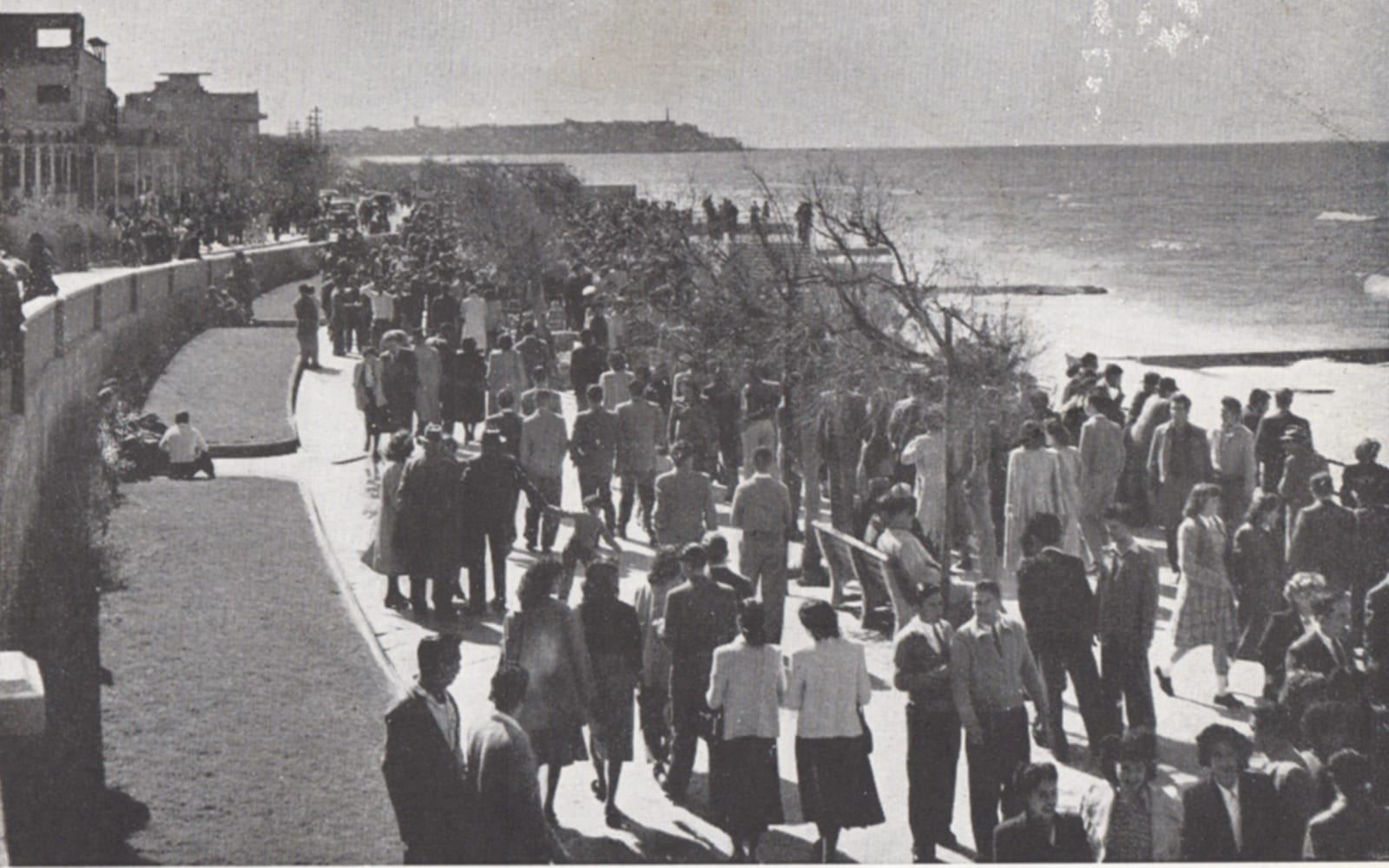
Old Jaffa is a different city layered beneath Tel Aviv — a 3,500-year-old port town absorbed into the municipality in 1950, now a mixed Jewish-Arab neighbourhood of Ottoman-era lanes, a famous weekly flea market, seafood restaurants along the port, and a handful of genuinely standout boutique and design hotels. The archaeological park, the Clock Tower, and the hilltop views over the Mediterranean are within walking distance of each other.
Why stay here: if atmosphere matters more than centrality, Jaffa is the most characterful overnight option in the city. The beach is five minutes north; the flea market is on the doorstep; Abu Hassan — widely cited as among the best hummus in Israel — is a short walk away; and the restaurant scene at the port is one of the best in Tel Aviv. The Jaffa hotel (in a converted 19th-century French hospital) is the standout design property; several smaller boutique guesthouses fill in below.
Eat: the port restaurants cover Mediterranean seafood (Dr Shakshuka, Clock Tower square) and a strong Arab-Israeli fusion. Abu Hassan on Yefet Street is the hummus institution — cash only, sells out by midday. Abouelafia bakery on Yefet bakes fresh pita from around 05:00 daily. The Sunday flea market adds a dozen street-food stalls around Shuk HaPishpeshim.
Stay here if: you want the most distinctive overnight setting in Tel Aviv, you are visiting for the flea market (best on Sunday), or you like the idea of a slower, older-city atmosphere with the rest of Tel Aviv easily reachable north along the beach promenade.
Key streets: Yefet Street (the main artery, hummus and bakeries); Olei Zion (flea market square); the port road for seafood restaurants.
More: Jaffa travel guide, Old Jaffa attraction page.
Beachfront & North Tel Aviv (Hayarkon / Dizengoff)
Sea views, promenade mornings and the classic Tel Aviv hotel strip.
The string of hotels along Hayarkon Street — running parallel to the beach from Jaffa in the south to the Tel Aviv Port (Namal Tel Aviv) in the north — is the most internationally-recognisable part of the city. Sheraton, Hilton (with the designated LGBTQ+ Hilton Beach), Carlton, Renaissance and Dan hotels sit within a short walk of the sand. The Tayelet (promenade) runs the full length: early mornings are a procession of runners and cyclists; evenings bring sunset watchers and gelato queues.
Why stay here: direct beach access, sea-view rooms, large-format hotels with pools and gyms. The Carmel Market is a 15-minute walk south; Rothschild Boulevard is 15 minutes east; the Tel Aviv Port food market (Friday–Saturday) is at the north end. If a morning run along the Mediterranean is your starting point, this strip delivers it.
Eat: the hotels themselves have good rooftop restaurants; independently, the best eating is a short walk away in the city centre rather than on Hayarkon itself. The promenade has casual cafés and kiosks for breakfast and snacks. HaBasta (near Carmel Market) and the food market at the Port are the highlights for visitors based on the beachfront.
Stay here if: sea views or direct beach access is the main priority, you are comfortable with larger international hotel formats, or you are visiting primarily in summer and want the beach lifestyle as your base.
Key streets: Hayarkon Street for the hotel strip; Herbert Samuel Street (seafront cafés and restaurants, northern Jaffa end); the promenade itself.
More: Tayelet promenade guide and Tel Aviv food guide for eating near the beachfront.
Getting between neighborhoods
All five neighborhoods form a connected arc you can walk end-to-end in under an hour. The practical links:
- Rothschild → Neve Tzedek: 10-minute walk south-west down HaCarmel or Herzl Street.
- Neve Tzedek → Old Jaffa: 15-minute walk south along the seafront path, or a 7-minute bus ride.
- Rothschild → Florentin: 10-minute walk south along Herzl Street.
- Beachfront → anywhere: the light-rail Red Line runs north-south; get on at any promenade-adjacent stop and you reach Carmel Market and the Rothschild axis in 5 minutes.
- Florentin → Jaffa: 15-minute walk south-west.
For getting around by bike: Tel-O-Fun, the city bike-share, has stations throughout all five neighborhoods — an ideal way to move between areas, especially in the cooler morning hours. For full transport logistics, see the Tel Aviv light rail guide and the transportation guide.
Planning your Tel Aviv visit
For broader trip planning, the Tel Aviv region guide covers all the main attractions from the beach to the museums. The day trips from Tel Aviv guide covers Caesarea, Akko and the Galilee from a Tel Aviv base. For the city’s food scene neighborhood by neighborhood, see the Tel Aviv food guide and the Carmel Market guide. For the architecture: the White City guide goes deeper on the UNESCO Bauhaus heritage. For specific hotel recommendations by neighborhood and price tier — with picks at budget, mid-range and luxury — see the best hotels in Tel Aviv guide. For remote workers and digital nomads, the digital nomad in Israel guide maps the coworking ecosystem by neighbourhood, covers internet speeds and visa practicalities, and has a cost-of-living table for each type of stay.