Israeli productions have reached a global audience that no government tourism campaign could have manufactured. Fauda ranked in Netflix’s global top-ten lists across dozens of countries. Shtisel built a devoted following far beyond Jewish communities — fashion designers, filmmakers, and critics in New York, London and Tokyo. Tehran ran for two seasons on Apple TV+. Millions of viewers who know Israeli streets from a screen now want to see them in person. This guide covers what is accessible, how to get there, and where guided tours add the most value.
Fauda (2015–present) — Kfar Kasim and the borderlands
Fauda follows a Mista’arvim unit — an Israeli undercover team that operates in Arab communities — through four seasons of increasingly kinetic tension in the West Bank and Gaza border areas. Created by Lior Raz and Avi Issacharoff, both of whom served in such units, it has an authenticity that distinguishes it from more conventional thriller formats.
The primary accessible filming location is Kfar Kasim, an Arab-Israeli town roughly 15 km east of Tel Aviv. The show uses its streets, covered market, and residential architecture extensively to represent both Israeli-Arab communities and Palestinian territories. The town itself is ordinary, working-class and unremarkable from the outside — which is precisely why the street-level filming is so effective. The local market and central streets are recognizable to any viewer of the show.
Self-guided: Kfar Kasim is open to visitors. It is a real functioning town, not a set. There is no dedicated tourist infrastructure, and most visitors arrive on guided tours. If you visit independently, the central market area on weekday mornings is the most active.
Guided tours: Tourist Israel runs “The Fauda Experience” — a small-group guided tour led by a former senior intelligence officer. It visits Kfar Kasim filming sites and includes an operational briefing on how Mista’arvim units actually work, drawing on the guide’s firsthand experience. This is one of the more unusual guided experiences Israel offers; check GetYourGuide for current availability and bookings. Other operators occasionally run similar formats.
What you cannot visit: Some Fauda scenes were filmed in actual West Bank locations or near security-sensitive zones not open to tourists. The show also uses constructed sets for certain interiors. Do not attempt to access military zones or closed areas — the accessible locations are interesting enough.
Shtisel (2013, 2018, 2021) — Mea She’arim, Jerusalem
Shtisel is a family drama set in Jerusalem’s Haredi (ultra-Orthodox) community, following the Shtisel family through love, loss, art and religious life across three seasons. It became an unexpected global hit — binge-watched across secular households in New York, Berlin and Seoul. The Israeli television landscape has no other show quite like it.
The filming location is Mea She’arim (מאה שערים), one of the oldest continuously inhabited Jewish neighbourhoods in the world, built in 1874 outside the Old City walls. The alleyways, stone buildings, yeshiva storefronts and community noticeboards that appear throughout the show are the real neighbourhood — unchanged in character for generations.
Visiting Mea She’arim:
This is a functioning ultra-Orthodox residential neighbourhood, not a museum. You can walk through it, but the community asks for — and has the right to expect — genuine respect for its standards.
- Dress code (essential): Women must cover arms to the wrists, legs to the ankles, and wear a headscarf or hat. Men should wear a kippah or hat. Both genders should wear dark, modest-toned clothing. Signage at neighbourhood entrances states these requirements clearly.
- Photography: Do not photograph residents without explicit permission. Signs throughout the neighbourhood state this. The community’s objection is sincere and should be respected.
- When to visit: Weekday mornings (Sunday through Thursday) are best for activity and atmosphere. Shabbat (Friday sunset through Saturday night) is an entirely different experience — the neighbourhood is closed to non-observant visitors; do not wander through unless you are attending a synagogue service by prior invitation.
- Geula Market (on Malkhei Yisrael Street, adjacent to Mea She’arim) also features in the show and offers more latitude for market photography. This is where many local shops, bakeries and Judaica suppliers appear in street scenes.
For a deeper understanding of Jerusalem’s religious geography, see our holy sites dress code and etiquette guide and Jewish heritage in Israel.
Tehran (2020–2022) — Jerusalem’s Old City as a double
Tehran (Apple TV+) is a thriller following a Mossad cyberoperative sent into Iran on an extraction mission. The city of Tehran, closed to Israeli filmmakers and most Western productions, is played primarily by Jerusalem — specifically the covered alleyways of the Old City’s Muslim Quarter and Christian Quarter, along with various exterior locations in Georgia.
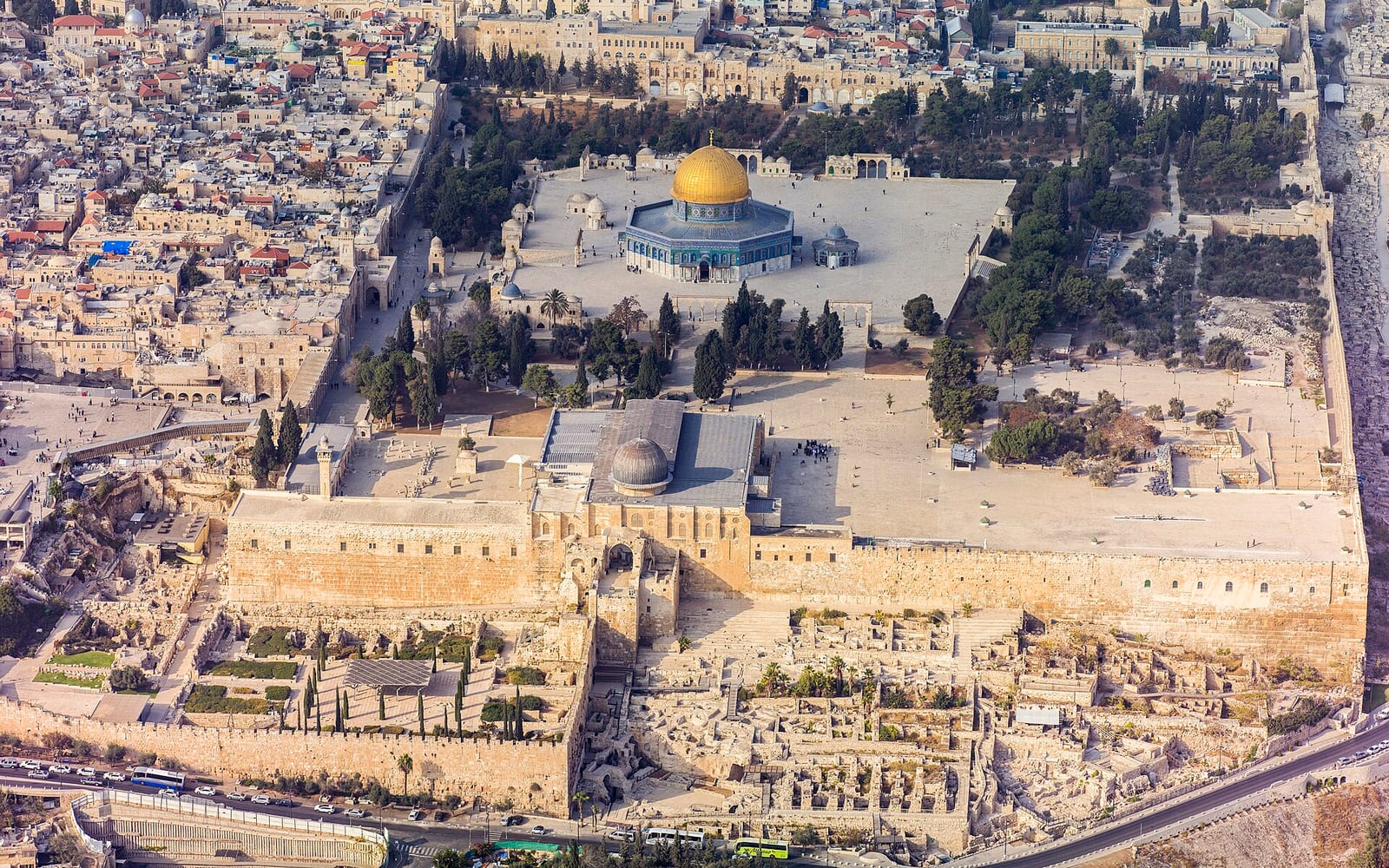
Jerusalem’s Ottoman-era architecture, vaulted market streets and dense stone urban fabric make it a convincing visual substitute for the Iranian capital. The Via Dolorosa, parts of the Muslim Quarter souk, and various external alleyways appear in different episodes.
Visiting these locations: The Old City is fully accessible to tourists and requires no special permission. Walking the Muslim Quarter from Damascus Gate toward the Church of the Holy Sepulchre — and the Christian Quarter’s covered lanes — covers much of the visual geography Tehran uses. For the broader Old City experience, see our Jerusalem Old City walking tour guide.
Beauty Queen of Jerusalem (2021–2022) — Mahane Yehuda and the Jewish Quarter
This Netflix and Kan 11 co-production is a historical family drama based on Sarit Yishai-Levi’s bestselling novel, spanning the Ottoman-period and British Mandate eras in Jerusalem’s Sephardic community. It was one of the most-watched Israeli dramas of its broadcast year.
The primary filming locations are Mahane Yehuda market — Jerusalem’s sprawling outdoor food market — and parts of the Jewish Quarter of the Old City. Both are among the most accessible and rewarding destinations in Jerusalem for any visitor.
Mahane Yehuda (“the Shuk”) operates Sunday through Friday and transforms dramatically in the evenings (around 6 pm onward) when market stalls close and bars open. The daytime market — spices, produce, baked goods, hummus — is a sensory experience regardless of any TV interest. For the full picture on food and navigation, see our Mahane Yehuda market guide and Jerusalem food guide.
Our Boys (2019) — East Jerusalem
Our Boys is an HBO and HOT co-production based on the 2014 abduction and murder of Muhammad Abu Khdeir, a 16-year-old Palestinian from East Jerusalem, and the parallel kidnapping and killing of three Israeli teenagers in the West Bank — events that preceded the 2014 Gaza conflict. It is a serious, critically acclaimed drama with a deliberately dual perspective.
Filming took place in East Jerusalem neighbourhoods including Sheikh Jarrah. This is not a conventional screen-tourism destination — the show documents real, recent, and still-sensitive events, and the locations carry that weight. For current safety context for East Jerusalem, see our is Israel safe guide.
A self-guided screen walk: Jerusalem
For visitors who want to cover the main accessible locations in a half-day:
| Location | What you’ll recognise | Walking time from centre |
|---|
| Mea She’arim | Shtisel streets and markets | 20 min walk from Mahane Yehuda |
| Geula Market | Shtisel storefronts | Adjacent to Mea She’arim |
| Mahane Yehuda | Beauty Queen of Jerusalem | Central; 15 min from Old City |
| Old City Muslim Quarter | Tehran alleyways | 5 min from Damascus Gate |
| Old City Christian Quarter | Tehran and various productions | 10 min from Jaffa Gate |
Start at Mahane Yehuda in the morning, walk north to Mea She’arim (20 minutes), then take a taxi or light rail to the Old City. The whole route covers the main screen locations in 3–4 hours.
Guided tours
Fauda Experience (via tour operators): Led by former intelligence officers, visiting Kfar Kasim filming sites with operational briefings. This is the most structured screen-tourism product in Israel and offers context impossible to replicate independently. Book via GetYourGuide or Viator — check current availability as operators and schedules change.
Abraham Tours: Jerusalem cultural day tours from hostel hubs in Jerusalem and Tel Aviv cover several screen-location neighbourhoods as part of broader itineraries. Good for independent travellers who want a sociable small-group base before exploring independently.
Practical tips
Watch first. Even one or two episodes of Fauda, Shtisel or Tehran before visiting will dramatically increase what you notice on the ground. The shows are subtitled in most markets.
Best season for filming-location walks: Spring (March–May) and autumn (September–November) offer the most comfortable conditions for walking Jerusalem’s neighbourhoods and the hilly terrain around Kfar Kasim.
Photography etiquette: The Old City’s covered markets welcome photography of produce and architecture; always ask before photographing individuals. Mea She’arim is strict — no exceptions. Kfar Kasim is a regular town and photography of public spaces is fine.
Combining with other Jerusalem experiences: The Mea She’arim walk pairs naturally with the Western Wall Tunnels and the Old City. Mahane Yehuda connects to the Jerusalem food scene. See our best things to do in Israel for the broader picture.
For tour recommendations and package options that combine cultural experiences like these with Israel’s major sights, see our best tours in Israel guide and Israel tour operators compared.