The single most useful question to settle before booking is not “which hotel” but “which city.” Israel is compact — you can reach most of the country within two hours from any major base — but where you sleep shapes everything: how you spend your evenings, how much time you lose to transit, and how the Shabbat rhythm hits your schedule. Here is an honest comparison.
The bases at a glance
| Base | Best for | Dead Sea | Galilee | Jerusalem | Tel Aviv | Shabbat buses |
|---|
| Jerusalem | Pilgrims, first-timers, archaeology | 1.5 h | 2.5 h | — | 45 min train | No (sherut runs) |
| Tel Aviv | Beach, nightlife, transit hub | 1.5–2 h | 2.5 h | 45 min train | — | No (sherut runs) |
| Haifa | Northern circuit, cruise passengers | 2.5 h | 45 min | 1.5 h train | 1 h train | Yes |
| Tiberias | Sea of Galilee focus | 1.5 h | 0–30 min | 2.5 h | 2.5 h | No |
| Eilat | Red Sea, Petra, Negev | 4 h | 5 h | 4–5 h | 4–5 h | No |
Travel times are driving estimates on a weekday. Train routes (Jerusalem, Haifa, Tel Aviv) are more reliable.
Jerusalem as a base
Best for: First-time visitors, religious pilgrims, archaeological deep-dives, anyone whose trip centres on the Old City.
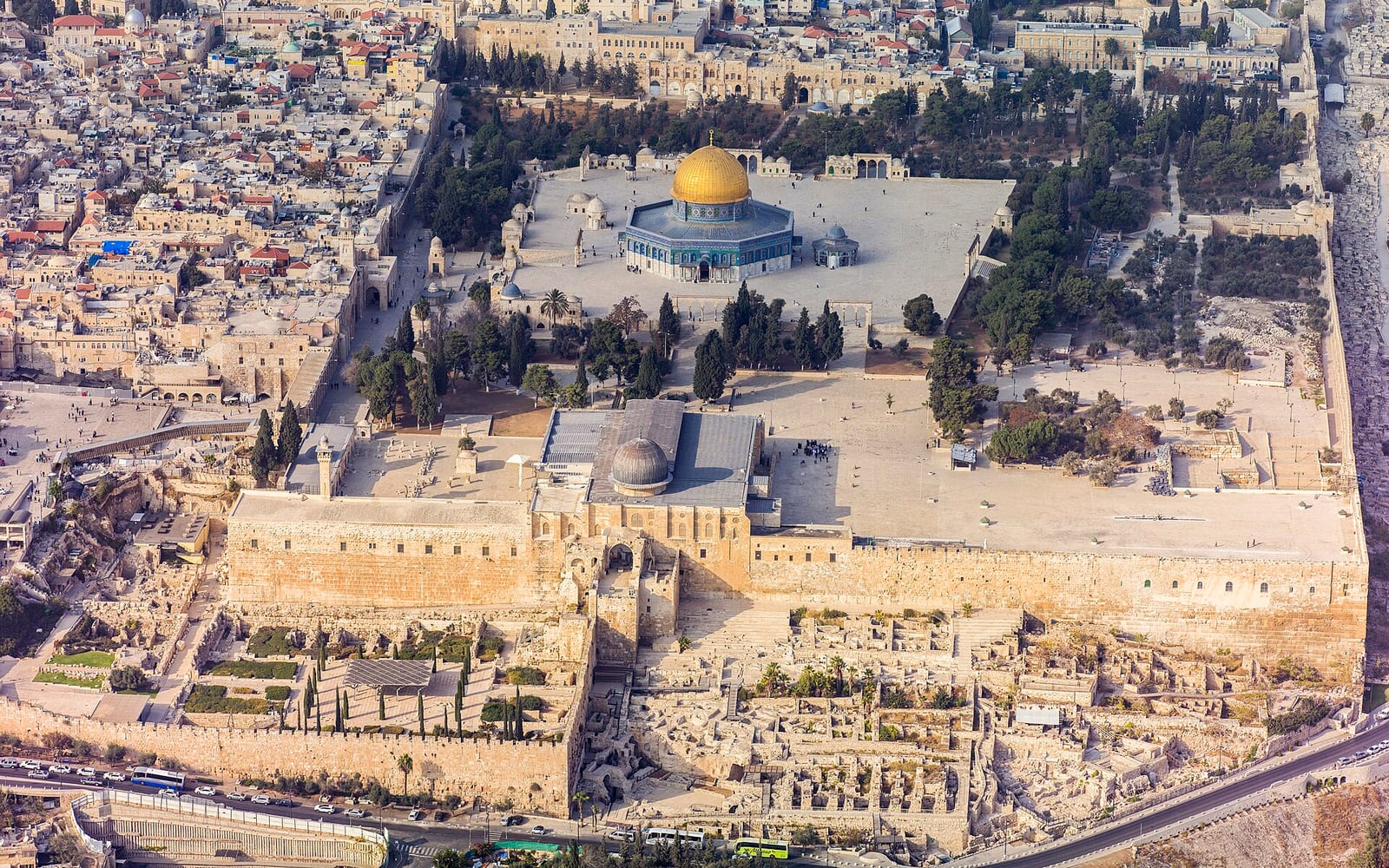
Jerusalem is the single most information-dense city in Israel. You can walk from the Western Wall to the Church of the Holy Sepulchre in eight minutes; Yad Vashem is a 20-minute bus or taxi ride; the Mount of Olives is directly across the Kidron Valley. Basing yourself here means your evenings are in the Old City, which has a character unlike anywhere else.
Day trips from Jerusalem: The Dead Sea and Masada are 90 minutes by car — easy as a day trip, especially with an organised tour that handles the pre-dawn start. Tel Aviv and Old Jaffa are 45 minutes by the fast train. Bethlehem is 30 minutes by sherut. The Galilee is possible as a very long day but better as an overnight.
Honest downsides: Jerusalem is the most expensive city in Israel for accommodation after Tel Aviv. Shabbat from Friday afternoon until Saturday after dark slows the city more than anywhere else — public transport stops, many Jewish-owned restaurants and shops close, and parts of the centre can feel very quiet. This is not a problem for everyone, but it is worth knowing before booking a Friday-night arrival. Read our Shabbat guide for what to expect. Arab and Christian neighbourhoods (East Jerusalem, the Muslim and Christian quarters of the Old City) operate normally on Shabbat.
Price range: Mid-range hotels typically ₪700–1,400 per room; Jerusalem Old City guesthouses in historic buildings from ₪500; luxury (Waldorf Astoria, King David) from ₪2,500+.
Tel Aviv as a base
Best for: Secular culture, beach, nightlife, food scene, transit hub, anyone who wants Mediterranean coast plus easy access to the rest of the country.
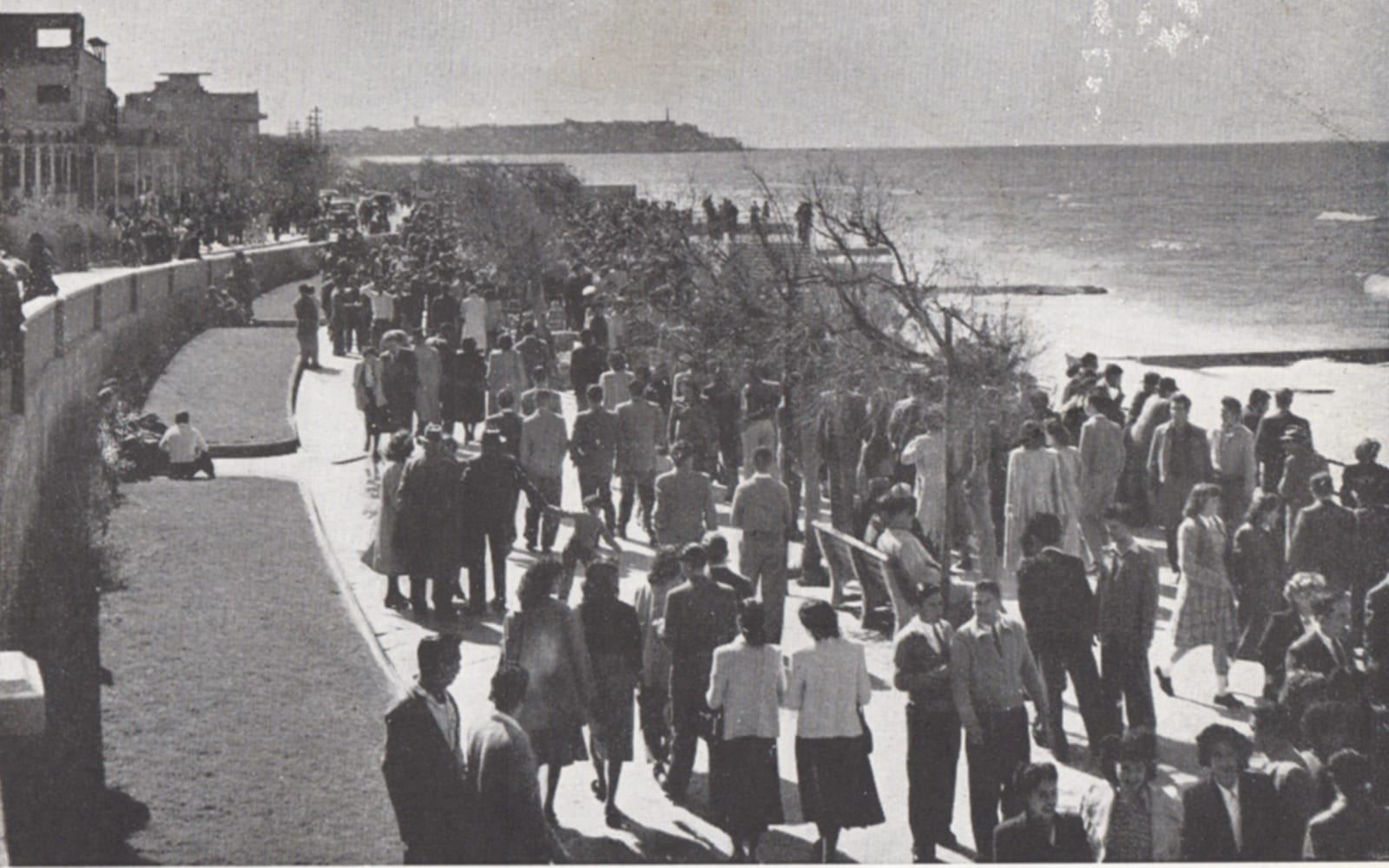
Tel Aviv is Israel’s most cosmopolitan city and its best-connected rail hub. Ben Gurion Airport is 20 minutes by train; Jerusalem is 45 minutes; Haifa is an hour; Netanya and Caesarea are reachable on the same coastal line. The Tel Aviv Light Rail connects the train station to the beach and central Dizengoff in under 20 minutes.
Day trips from Tel Aviv: Jerusalem is a genuine day trip in either direction (45-minute train). The Dead Sea and Masada are 1.5–2 hours by car — long but feasible; most visitors join a guided day tour rather than self-driving to avoid the Dead Sea’s limited parking. Caesarea, Akko and Haifa are north along the coast by train. The Galilee is a long day from Tel Aviv — better as a 2-night leg.
Honest downsides: Tel Aviv is among the world’s more expensive cities. The Dead Sea and Galilee are at the edge of comfortable day-trip range — you lose more of the day to travel than you would from Jerusalem or Tiberias respectively. If your trip is 5 days or less and heavily focused on religious or historical sites, Jerusalem puts you closer to the core content. Shabbat affects Tel Aviv less than Jerusalem — the port area, Florentin and many restaurants stay open — but train services still stop from Friday afternoon.
Price range: Mid-range hotels ₪800–1,600; boutique hotels in the White City neighbourhood ₪900–1,800; hostels (Abraham Tel Aviv, Florentine hostel) from ₪120 per person in a dorm.
Haifa as a base
Best for: The northern Israel circuit — Akko, Rosh Hanikra, Nazareth, the Druze Carmel villages, Galilee and Golan — and cruise passengers with a short port window.
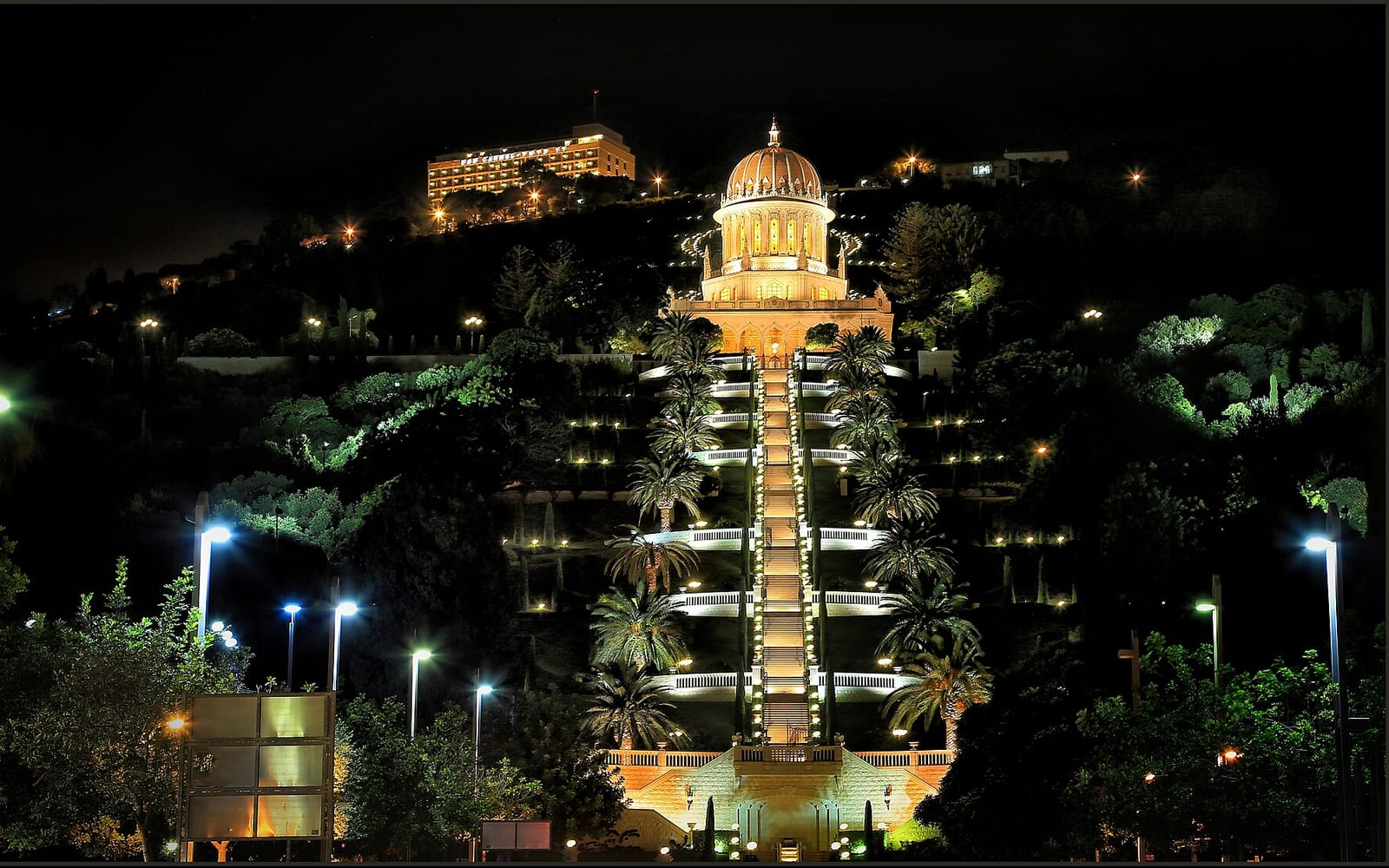
Haifa is Israel’s rail hub for the north, with direct services to Akko (25 minutes), Nahariya and Binyamina (for Zichron Yaakov and Caesarea). Mount Carmel rises directly behind the city; the Bahá’í World Centre terraced gardens are Haifa’s UNESCO centrepiece and require a free guided tour booked ahead.
The single most practical fact about Haifa: it is the only Israeli city with full public bus service on Shabbat. If your dates overlap with Shabbat and you want to move around northern Israel independently, Haifa is the most flexible base.
Day trips from Haifa: Akko is 25 minutes by train; Rosh Hanikra (cliff grottoes, Lebanon border) is 45 minutes by car; Nazareth is 45 minutes east; the Carmel Druze villages (Daliyat el-Carmel) are 30–40 minutes by car; Caesarea is 40 minutes south. For Safed and the Golan a car is recommended — Haifa is the natural staging point.
Honest downsides: Haifa has a smaller tourism ecosystem than Jerusalem or Tel Aviv — fewer luxury hotels, fewer walking-distance restaurants, and a less immediately visitor-oriented atmosphere. It is also a long detour if your itinerary centres on Jerusalem and the Dead Sea. Consider Haifa as a northern base for 2–3 nights of a longer trip, not as the only base unless northern Israel is your primary focus.
Price range: Good-value compared to Jerusalem/TLV; mid-range hotels ₪550–1,100; boutique options ₪700–1,400.
Tiberias / Sea of Galilee as a base
Best for: Concentrating on the Sea of Galilee, Nazareth, Safed, the Golan and Upper Galilee.
Tiberias is a compact lakeside city that gives you immediate access to the north’s core sites: the Mount of Beatitudes, Capernaum, the Jordan River baptism sites and Safed are all within 30–60 minutes. The lake setting and the thermal springs add a distinctive character. This base makes sense if the Galilee is the heart of your trip — for a Christian pilgrimage, a Galilee nature focus, or a deeper northern itinerary — rather than a city.
Honest downsides: Tiberias without a car is limiting. Local buses cover the main Christian holy sites but Safed and the Golan require a rental or guided day trip. The city itself is functional rather than beautiful. Jerusalem and Tel Aviv are each 2.5 hours away — a full half-day of travel each way.
Price range: Lakefront hotels ₪650–1,200; budget guesthouses from ₪350; zimmers in the hills above the lake ₪500–1,000.
Eilat as a base (brief note)
Eilat is isolated at Israel’s southern tip: four hours from Jerusalem, five from Tel Aviv. It makes sense as a base only if Red Sea diving, Petra as a day trip, or Negev exploration are the primary goals of your trip. For a general Israel itinerary, Eilat is better treated as an optional 2-night extension at the end, accessed by the direct flight from Tel Aviv (50 minutes) rather than a long drive.
Which base suits your trip length
| Trip length | Recommended base(s) | Logic |
|---|
| 3–5 days | Jerusalem only | Put the most impactful sites right outside your door |
| 7 days | Jerusalem (4 nights) + Tel Aviv (3 nights) | Classic split; train links them in 45 min |
| 10 days | Jerusalem (4) + Tel Aviv (3) + Tiberias/Haifa (3) | Add northern Israel as a third leg |
| 14+ days | Full circuit: Jerusalem → Tel Aviv → Haifa/Galilee → optionally Eilat | Covers the whole country; Eilat best by flight |
These are starting points, not prescriptions — the right split depends on whether religious sites, nature, beaches or nightlife matter more to you. Our 7-day itinerary and 10-day itinerary show how these bases translate into day-by-day routes.